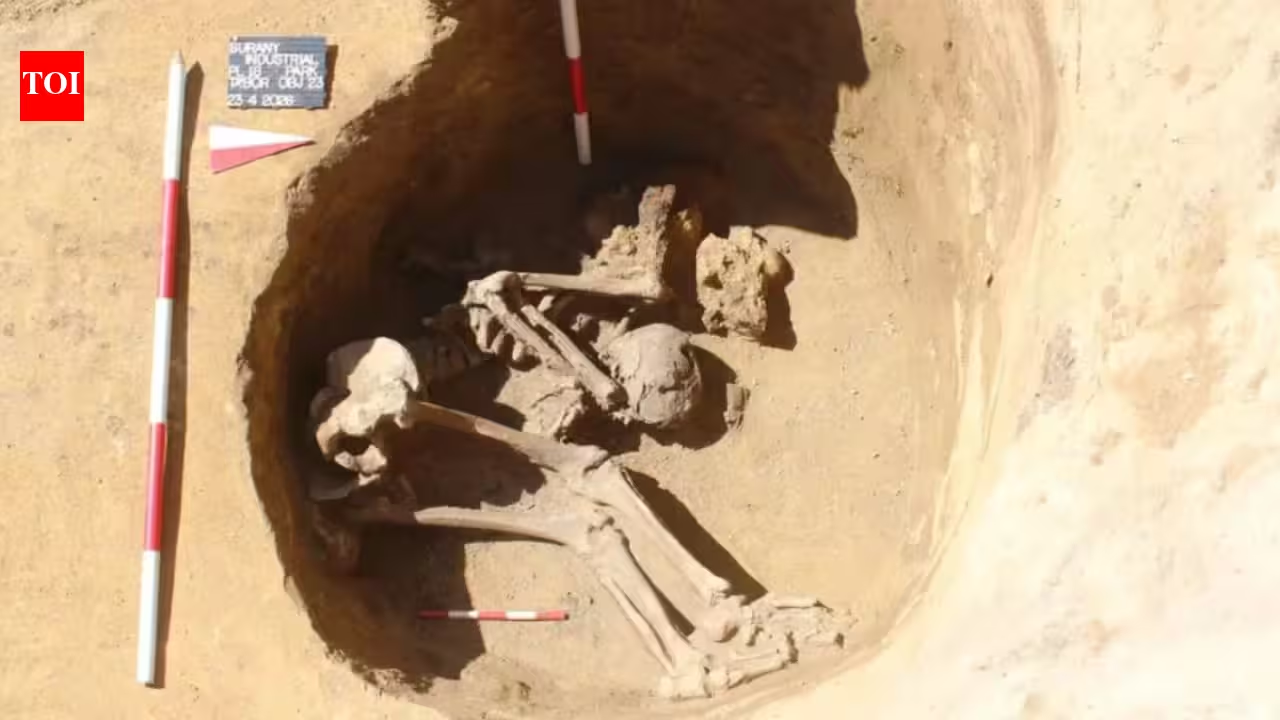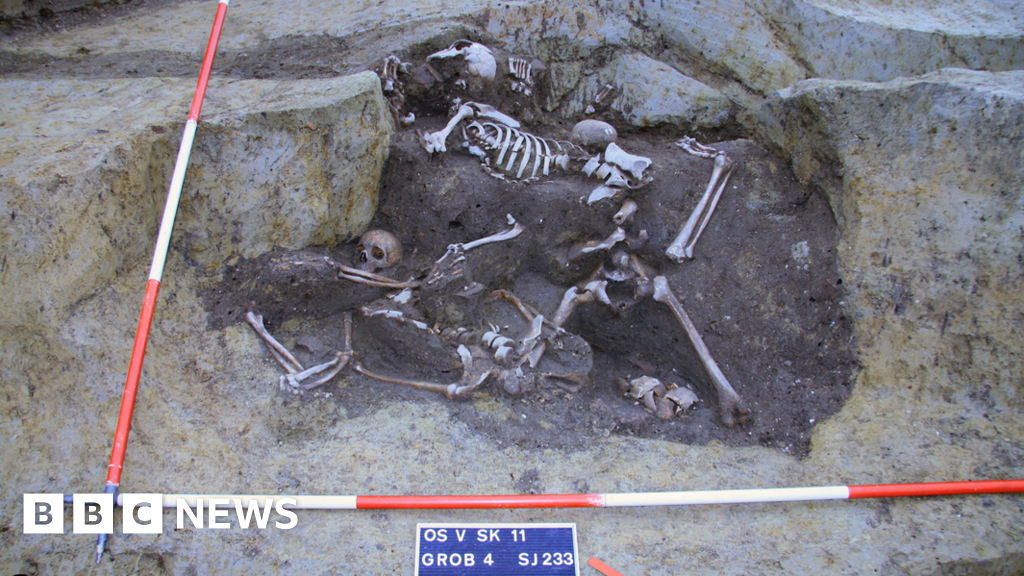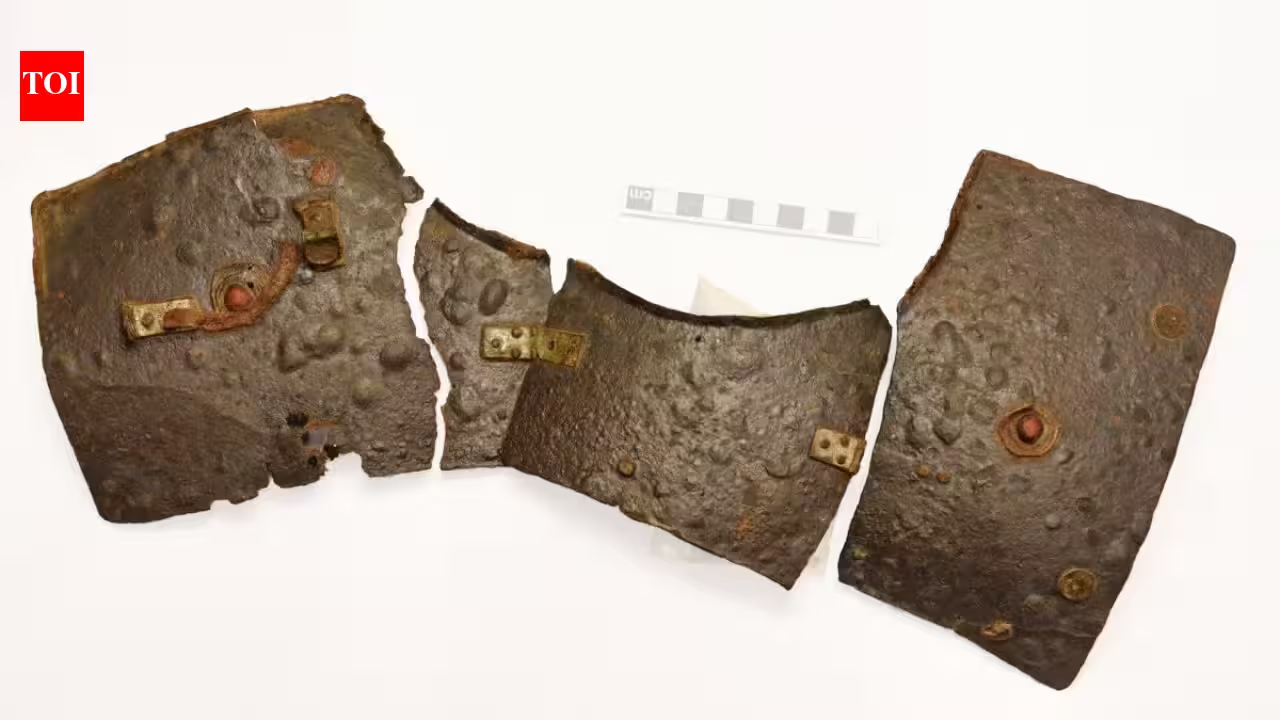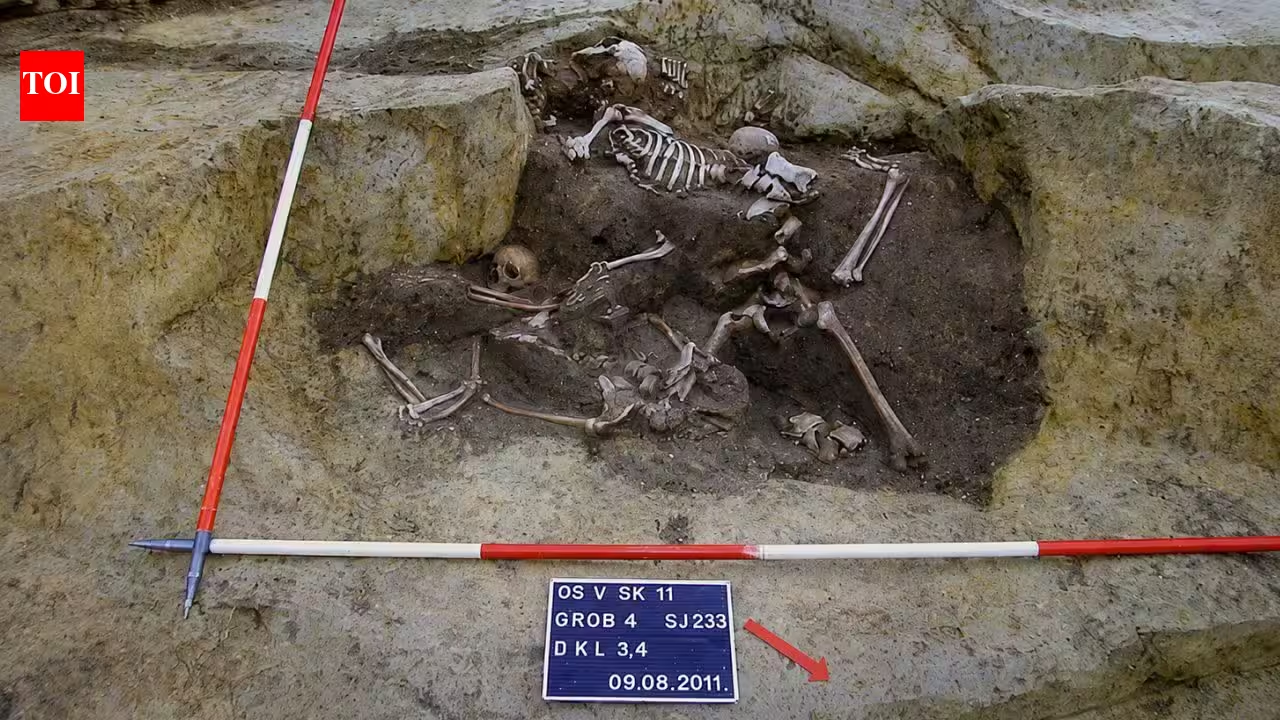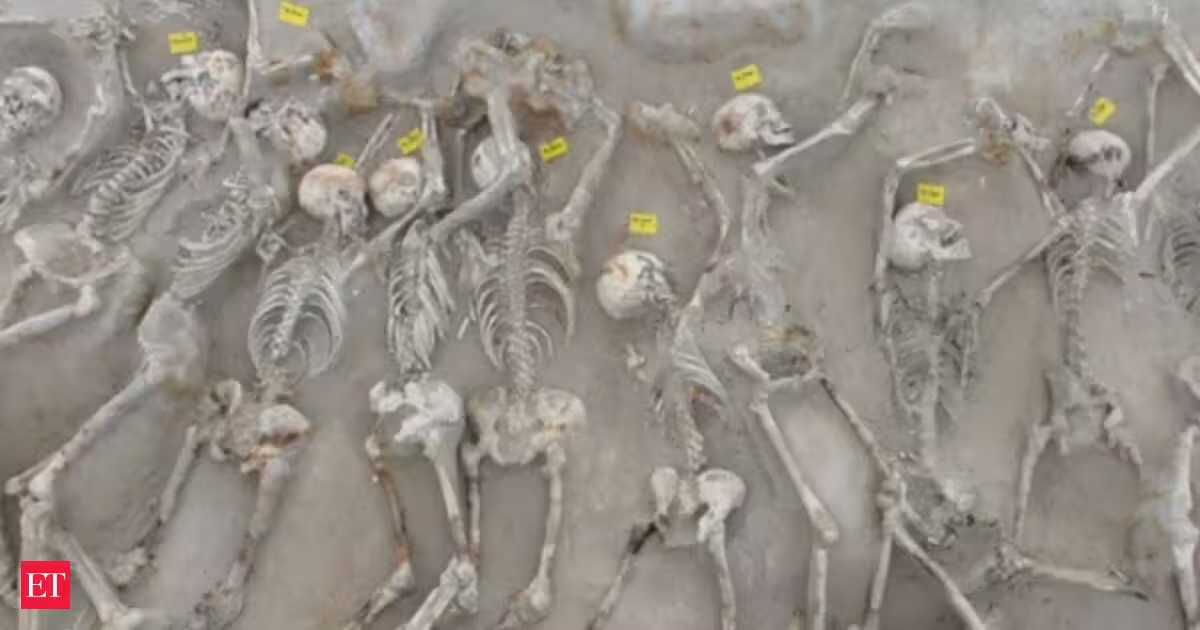
A military camp in Slovakia contains bodies abandoned in wells and ditches after conflict on the empire’s northern frontier.
Pressures were mounting on the Romans along the north-eastern border of their empire, along the rivers Rhine and Danube, in the 160s CE. Germanic tribes had begun invading Roman territory, forcing the hand of Emperor Marcus Aurelius, who launched military expeditions into local territories, including modern-day Slovakia, against the invaders.
The series of conflicts became known as the Marcomannic Wars (166-180 CE).
“The famous blockbuster Gladiator begins with scenes from similar battles. During their military campaigns, the Romans used to build short-term fortifications – camps,” Matej Ruttkay, the director of the Institute of Archaeology at the Slovak Academy of Sciences (SAV), told The Slovak Spectator.
Some sites in Slovakia bear witness to the wars: the famous inscription on a rock beneath the castle in Trenčín describing the situation in the camp Laugaricio at the turn of 179-180, sites in Iža in southern Slovakia, Cífer-Pác near Trnava, or the camp near Želiezovce, where it is believed that Marcus Aurelius wrote part of his famous ‘Meditations’.