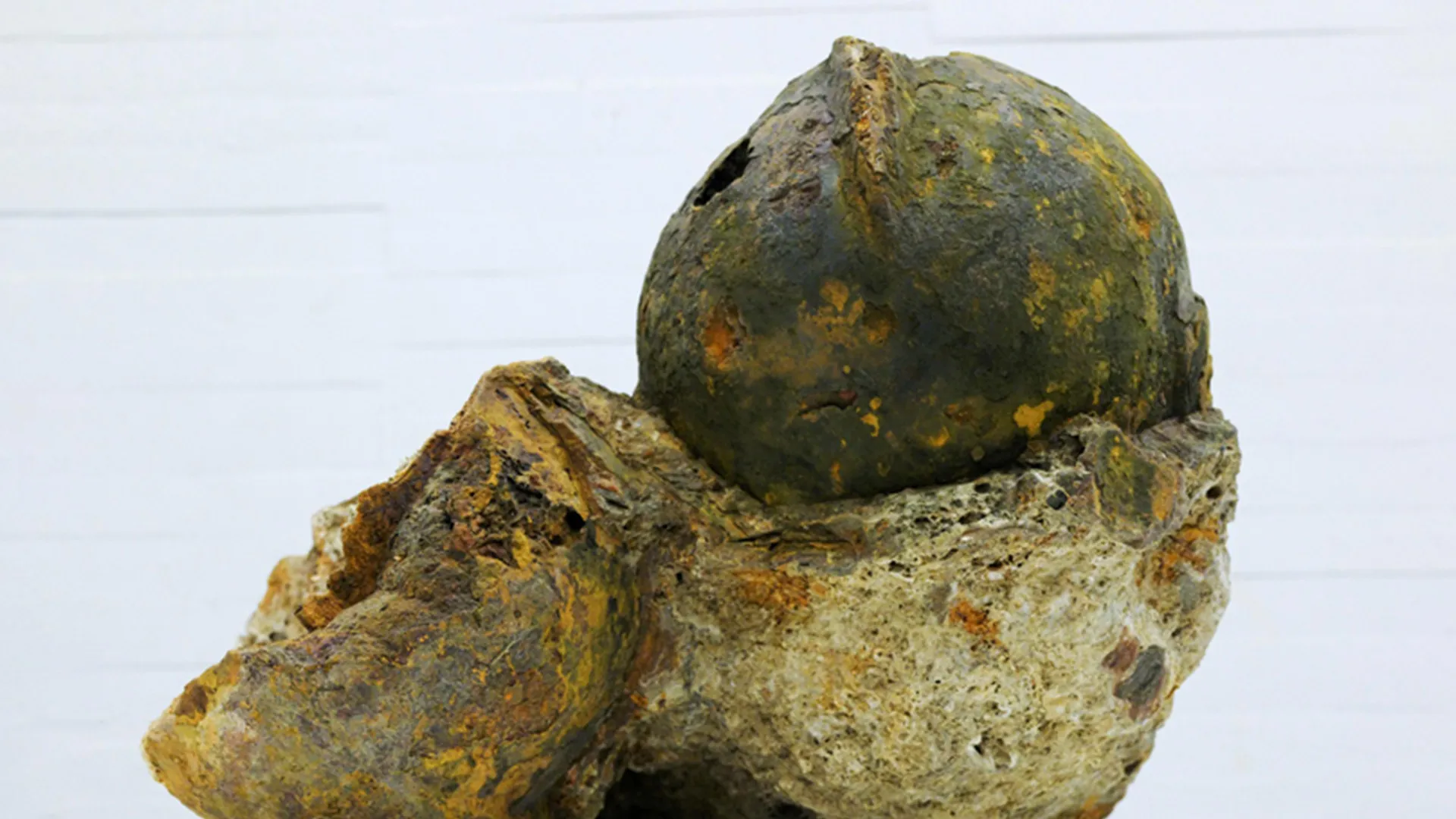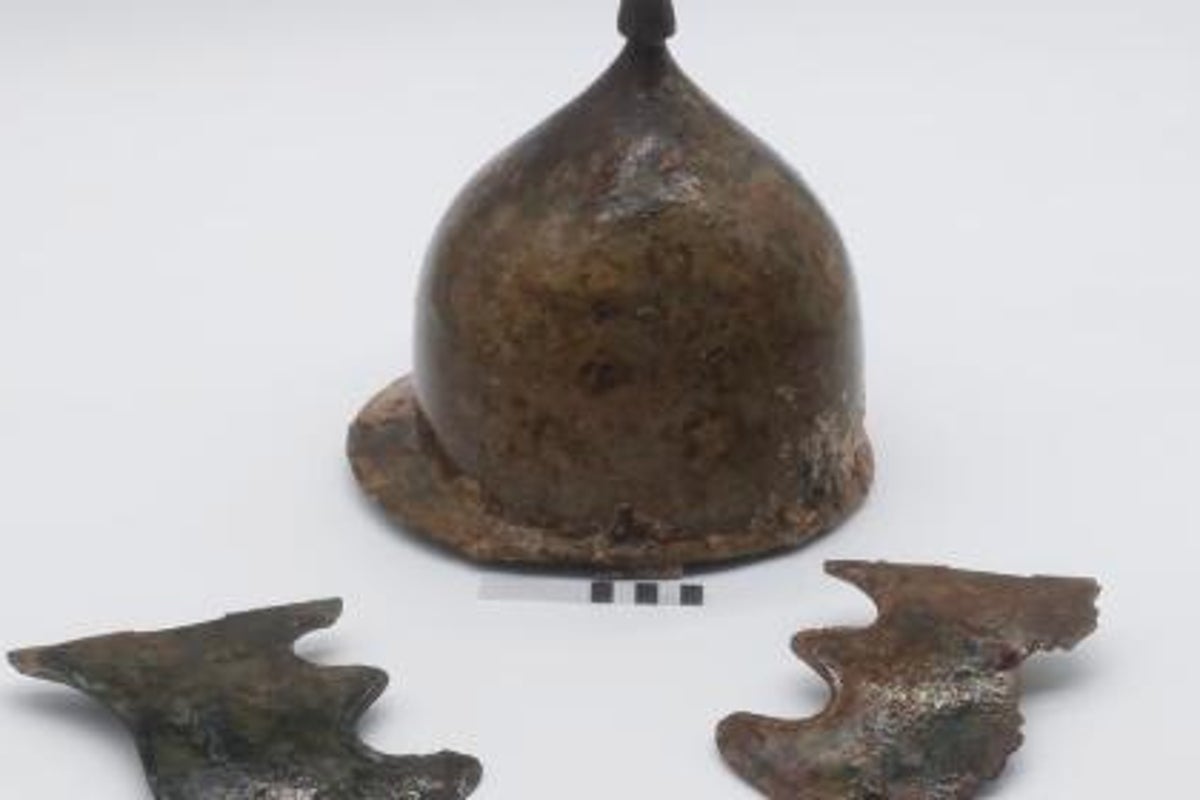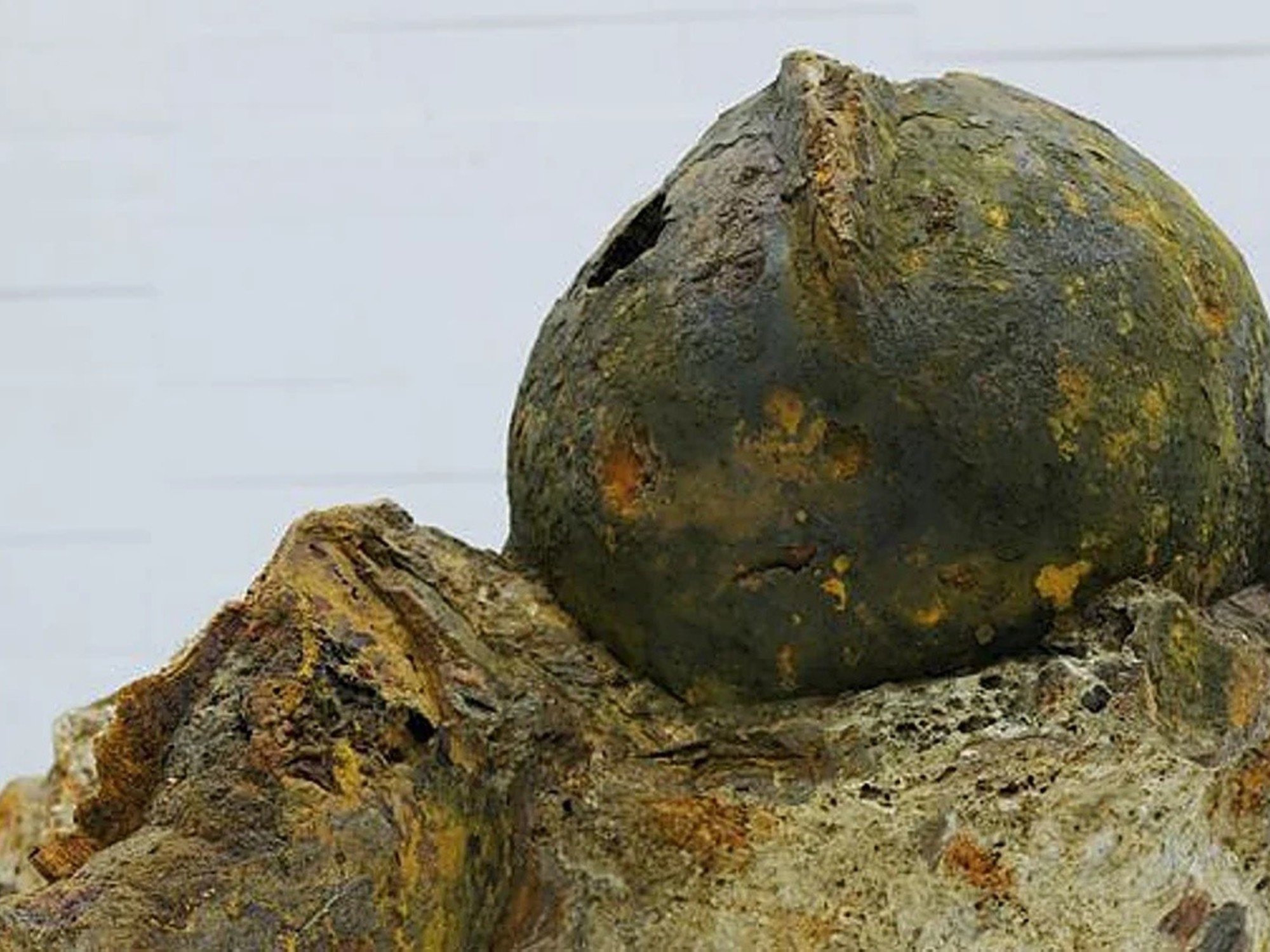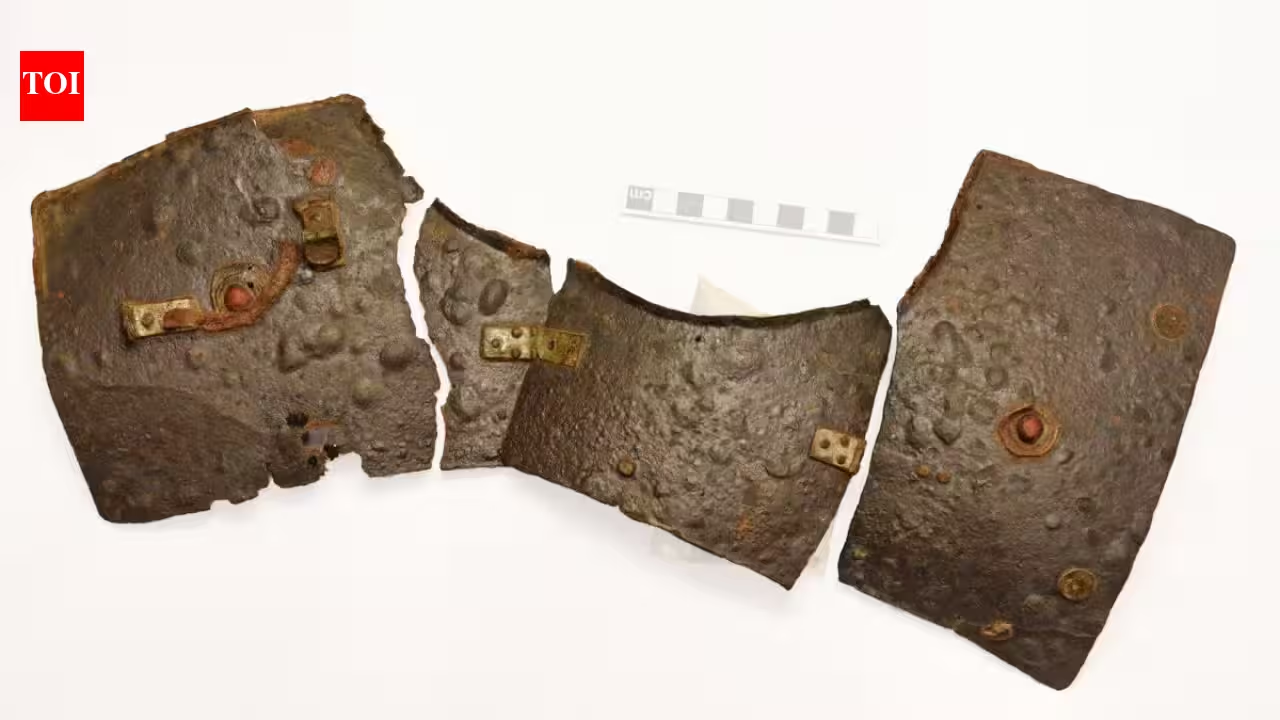
In 1990, Spanish archaeologists recovered 43 helmets from the bottom of the sea. Evidence at the time suggested the helmets were Roman, which was what researchers believed for more than 30 years. That turned out to be a big misinterpretation. When researchers revisited the artifacts with radiocarbon dating, they placed the helmets’ age at between the late 14th and early 15th centuries—much younger than the Roman Empire. The findings, published recently in the journal Antiquity, suggest the helmets were regionally produced during a “period of maritime insecurity along the Valencian coast,” the authors noted in the paper. Assuming that the new dates are correct, the collection represents the “largest hoard of medieval helmets” ever found in the western Mediterranean, the researchers said in a statement. “We are looking at direct evidence of large-scale arms trading,” remarked Raimon Graells, the study’s co-author and an archaeologist at the University of Alicante in Spain, in the statement. “This discovery reveals a network of exchange and communication that was far more complex than previously thought.”
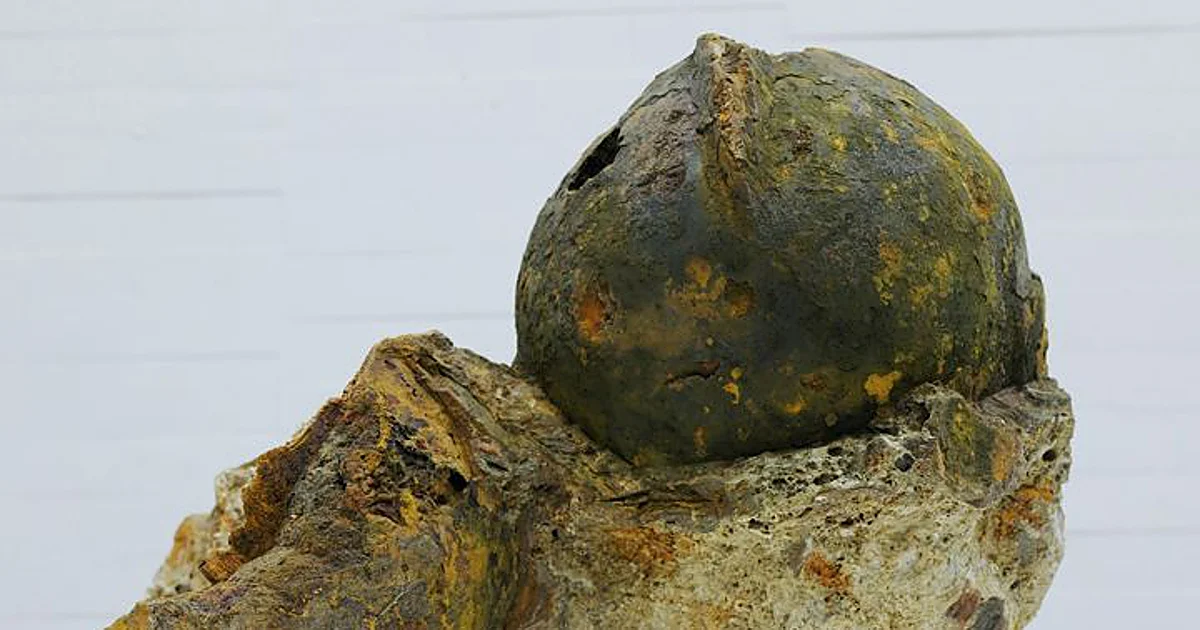
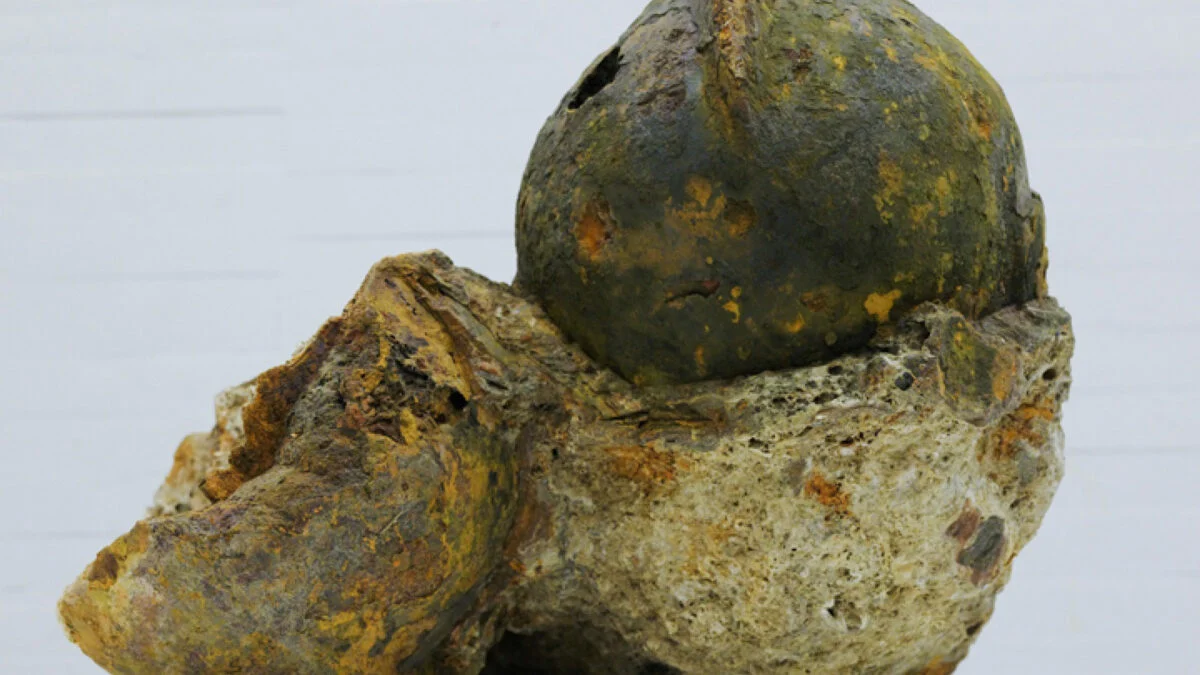
To be fair… Helmet-like artifacts retrieved from Benicarló, Spain. © Frallicciardi et al., 2026 For the initial assessment of the artifacts, researchers relied on comparisons with similar sites to determine the age of artifacts. This was what happened in 1990 with the helmets, which were found roughly 19.6 feet (6 meters) underwater near Benicarló, a municipality in northeastern Spain.