view more
For more than three decades, it was thought to be a relic of the Roman era. New research, however, has shown it to be a key source of evidence for understanding the commercial and military networks of the Late Medieval Mediterranean.
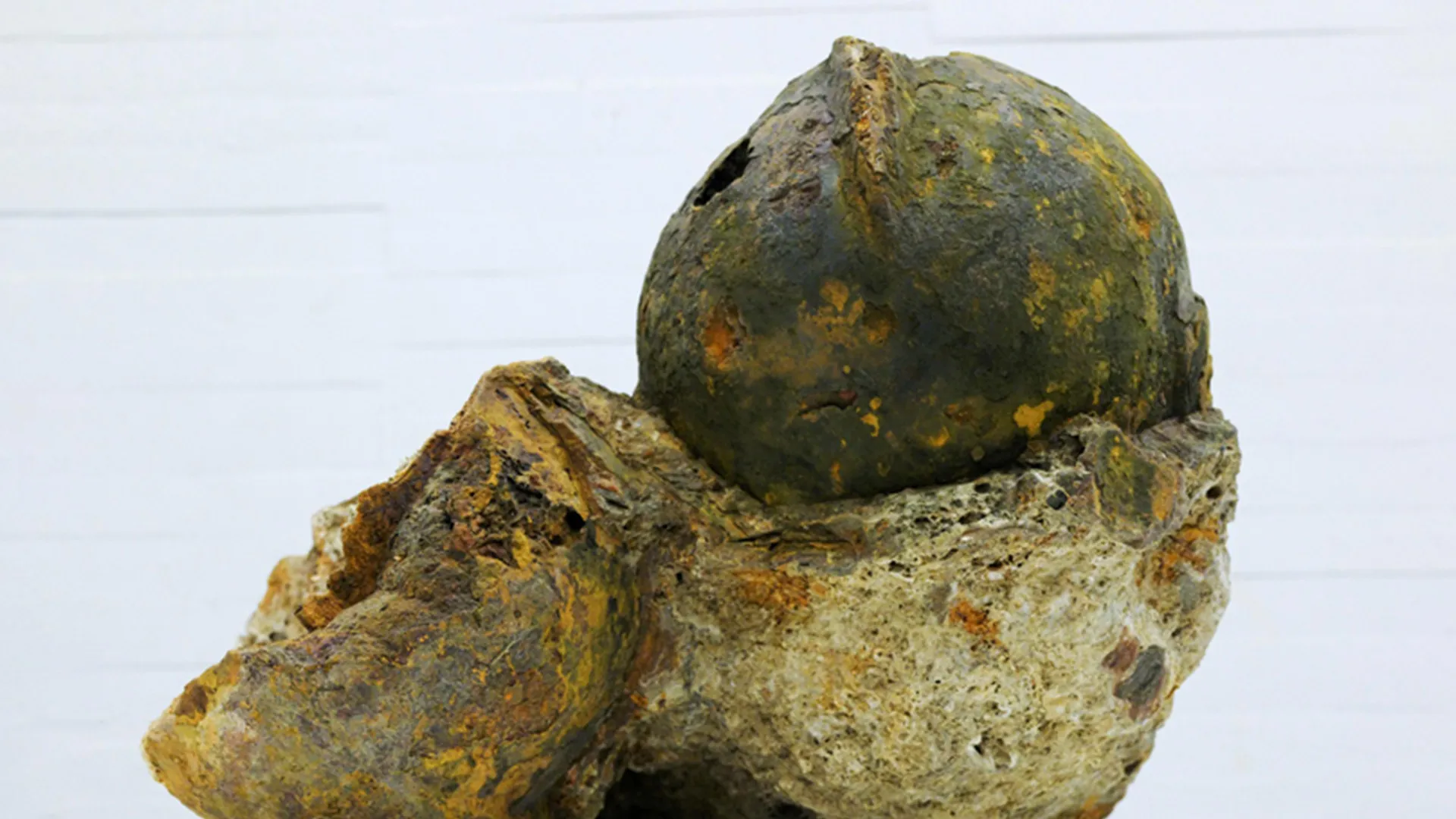
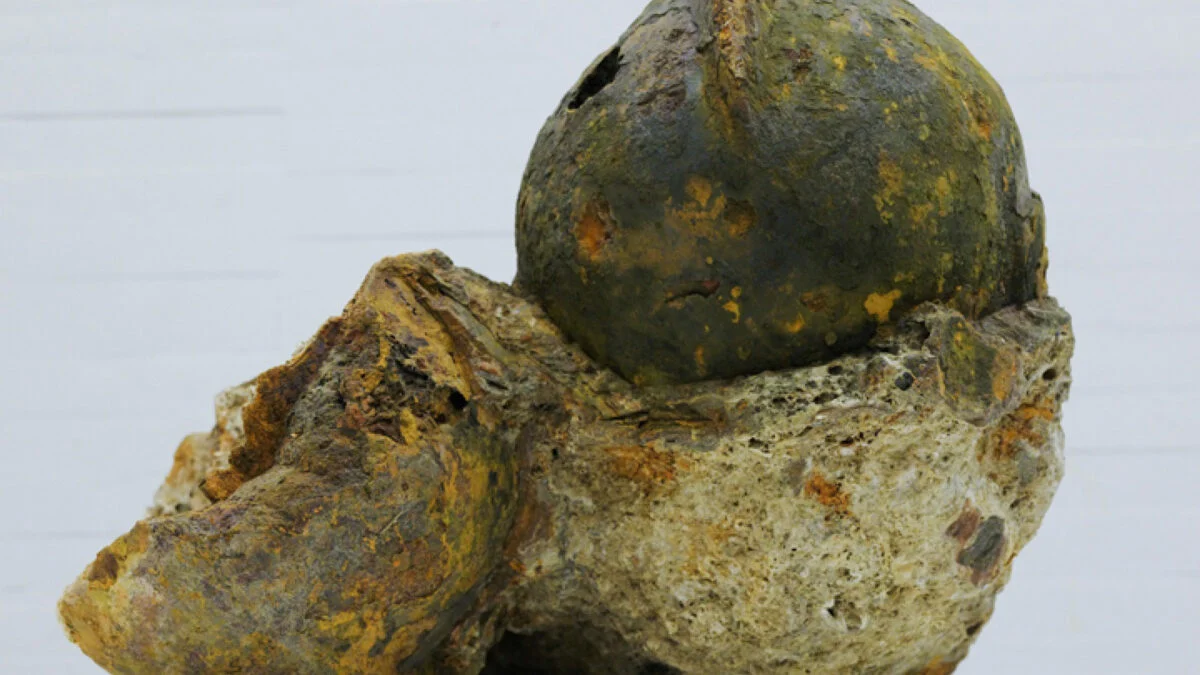
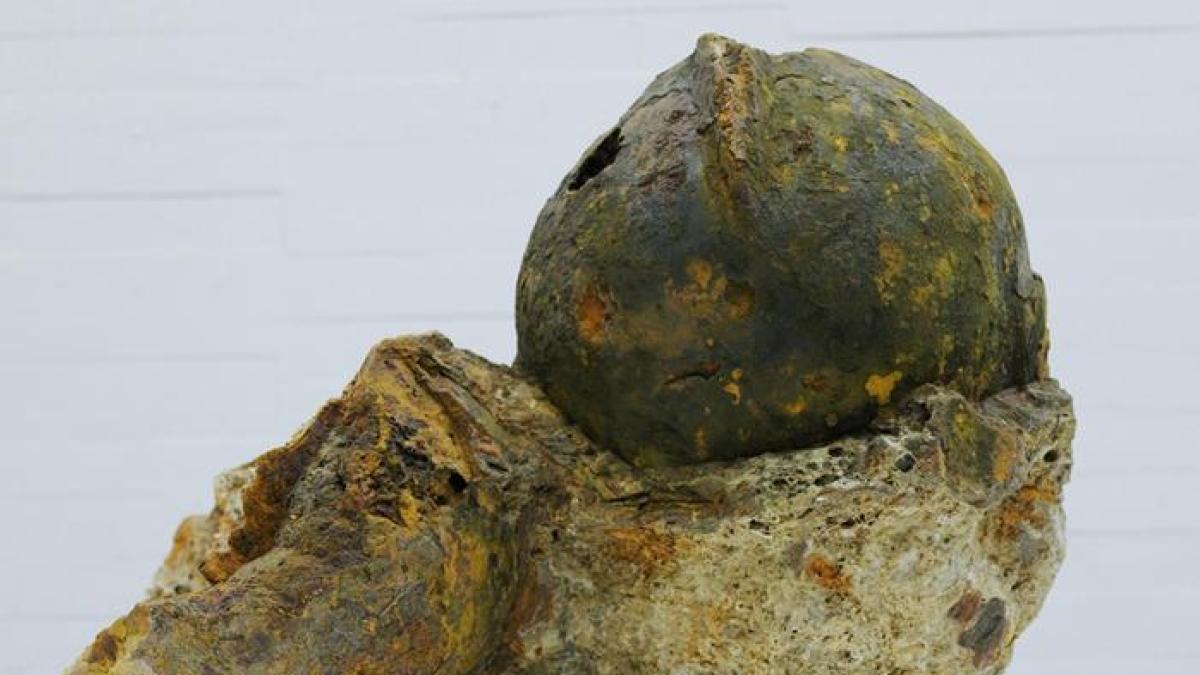
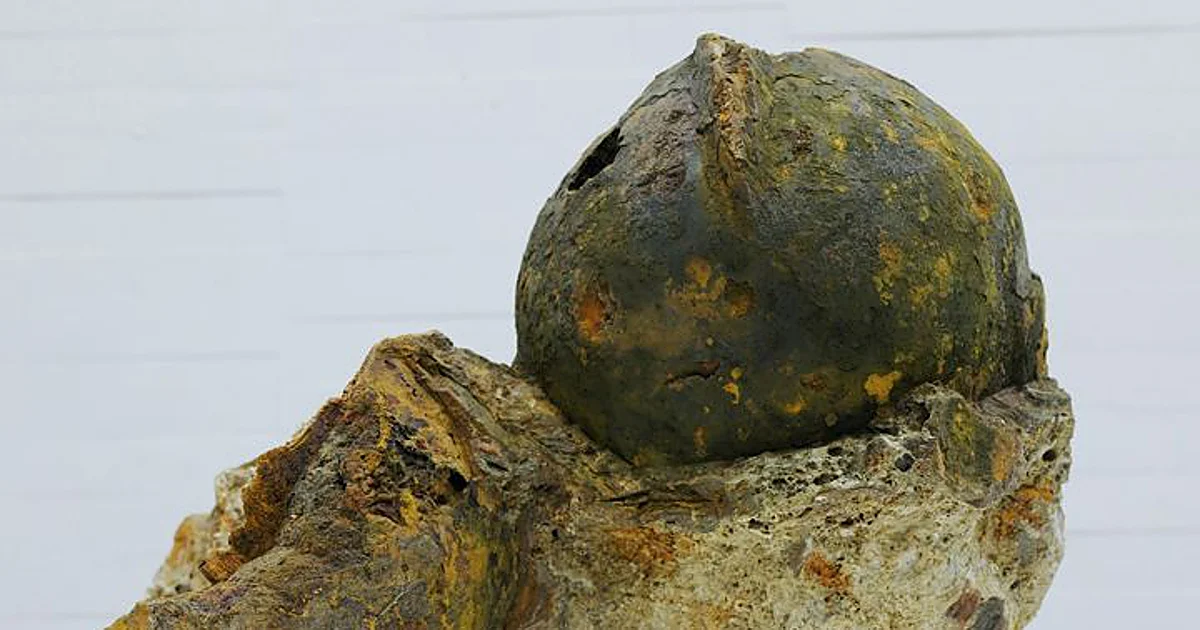
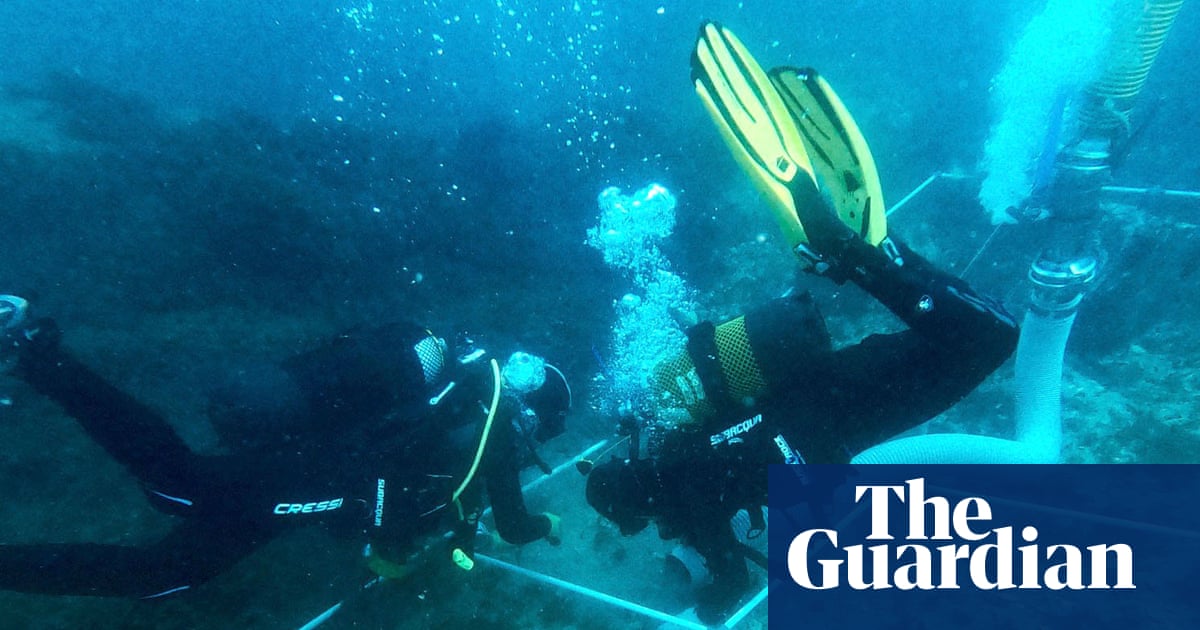
Research led by the University of Alicante (UA) has enabled a reassessment of one of the most remarkable assemblages of weaponry ever discovered in Spanish waters: the 43 helmets unearthed in 1990 at the Piedras de la Barbada underwater archaeological site, off the coast of Benicarló.
Published in the Cambridge University Press journal Antiquity, the study was led by Manuel Frallicciardi, a doctoral student under joint supervision between the University of Alicante and the University of Salerno. The scientific results place the manufacture of the weaponry between the late 14th and early 15th centuries, completely dismantling the Roman attribution that had stuck to the find since its recovery.
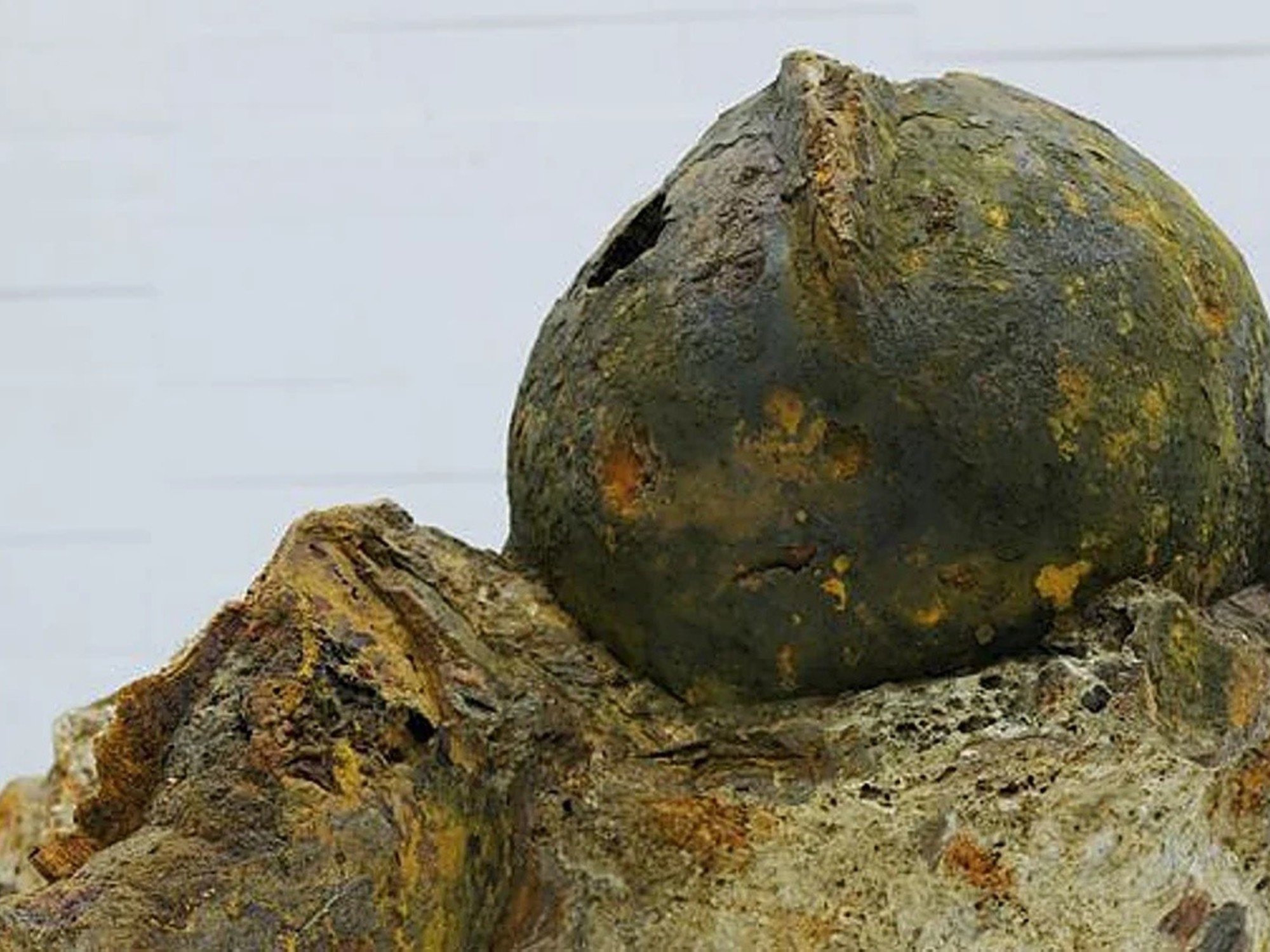
The helmets were originally discovered by chance when local fishermen accidentally snagged two large metallic blocks, compacted by marine corrosion, in their nets. Inside lay an exceptional haul of iron headpieces. While this concentration of 43 items represents what remains of a potentially much larger shipment, the quantity makes it the largest hoard of medieval helmets discovered to date in the western Mediterranean.