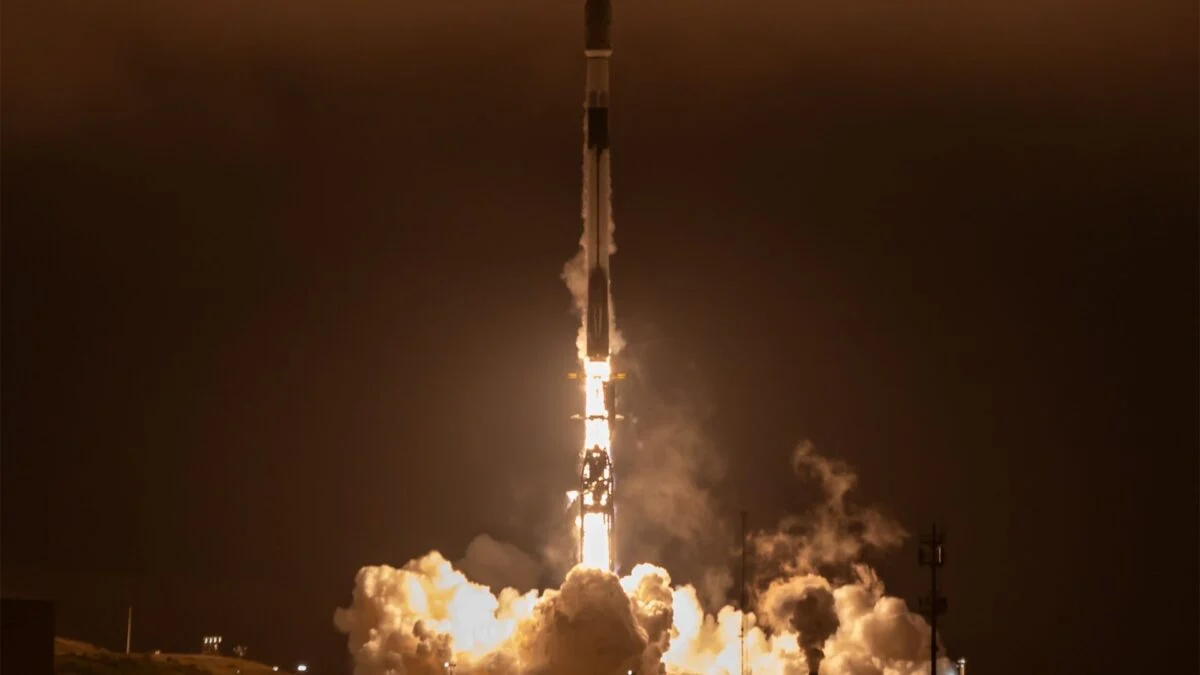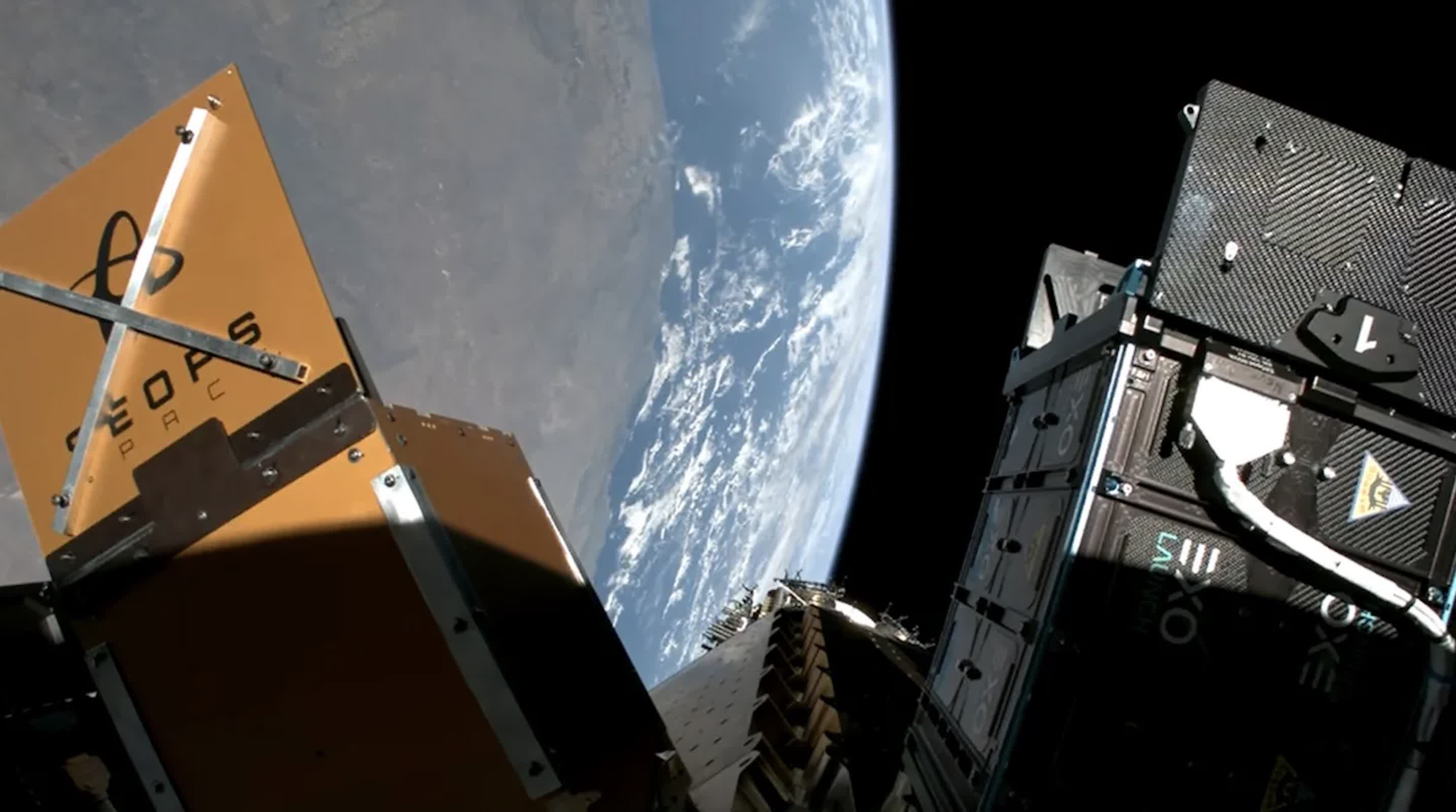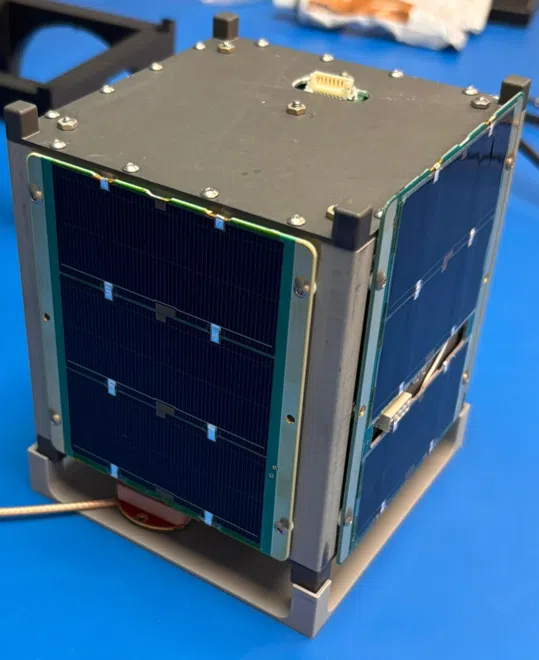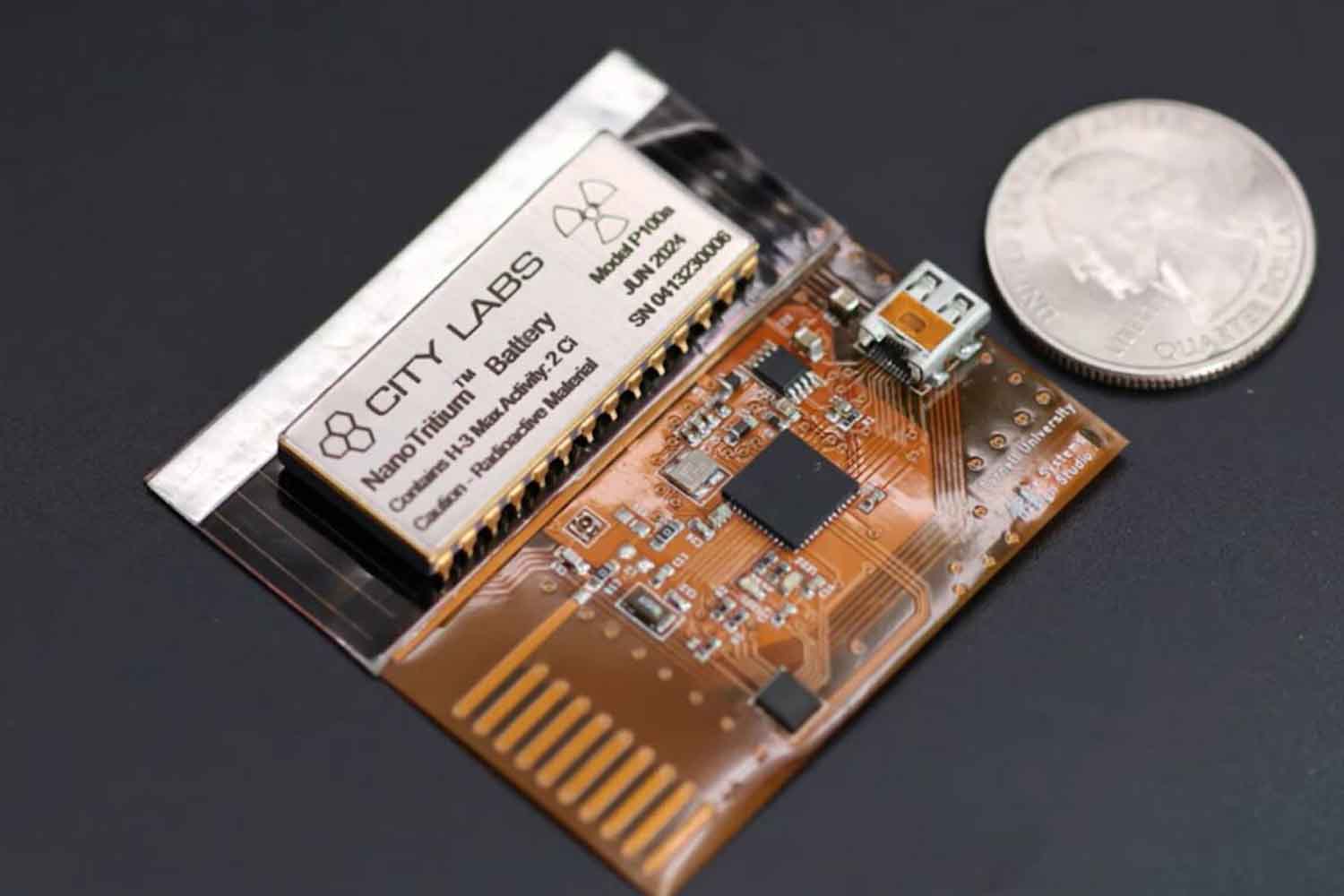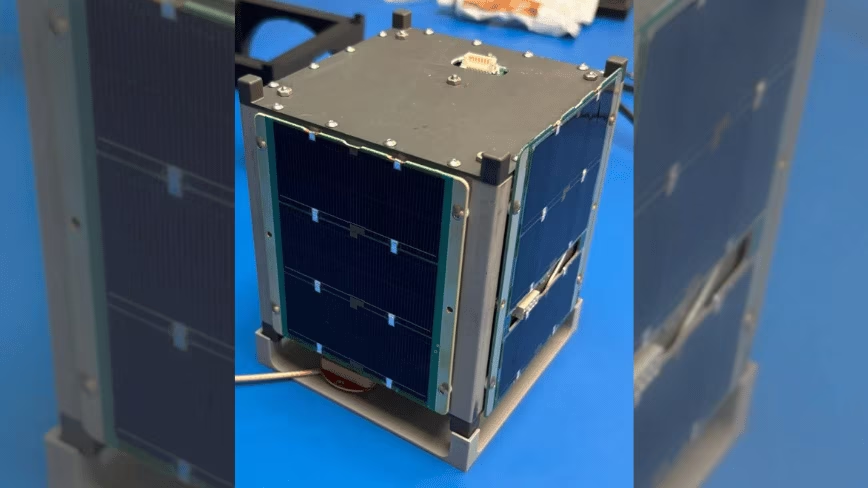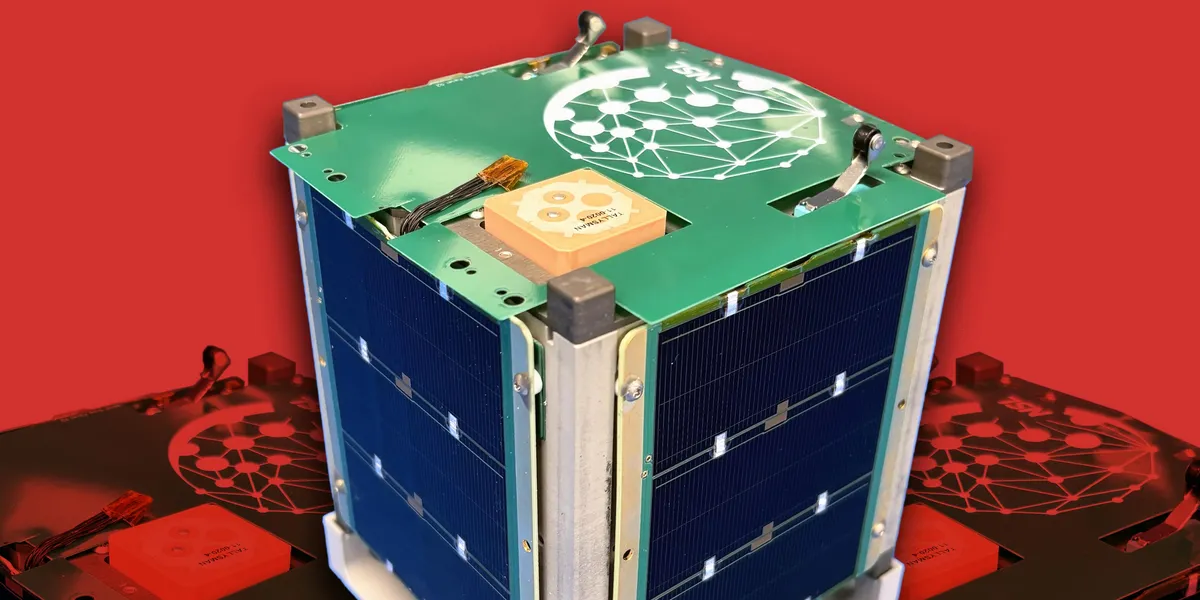
A new kind of nuclear-based power production, now being tested in space for the first time, could pave the way for long-term electricity generation on the moon’s surface—and therefore, human habitation. These nuclear “batteries” could survive the long, bitterly cold lunar nights with ease.On July 7, a 1U CubeSat, just 10 centimeters (about 4 inches) on a side, was rocketed into space aboard SpaceX’s Transporter 17 mission. The satellite, named BOHR, for Betavoltaic Orbital High-Reliability, was developed by Florida-based City Labs, a company pioneering novel nuclear batteries based on the radioactive hydrogen isotope tritium.While the main satellite bus draws electricity from solar panels on the sides of the CubeSat, 48 tritium batteries placed on four electronic boards stacked inside the cube are now powering a payload of sensors monitoring the satellite’s health.Unlike the most commonly occurring hydrogen isotope, protium, which has no neutrons, tritium has two neutrons in its core, besides the one proton. As the unstable tritium nucleus decays, it emits an energetic electron, a form of beta radiation. In a battery, these beta particles hit a semiconductor sandwich, which is similar to a solar panel. Two silicon layers absorb the particles, creating an electric field as they do so. “It’s just like a solar cell but made to work specifically with beta radiation,” rather than photons, says Peter Cabauy, City Labs’ CEO.Tritium-based batteries are a relative novelty that offer some advantages in comparison to older nuclear battery technologies. For example, unlike plutonium, which has been used in nuclear batteries deployed in Mars rovers and deep space probes, tritium is considered a relatively low-risk radioisotope. The beta radiation it produces is less ionizing than the heavy alpha rays generated during the decay of plutonium, although tritium’s beta radiation travels farther in air (meters instead of centimeters). Moreover, tritium is easier to produce than plutonium, which has to be created in a costly and complex technological process that involves the irradiation of uranium in a nuclear reactor.Working Where the Sun Doesn’t Shine For space applications, the tritium-based batteries offer similar benefits to plutonium power generation, but on a smaller scale. They provide energy where the sun’s rays don’t reach and, unlike most chemical batteries, would work reliably even at extreme temperatures.“The betavoltaic batteries can handle temperatures from minus 200 °C to 150 °C, even [up] to 200 °C,” said Cabauy. “They’ve been tested under liquid nitrogen. They perform better at those cold temperatures.”The 48 betavoltaic cells inside the BOHR CubeSat provide 5 microwatts of power combined. That’s a tiny fraction of the tens or even hundreds of watts produced by plutonium-based batteries. Hence, Cabauy says, the technology is not meant to replace or compete with plutonium. Instead, it could bring the advantage of nuclear power generation to a range of lower-cost devices that could not previously benefit from it.“Betavoltaics are really great for creating low electrical power consistently for decades,” Cabauy says. “We can achieve milliwatts of power. But we can’t compete with the plutonium devices that generate tens of watts.” Inside the CubeSat are 48 tiny tritium nuclear batteries, each of which provides around 100 nanowatts (0.1 microwatts) of power. City LabsInstead, thousands of betavoltaic batteries could be distributed on the moon’s surface, producing consistent power for a vast network of lunar sensors, underpinning the permanent lunar infrastructure that would be needed for human habitation. Such devices would survive not just a single lunar night, which can last two Earth weeks, but perform flawlessly, even inside a permanently shadowed lunar crater, for many years. “Tritium has a half-life of 12.3 years,” Cabauy notes. “The betavoltaic batteries can last for decades.”The BOHR mission, orbiting Earth at an altitude of 590 kilometers, is expected to last up to 10 years. And although City Labs’ immediate goal is to test tritium-based power generation, the company says that betavoltaics could in the future also generate heat, keeping future lunar rovers warm. Currently, plutonium-based radio-isotope heaters provide the warmth necessary to keep rovers working on Mars.“Right now, to keep a lander alive through the lunar night, it is going to need 50 to 100 kilograms of chemical batteries storing electrical energy from solar panels,” Cabauy says. “That can be done with half a kilogram of tritium metal hydride.”James Blanchard, professor emeritus in nuclear engineering and engineering physics at the University of Wisconsin-Madison, says that the known problems with plutonium supply mean “it would benefit everyone if there were a viable approach using a different fuel.”“There are no guarantees that tritium availability will hold up, especially if this technology becomes popular and/or the private efforts in nuclear fusion take off, but the diversity is still a big win,” he says. “I wouldn’t expect there to be any lifetime or reliability issues with these devices.” Should nuclear fusion ever become a viable energy source, tritium could become much more sought-after than it is today, Blanchard notes. City Labs has been developing tritium-based batteries since 2005. The company produces long-duration batteries for defense and security customers. They are also working on batteries for pacemakers that wouldn’t need to be replaced every five to 10 years, unlike the currently used lithium-iodine batteries.
Could Tritium Batteries Be the Key to Surviving the Long Lunar Night?
Testing aboard an orbiting CubeSat is a first for the technology
854 words~4 min read