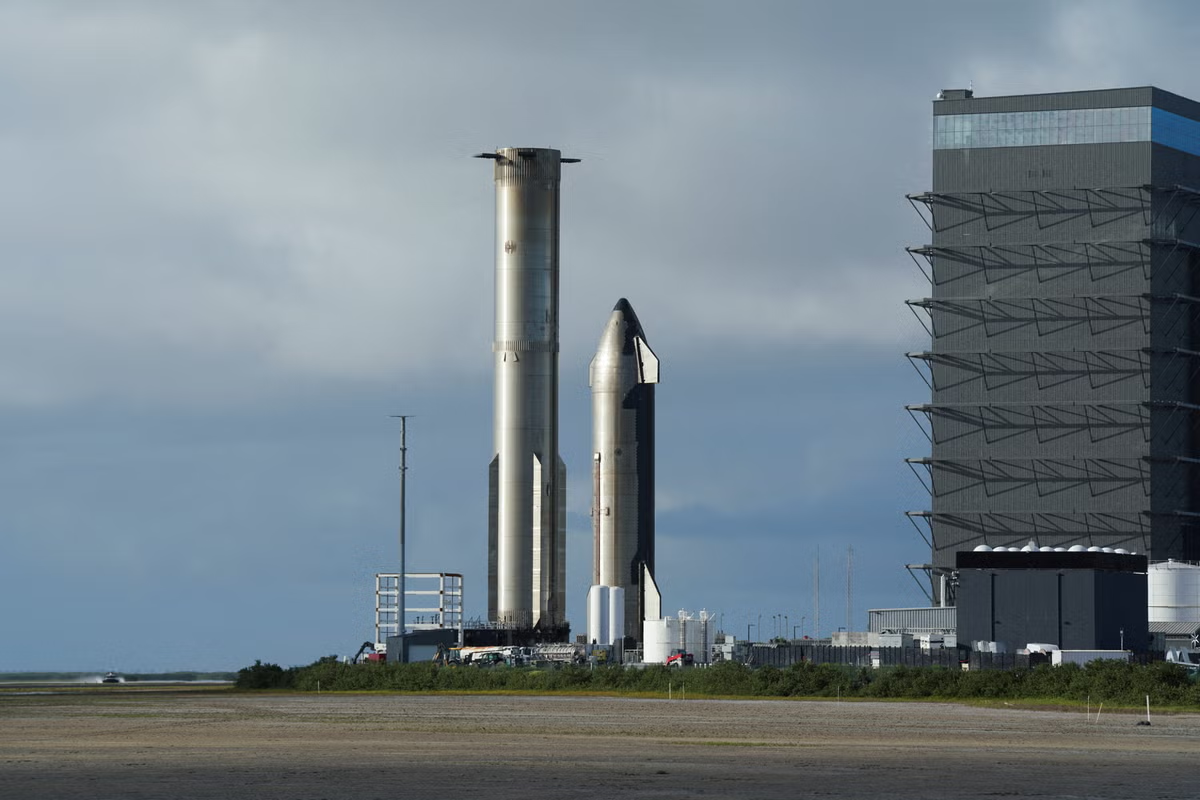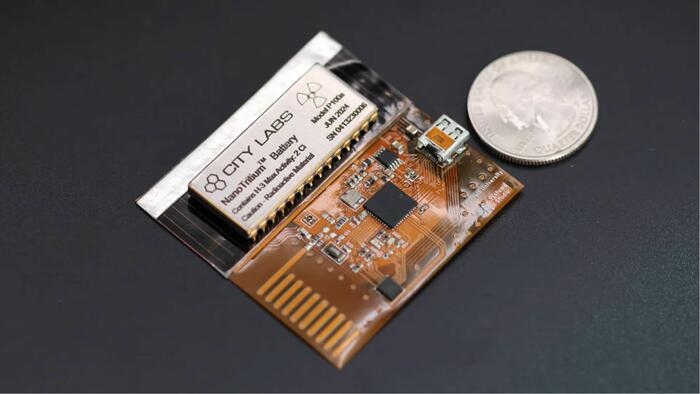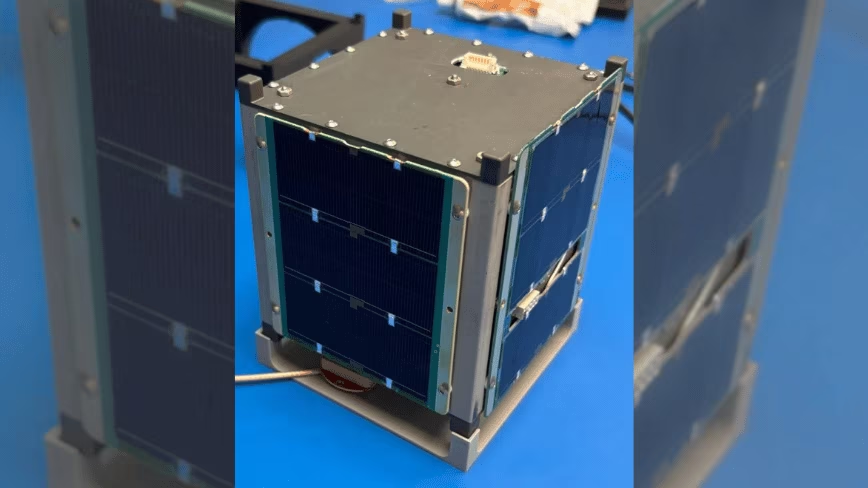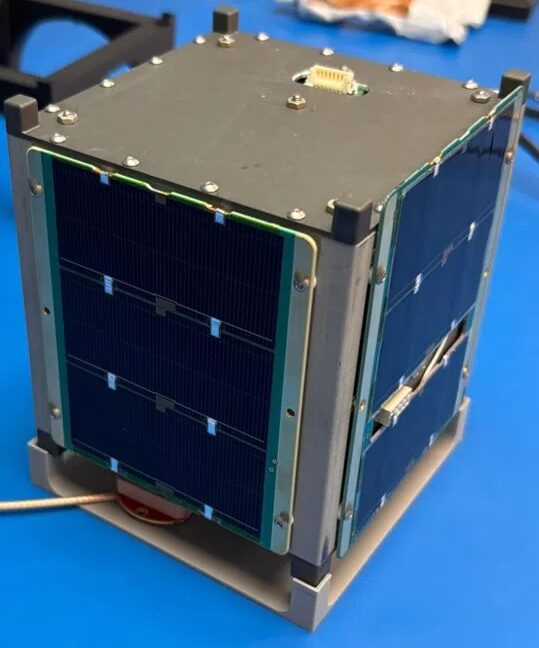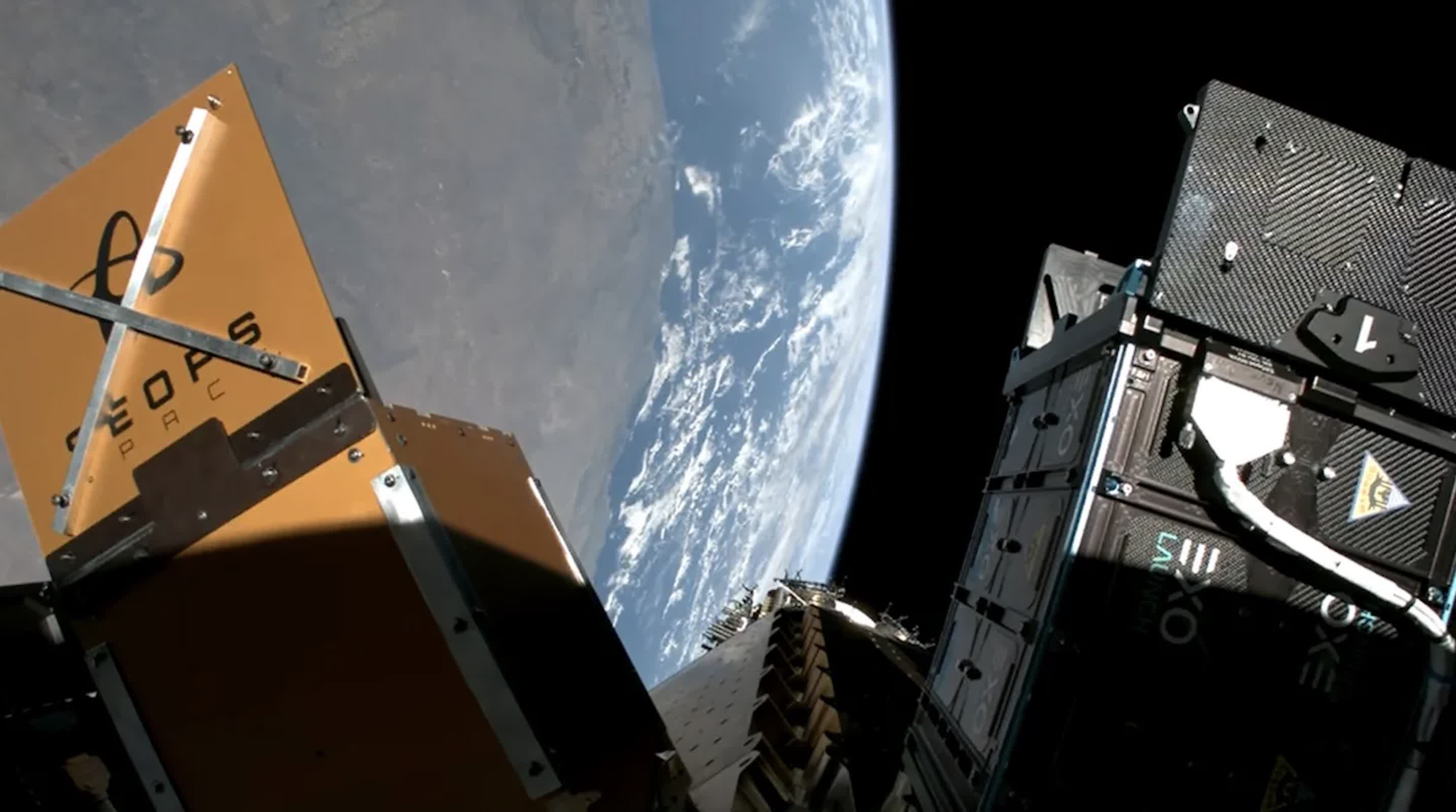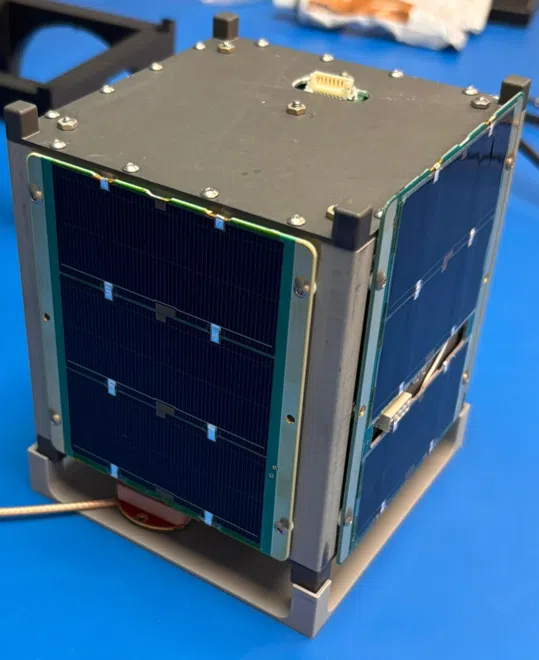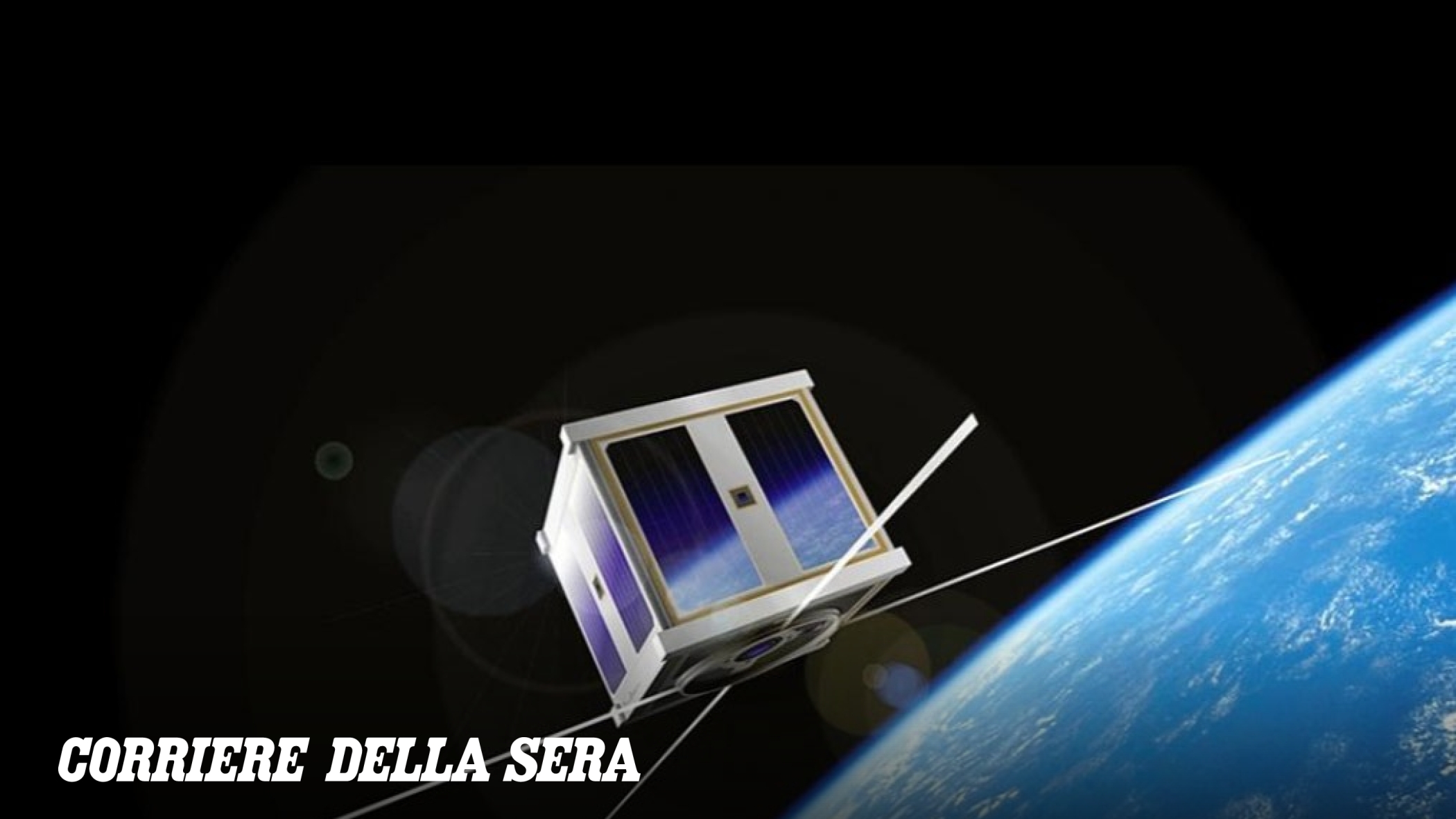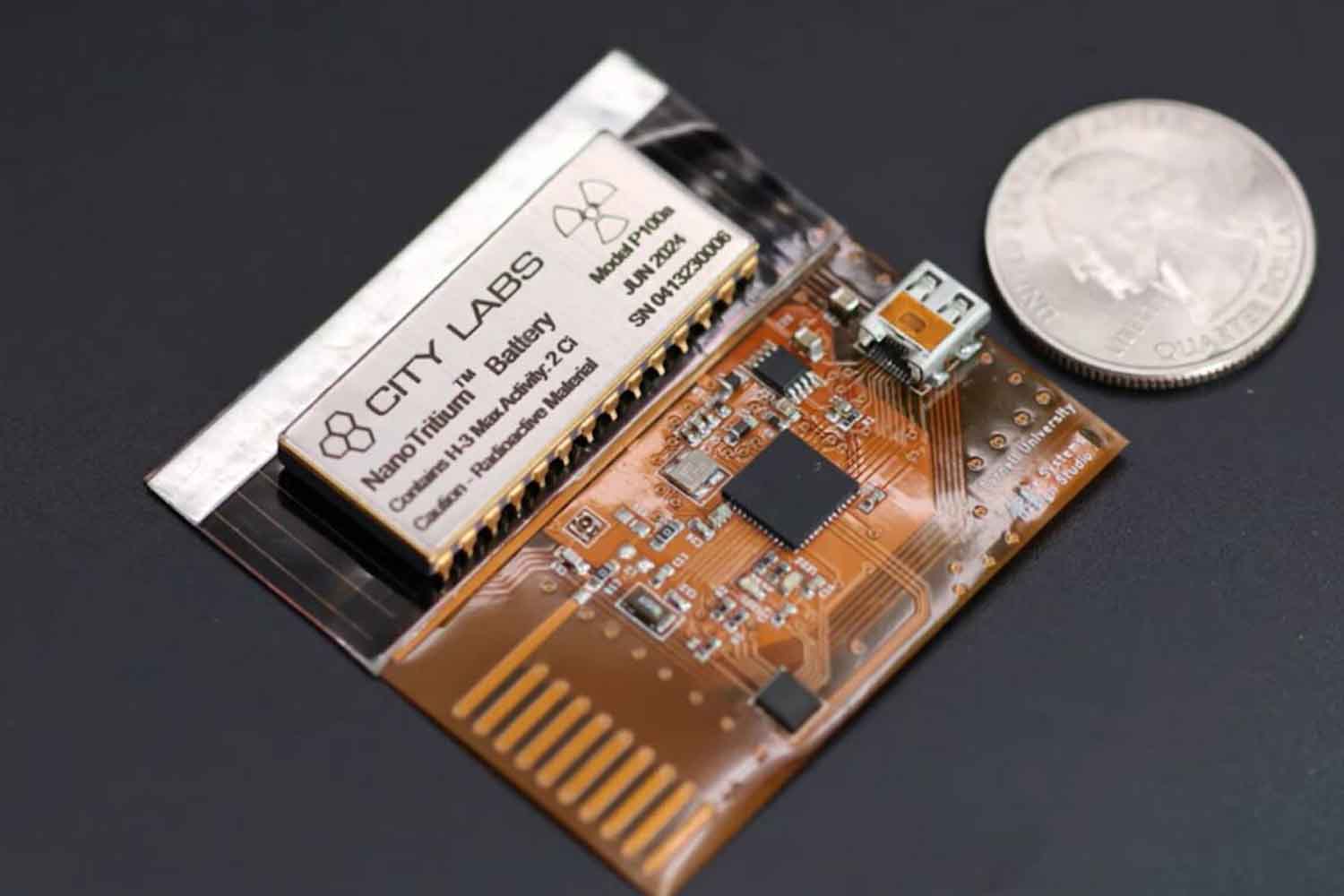
The satellite industry has a power problem. The vast majority rely on solar arrays and batteries to keep running, but these systems come with limitations—sunlight isn’t always available, and traditional batteries degrade quickly. One company’s solution is to equip satellites with tiny nuclear power sources, and they just sent a prototype to orbit. SpaceX’s Transporter-17 rideshare mission launched 81 satellites early this morning. Among them was the Betavoltaic Orbital High-Reliability (BOHR) satellite, created by Florida-based company City Labs. This little cubesat is the first commercial nuclear satellite ever launched, designed to test the company’s proprietary “NanoTritium” betavoltaic technology in orbit. “This is a historic step for commercial nuclear power in space,” Peter Cabauy, CEO of City Labs, said in a statement. “BOHR demonstrates that safe, compact, and regulatory-approved nuclear power systems are ready for routine commercial deployment. This capability enables persistent, always-on payload operations that are not constrained by sunlight or battery life.”
Commercial spaceflight enters its nuclear era Tritium, also known as hydrogen-3, is a radioactive isotope of hydrogen. As it decays, it emits beta particles that can be harnessed directly into electrical power using a semiconductor. This is the basis of City Labs’ betavoltaic technology.