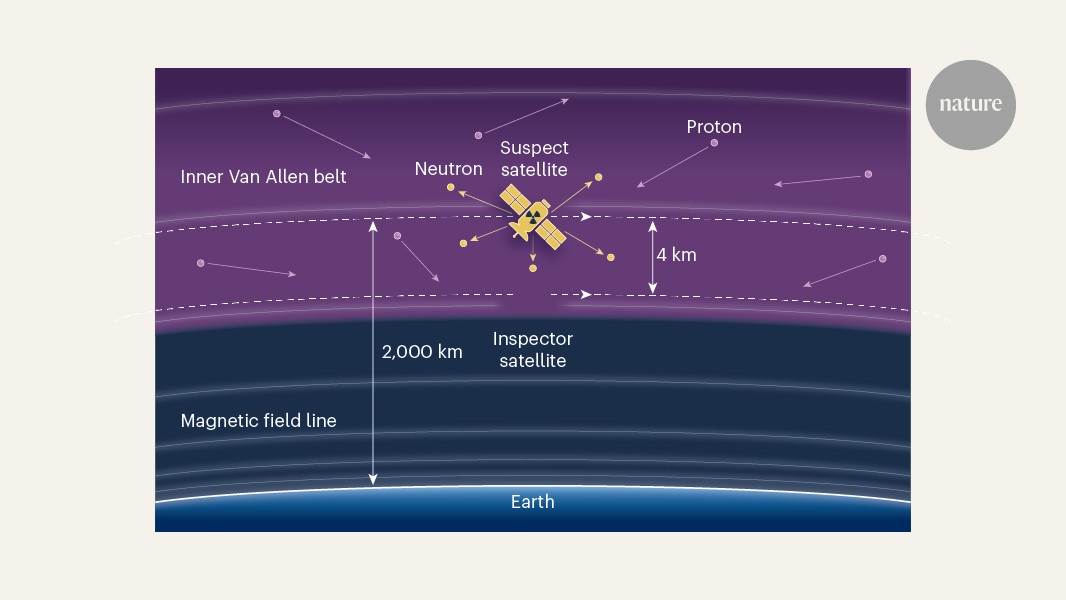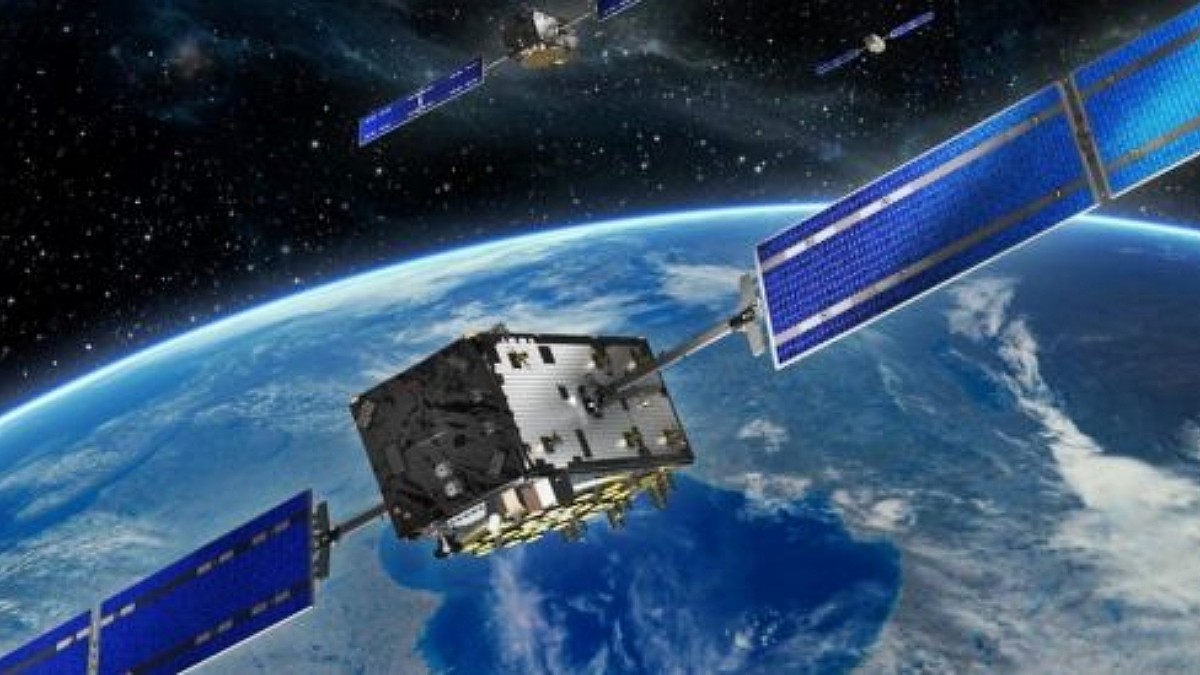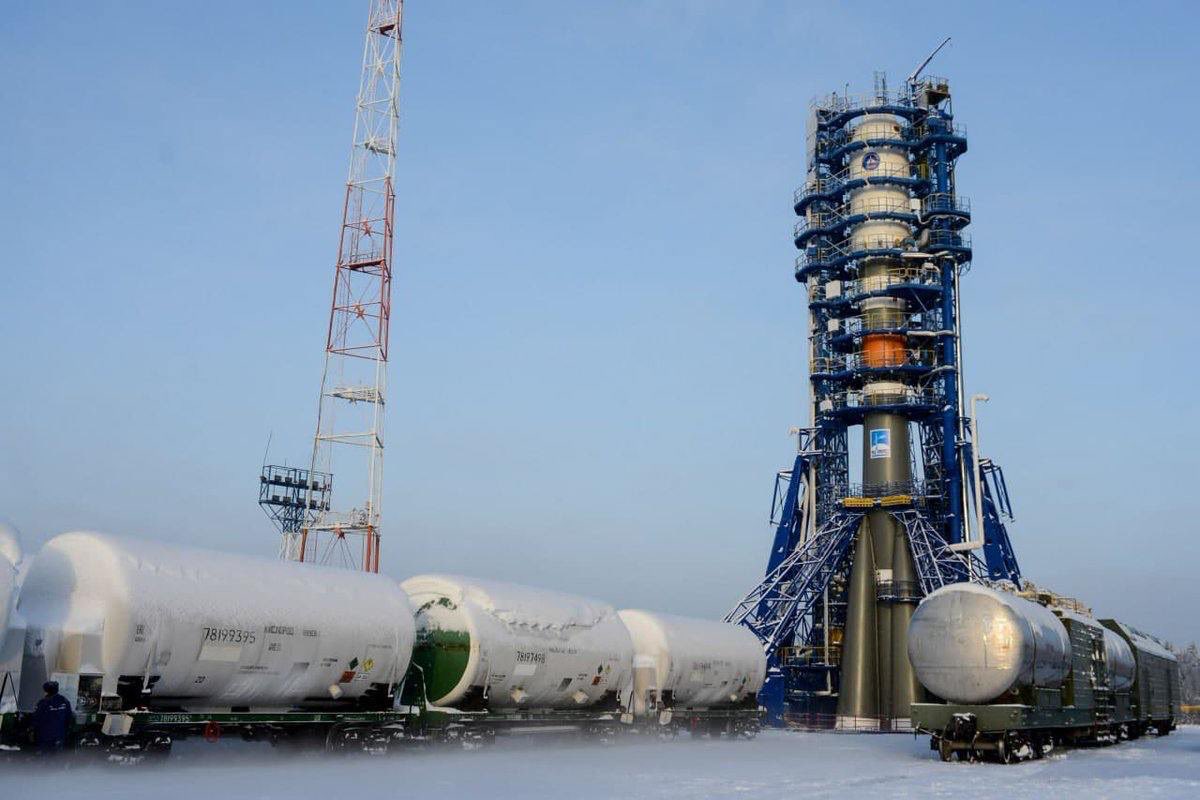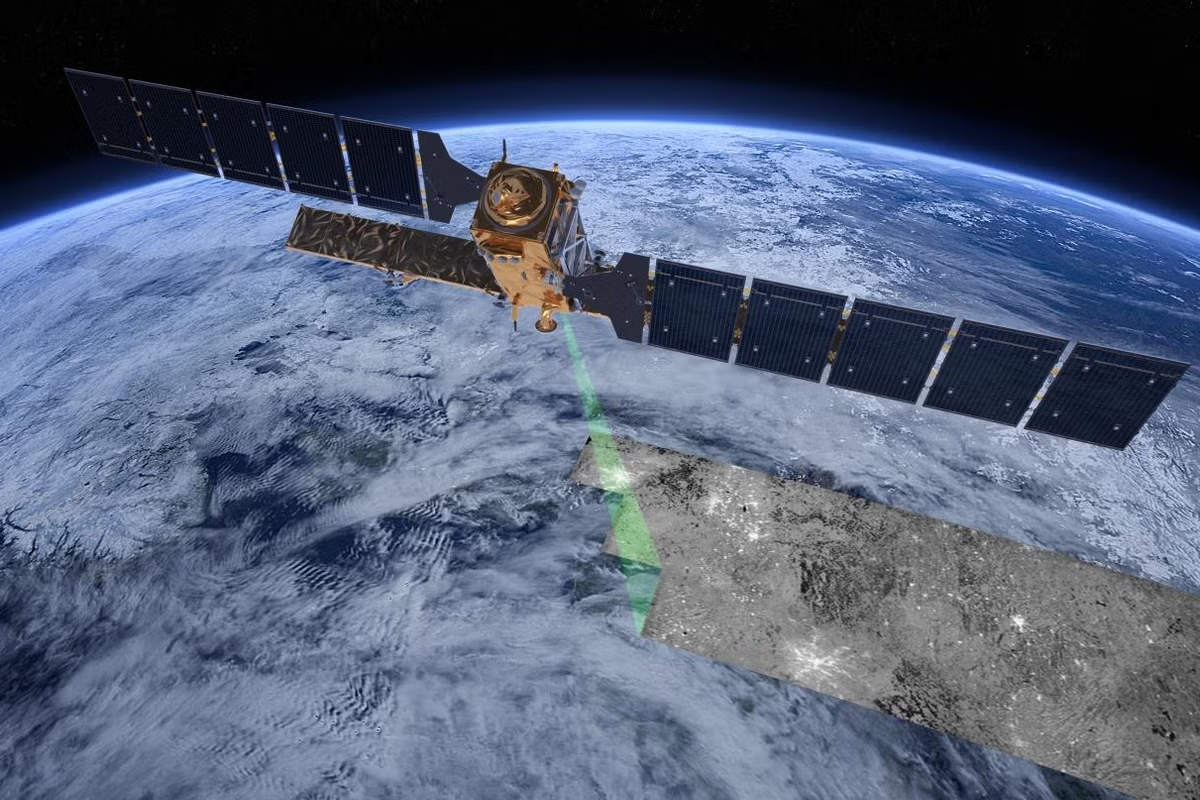
An MIT scientist has proposed a method to find out if a satellite orbiting the Earth contains a nuclear weapon, making it the only publicly known way to detect weapons of mass destruction on spacecraft.The 1967 Outer Space Treaty bans the placement of nuclear weapons in space but there’s currently no way to verify whether a satellite is carrying nukes. Scientists say there’s no unclassified, peer-reviewed research on the topic either.Now, a researcher at the Massachusetts Institute of Technology has proposed a sensor system that could orbit close to a satellite and detect neutrons generated by high-energy protons colliding with radioactive material, confirming whether it’s carrying nukes.The sensor system, about the size of a large encyclopaedia, can detect a nuclear weapon with 99 per cent accuracy if it orbits within 4,000m of the suspect satellite for about a week, says the researcher Areg Danagoulian.Taking the sensor system to within 1,000m of the suspect satellite or using multiple small sensors can reduce the detection time to a few hours, he claims.Satellites such as Sentinel-1 and ALOS-2 carry advanced synthetic aperture radars (ESA)The sensor works on the basis that when an energetic proton slams into elements with high atomic numbers, like uranium and plutonium, it knocks out scores of neutrons.“That is a ridiculously large number. We are talking about millions of protons per second per square centimetre, with many of them generating 40 neutrons,” Dr Danagoulian says in a study published in Nature. “The question is, can you detect some of those neutrons?” He envisions using a pair of panels made up of pixels of neutron sensors, known as scintillators, that interact with radiation and emit light. These panels are sandwiched between diamond detectors that allow the sensor to distinguish between neutrons coming from radioactive materials and natural protons and electrons.“I very much hope this will turn into a real system, or proof-of-concept system, but the goal right now is to get national labs to use this work for their own research and to get policymakers to seriously consider this technology as a potential part of national technical means,” Dr Danagoulian noted.The problem of nuclear explosions in space is not new to humankind. In 1962, the US detonated a 1.4-megaton thermonuclear warhead in space, destroying many of the early satellites of the era.“When you’ve a nuclear detonation in outer space, basically the whole body of the bomb becomes ionised, and nearly every single electron in the weapon’s mass becomes free,” Dr Danagoulian said.“It gets injected into what’s called the inner Van Allen radiation belt. Once there, the electrons start hitting everything flying through those belts, causing ionisation, radiation damage, and more.”Artist's impression of a cubesat (UNSW)The Outer Space Treaty, ratified by 118 countries, including the US, China, and Russia, declares space the “province of all mankind” and bans nuclear weapons in it. But monitoring compliance with the treaty took on increased urgency after Russia’s 2022 launch of a suspicious satellite, Cosmos2553, which the US suspected could be carrying components of a nuclear device undergoing testing. Some American officials suspected the Russian satellite was launched with the possible goal of fielding an actual anti-satellite nuclear weapon in the future.“If we eventually have some verification mechanisms for the Outer Space Treaty, that will put pressure on countries to respect the treaty or disclose what they are doing,” Dr Danagoulian said, “because they know if they try to violate it, we will find out.”“The Russians launched this satellite in a very strange and unusual orbit because it goes through the most hostile environment possible around the planet. No one puts satellites there because it’s highly radioactive. Why would you put a satellite in that orbit? Well, that location is likely the best point for trapping electrons if you were to detonate a thermonuclear weapon,” he said.The scientist cautioned that his latest study didn’t provide a “completely proven system”. Instead, he said, its aim was to show that it was scientifically possible to build such detectors. “But there are many more practical considerations to be made to actually build these detectors,” Dr Danagoulian said.
Scientist proposes way to detect nuclear weapons hidden in satellites
American officials suspect Russia of launching a satellite with nuclear materials in 2022
678 words~3 min read