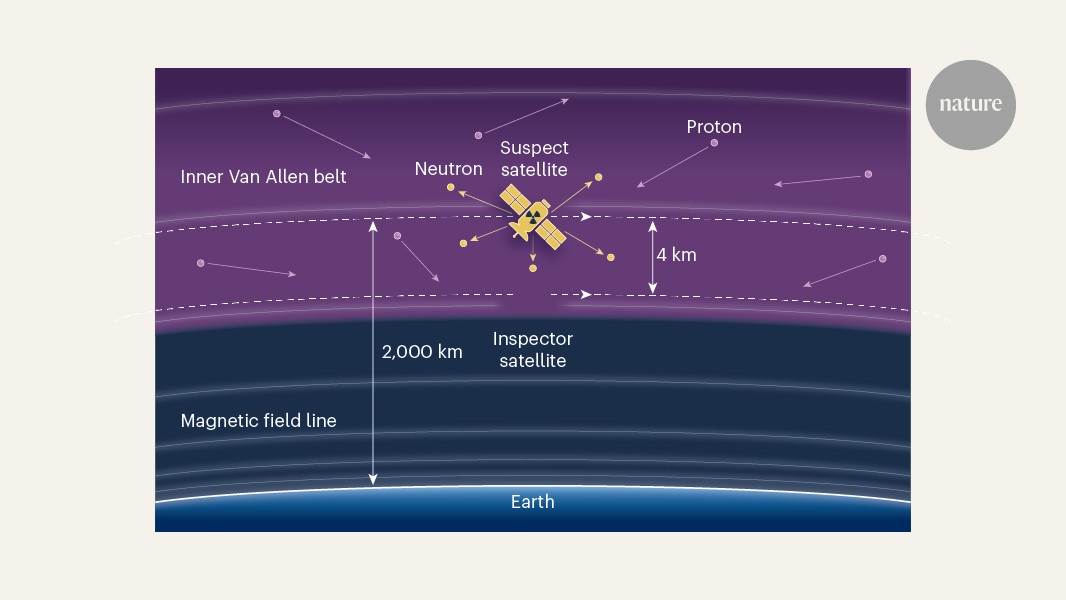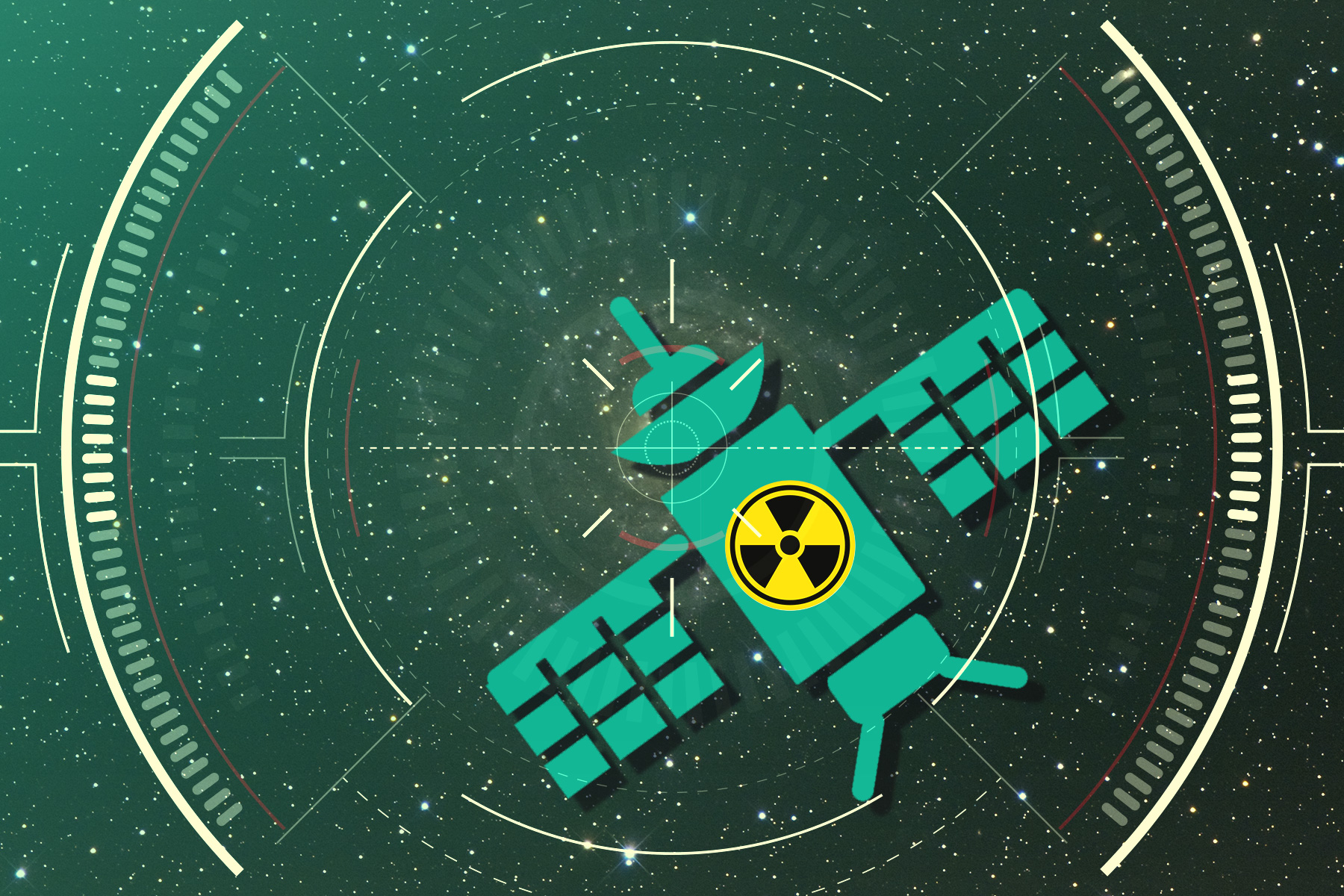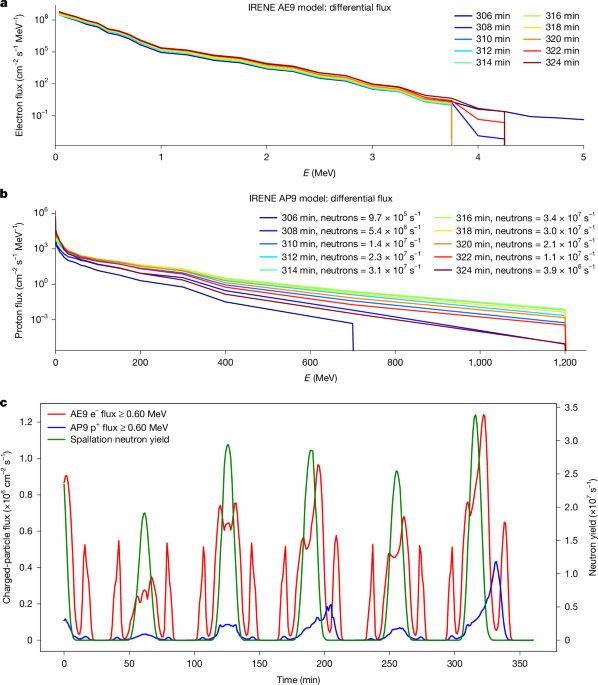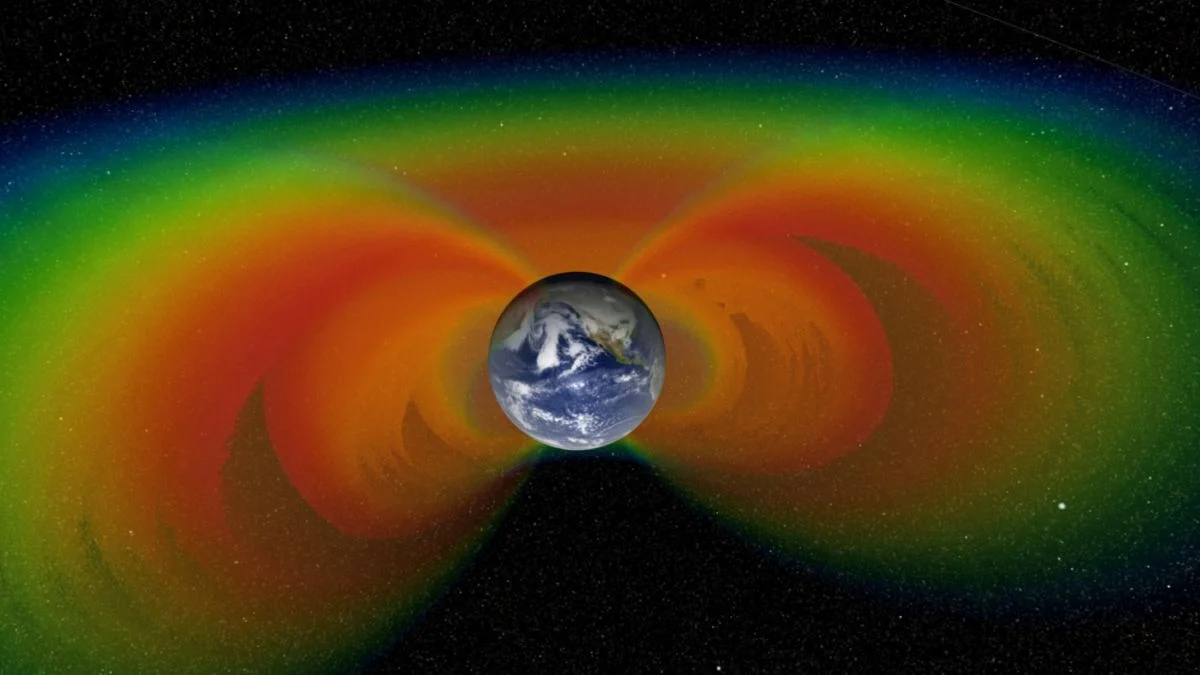
Here’s a terrifying fact: If there was a nuclear weapon in orbit, we would have no idea. The Outer Space Treaty—established in 1967 and signed by 118 countries to date—bans the placement of nuclear weapons in space, but there is currently no way for militaries to verify that a satellite isn’t carrying one. That’s a big problem. As nations rapidly expand their space launch capabilities and strengthen their presence in orbit, some experts believe it’s only a matter of time until geopolitical conflicts spill off-planet. The growing threat of space-based warfare demands enhanced weapons reconnaissance to ensure that all signing nations abide by the terms of the Outer Space Treaty, but devising a way to detect nuclear weapons in space is an engineering conundrum. Areg Danagoulian, an associate professor of nuclear science and engineering at the Massachusetts Institute of Technology, put himself up to the challenge. In a proof-of-concept study published today in the journal Nature, he proposes a satellite-based sensor system that could orbit near a suspect spacecraft and detect neutrons generated by high-energy protons colliding with radioactive material—a signature of a thermonuclear weapon.
A Hidden Nuclear Weapon Could Already Be Orbiting Earth. This MIT Physicist Has a Plan to Find It
The Outer Space Treaty bans nuclear weapons in orbit—but we currently have no way to verify that satellites aren't carrying them.
920 words~4 min read