The proliferation of nuclear power in space got a little more real Tuesday with the launch of a small satellite developed by a Florida-based company specializing in nuclear micro-power technology.
It’s a long way from launching a bona-fide nuclear reactor, a breakthrough that could help power a permanent Moon base and efficiently drive rockets throughout the Solar System. But you have to start somewhere.
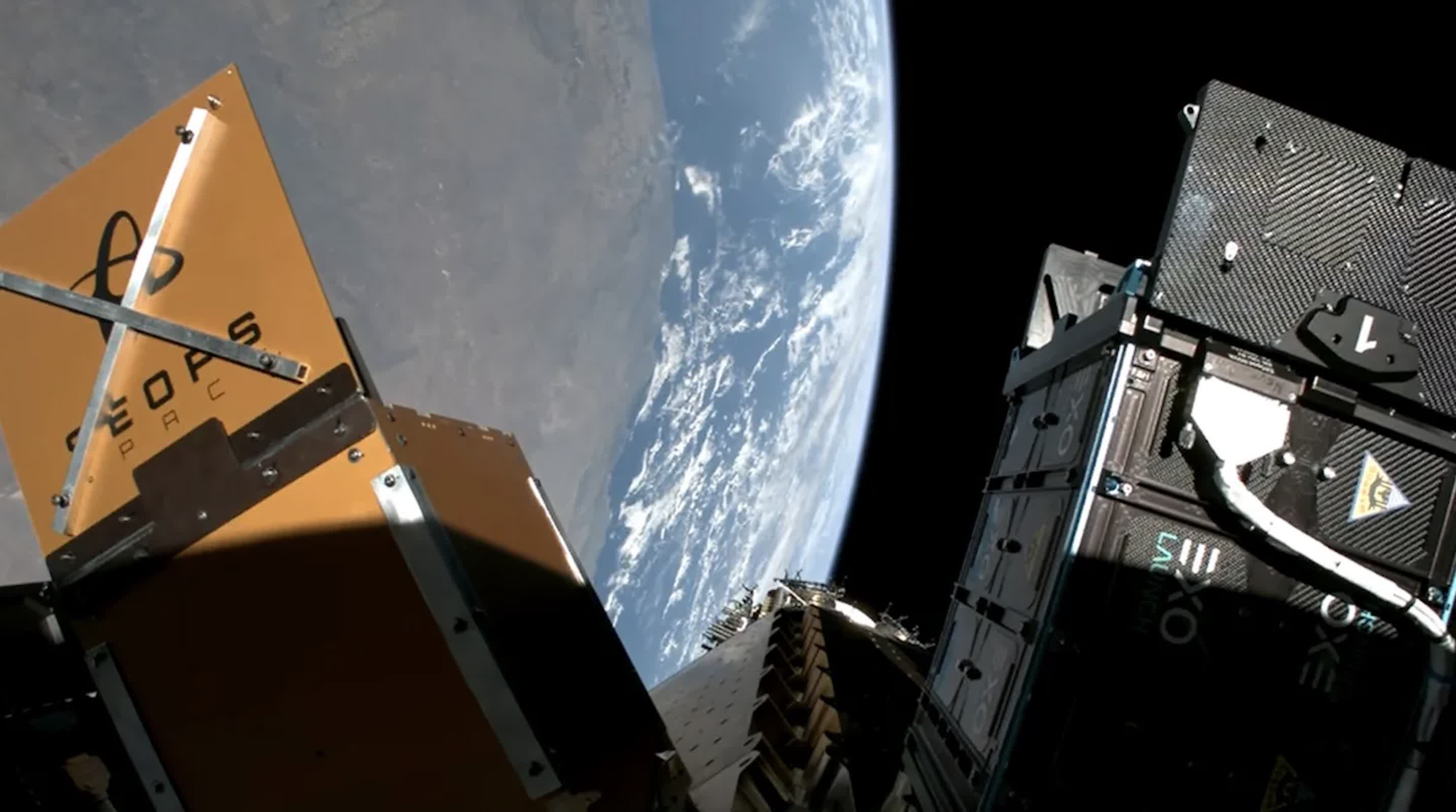
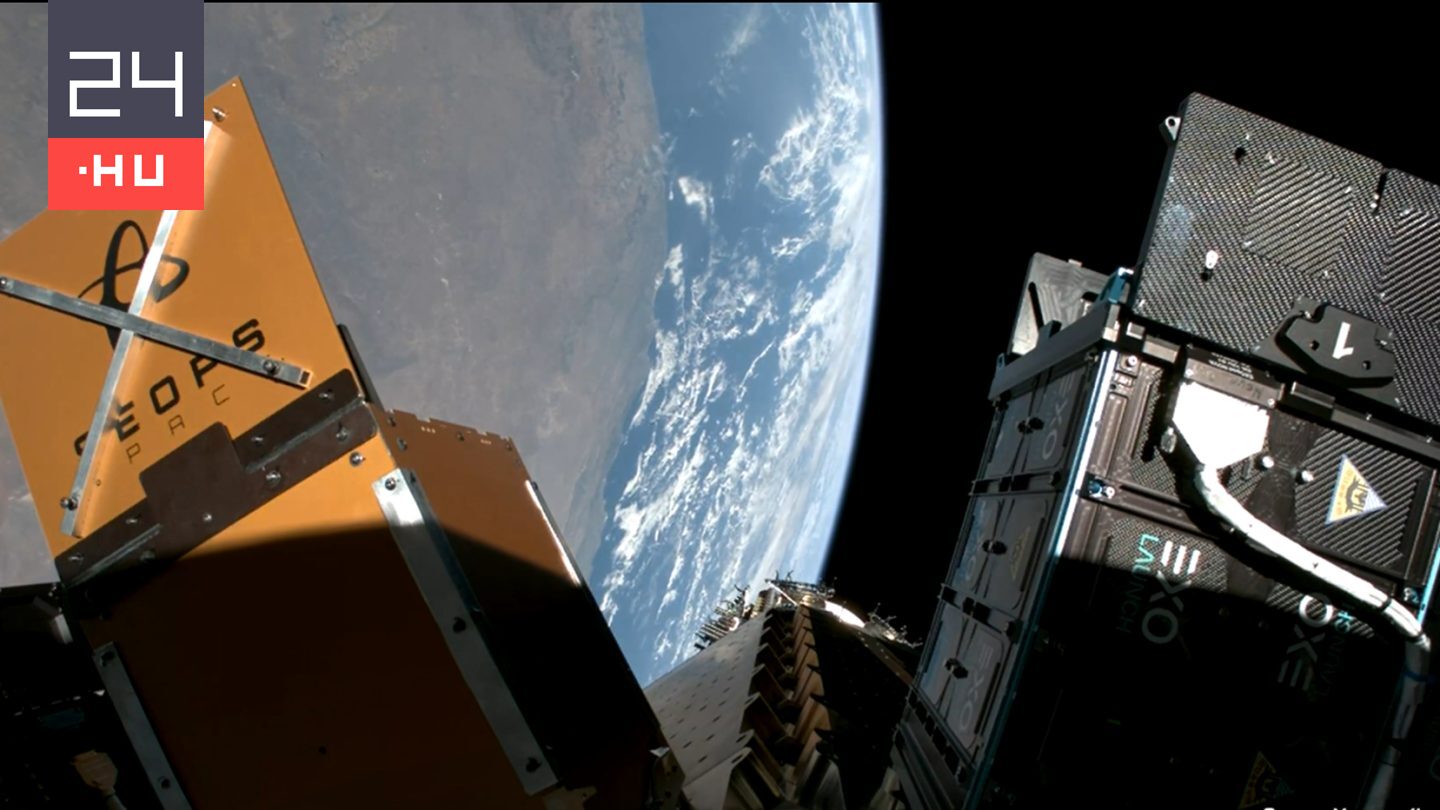
The satellite from Miami-based City Labs is named BOHR, short for Betavoltaic Orbital High-Reliability, and it launched on a SpaceX rideshare mission Tuesday alongside 80 other payloads. SpaceX’s Falcon 9 rocket released the BOHR satellite into an orbit between 350 and 400 miles (nearly 600 km) in altitude.
Starting small
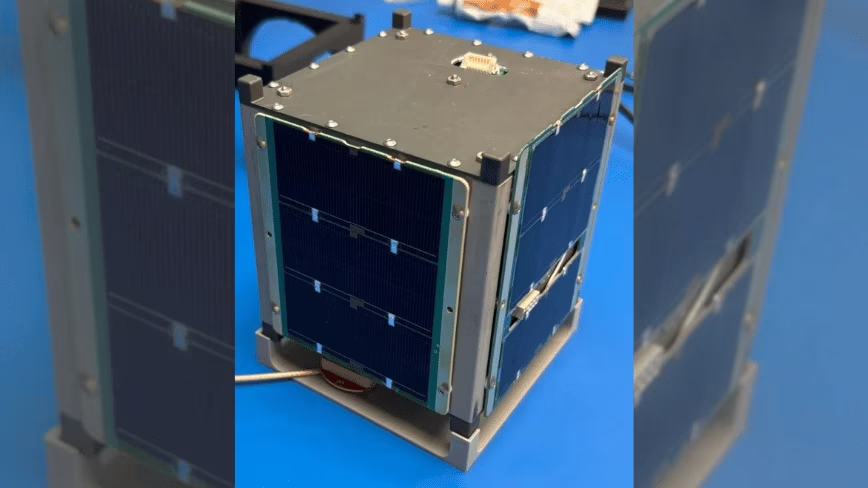
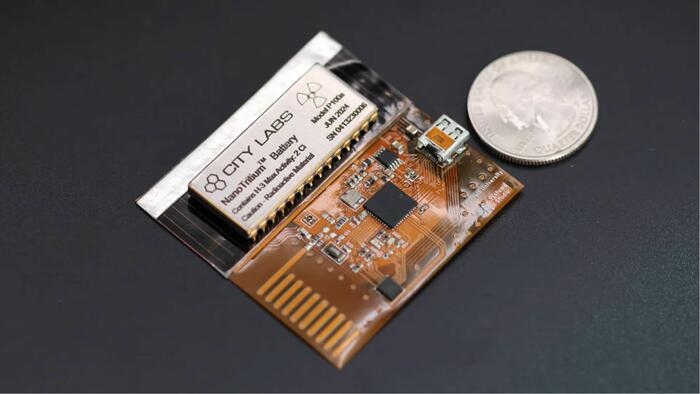
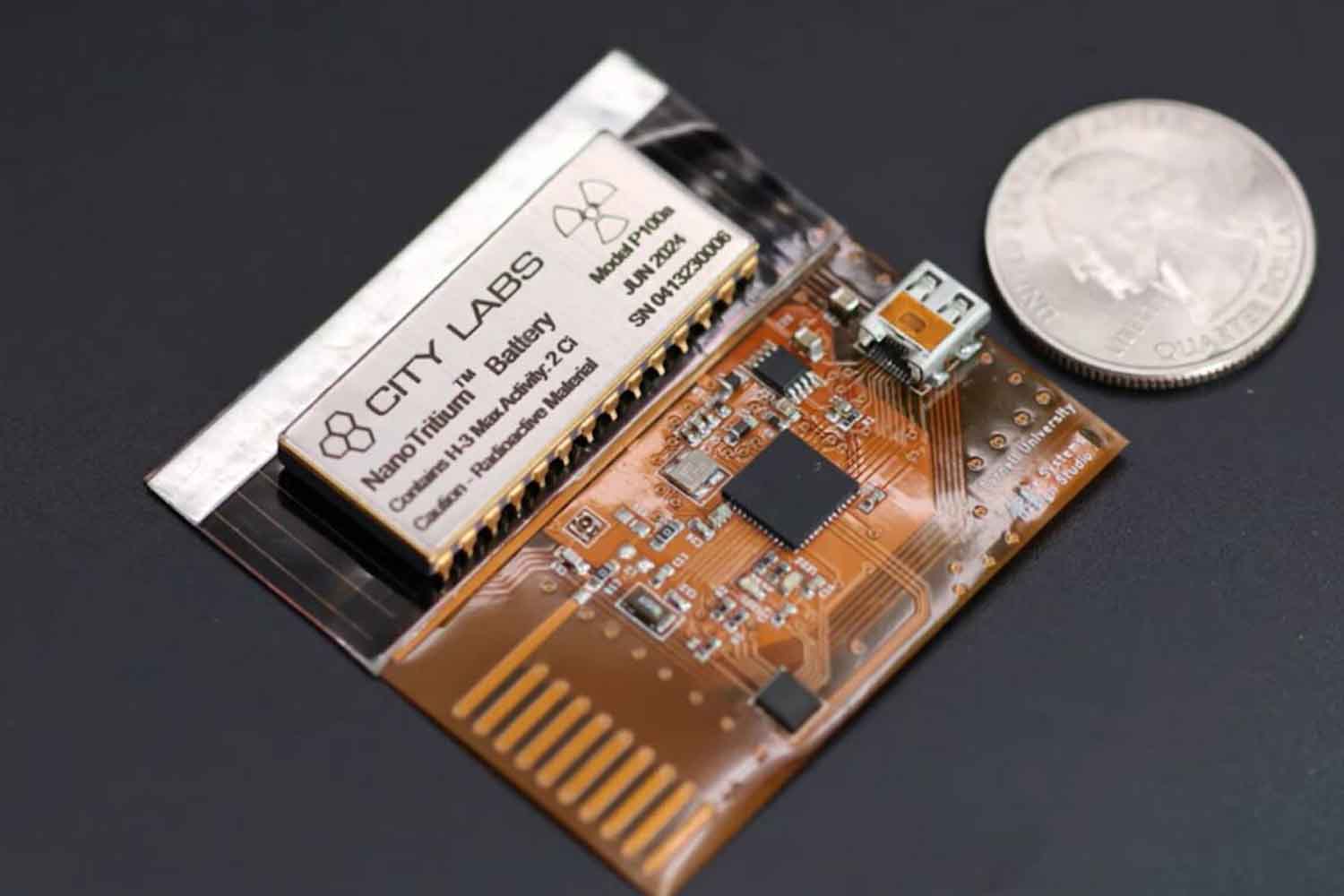
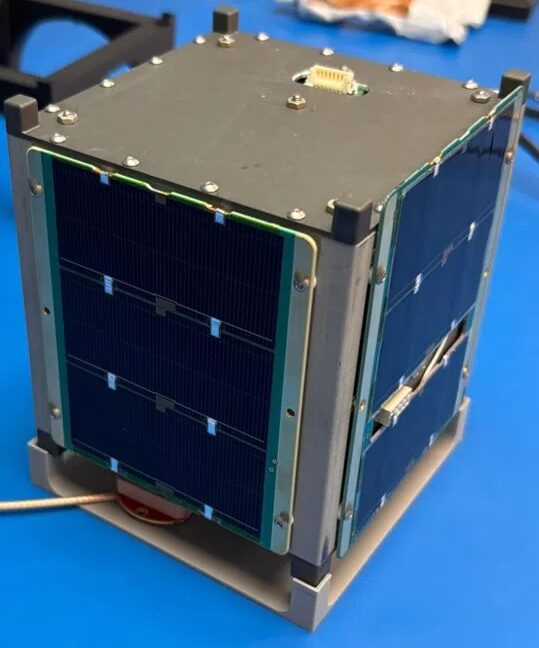
City Labs bills the BOHR mission as “the world’s first commercial nuclear-powered satellite and first nuclear CubeSat.” CubeSats are modest in scale, and images released by City Labs suggest BOHR is built on a “1U” CubeSat platform, a cubical design measuring about the same size as a softball. BOHR’s power source is a nuclear betavoltaic battery that generates electricity from the decay of tritium, a radioactive isotope of hydrogen.