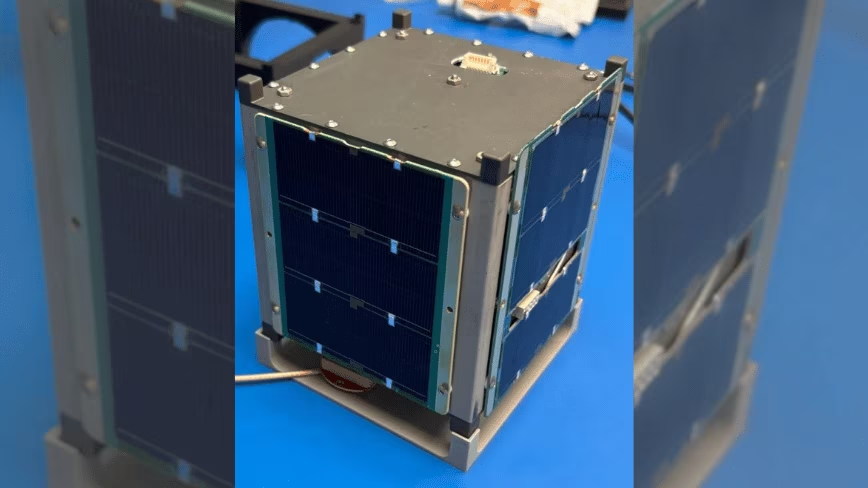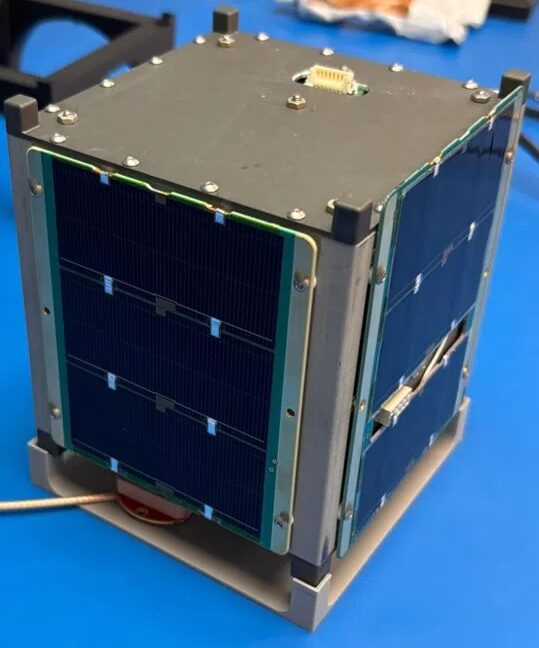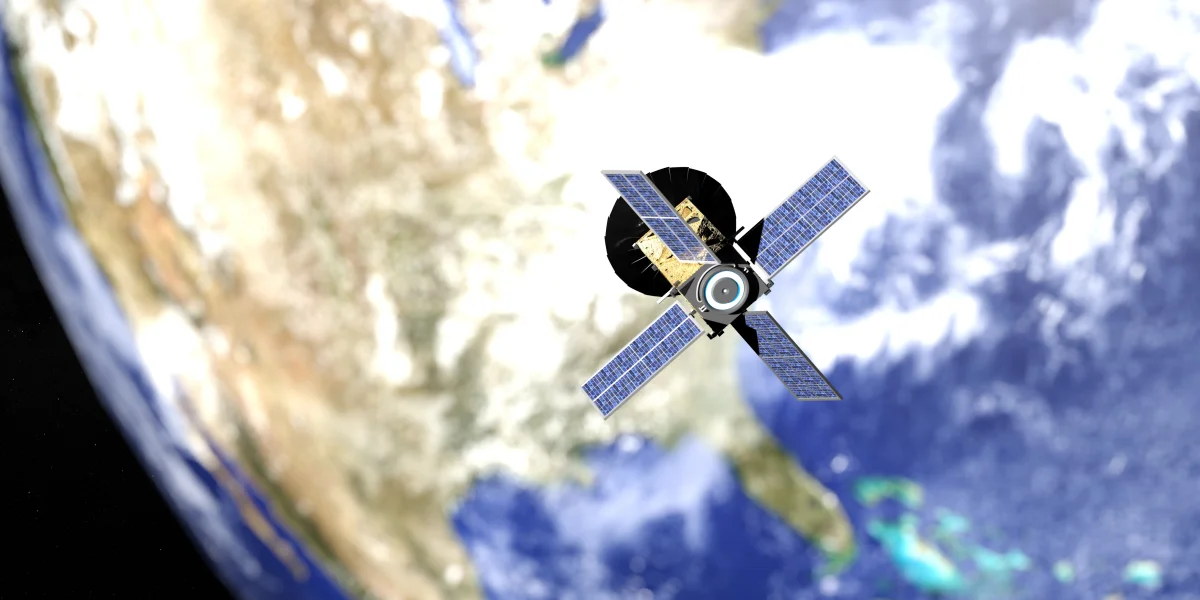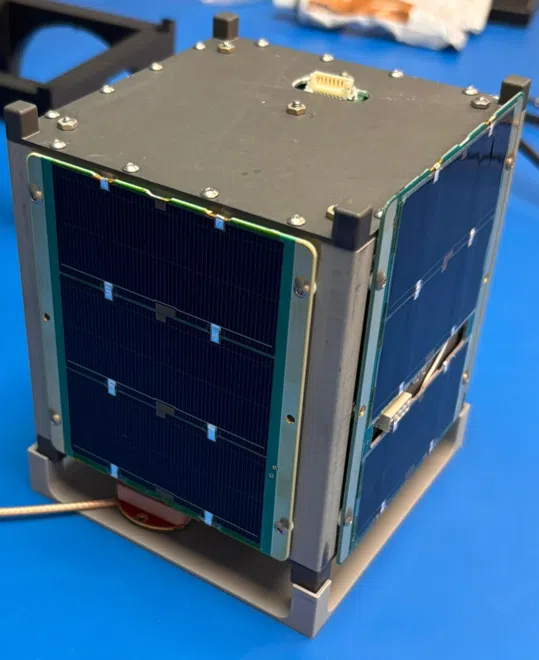
City Labs' BOHR (Betavoltaic Orbital High-Reliability) cubesat
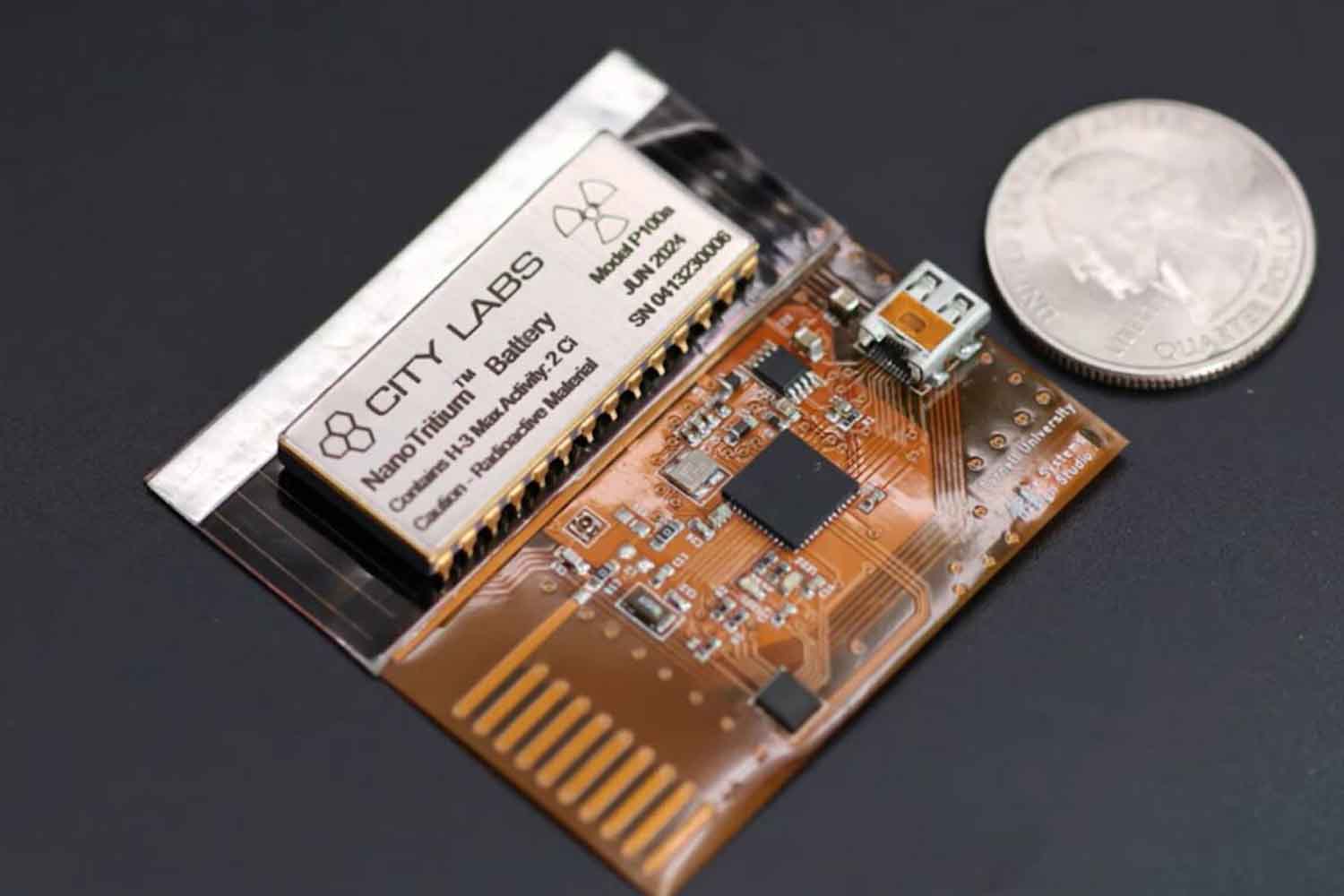
WASHINGTON — A Florida startup has launched what it says is the first commercial demonstration of a nuclear-powered satellite technology, testing a power source that could allow future spacecraft and autonomous sensors to operate for years without relying exclusively on solar panels or conventional batteries.
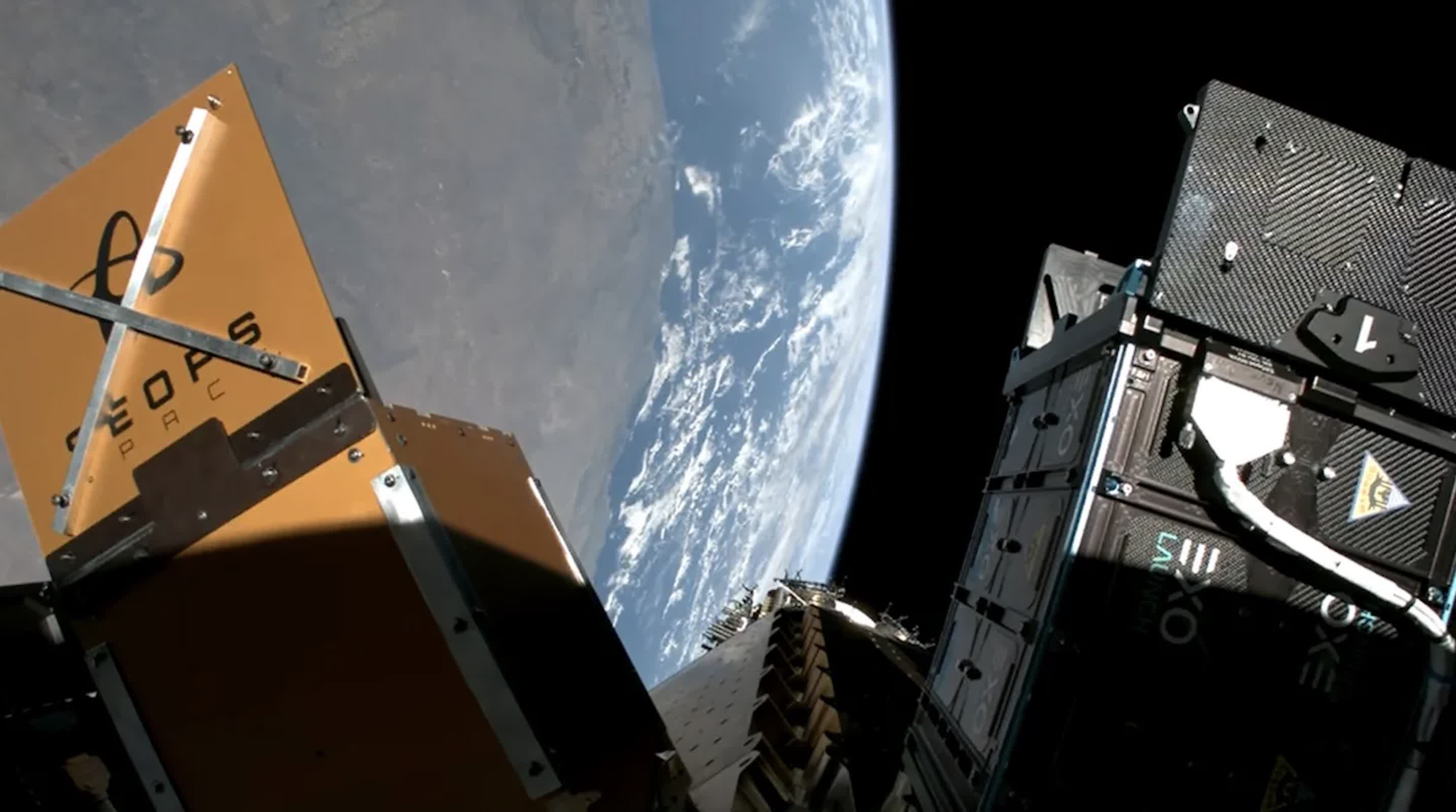
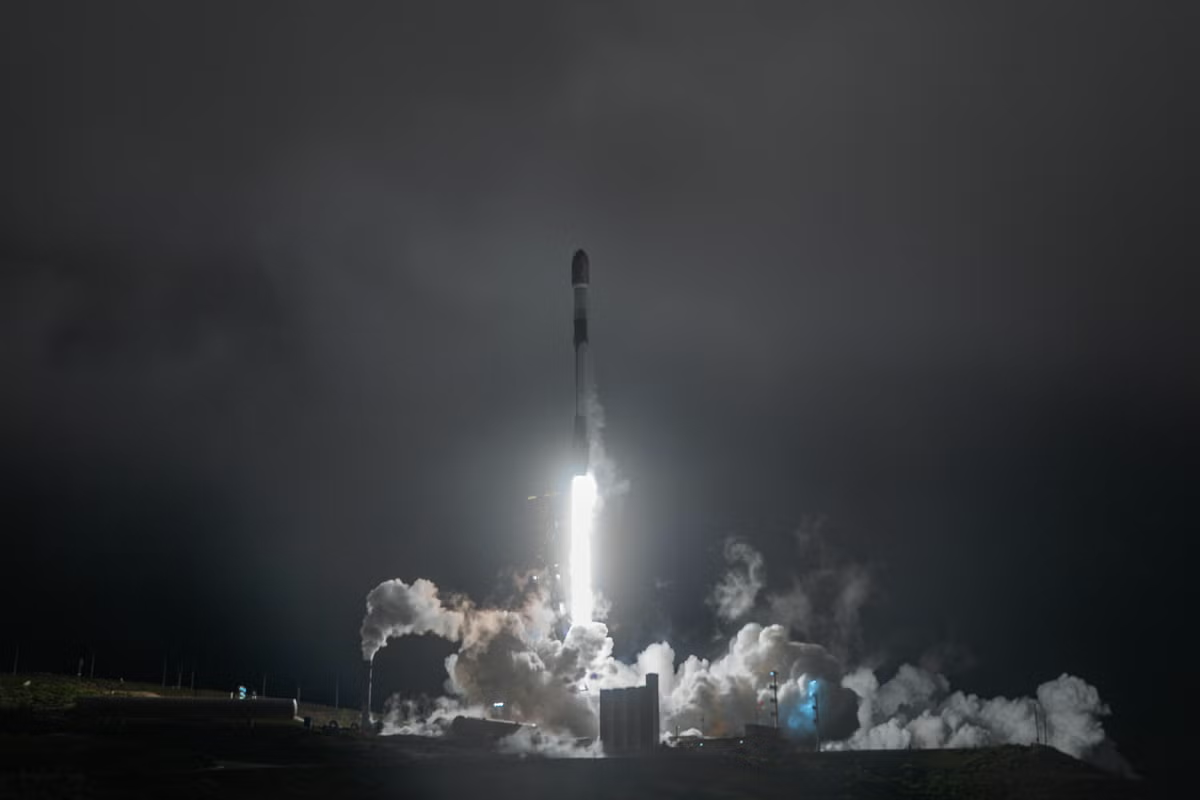
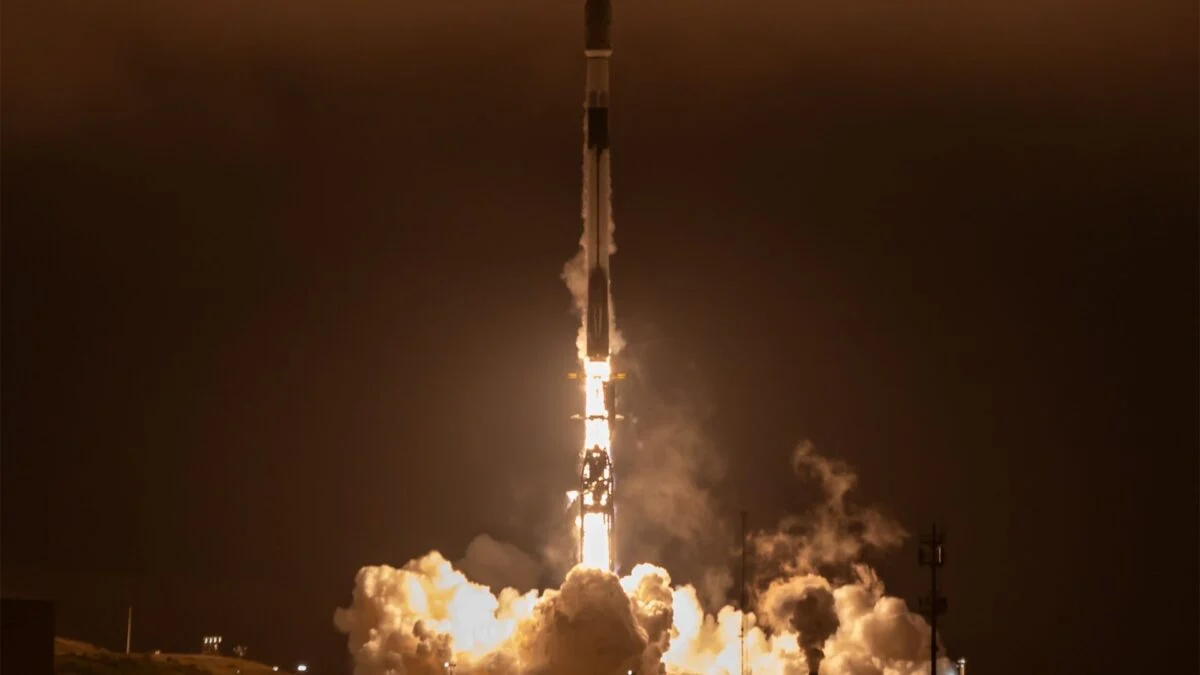
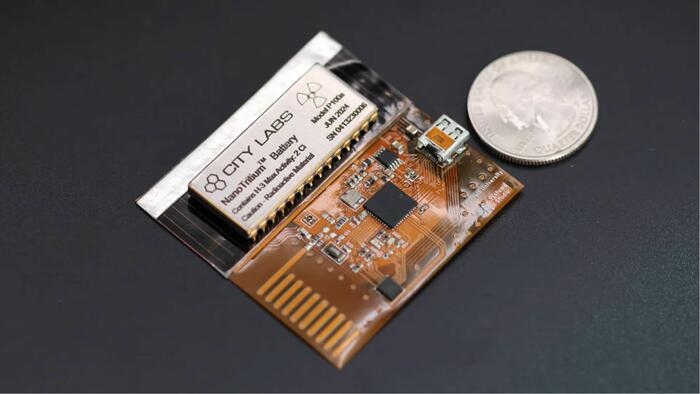
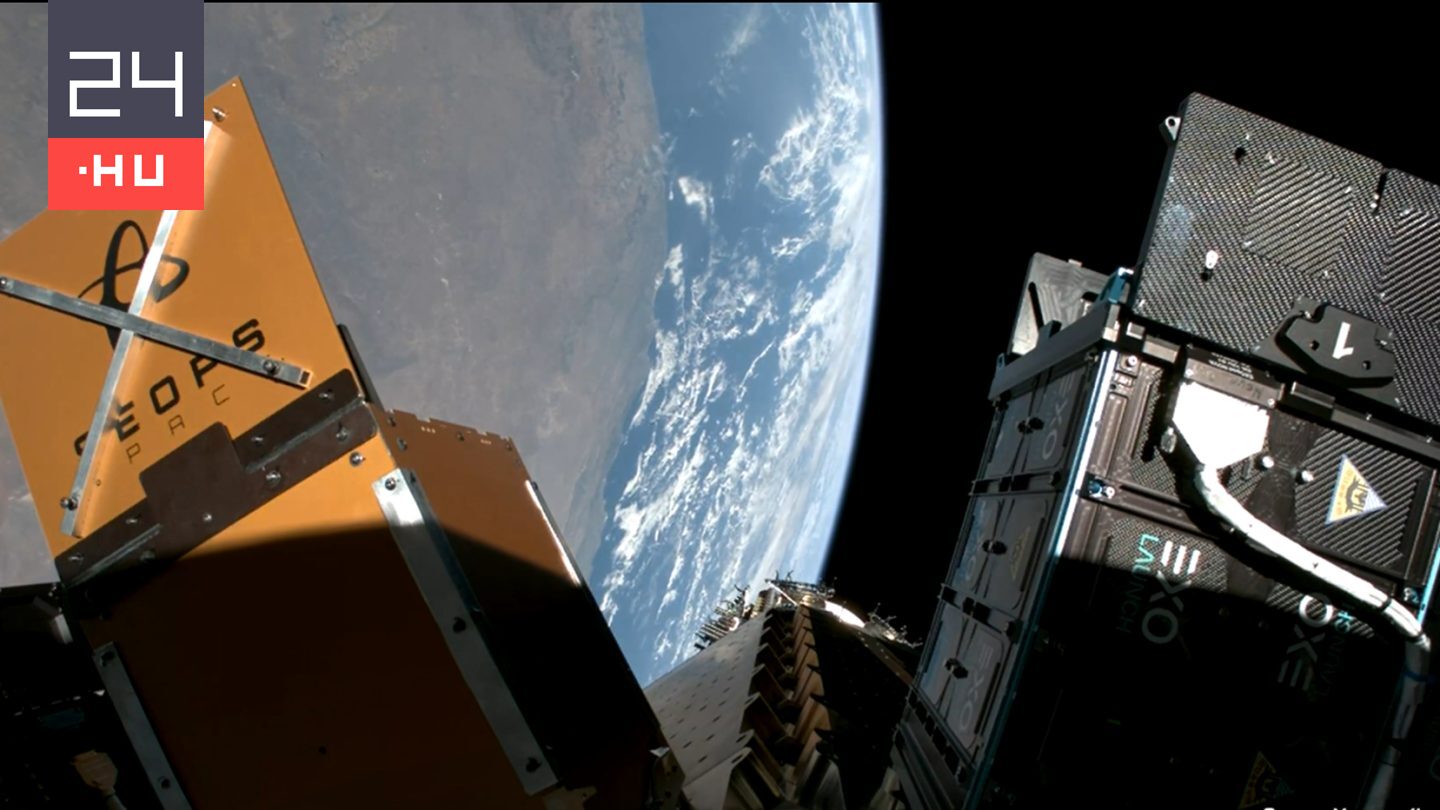
City Labs said its BOHR (Betavoltaic Orbital High-Reliability) cubesat lifted off July 7 aboard SpaceX’s Transporter-17 rideshare mission, marking the first in-orbit demonstration of the company’s NanoTritium betavoltaic power system. The mission is designed to determine whether the technology can generate electricity independently of sunlight over extended periods, potentially expanding the range of missions that can operate in deep space, permanently shadowed regions of the moon and other environments where solar power is limited.
The demonstration, partially funded by NASA and Pentagon contracts, reflects government interest in alternative space power systems to keep satellites and distributed sensor networks operating longer in contested environments. While radioisotope power has been used for decades on NASA’s deep-space probes, commercial companies have largely stayed out of the field because of technical, regulatory and safety hurdles.