By Victor-Bandele Dada
Human history has always been accompanied by migration. Communities have moved in search of fertile land, economic opportunity, political freedom, religious liberty, and security. Migration, in itself, is therefore neither abnormal nor undesirable. Throughout history it has contributed to cultural exchange, economic development, technological diffusion, and the advancement of civilizations.
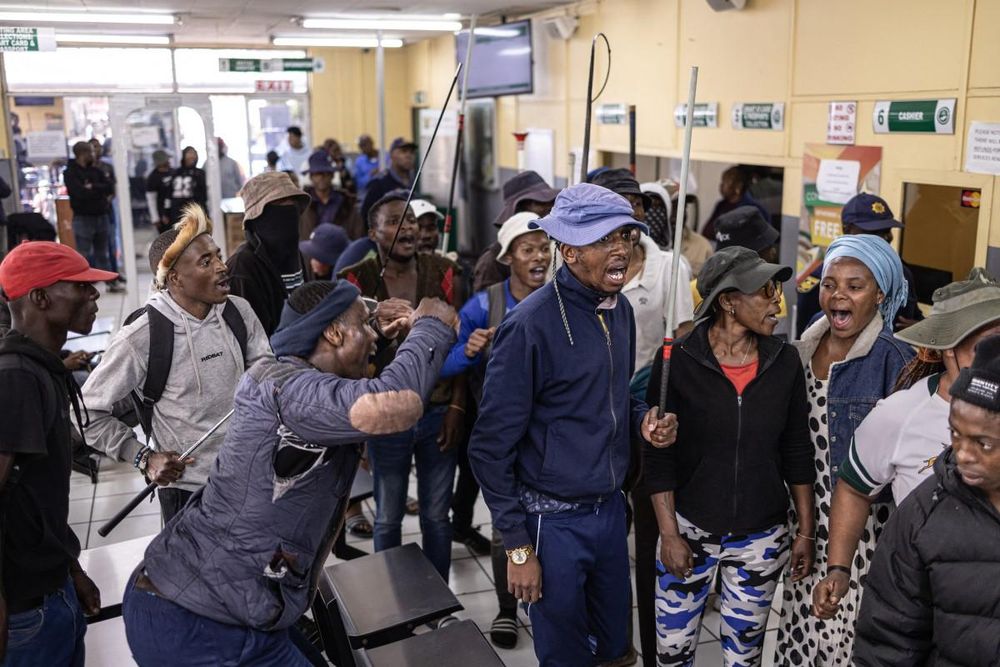
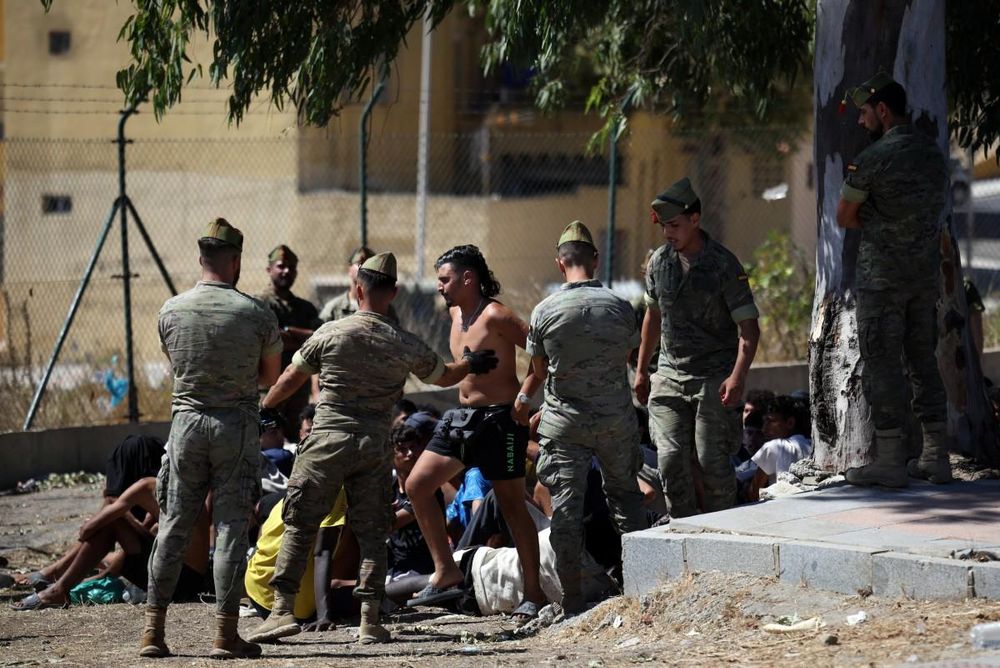
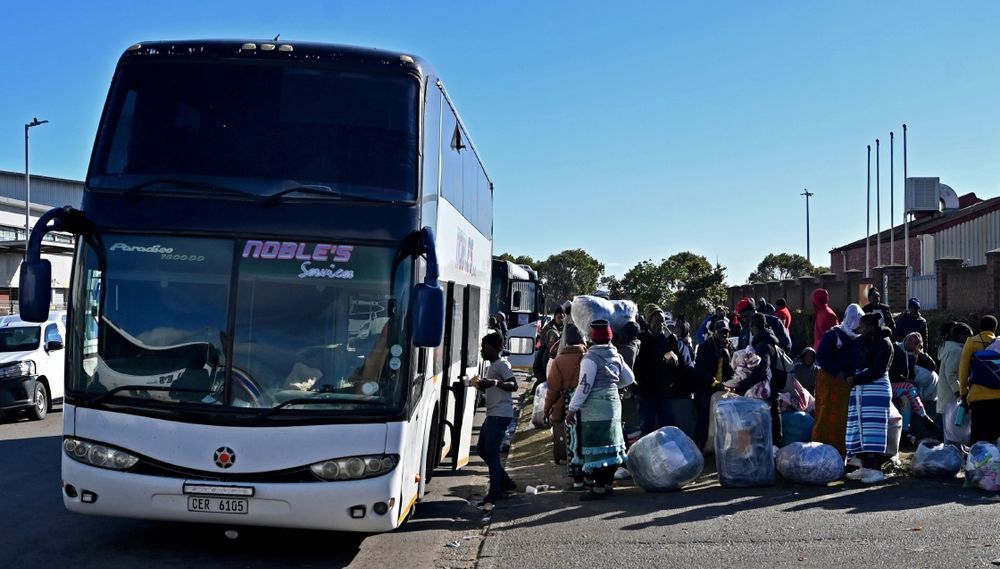
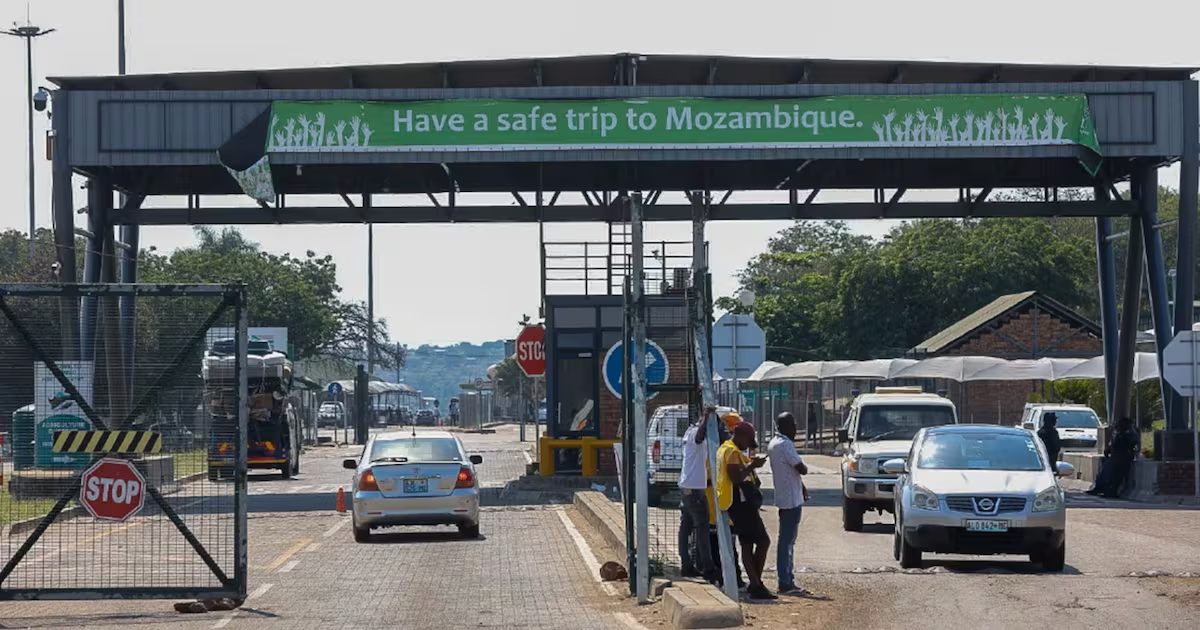
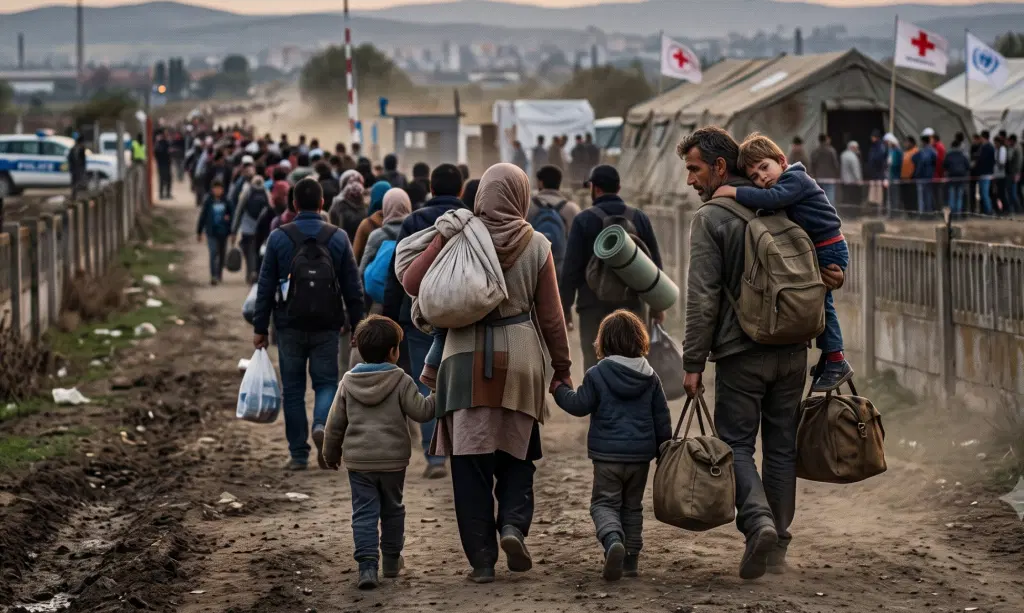
Forced migration, however, represents a fundamentally different phenomenon. It is migration without meaningful choice. Individuals, families, and entire communities are compelled to abandon their homes because remaining has become incompatible with safety, dignity, or survival. Armed conflict, terrorism, environmental degradation, climate change, economic collapse, political instability, communal violence, and development-induced displacement have collectively transformed forced migration into one of the defining humanitarian crises of our age (Castles, 2003; UNHCR, 2024).
The scale of contemporary displacement is unprecedented in modern history. Tens of millions of people worldwide have been displaced within or across national borders. Nigeria itself continues to experience large-scale internal displacement arising from insurgency in the North-East, armed banditry in the North-West, communal conflicts in the Middle Belt, flooding, environmental pressures, and other forms of insecurity. These developments have generated profound humanitarian, economic, and governance challenges that extend far beyond the immediate needs of displaced populations (Internal Displacement Monitoring Centre [IDMC], 2024).