https://arab.news/rpkuh
For generations, refugee protection rested on a simple assumption: Those fleeing persecution could cross an international border, find safety in another country and begin rebuilding their lives. The physical act of crossing a frontier marked the transition from danger to protection. That assumption is becoming increasingly outdated.
In the digital age, persecution is no longer confined by geography. Refugees may escape the governments, militias or armed groups that forced them from their homes but they cannot always escape the narratives that justified their persecution. Social media has created a world in which misinformation, hate speech and coordinated online campaigns can cross borders far more easily than people. As a result, the threats refugees face increasingly extend beyond the country they fled.
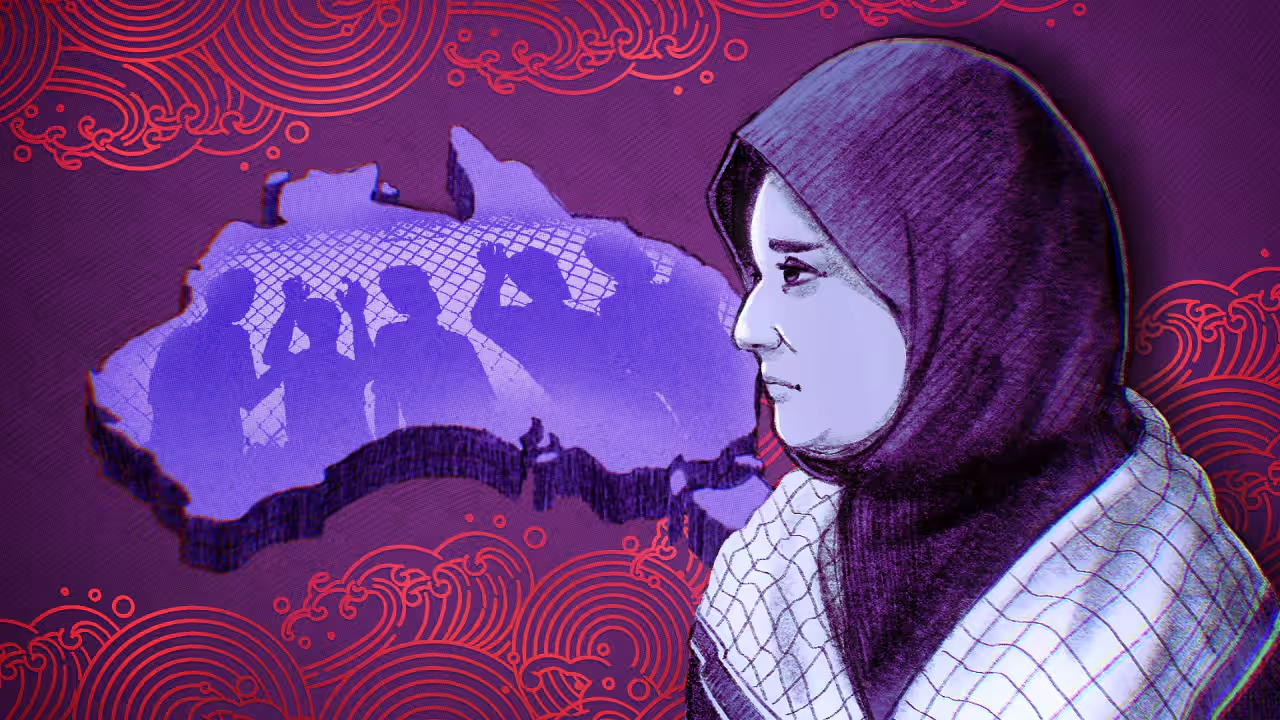
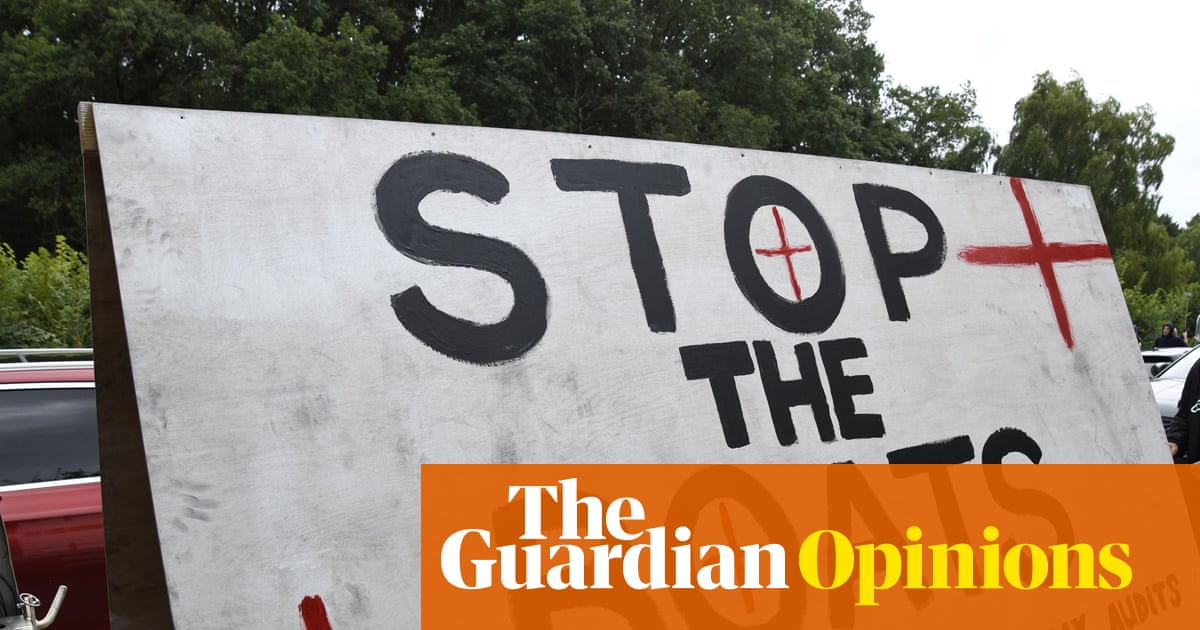
The recent surge of online hostility toward Rohingya refugees in Malaysia illustrates this transformation. Reports of community schools closing following online threats and intimidation are more than an isolated national story. They highlight a broader shift in the nature of displacement itself. Refugees are no longer protected simply because they have reached another country. The digital environment of the host state has become an equally important part of their security.