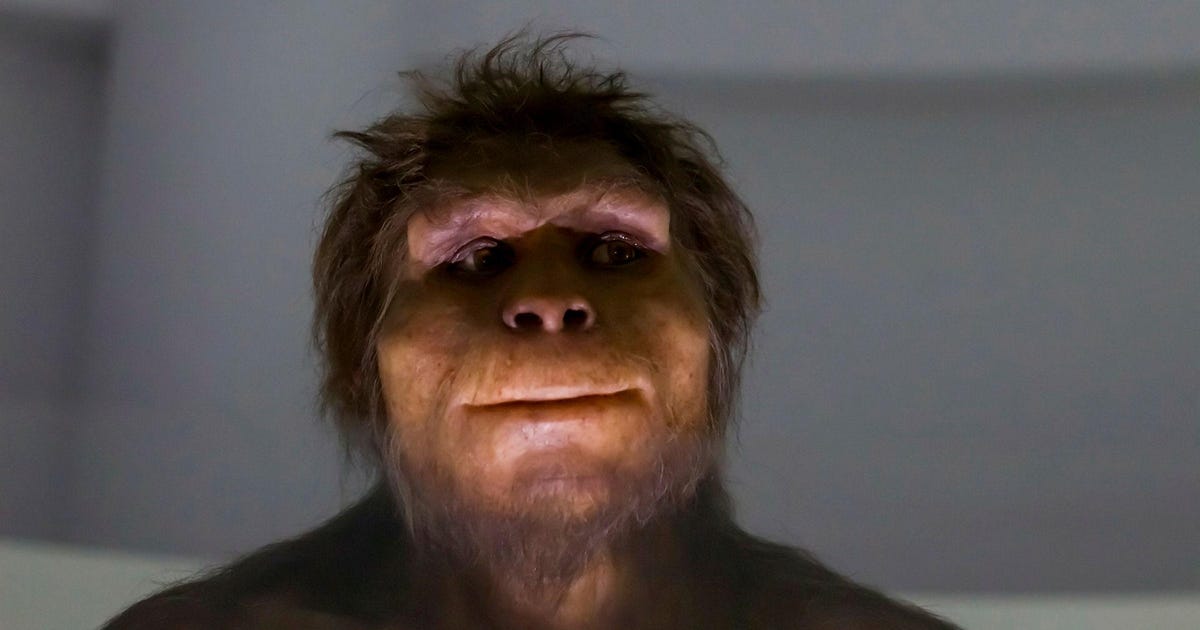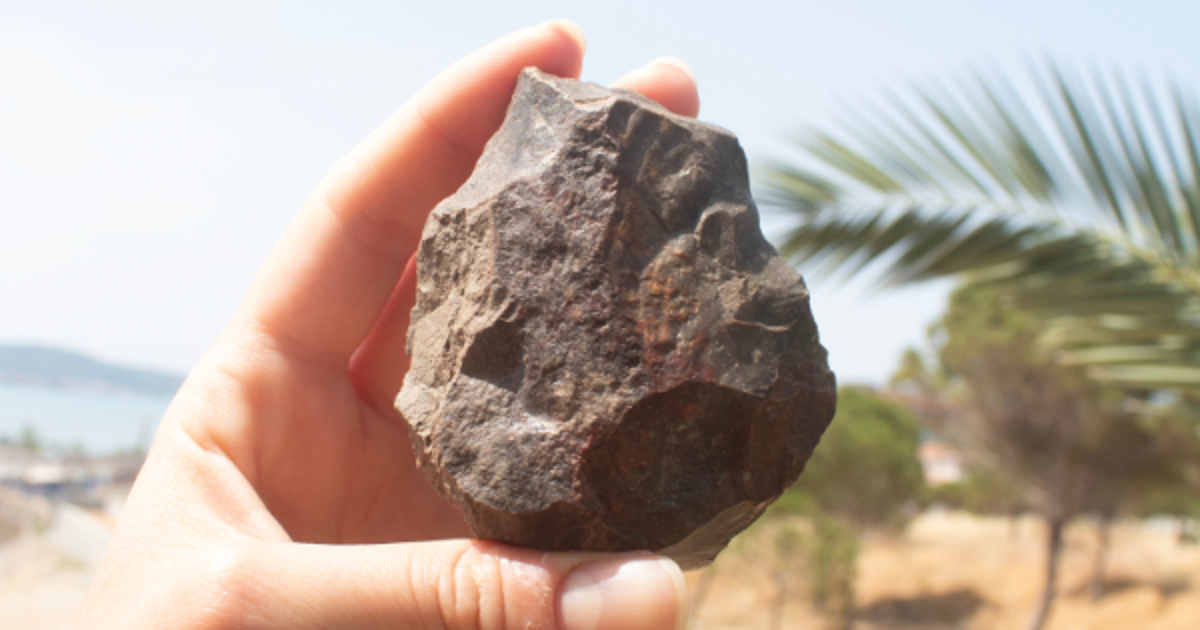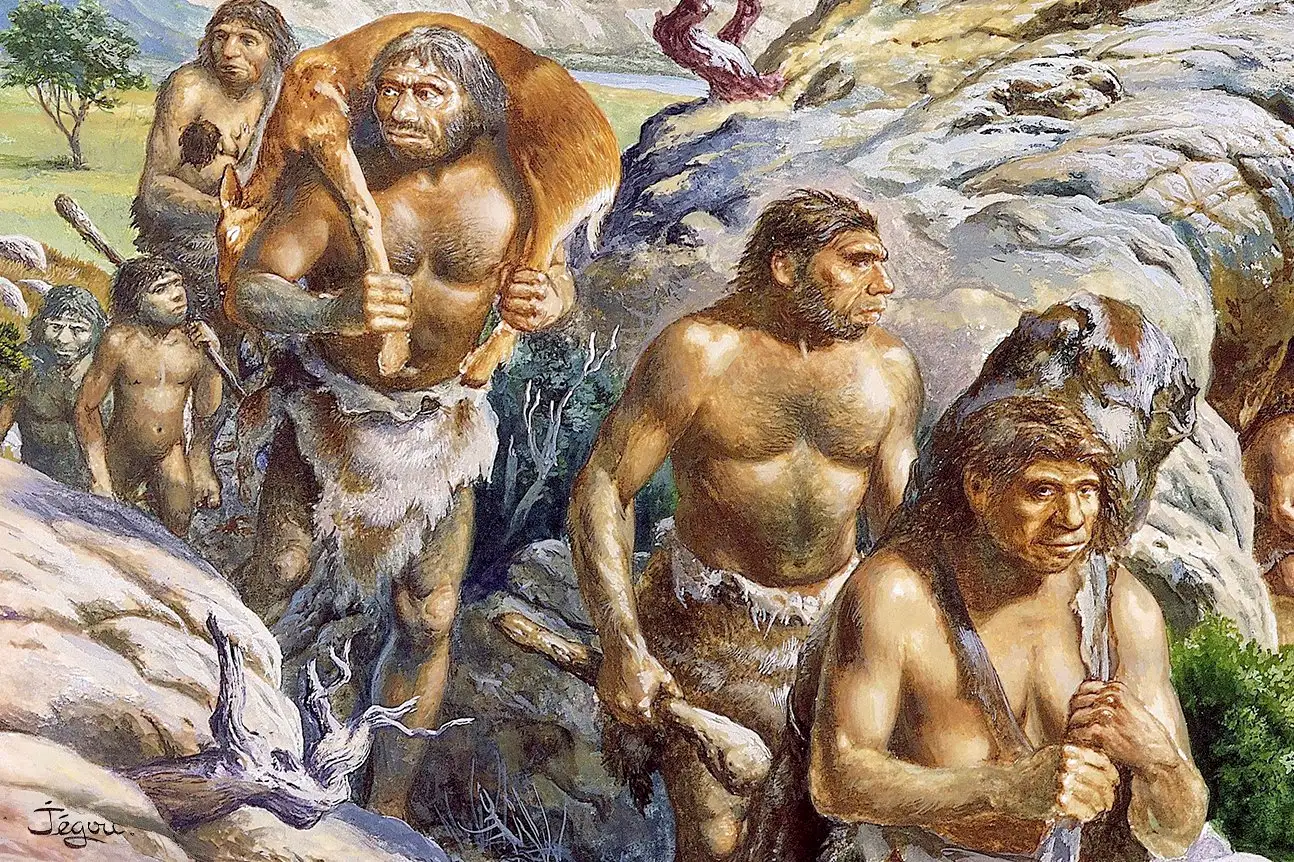
The migration out of Africa may have not have been quite so straightforward as we once thoughtCHRISTIAN JEGOU/SCIENCE PHOTO LIBRARY
This is an extract from Our Human Story, our newsletter about the revolution in archaeology. Sign up to receive it in your inbox every month.
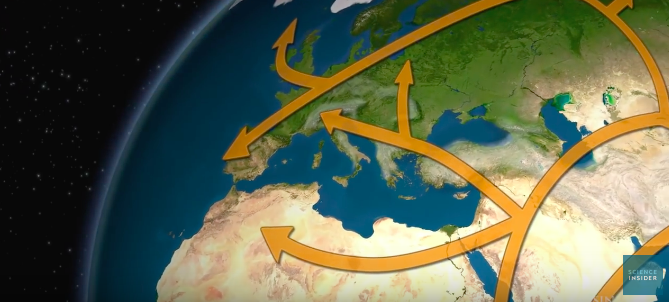
The great out-of-Africa migration is one of the canonical events in the human evolutionary story. Our species arises in Africa, becomes dominant, then around 60,000 years ago, ventures beyond it to conquer every continent (bar Antarctica), leaving every other hominin species in the dust.
We know that some version of this is true, thanks to genetics. African populations have more genetic diversity than any others, by far. European, Japanese, Indigenous Australian, and Indigenous American peoples may look different, but genetically these groups are quite alike, while even neighbouring groups in Africa can be more distinct genetically. This is a telltale sign that our species spread from Africa. The people who travelled beyond Africa only carried a sampling of the continent’s genetic diversity, and that limited pool of genetic variants is what gave rise to all non-African populations today.
I include that, even though it may be familiar to some readers, because I want to reiterate two basic facts. First, the out-of-Africa migration happened. Second, it shaped our species in a big way.