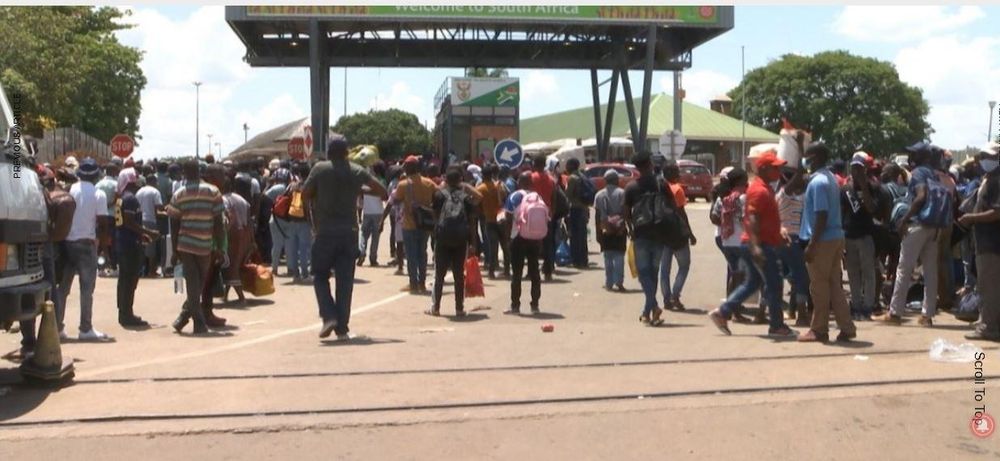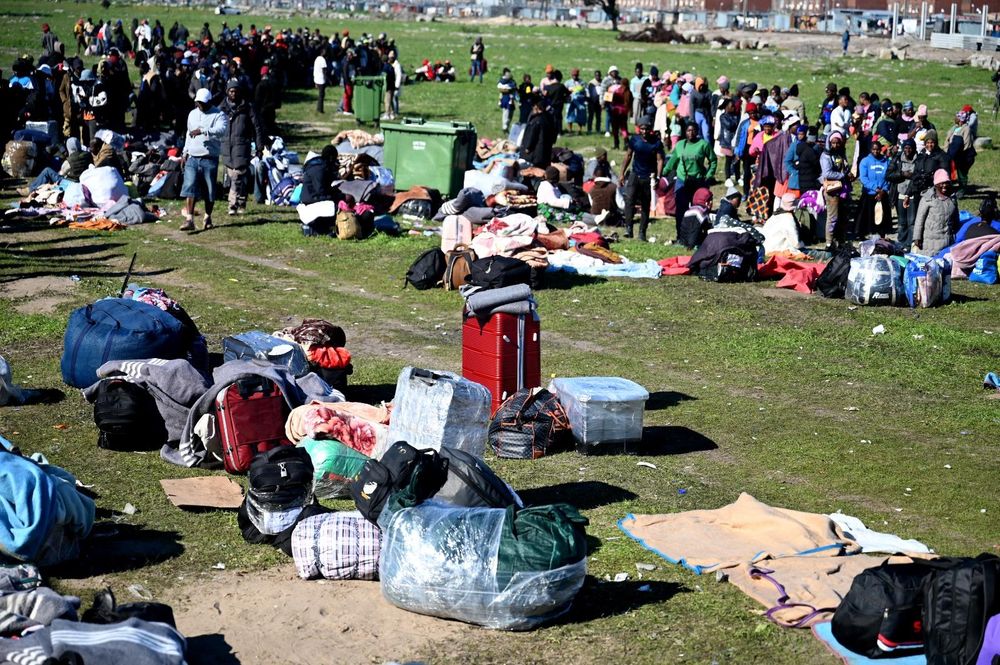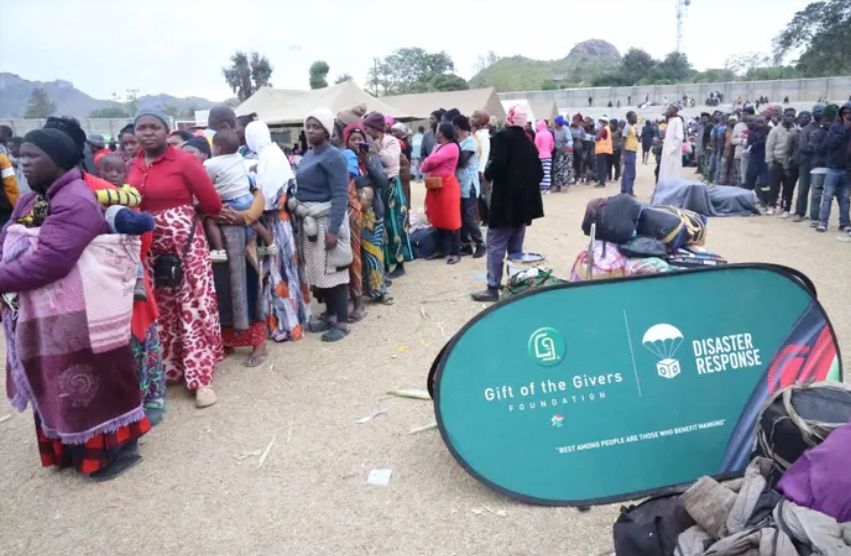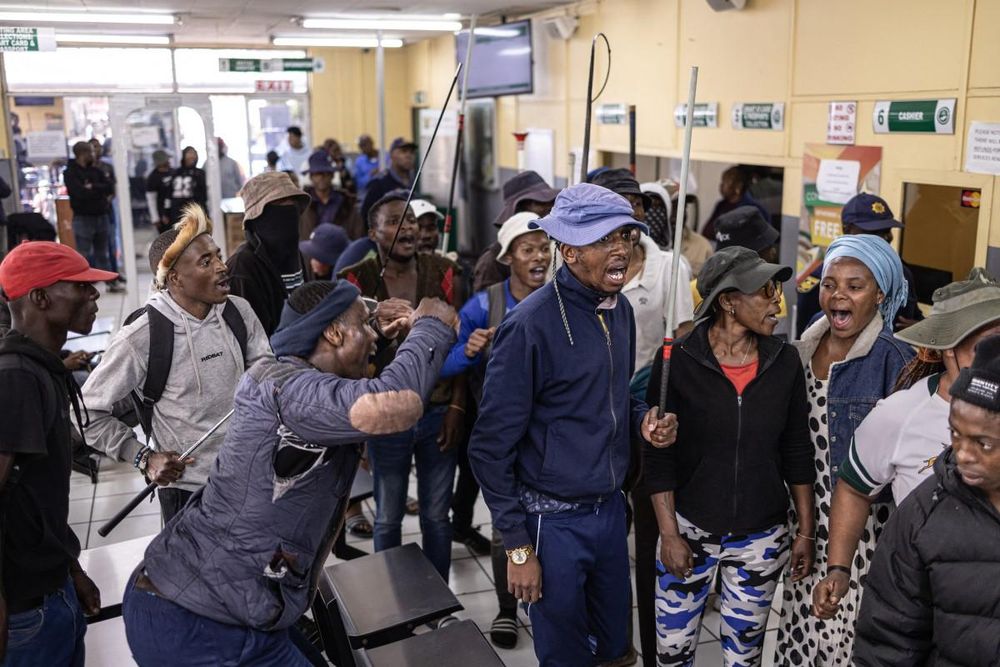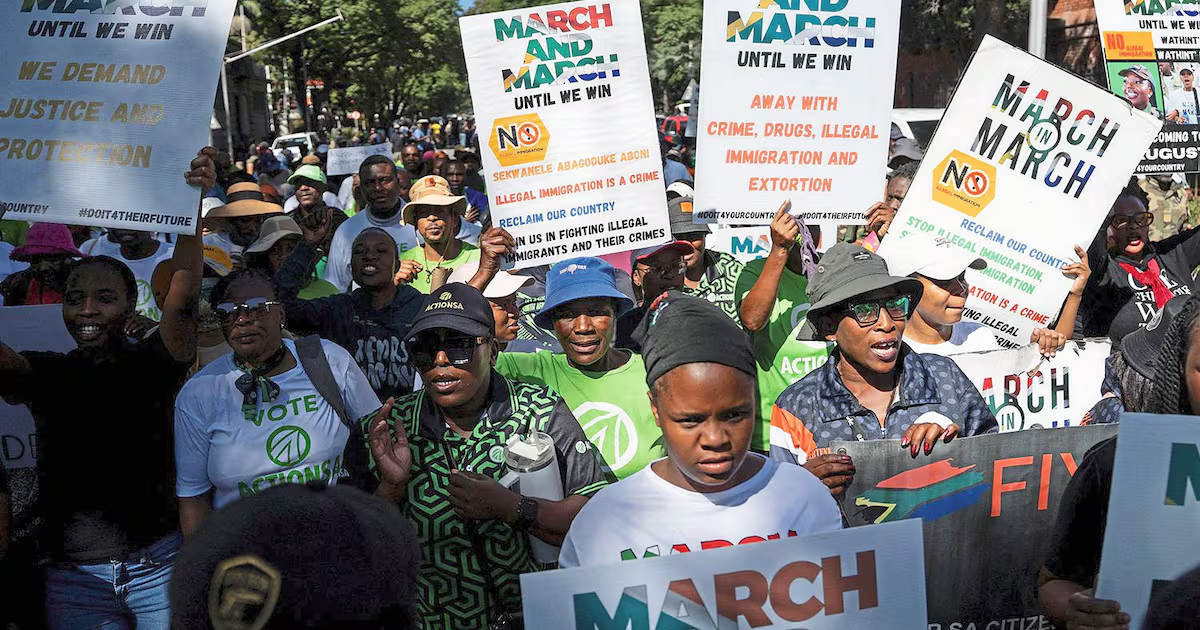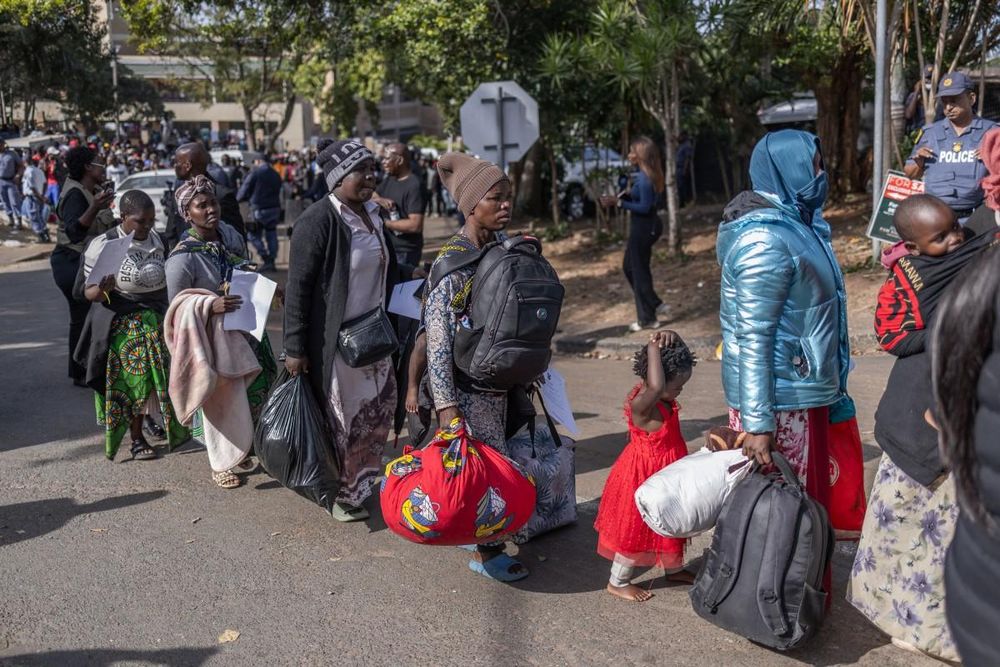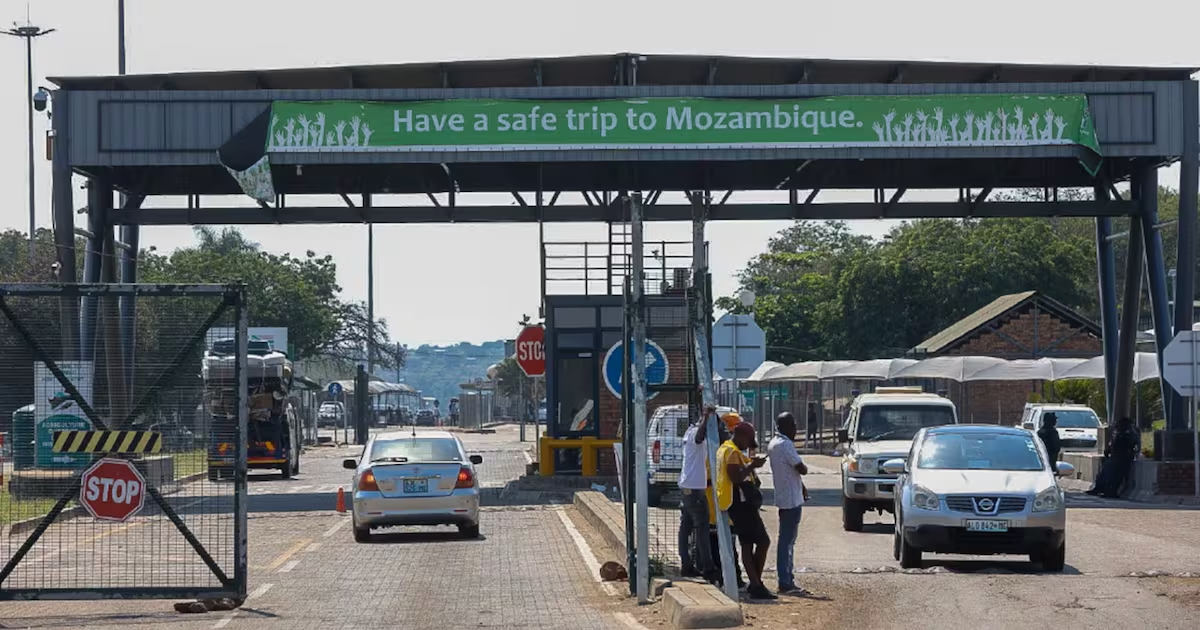
Africa’s migration debate is usually framed as a crisis of borders, legality and social pressure. In South Africa, the handling of undocumented migrants has placed citizenship, belonging and state capacity at the centre of public argument. But migration is not simply an administrative failure or a policing problem. It is a diagnostic lens through which Africa’s deeper structural condition becomes visible: uneven development, fragmented regional economies, weak labour-mobility regimes, fragile social compacts and the unfinished project of continental integration.This is why Africa’s response must move beyond the immediate pressures associated with June 30 marches and confront the developmental architecture that makes migration politically combustible. If people move because opportunity is unevenly distributed, the lasting answer cannot be border enforcement alone. It must include industrial expansion, skills circulation, infrastructure connectivity, regional value chains and credible continental institutions. Properly understood, the migration question is a question about the African Century itself: whether Africa can build a developmental template in which mobility becomes a source of shared prosperity rather than social fracture.The African Century should therefore not be understood as a slogan of optimism but as a struggle over templates: who designs them, whose interests they serve, and whether they can reorder the continent’s place in the world. Wealth and power are shifting away from the old locations determined by dispossession, extraction and colonial domination. A new African order is trying to emerge, shaped by a self-determined generation of Africans inspired by the possibility of shared prosperity in a pan-African future.The question is no longer whether the wheel of economic history is turning, but towards what end, under whose direction, and with what consequences for Africa’s commanding heights. Can an Africanist order emerge with sufficient confidence to set new terms of engagement, requiring the world to negotiate its place within Africa’s own developmental imagination?Thabo Mbeki saw this challenge early. In his inaugural speech as the second president of a nonracial democratic South Africa, he committed South Africanness to the wider project of Africanness, saying the country’s progress should contribute to “the success of Africa’s Renaissance” and to the recognition of the century ahead as the African Century.That work has begun, however unevenly. Treaties, agreements, partnerships and institutions of development leadership have been established across the continent. Africa’s approach to multilateralism, global trade, diplomacy and international relations is slowly shifting away from inherited colonial templates. African states are revisiting post-liberation arrangements with former colonial powers, while long-term plans for continental integration are gaining renewed urgency.The signs are visible in trade corridors, financial services, digital infrastructure, energy security, science, pharmaceuticals, food systems, urban development, sport and the creative economy. These are not isolated sectoral examples. They are parts of a connected architecture through which African capability, capital, infrastructure, institutions and confidence are being assembled into a new developmental grammar.The financial dimension is especially important. Africa’s savings, pension funds, insurance pools, banking groups and emerging payment systems create possibilities for greater continental liquidity and infrastructure financing. If properly governed, these resources can help reduce dependence on external capital and create the capacity to finance bankable projects from within the continent.This is not a romantic rejection of global markets. Capitalism in all its African forms remains alive, contested and durable. The task is not to pretend Africa can step outside the system but to gain greater authority over its objectives. African renewal must preserve what works, contest what excludes and redirect markets towards jobs, productive capacity, industrialisation and new economic opportunities. African renewal must preserve what works, contest what excludes and redirect markets towards jobs, productive capacity, industrialisation and new economic opportunities.The doubters are not without evidence. Corruption, state capture, organised crime and institutional weakness continue to damage Africa’s reputation and competitiveness. South Africa itself offers painful examples of how democratic promise can be undermined by predatory politics. But these dangers should not become the only grammar through which the continent is read. They are part of the contested terrain on which the next phase of African development will be won or lost.A new cohort of political, commercial and intellectual leaders is beginning to challenge the old pessimistic grammar. Their importance lies not only in technical competence but also in native social capital: the ability to understand Africa’s developmental needs from within its own histories, institutions, communities and aspirations. This matters because templates imported from elsewhere have too often treated Africa as a site of extraction, not as a producer of value and ideas.Migration brings this argument back down to earth. People do not cross borders simply because borders are porous. They move because work, safety, opportunity and dignity are unevenly distributed. Unless African states build economies capable of absorbing talent, circulating skills and expanding productive opportunity across regions, migration will remain politically explosive and socially divisive.South Africa’s own debate should therefore be lifted above resentment and administrative panic. A capable state must know who is in the country, enforce the law and protect social stability. But it must also help build the regional conditions that reduce desperation, expand legal mobility and connect people to production rather than only to survival.Capable states, productive economiesThis requires more than rhetoric about pan-Africanism. It requires infrastructure that connects markets, border systems that facilitate lawful movement, education systems that produce relevant skills, financial institutions that fund productive investment, and political leadership disciplined enough to resist corruption and short-term populism.The African Century will not be secured by speeches, conferences or nostalgic appeals to liberation solidarity. It will be secured by capable states, productive economies, credible institutions and a continental imagination bold enough to turn movement, capital and power into shared prosperity.In short, migration is not a marginal issue in Africa’s renewal; it is one of its clearest tests. It reveals whether the continent can move from crisis management to developmental design, from fragmented national responses to regional co-ordination, and from inherited templates to African-made systems of production, mobility and shared prosperity.The question, then, is not whether Africa is changing. It is whether Africans will design the templates through which that change is governed, financed and shared, or whether the continent will yet again inherit frameworks designed elsewhere. The rhetoric must give way to construction. The African Century has begun; the choice before us is whether to police its symptoms or build its promise.• Dr Mathebula, a columnist from the Thinc Foundation, hosts Thinc Conversations on BDTV and is a research associate at Tshwane University of Technology.
LUCKY MATHEBULA | The African Century will be built by development, not border panic
Migration reflects deeper challenges in Africa's development, integration and economic opportunity that border enforcement alone cannot resolve
1,064 words~5 min read