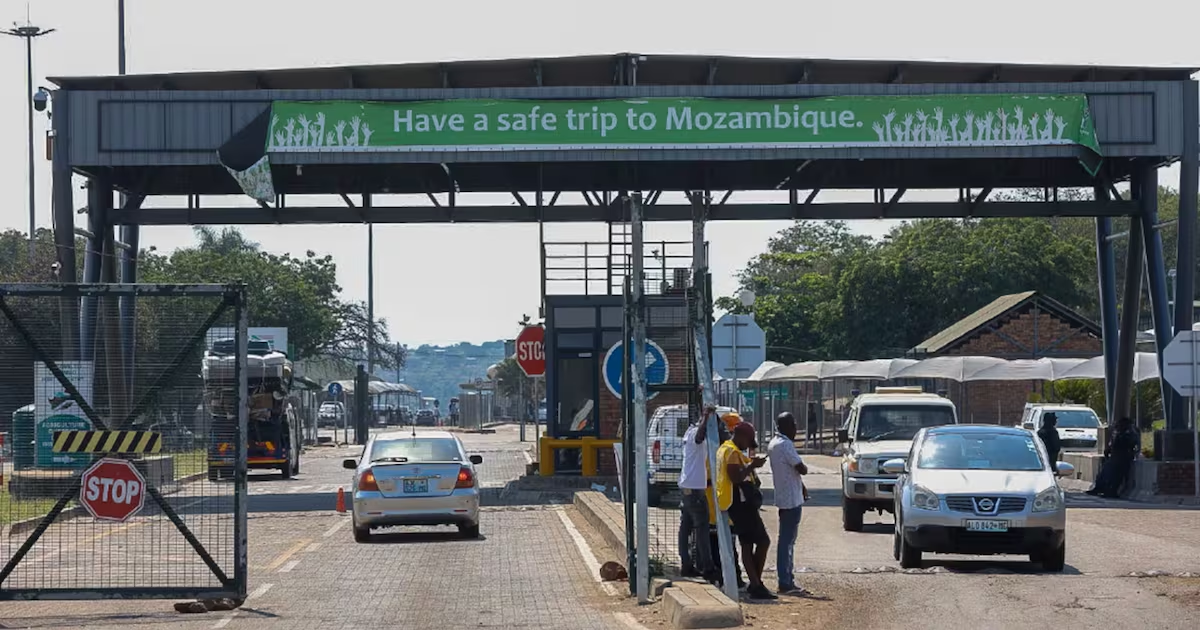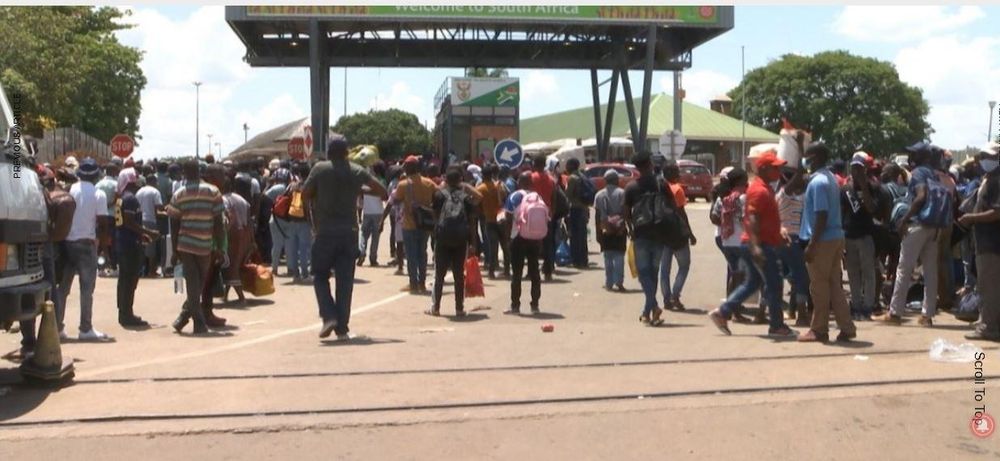
The main border post/crossing with Mozambique, the Ressano Garcia/Lebombo crossing.
SOUTH Africa has long regarded itself as the moral and political leader of Africa. Our liberation struggle was never won in isolation. It was sustained by the sacrifices, solidarity and generosity of countless African nations who opened their borders, trained our freedom fighters, housed exiles and championed our cause in international forums.
Countries such as Zambia, Tanzania, Angola, Mozambique, Botswana and Zimbabwe paid an enormous price for standing alongside the oppressed people of South Africa. Their people bore economic hardship and military aggression simply because they believed apartheid was an affront to the entire continent.
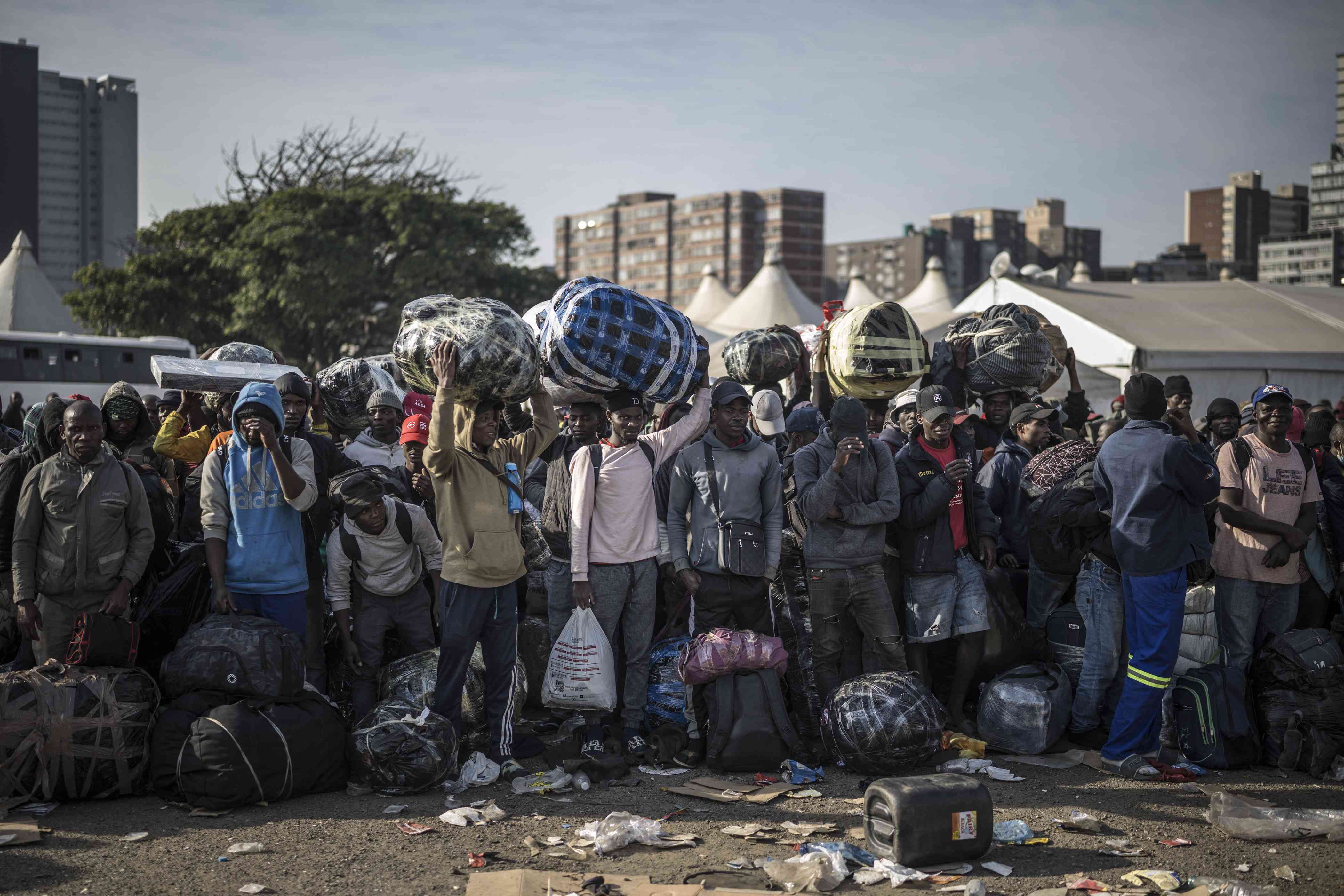
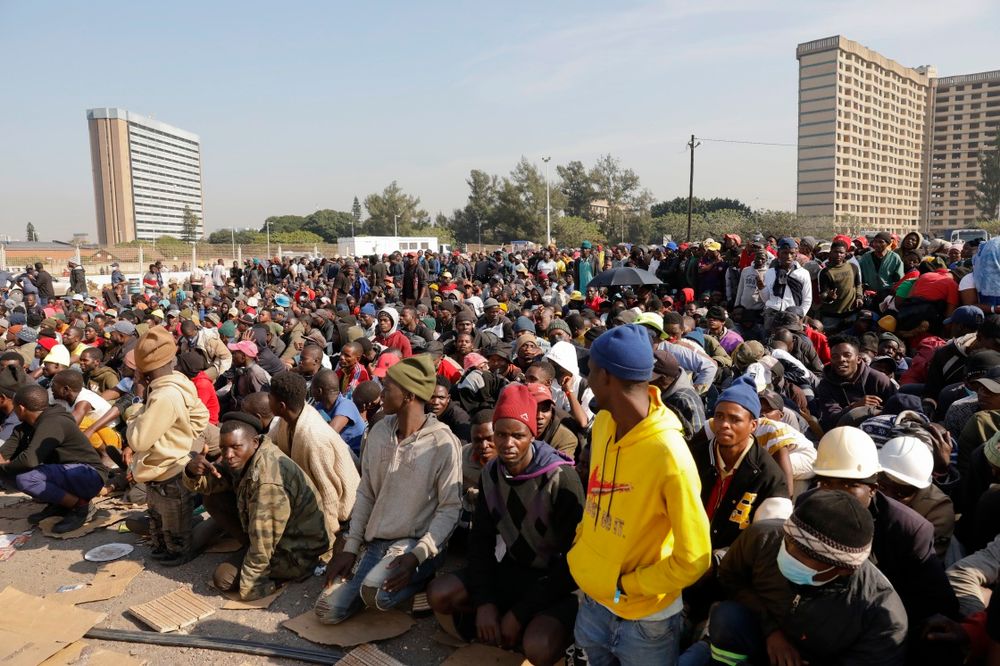
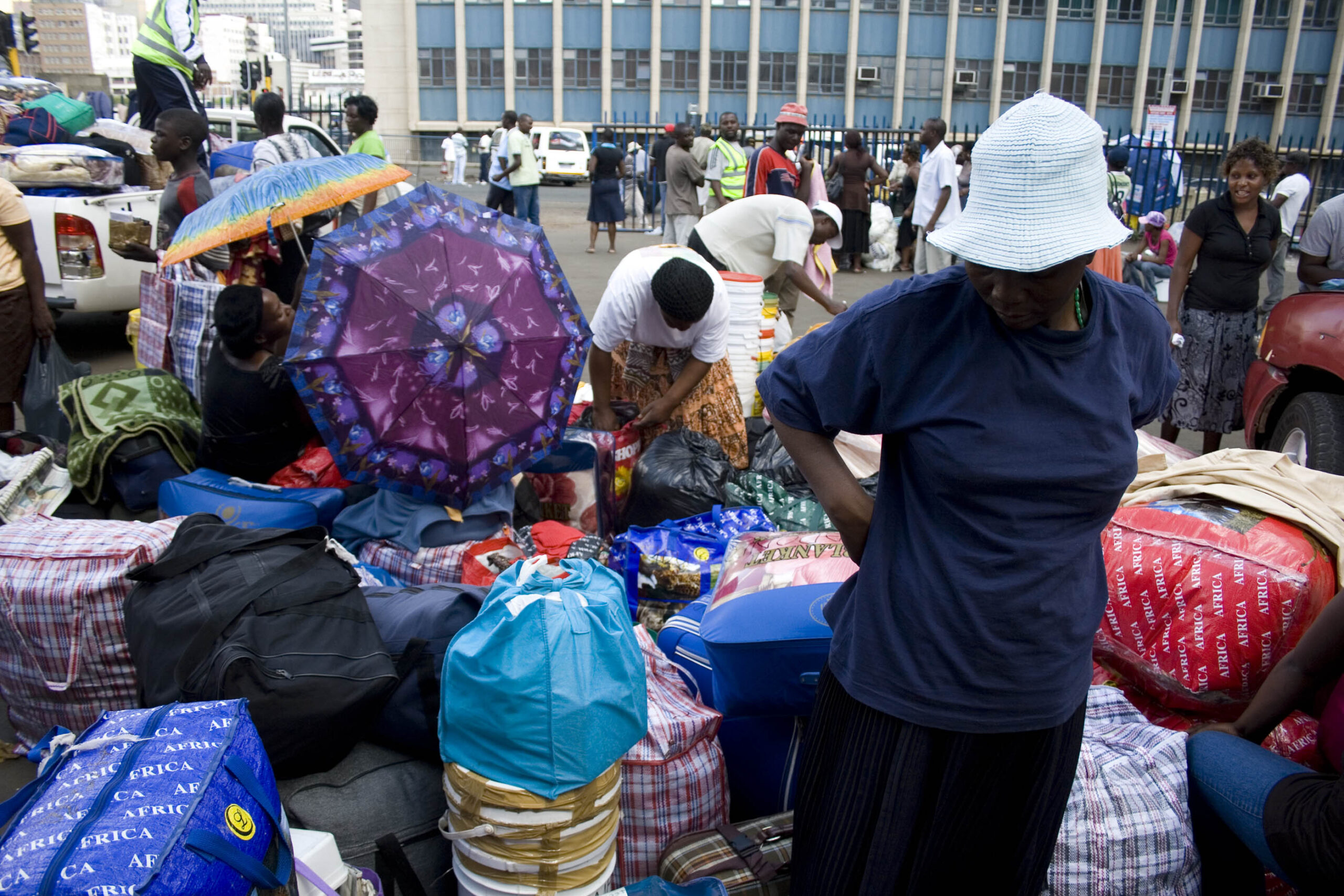
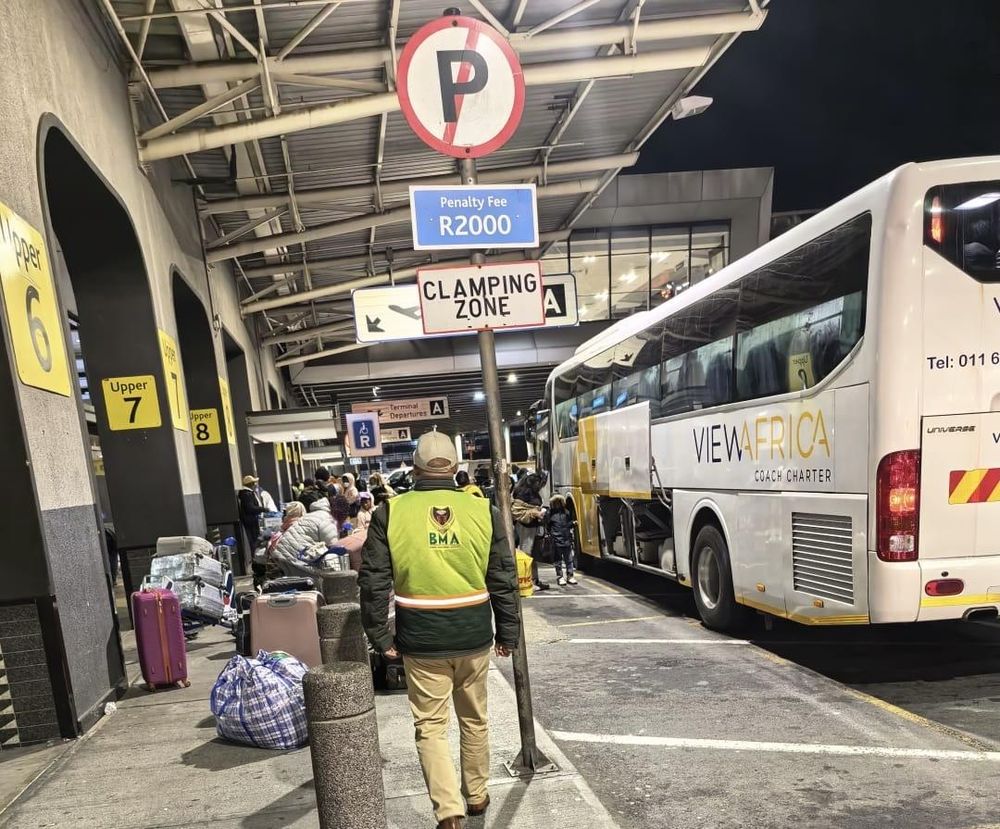
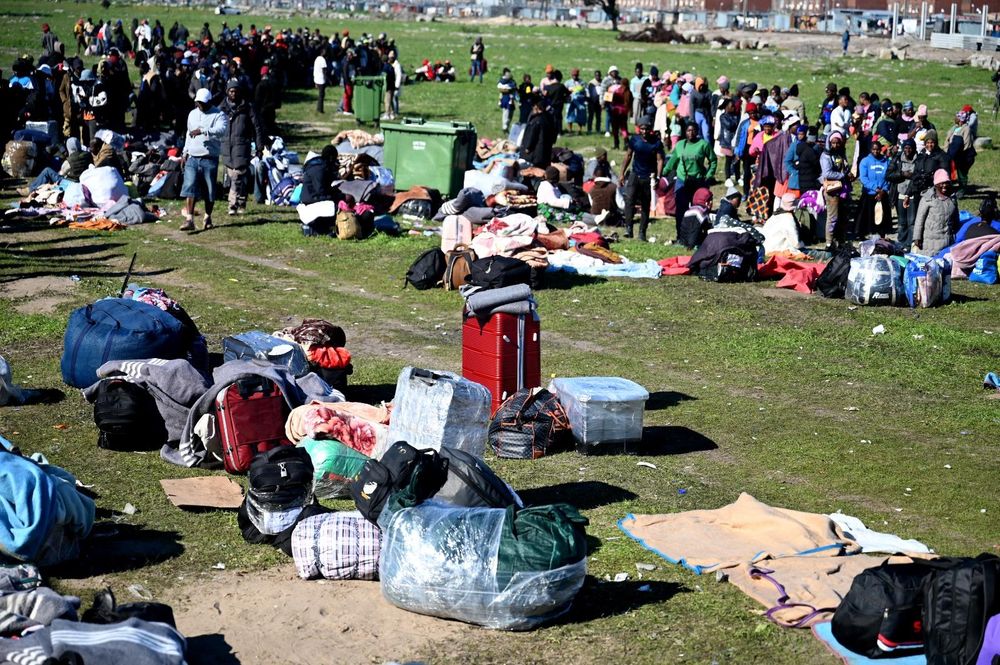
Today, many of the grandchildren of those who stood shoulder to shoulder with us arrive on our shores in search of opportunity and safety. Too often, they are met not with gratitude, but with suspicion, hostility and exclusion. That reality represents not only a humanitarian concern but also a deep diplomatic wound.
South Africa's migration crisis has become one of the defining challenges of our democracy. The pressures are undeniable. High unemployment, strained public services, crime and poverty have fuelled frustration among citizens who increasingly view migrants as competitors for scarce jobs and resources. These concerns deserve acknowledgement.