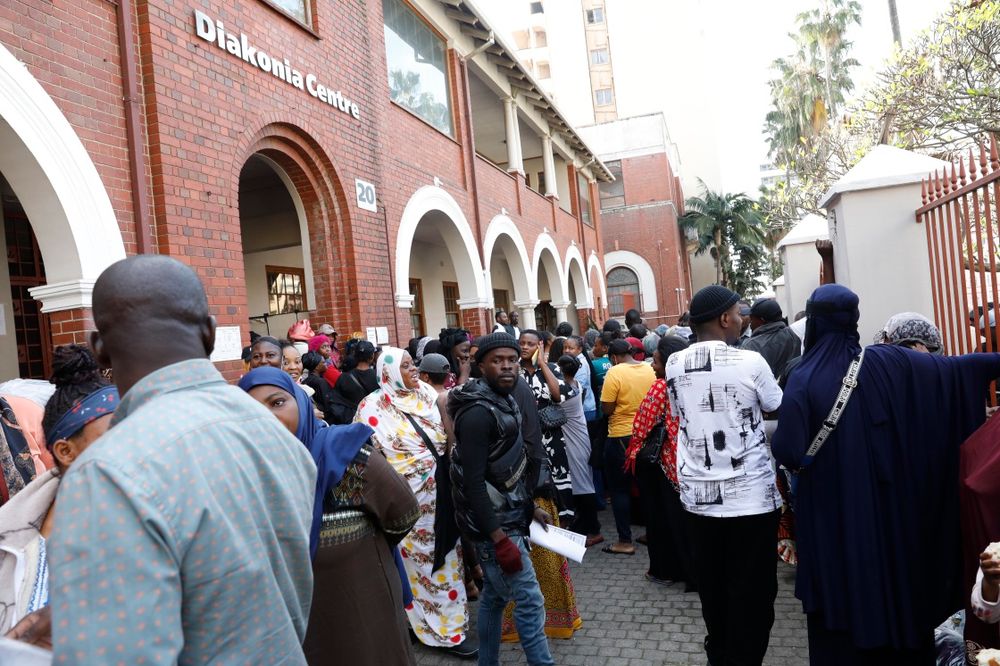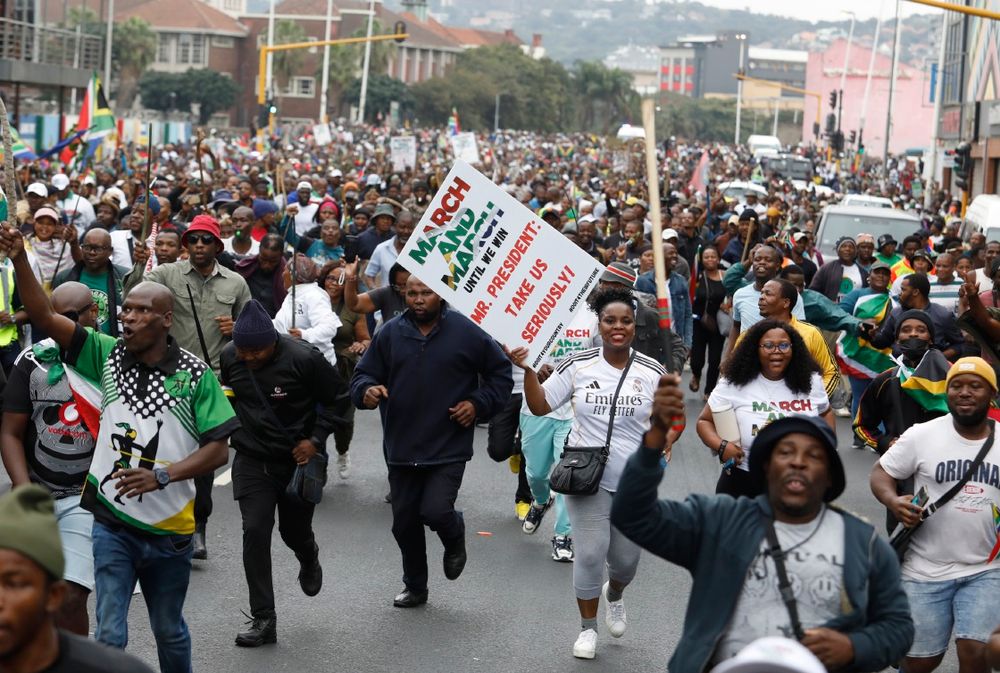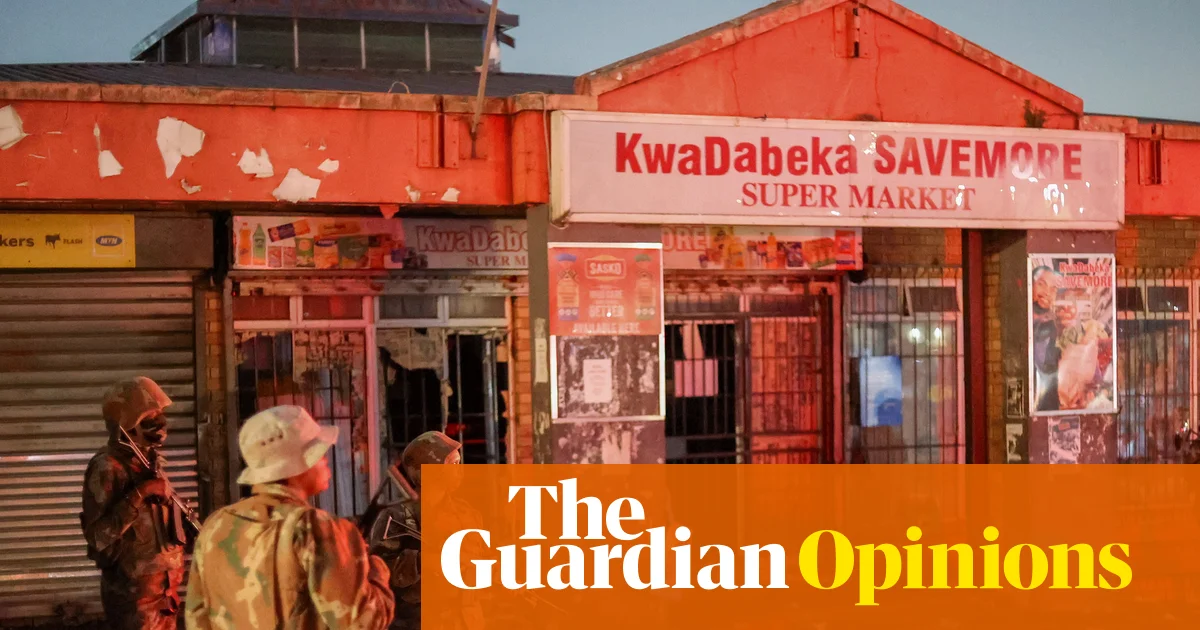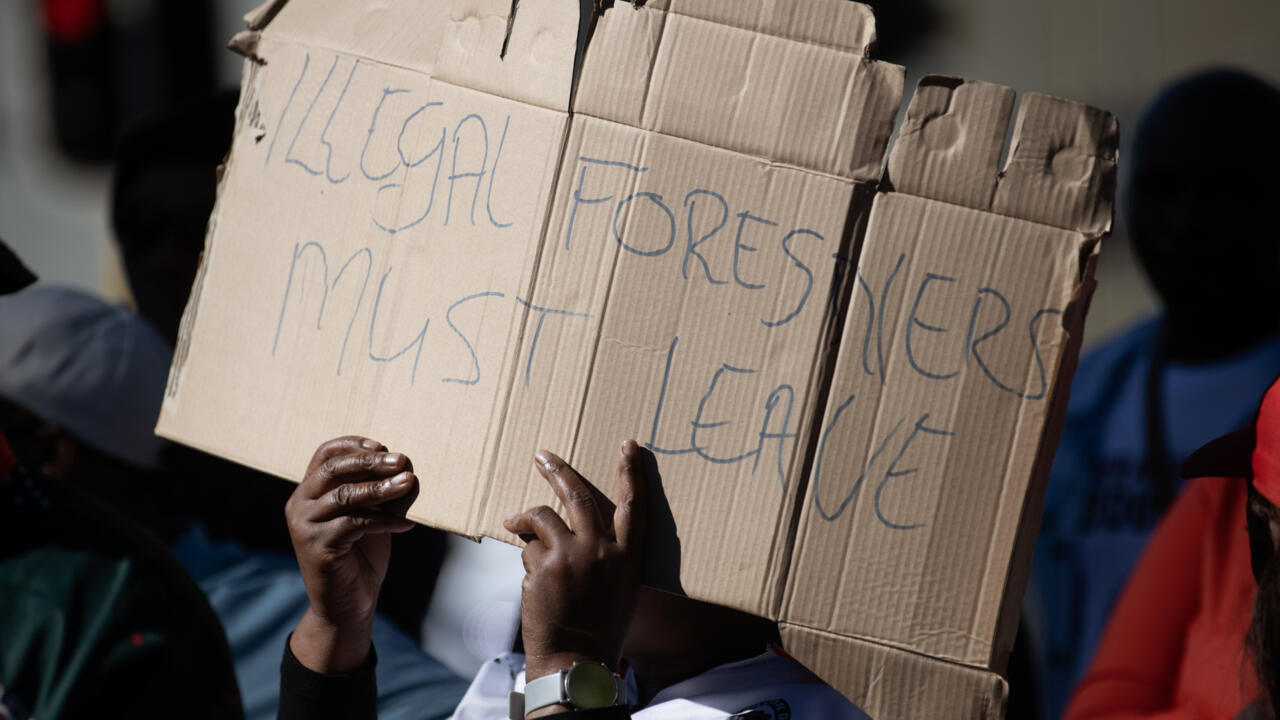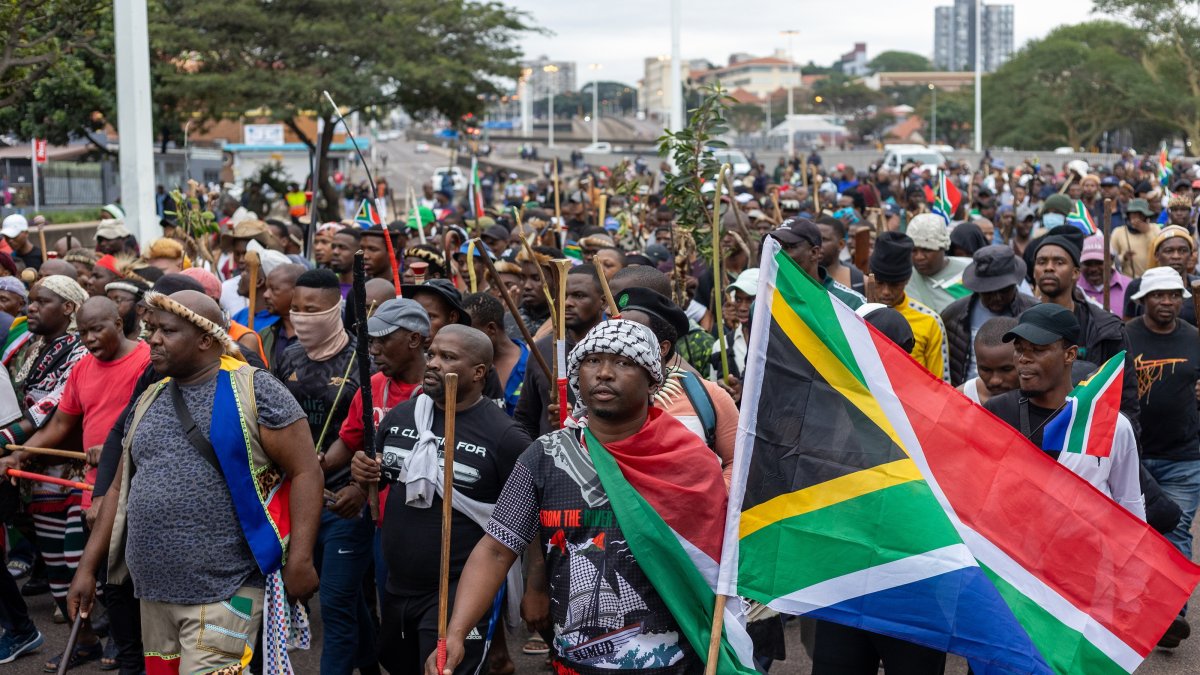
The global rise in migration and the xenophobia that has accompanied it have shifted state discourses on migration governance. South Africa has become a headliner in this debate, particularly following reports that anti-immigration civic groups such as March and March issued an ultimatum on June 30 demanding that foreign nationals leave the country. The protests that took place in Durban and Johannesburg attracted large crowds, prompting some foreign nationals to flee the country. These developments have elicited mixed reactions both domestically and internationally.
The controversy intensified following the alleged killing of a Ghanaian tailor, Bashiru Isak, in Khayelitsha, a township in Cape Town, amid the ongoing countrywide demonstrations. Following Ghana’s Foreign Affairs Ministry statement on the matter, the incident must have heightened diplomatic tensions between Ghana and South Africa and further amplified international concern over the treatment of migrants in the country.
Growing anti-migrant sentiment is not unique to South Africa; similar trends have emerged in countries such as the United States, the United Kingdom, and elsewhere. Concerns over securitization, labor market competition, border politics, undocumented migration and integration challenges increasingly shape migration policies all around the world. But, still, one might ask whether South Africa's anti-migrant protests were a matter of xenophobia or an attempt at self-preservation for better socio-economic growth.