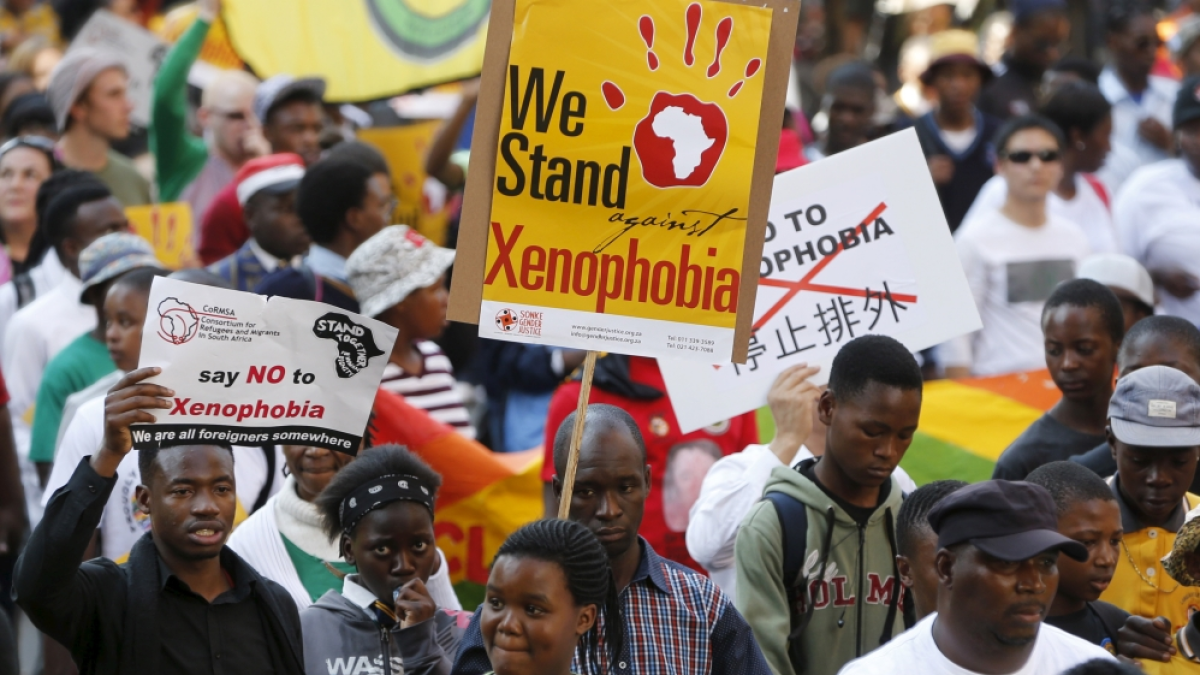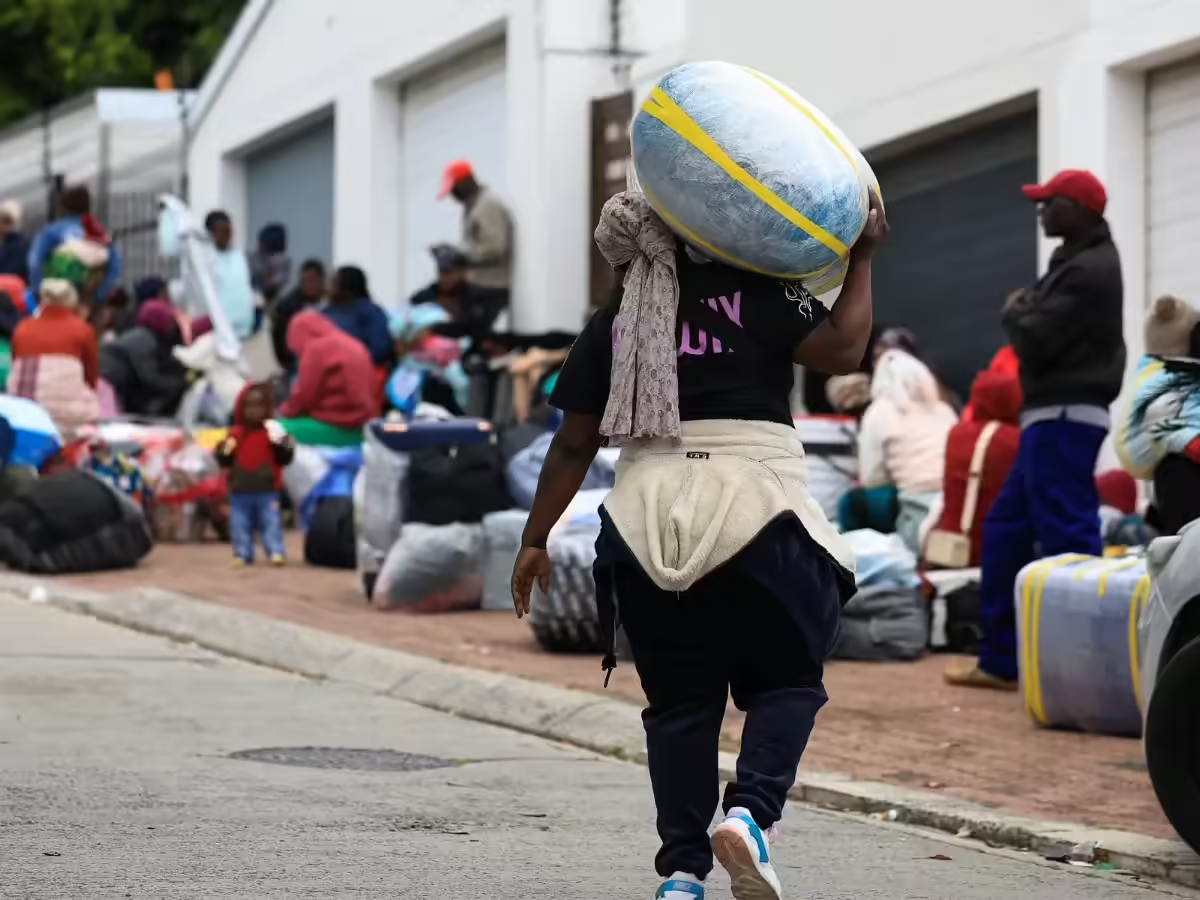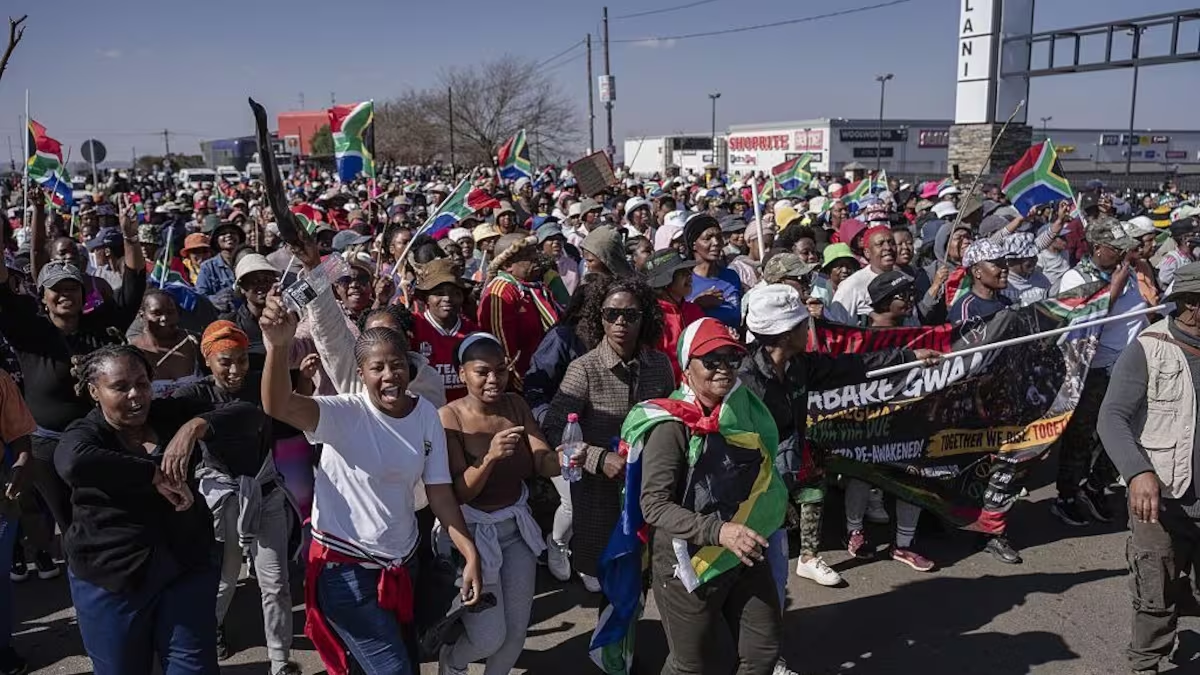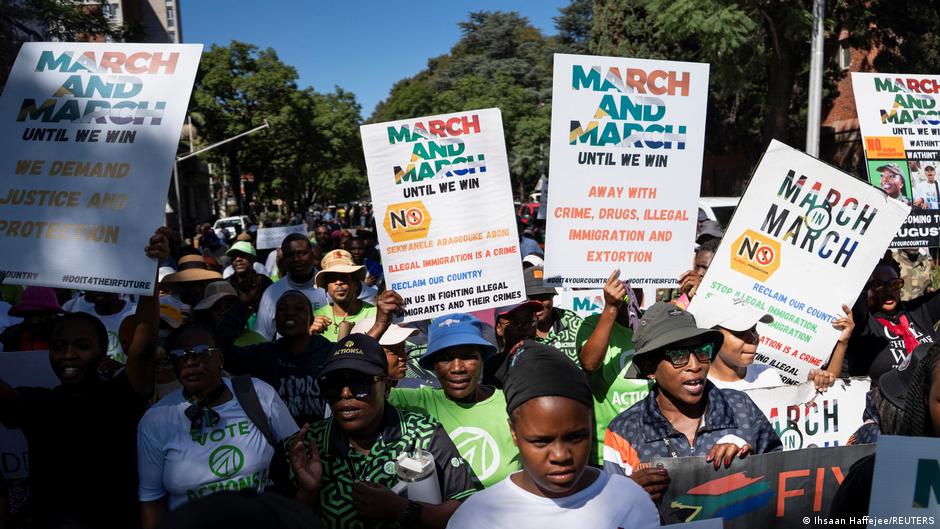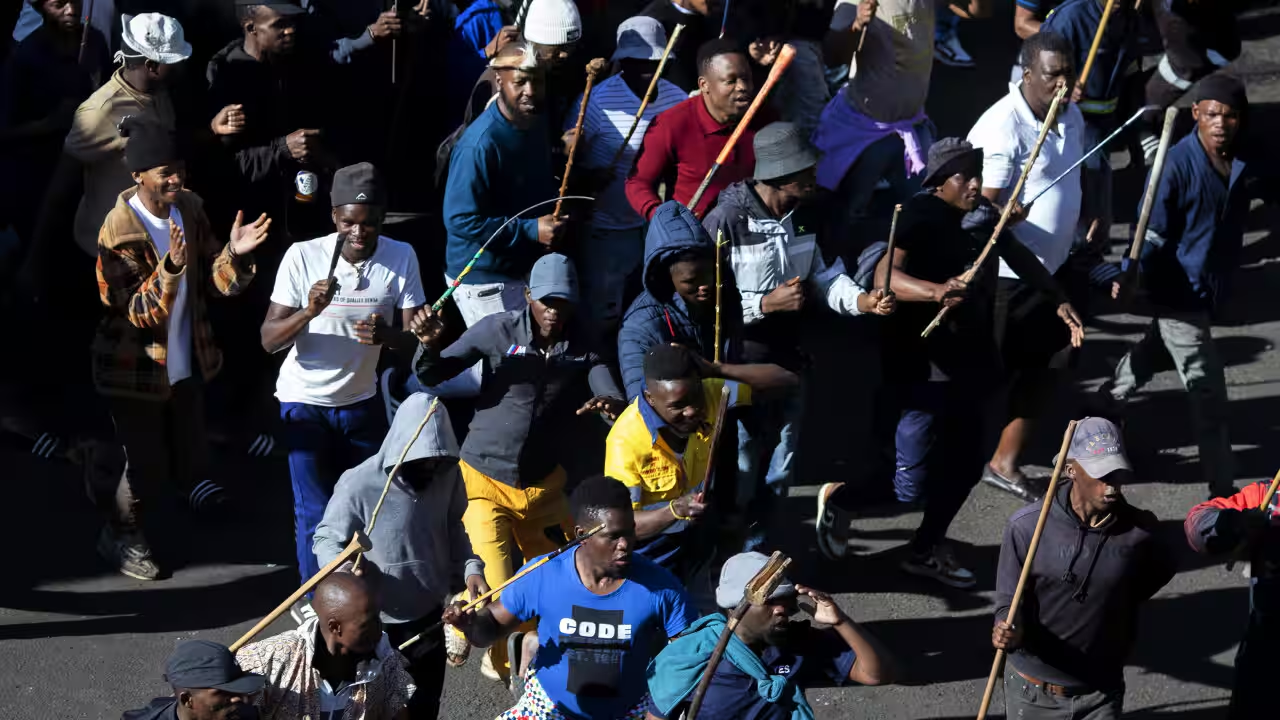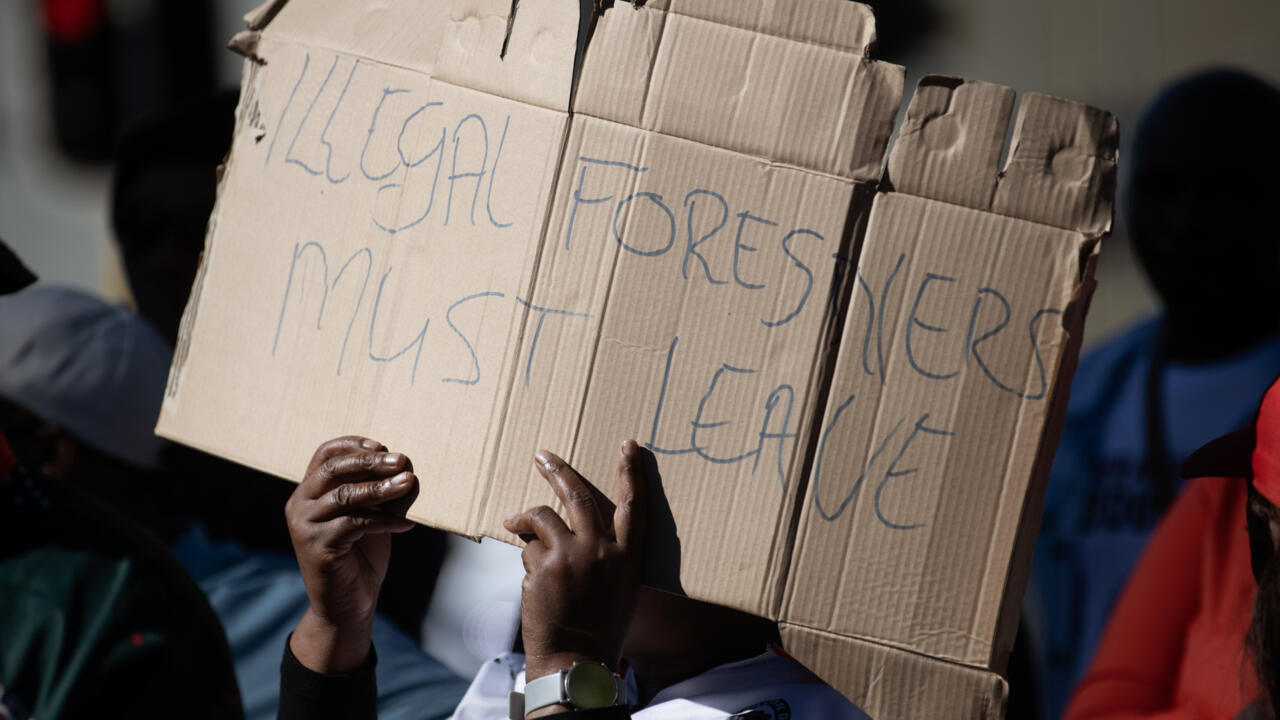
Johannesburg (AFP) – Anti-immigrant protests are flaring again in South Africa, with vigilantes threatening to remove undocumented migrants by June 30, reviving a politically charged issue in a country battered by economic hardship.
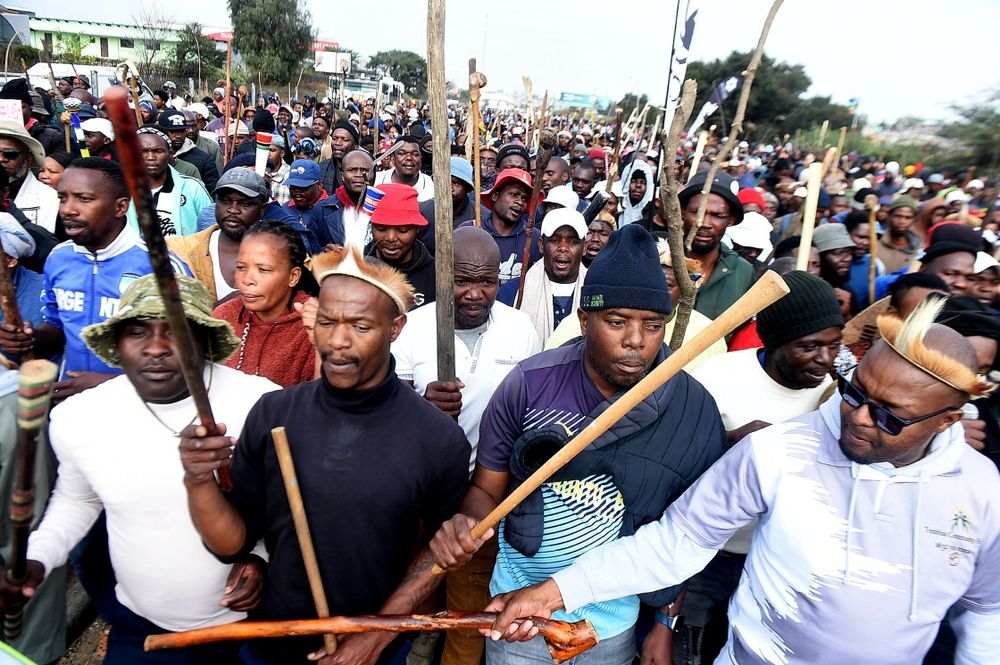
Waves of xenophobic violence, including in 2008 when dozens were killed, reflect deeper structural problems in Africa's most industrialised nation, analysts say.Here are five things to know about the latest unrest, which has drawn criticism from several African nations.What sparked the new wave?Mostly low-key demonstrations against migrants have been building for months after a flare-up late last year when undocumented foreign nationals were blocked from accessing clinics and hospitals.It reflects growing public anger over issues such as soaring joblessness, crime and pressure on resources, with a steady influx of mostly African migrants becoming a convenient scapegoat, analysts say.Some political forces also appear to be using the tensions to garner support ahead of municipal elections in November.South Africa is under pressure from global shocks and domestic policy failures, said William Gumede, professor of public management at the University of the Witwatersrand."We are going into a very difficult period," he said, pointing to "self-inflicted toxic policies" by government and its failure to reverse economic decline.There are roughly three million immigrants in the country, about 5.1 percent of the population, according to the national statistics agency. More than 63 percent come from neighbouring countries in the 16-member Southern African Development Community (SADC) bloc that are facing their own economic crises and political instability.With South Africa's unemployment rate of nearly 33 percent -- significantly higher when discouraged job seekers are included -- there is particular resentment towards working migrants.Who is behind the protests?Protesters have been whipped into action by a loose coalition of political parties and citizen-led xenophobic vigilante movements, some fronted by men in traditional Zulu dress.