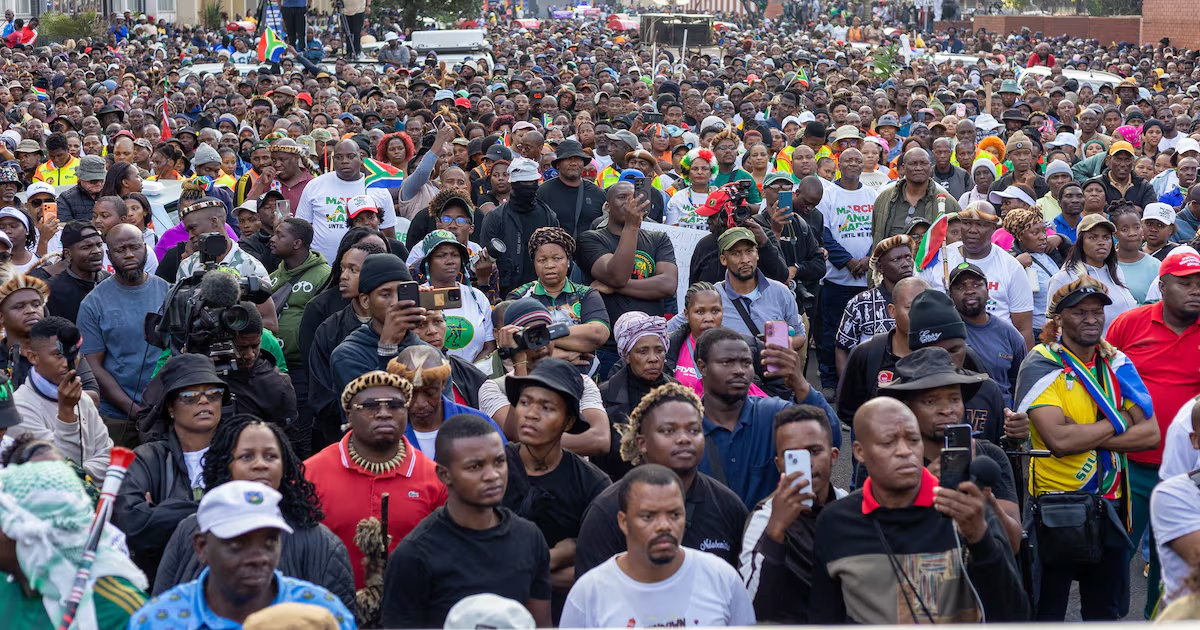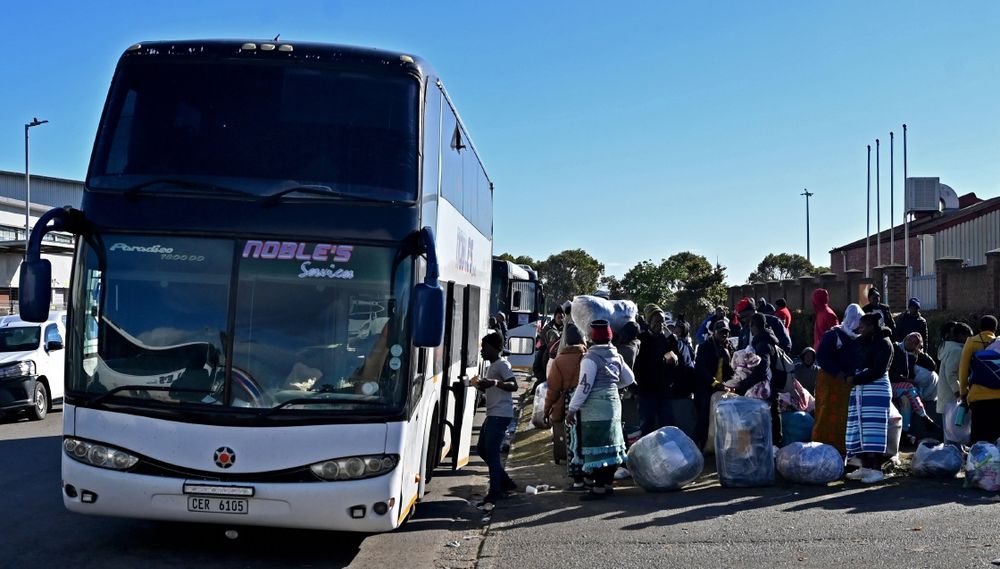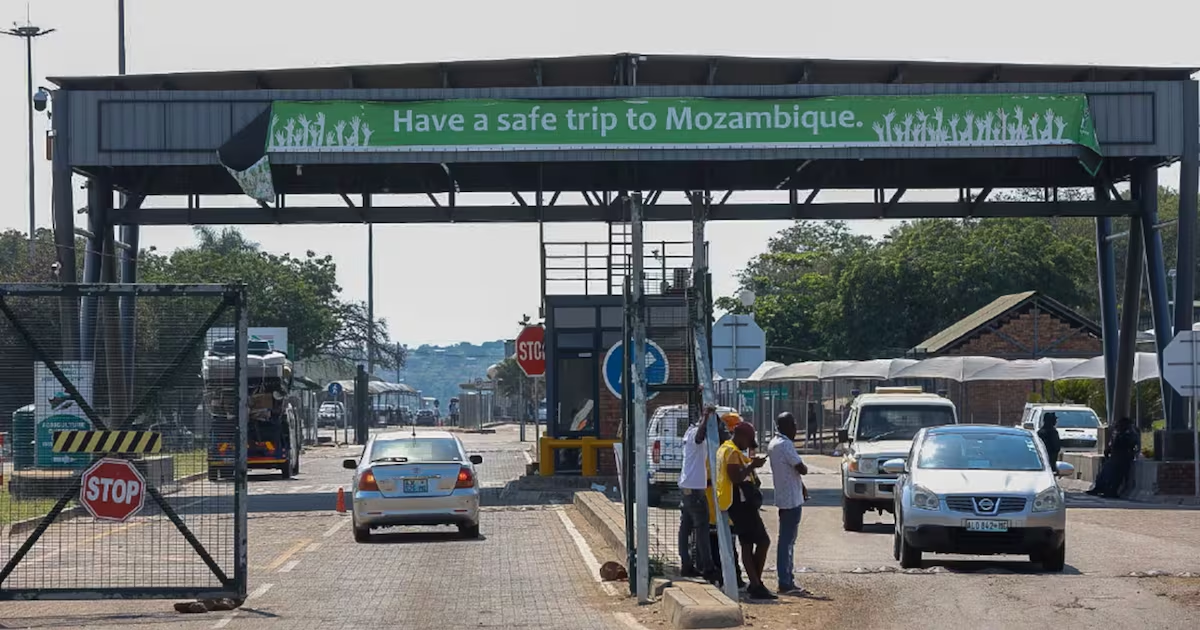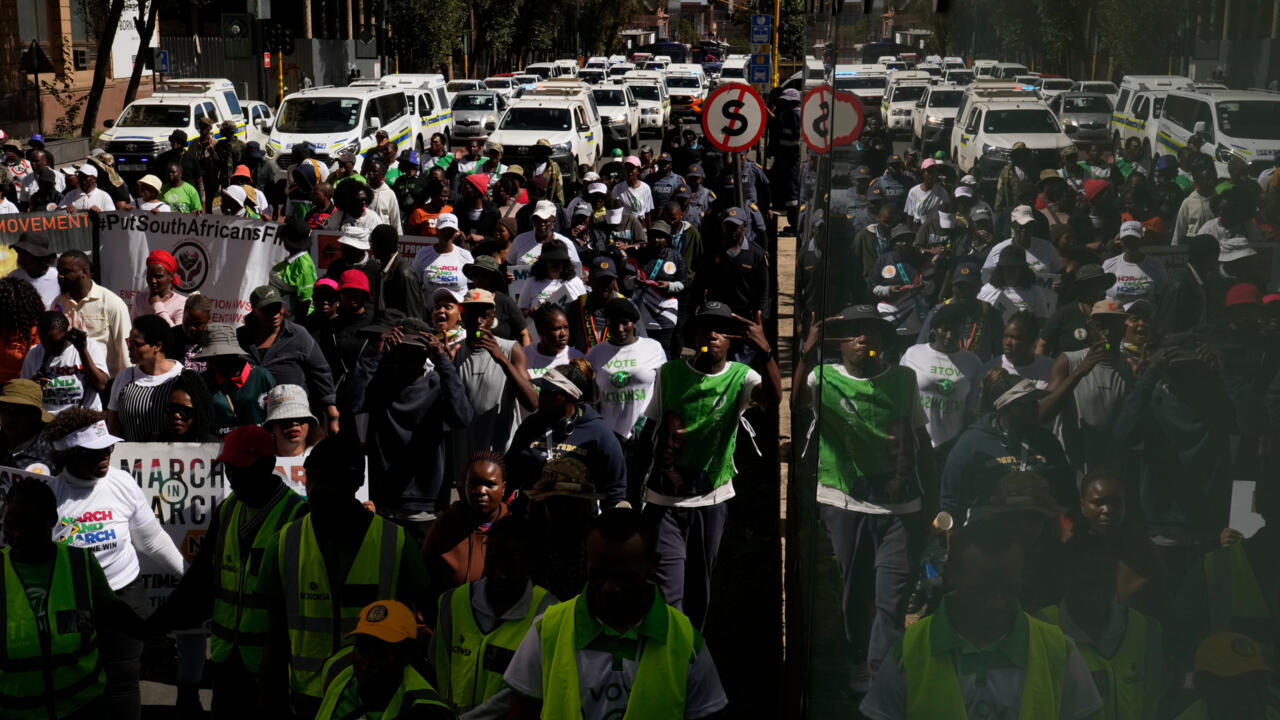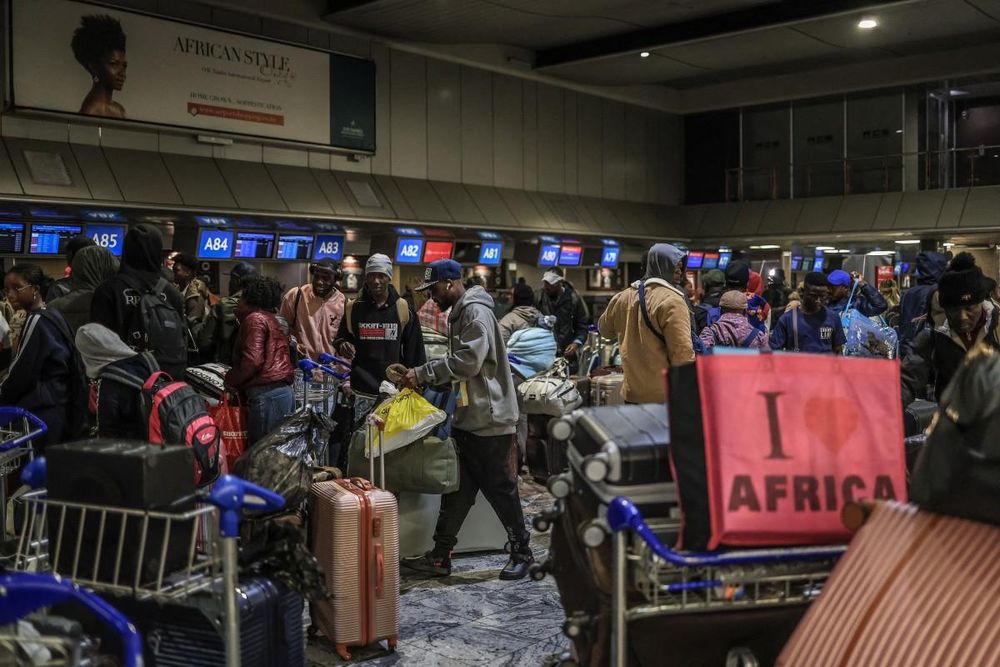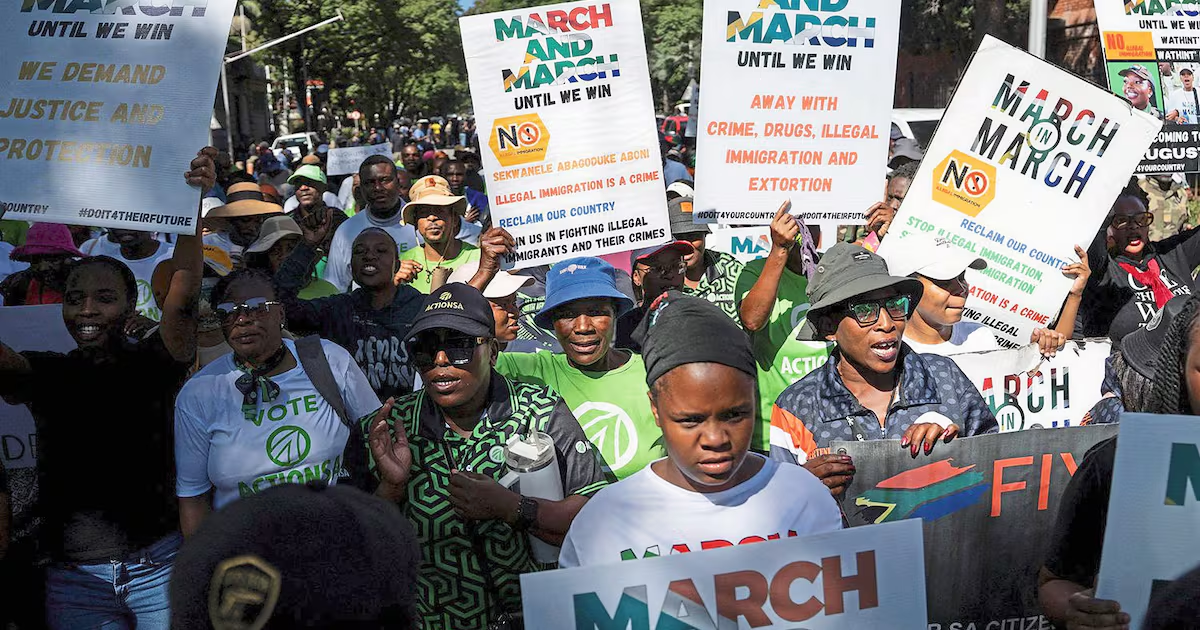
South Africa’s migration debate has become repetitive and unproductive. Public anger flares, foreign nationals are cast as the face of economic decline and the same arguments return. Yet the underlying reality does not change. Migrants are already part of the labour market, township commerce, rental markets and consumer economy. The real issue is not whether migration exists but whether South Africa is prepared to deal honestly with its economic consequences. Businesses should pay closer attention. Recent estimates by Stats SA place the immigrant population at more than 3-million. That is a material demographic fact with implications for labour supply, consumption patterns, market segmentation and urban demand. Any boardroom or policy forum that still treats foreign nationals as a temporary disturbance is misreading the structure of the market. Public debate still reduces foreign nationals to a security or welfare issue. That is too narrow. Migrants are also workers, traders, tenants, service providers and consumers. They move goods, money and demand through neighbourhood economies every day. In many local markets they are part of the operating fabric of commerce. For firms, this is ultimately a question of market intelligence. Foreign nationals are a distinct consumer segment, but they also connect South Africa to wider regional circuits of trade and remittance. Businesses that understand cross-border demand, mobility and informal distribution networks will be better positioned than those relying on an outdated picture of the domestic market. This is not an argument for romanticising informality. Migrant enterprise is often agile and networked, but weak regulation also allows illegality to enter supply chains, tenancy arrangements and labour practices. The answer is not periodic panic. It is a more capable state that can separate criminality from legitimate enterprise and enforce the rules more consistently. South Africa’s cities are already changing. Johannesburg, Tshwane, Durban and Cape Town increasingly reflect mixed populations in food systems, transport routes, housing demand and microretail geographies. The question is not whether this complexity is arriving. It is whether policy, planning and business intelligence are keeping pace. It is about the deterrent effect of national immigration policies on undocumented foreign nationals. Anti-immigrant protest is often presented as hard-headed realism. In practice, it is more often a sign of institutional failure. Protest can express public anger, but it cannot generate credible migration data, enforce labour law, improve municipal management or produce growth. At its worst, it turns legitimate frustration into social hostility without addressing the underlying economic problem. The labour market is central to the problem. In a weak economy precarious migrants can become attractive to employers because they are easier to underpay and less able to insist on protection. That fuels resentment, but it also points to a harder truth: some firms and labour brokers profit from vulnerability while publicly endorsing the language of order. A serious response must address migration management and the business models that depend on weak enforcement. Business leaders should not treat this as someone else’s problem. If companies want a more stable operating environment they cannot continue to benefit from opacity, informalised labour and weak enforcement in lower tiers of the economy. A more serious corporate response would ask where migrant consumer markets are growing, how cross-border value chains are shifting, and which employment practices are creating legal and reputational risk. For the state the agenda is straightforward: improve documentation systems, strengthen border management, enforce labour law more consistently and produce migration statistics that can anchor public debate. Migration will not disappear because it is denounced more loudly, and social cohesion will not be restored by using migrants as a substitute explanation for weak growth and poor governance. South Africa can continue to treat migration as a politics of blame, or it can recognise the country as it is: demographically mixed, economically interconnected and increasingly shaped by cross-border movement. For business, migration is no longer a side issue in the political economy. It is one of the realities already helping to organise the next phase of the market. • Dr Mathebula, a columnist from the Thinc Foundation, hosts Thinc Conversations on BDTV and is a research associate at Tshwane University of Technology.
LUCKY MATHEBULA | SA cannot scapegoat its way out of a migration economy
Improved documentation, law enforcement and recognition of migrants’ role required
684 words~3 min read