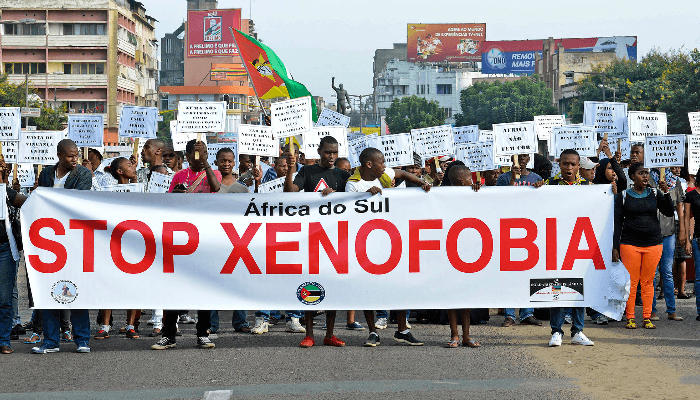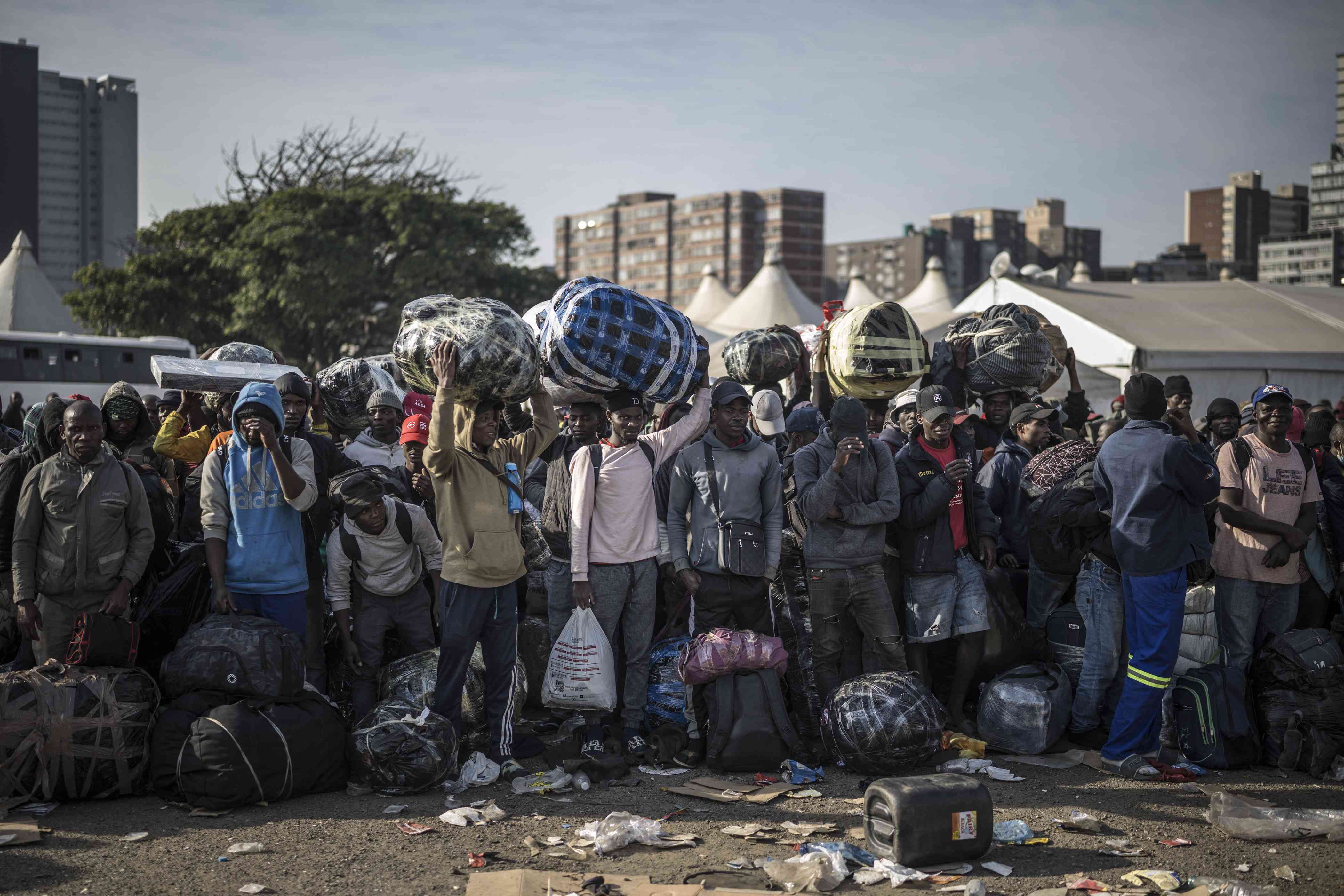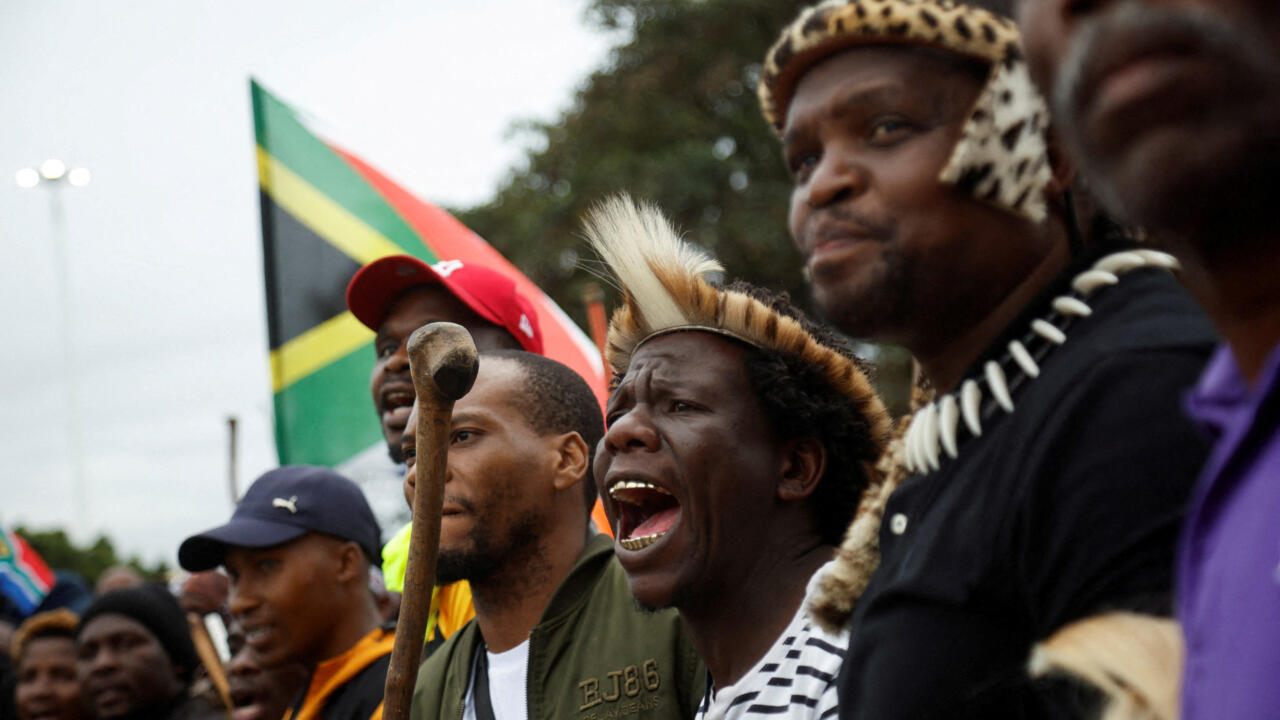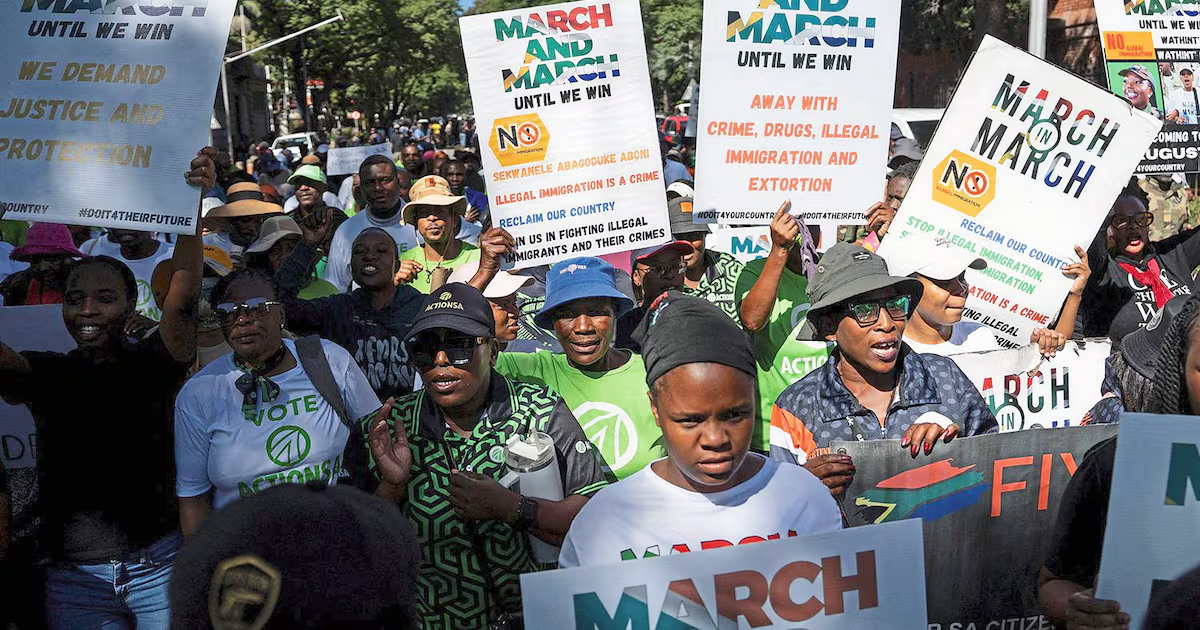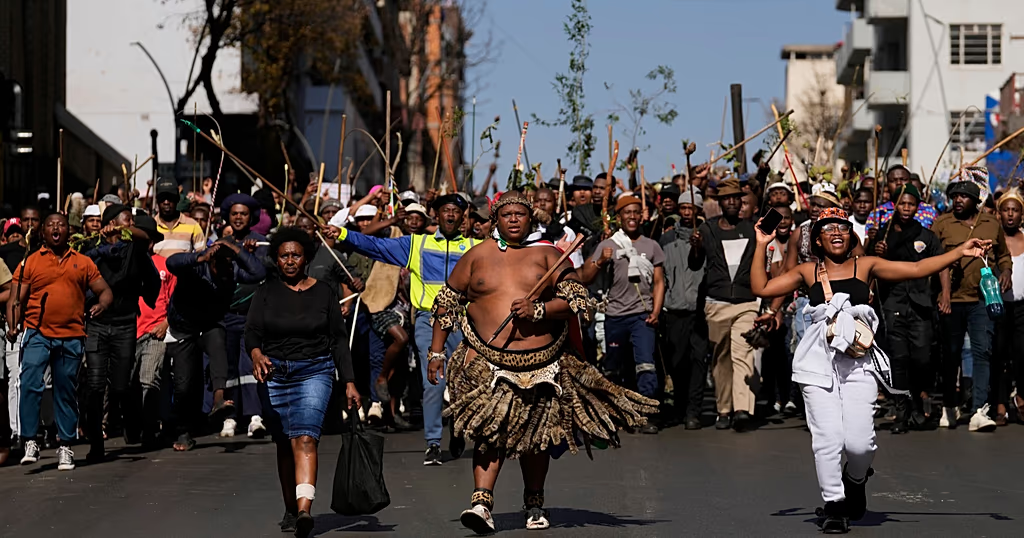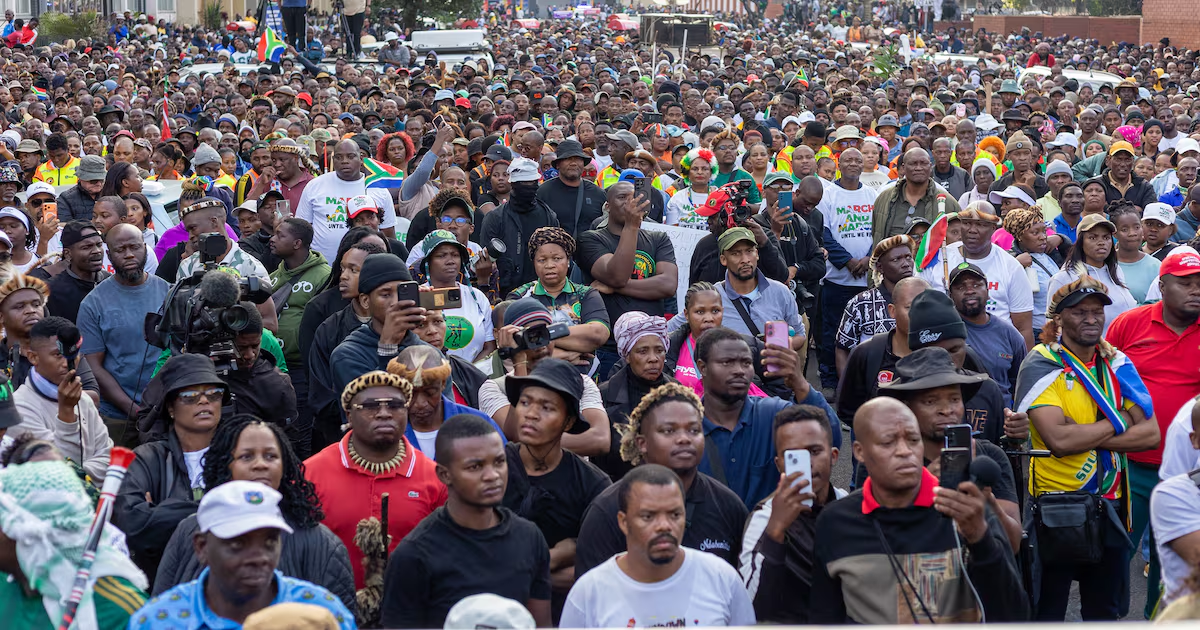
South Africa’s heated debate over migration risks obscuring the country’s deeper economic problems, according to economists who say sluggish growth, persistently high unemployment and regional instability — rather than migration — are driving growing public frustration.The comments come amid heightened anti-migrant sentiment and nationwide protests targeting undocumented foreign nationals that have led to thousands of migrants fleeing and governments across the continent issuing travel advisories to their citizens. Independent economist Duma Gqubule said international migration should be viewed as a symptom of uneven economic development across Southern Africa rather than the source of South Africa’s economic difficulties.Read: SA steps back from brink on anti-migrant protest day — Ramaphosa creditedThe most significant regional development since 1994 has been Zimbabwe’s economic collapse, which has fuelled migration into South Africa, he said.“The statistics show clearly that the only thing that has really changed since 1994 is the collapse of the Zimbabwean economy, and Zimbabweans are the number one international migrants.”Years of weak economic growth have left South Africa with persistently high unemployment, creating conditions in which migrants have become convenient scapegoats, he added.“We call them economic migrants, so obviously at its root it’s about economic policy.”Gqubule said that if South Africa had matched the average growth achieved by comparable emerging and developing economies, unemployment could have been substantially lower.He also criticised what he described as years of fiscal austerity, arguing that declining public investment has weakened economic growth and job creation.“There was a time when it wasn’t like this,” he said, noting that South Africa averaged annual GDP growth of about 4.4% between 2003 and 2008. “We created 3.1-million jobs, and unemployment came down to 20.7% from 40.6%.”Gqubule attributed that performance to stronger government investment in infrastructure and public spending. “But all that has happened now is that government has stopped spending on its people and infrastructure,” he said.“Infrastructure spending has collapsed by 43% over the past 17 years. That is the number one reason for our country’s low growth. We’re not investing in our people.”Official statistics indicate South Africa’s migrant population has remained relatively stable over the past decade, despite perceptions that the country is experiencing an unprecedented influx. Infrastructure spending has collapsed by 43% over the past 17 years. That is the number one reason for our country’s low growth. We’re not investing in our people.— Duma GqubuleAccording to Stats SA’s Census 2022, international migrants account for just under 4% of the population, while the country’s latest migration estimates continue to show it is primarily regional, and Zimbabwe and Mozambique remain the largest source countries. Research also indicates that migrants participate across the formal and informal economies. Gqubule cited Stats SA data that shows about 1.4-million international migrants were employed in 2022, including about 580,000 in the formal sector and about 538,000 in the informal economy.International research broadly supports those findings. Studies by the World Bank and other international institutions have found that migrants frequently contribute to entrepreneurship, labour market participation and job creation when they are successfully integrated into host economies. For Gqubule, however, the long-term solution lies beyond immigration policy. He said South Africa should prioritise boosting economic growth, abandon austerity measures and work more closely with neighbouring countries to address the underlying drivers of migration.“The minute we stop austerity and start investing in our people, the economy is going to grow faster,” he said.Gqubule also called for a stronger regional diplomatic strategy to address political and economic instability, particularly in Zimbabwe.“We have to solve these problems at source,” he said. “We have to have a more robust foreign policy. We have to solve this problem as a region.”He argued that migration should be understood primarily as an economic issue rather than solely a legal or security concern. “If my family is here and I’m in Zimbabwe, there’s no border control that’s going to stop me from joining my family.”He warned that repeated outbreaks of xenophobic violence risk damaging South Africa’s standing across Africa.“I think South Africa has become a pariah state on the rest of the continent,” he said. “People are terrified of what’s happening in South Africa.”He urged South Africans to place greater emphasis on official evidence rather than public perception.“South Africans must just focus on the data,” he said. “Stats SA is an excellent agency. There’s so much information around the international migration issue in South Africa ... and people refuse to look at the data.”
Economists: SA’s migration debate obscures deeper crisis
Official data for past 10 years doesn’t support the notion of an influx of foreigners
730 words~3 min read