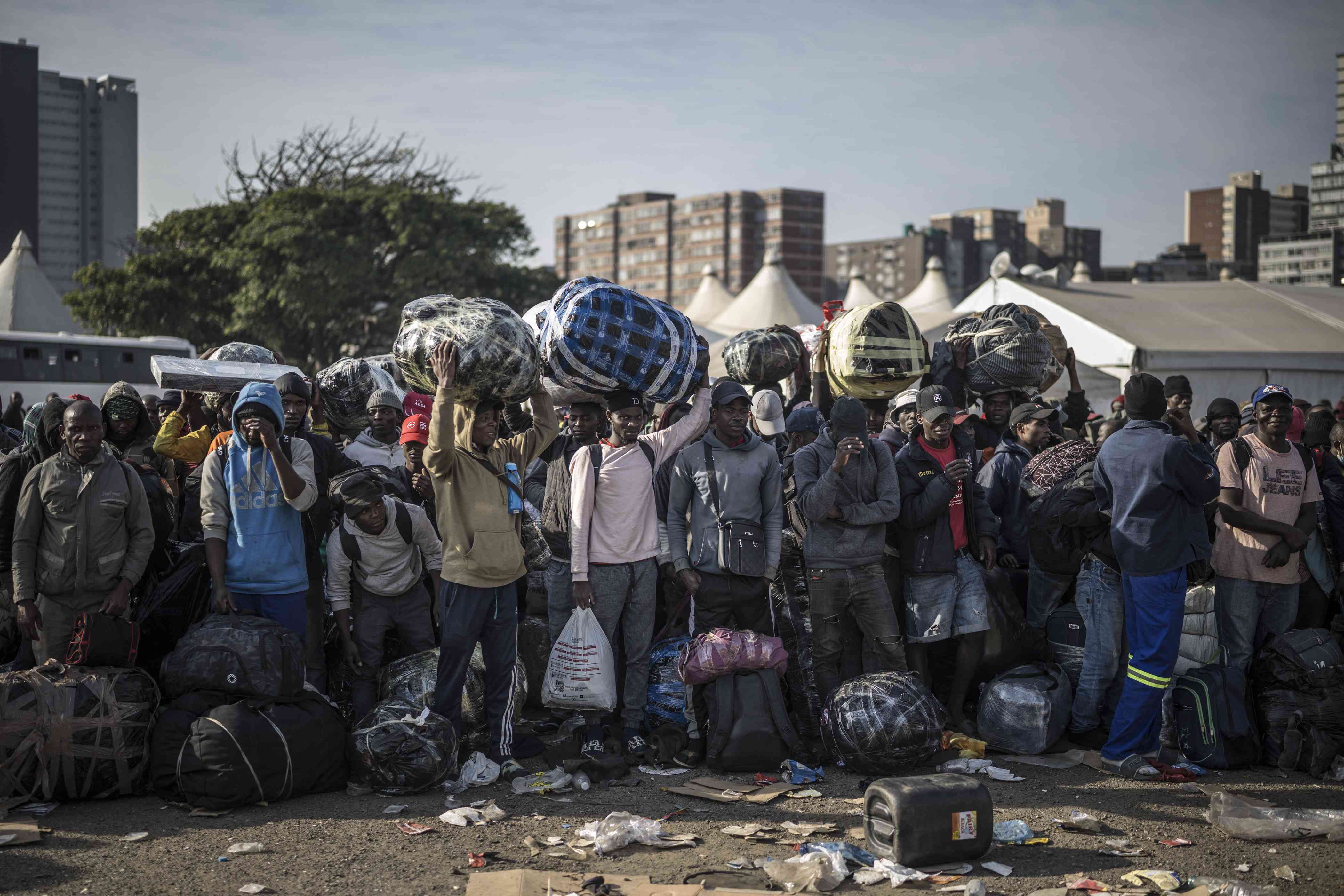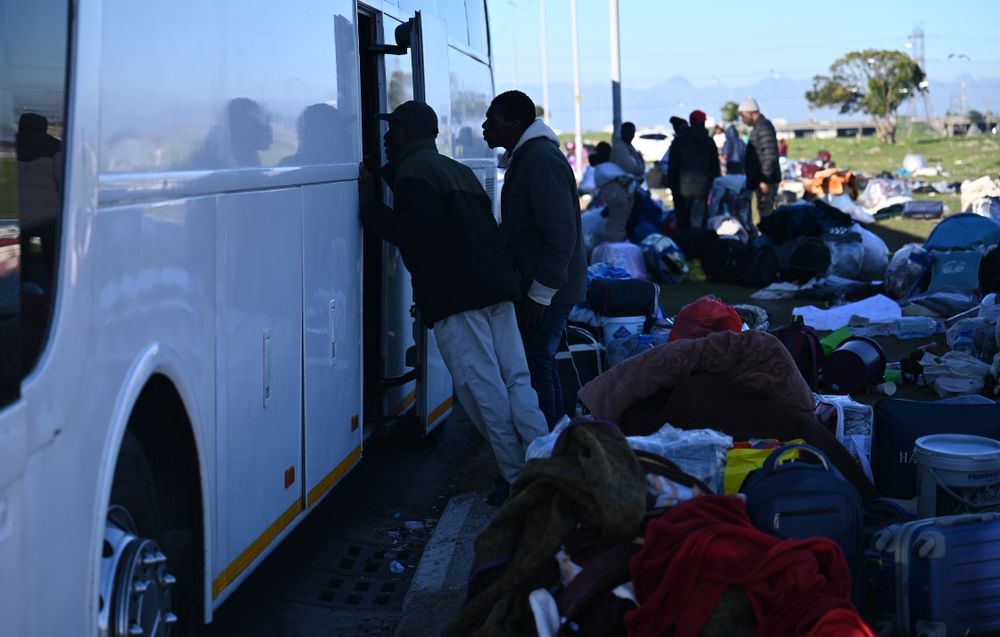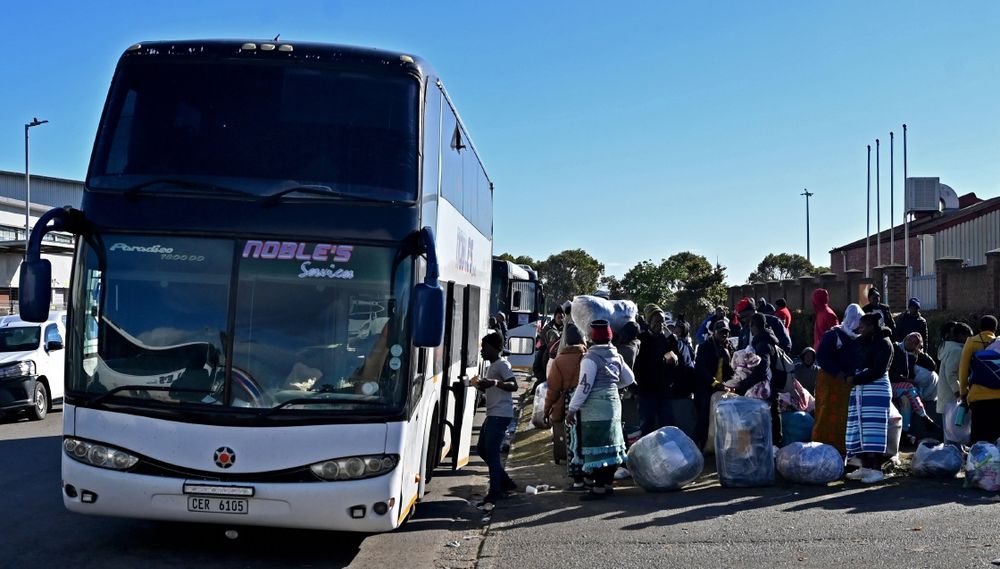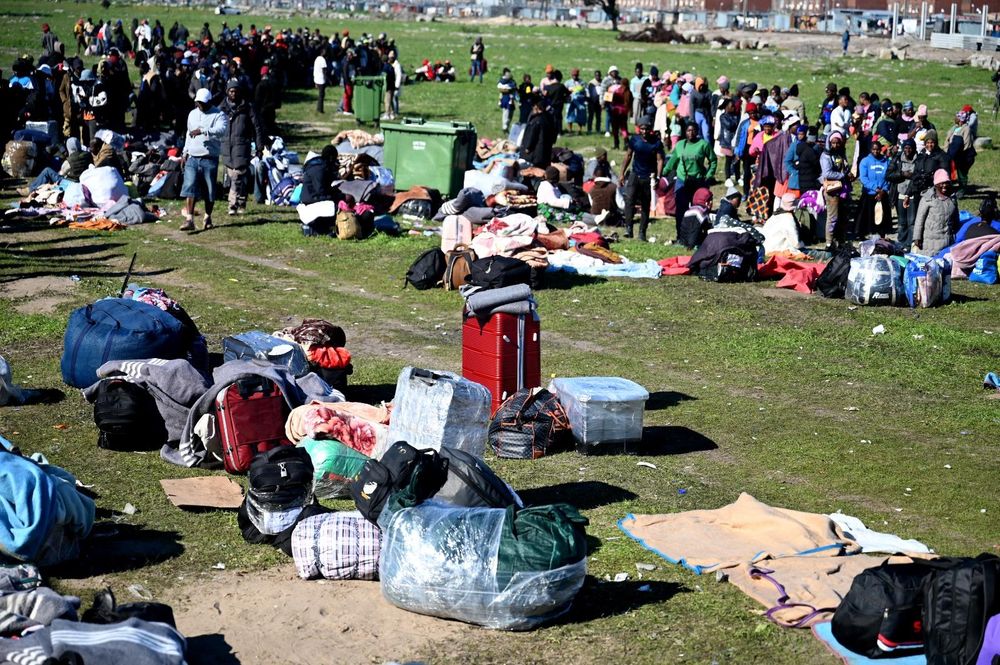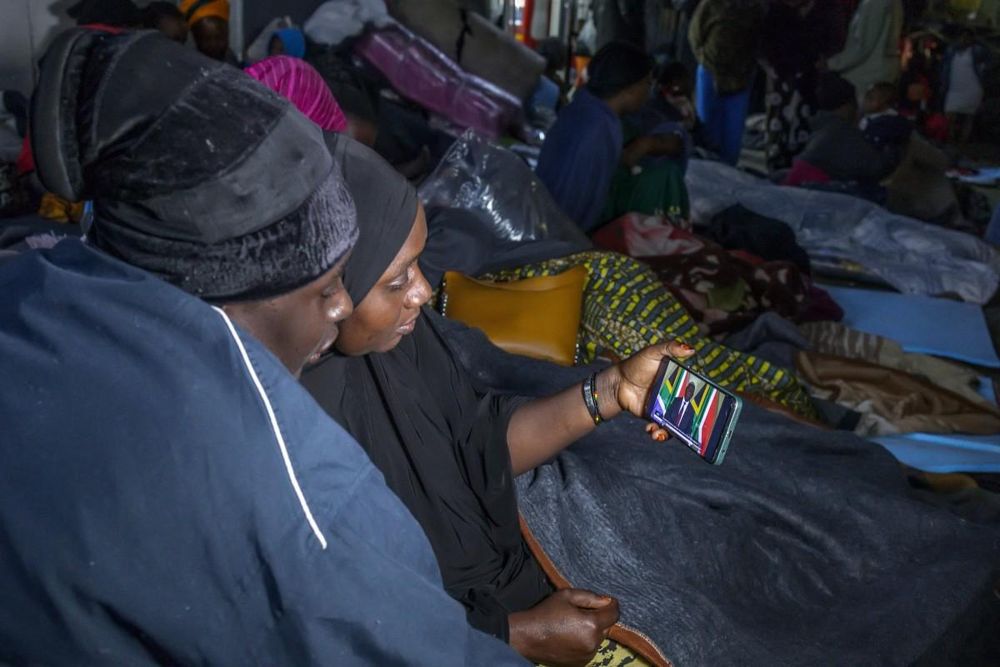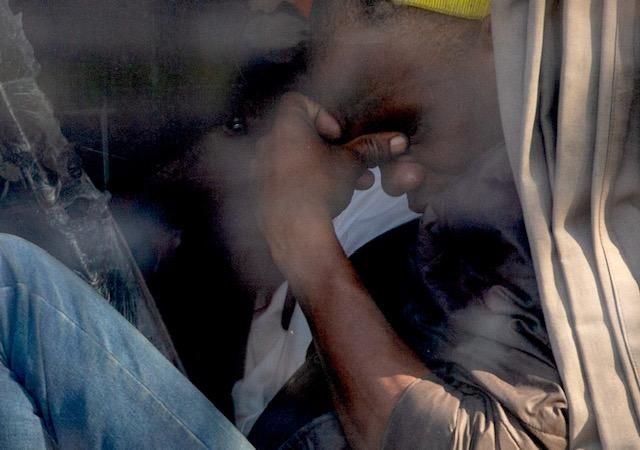
Repatriated foreign nationals sit inside buses at Durban’s Old Drive-In site as authorities coordinate transport operations under tight security. The writer argues that employers who exploited these undocumented migrants bear heavy responsibility for the crisis, claiming many chose to extract the last of their labour before abandoning them in the middle of winter following the closure of the repatriation centre.
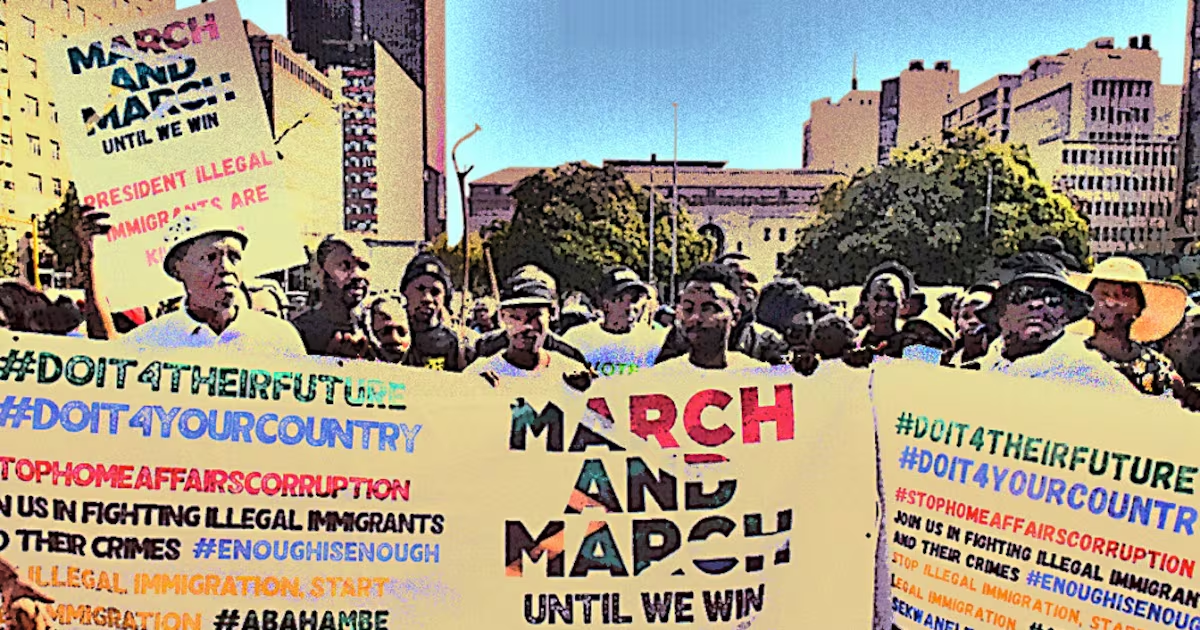
The debate around illegal immigration has, from the outset, exposed a glaring class divide. Much of the activism has been framed as a battle between the poor and those who lecture them from a comfortable distance. While many middle-class commentators have been quick to condemn anti-illegal immigration movements, they often fail to acknowledge why many poor South Africans are far angrier about the issue.
For many low-income communities, the effects of undocumented immigration are not an abstract policy debate but part of everyday life. Years of poverty have already dealt them a difficult hand. Their children compete for limited places in overcrowded public schools. At clinics and public hospitals, they wake before dawn in the hope of receiving medical treatment because facilities are overwhelmed and resources are stretched.