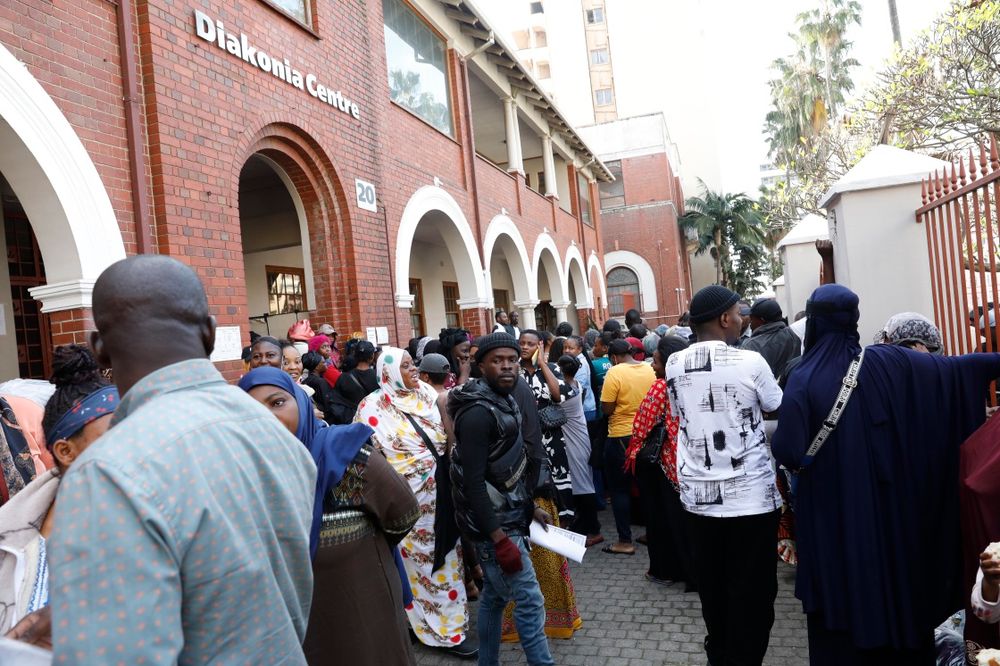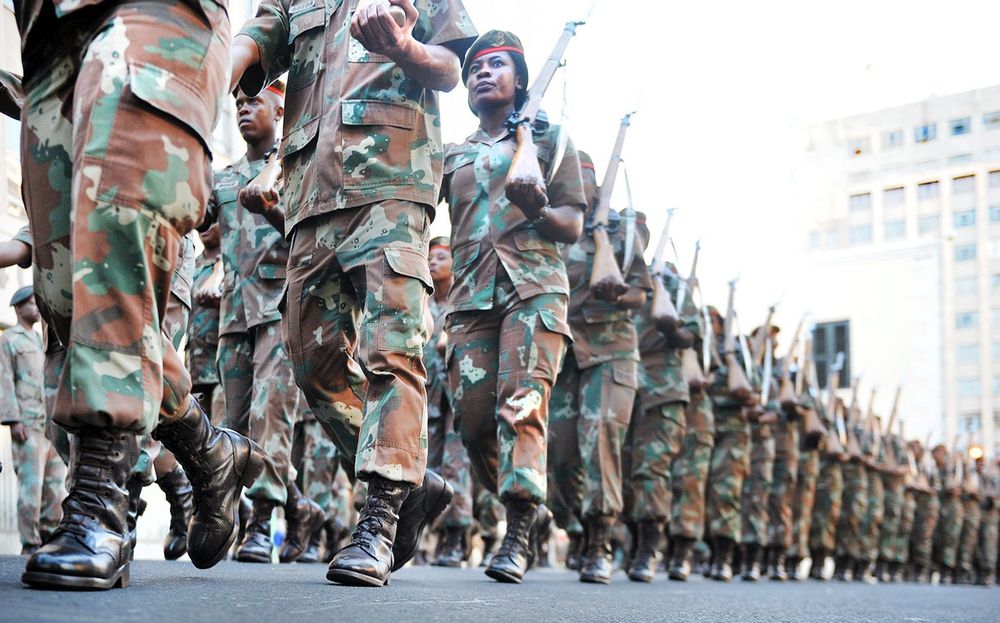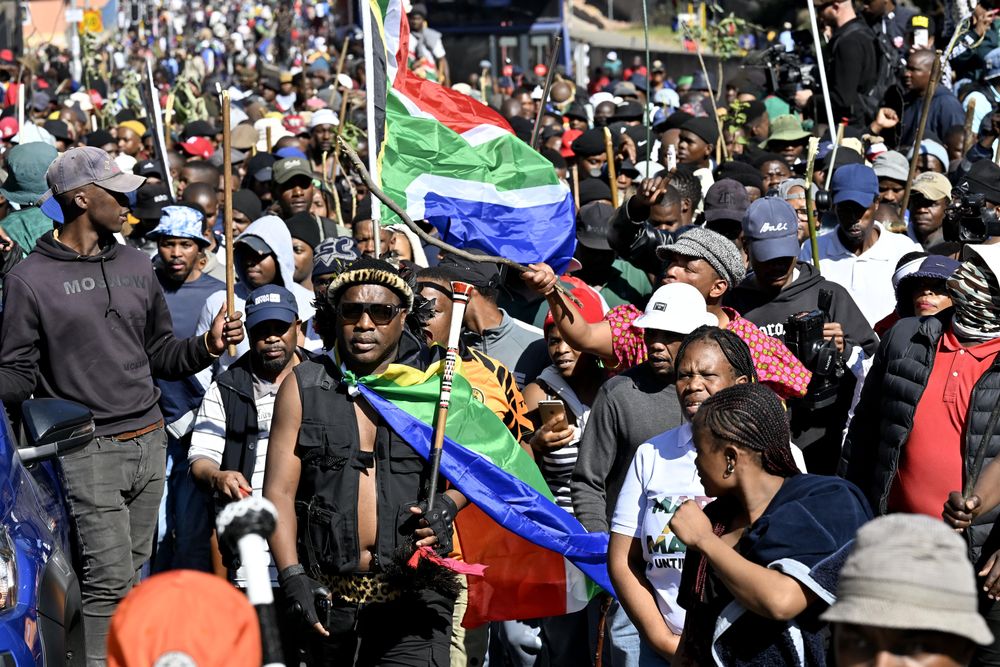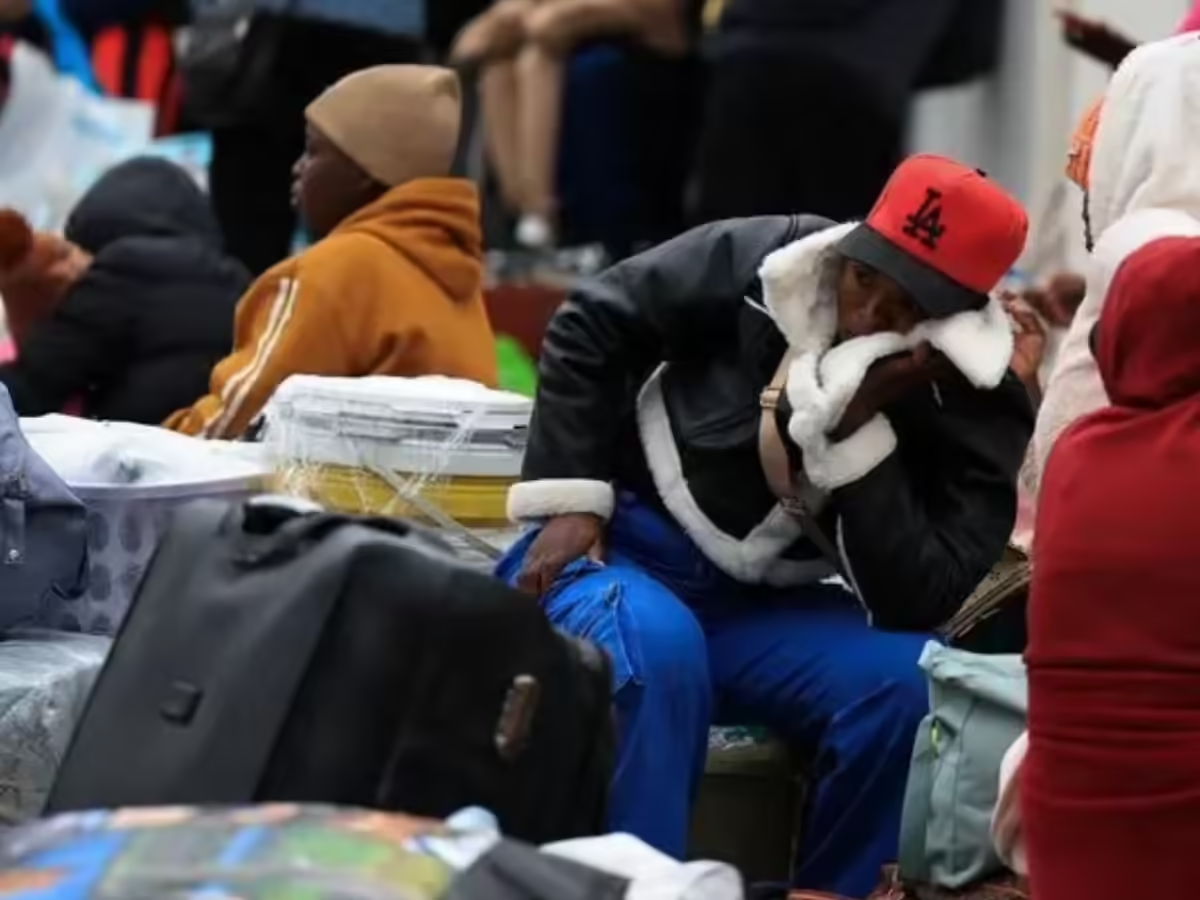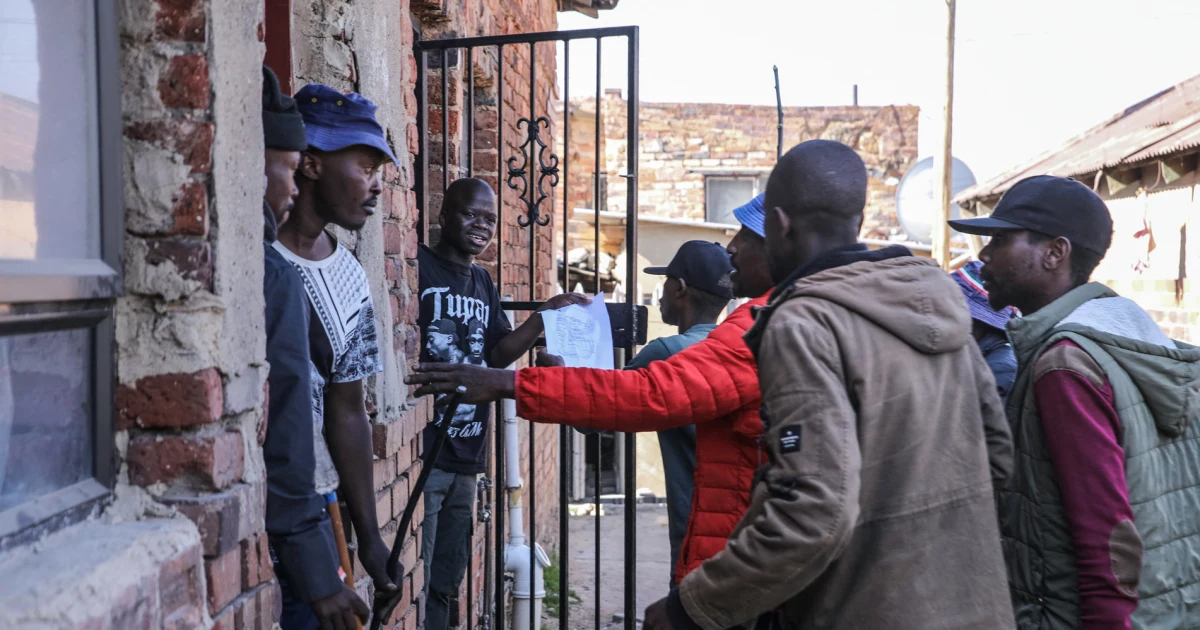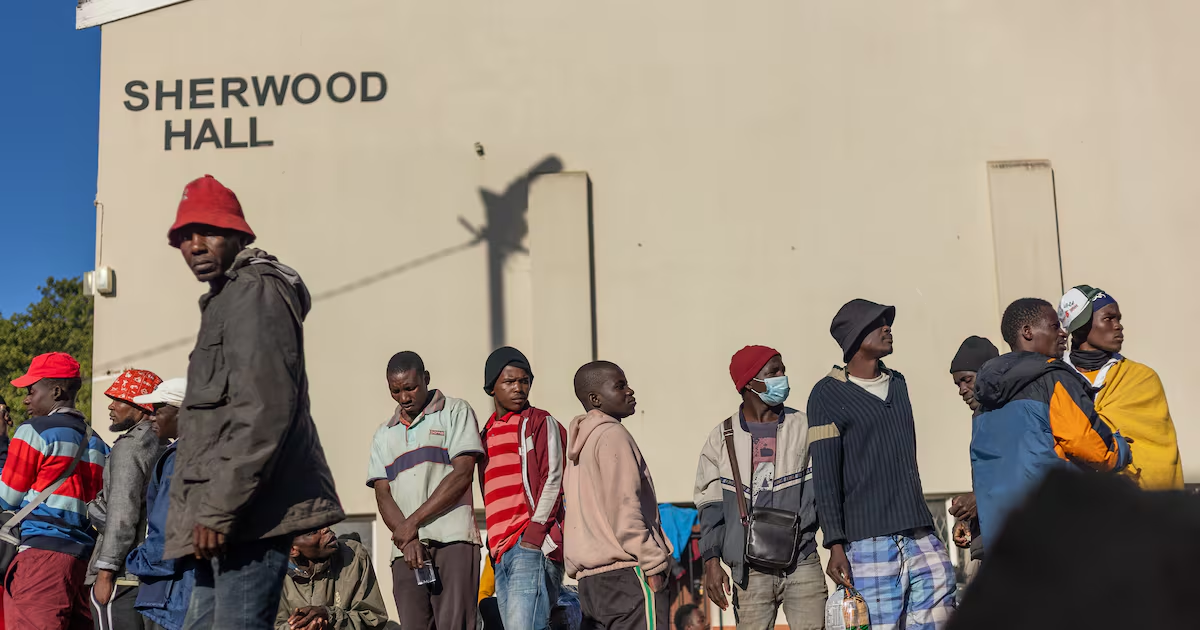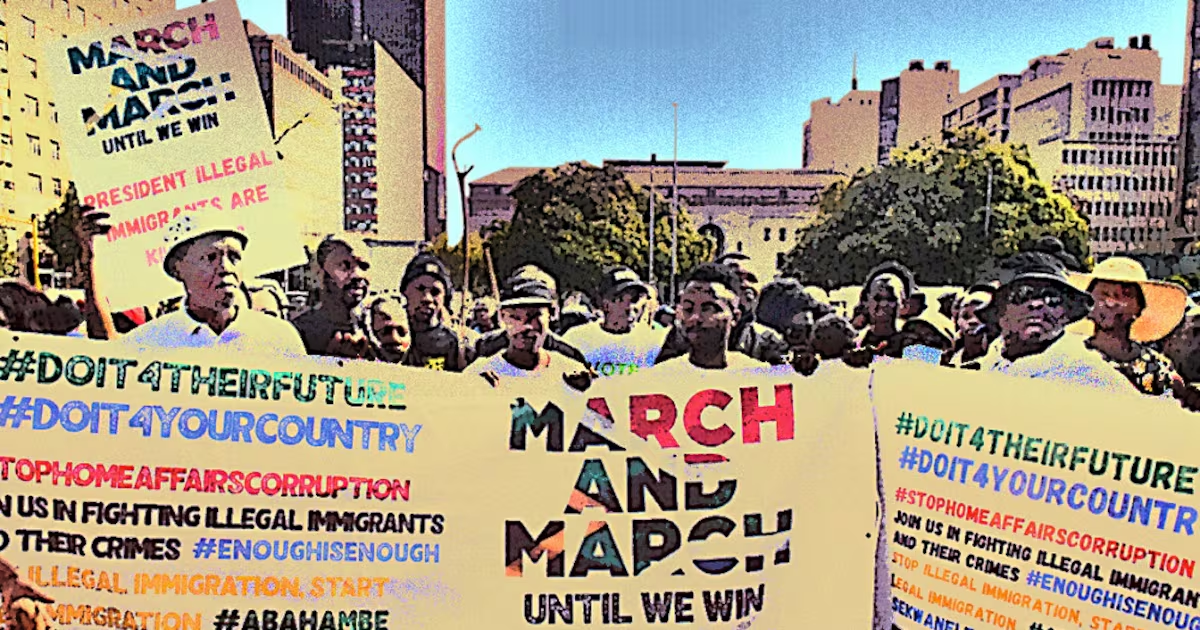
Gauteng and other areas of the country have for several weeks seen civil society groups marching to protest against illegal immigration. These groups argue undocumented migrants put pressure on public services and enable exploitation in the formal and informal economies. They are calling for the immediate deportation of all illegal immigrants to their home countries, with a particular focus on African illegal immigrants. Tensions over illegal immigration happen all around the world. They are not only a problem in South Africa. The tensions come from struggles with controlling borders, economic pressures and challenges integrating different groups into society. Because Gauteng is the country’s economic hub and a key driver of the economy of the wider Southern African Development Community region, it is at the centre of the debate. The province attracts people from across Africa and beyond who are looking for better opportunities. We cannot avoid this debate forever. However, to address it honestly we must recognise the real, connected causes of illegal immigration: unstable governance on the continent, corrupt officials who sell fake documents, businesses that exploit foreign workers with lower wages and turn locals against migrants, and an economy still shaped by the unfair legacies of apartheid. Only by facing these facts can we balance the realities of immigration with what is truly best for South African society, the economy, and our role in Africa. We cannot avoid this debate forever. However, to address it honestly we must recognise the real, connected causes of illegal immigration: unstable governance on the continent, corrupt officials who sell fake documents, businesses that exploit foreign workers with lower wages and turn locals against migrants, and an economy still shaped by the unfair legacies of apartheid. Gauteng has 16-million people and is the fifth-largest regional economy in Africa. Its financial sector, which includes many JSE-listed companies, helps drive trade across the continent. About 31% of Gauteng’s goods go to other African countries, and since 2024 South Africa’s total trade with the rest of Africa has reached about R700bn. The province is a key gateway to the African Continental Free Trade Area. A manufacturer in Ekurhuleni is not only looking at serving 62-million local people but also at reaching a continental market of 1.4-billion. International investors factor in this clear advantage when choosing to invest in Gauteng, and closing our borders would destroy it. These economic and trade figures are real and cannot be ignored in any debate on immigration and foreign relations, especially for a country whose economy has struggled to grow over the past decade and now carries a gross loan debt of R6-trillion. The province accounts for about 34% of the nation’s GDP, so what happens here directly shapes the country’s fiscal reality. However, we cannot reduce everything to economics. South Africa is not only an economic zone shaped by trade and markets, it is a nation. A nation is built on a shared past, responsibilities to one another and a joint future. While trade relations do matter in the immigration debate, the government must also listen to its own people because markets should serve people, not the other way around. Undocumented workers, illegal miningThese economic and trade relations depend on a well-managed migration system. But illegal immigration, made worse by weak border controls and corrupt officials, puts too much pressure on housing, healthcare and schools in townships and informal settlements. It also pushes down wages in the construction, security and hospitality sectors. Undocumented workers, afraid of being deported, accept unfair pay and unsafe conditions. The last study conducted by the Gauteng department of community safety on illegal mining showed 70% of arrested illegal miners in the province were foreign nationals without official documents, most of whom came from Lesotho, Mozambique and Zimbabwe. According to the portfolio committee on correctional services, at the beginning of this year more than 26,000 foreign nationals were incarcerated in South African prisons nationally, accounting for 15% of the total prison population. This proves foreigners contribute significantly to crime, and these prisoners cost taxpayers more than R11m daily. This is unsustainable for the country. It would be too easy to simply dismiss the protest marches as xenophobic. These are ordinary citizens who watch their own children wait in long lines at clinics while undocumented migrants are treated ahead of them. They see neighbours lose jobs because employers prefer workers without contracts or benefits. If we dismiss these concerns as simple hatred of foreigners, we ignore the struggles of poor South Africans and leave them without a voice. We also cannot have an honest conversation without talking about officials who misuse their power. We continually wake up to headlines about officials in home affairs, police, border control and the labour inspectorate who are accused of collecting bribes and abusing their positions. They turn government systems into profit-making checkpoints for criminal gangs that smuggle people, drugs and stolen goods. Meanwhile, migrants who follow the rules are treated no better than those who paid bribes. We need clear action, including prosecuting corrupt officials and reforming the system through digitisation and simplification. This will remove human gatekeepers, reduce bureaucratic delays and ensure border management is no longer shaped by corruption or personal connections. We also need to increase funding to secure our borders and enforce the existing laws without compromise. The business community also needs to have a difficult conversation about some employers and sectors that knowingly hire undocumented people so they can pay below the minimum wage, refuse overtime pay, ignore safety rules and fire employees without notice. Desperate and afraid, undocumented workers rarely report abuse. This deliberate bypassing of labour laws is a direct inheritance from apartheid, which ensured white-owned businesses a supply of cheap, controlled labour before 1994. At that time it was black South Africans who were forced to obey pass laws and live in compounds. Today it is undocumented foreigners who are used as disposable labour, often at the expense of black South Africans looking for jobs. We cannot solve illegal immigration by blaming foreigners though. We must hold employers accountable by conducting more surprise labour inspections, issuing heavy fines for hiring undocumented workers, and jailing repeat offenders. Until we do, the demand for illegal labour will always outpace border control and other interventions. The business community also needs to have a difficult conversation about some employers and sectors that knowingly hire undocumented people so they can pay below the minimum wage, refuse overtime pay, ignore safety rules and fire employees without notice. Desperate and afraid, undocumented workers rarely report abuse. The failure to fix the economy has fostered a scarcity mindset, making migration an easy scapegoat for deeper problems in the system. With 60% of young South Africans struggling to find work, a co-ordinated pushback against economic reform and local governments failing to deliver basic services due to corruption and an inadequate funding model, people will continue to fight over shrinking resources. Recently, negative attitudes and campaigns against transformation have delayed necessary economic reforms. Unfortunately this has real consequences for the country and for national cohesion. The protests are a reminder that we cannot afford to postpone economic transformation. Real socioeconomic transformation means making deep changes to how the economy is structured, including its ownership patterns. These changes must benefit all South Africans, especially poor people, most of whom are African and young. The provincial government intends to host a broad stakeholder indaba, gathering together labour unions, business representatives, civil society and state institutions, not to seek scapegoats but to examine systemic solutions. Today people may blame foreign street vendors for their problems, but tomorrow they could blame someone from their own country. We need to fix a system that was meant to help most people but has so far failed the majority. What we need is a big-picture approach that connects immigration to corruption, poor enforcement of labour laws and the unfinished work of economic transformation. Only when everyone born here shares in the wealth Gauteng and the country produce can we build a society where migration works. That is the real conversation we owe ourselves. Lesufi is Gauteng premier and ANC provincial chair.
PANYAZA LESUFI | Illegal immigration strains Gauteng’s services and economy
Employers exploiting undocumented workers deepen social and economic divides
1,351 words~6 min read