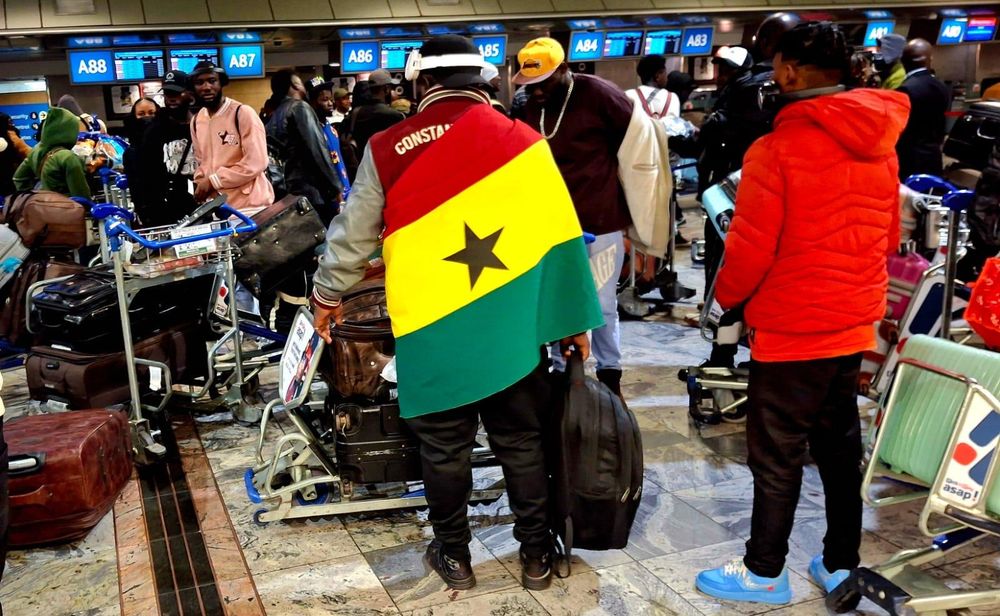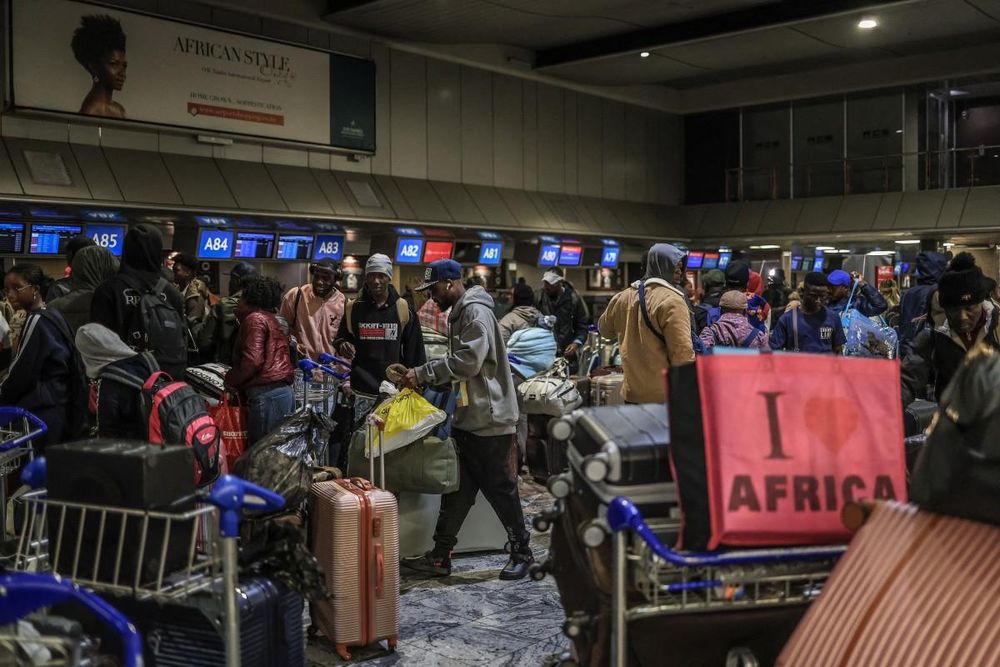
Ghanaian nationals stand at the check-in desk for an evacuation flight at OR Tambo International Airport, as anti-migrant protests expose the reality that South Africa’s anger may be rooted less in immigration than in household financial collapse.
As the sun set on Africa Month, South Africa found itself grappling with a dual narrative: the celebration of unity envisioned by the African Union and the discord stemming from rising economic tensions. While May 25 marked Africa Day with flags raised and speeches delivered, the atmosphere was marred by protests against migration in major cities, reigniting the debate on the economic implications of foreign nationals living in the country.
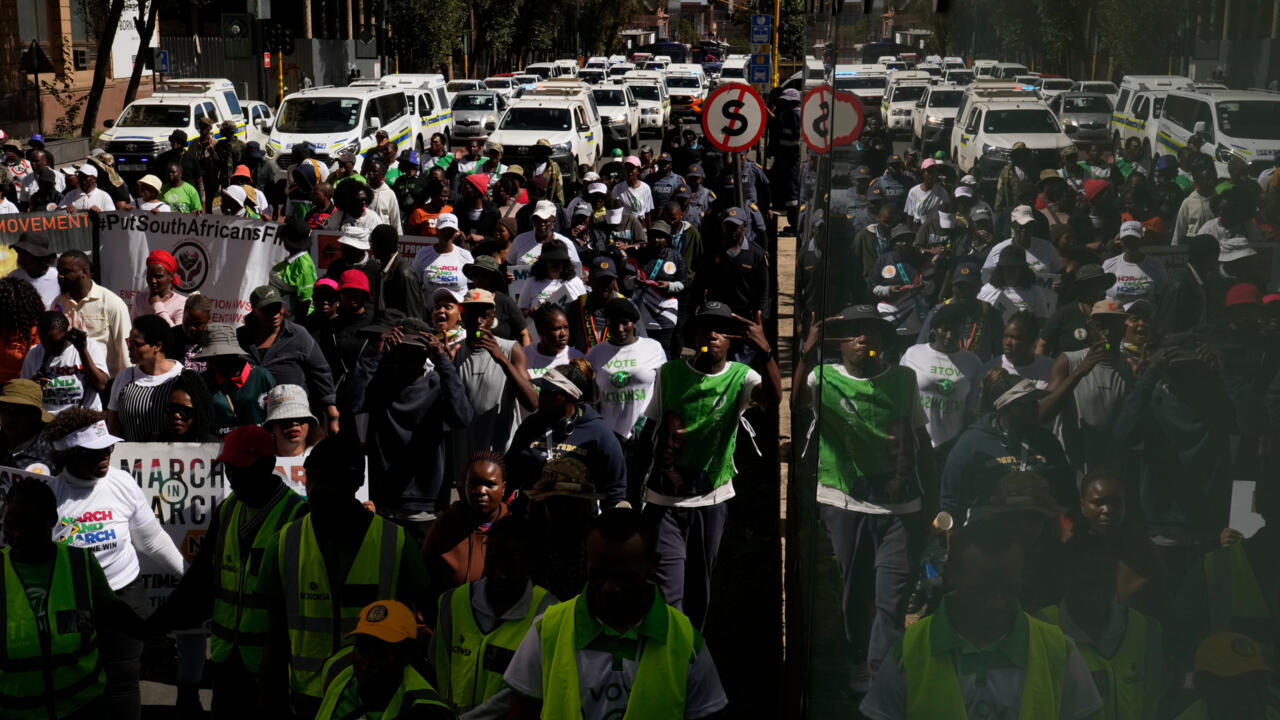
The protests, organised by the March and March movement, unfolded in Johannesburg, Tshwane, and Durban, prompting Ghana's diplomatic mission to caution its nationals in South Africa, suggesting they close their businesses and consider repatriation. In a striking echo, Nigerian community associations echoed similar warnings, while Human Rights Watch called for urgent action from the South African government in response to the rising tide of anti-migration sentiment.
At the heart of this ongoing discourse lies a potent economic argument. Many South Africans perceive foreign nationals as competitors for limited job opportunities, blaming them for wage suppression and additional strain on public systems. However, these sentiments are met with resistance from migrant communities, which argue they contribute positively to the economy by paying taxes, establishing businesses, and fulfilling critical skills shortages.