https://arab.news/6mft8
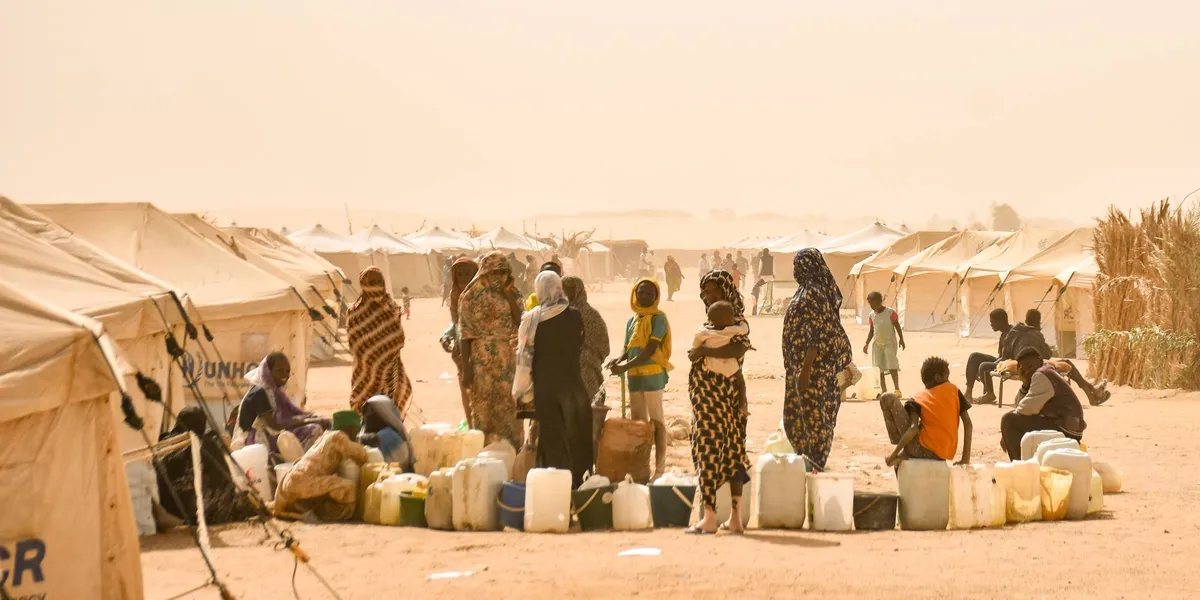
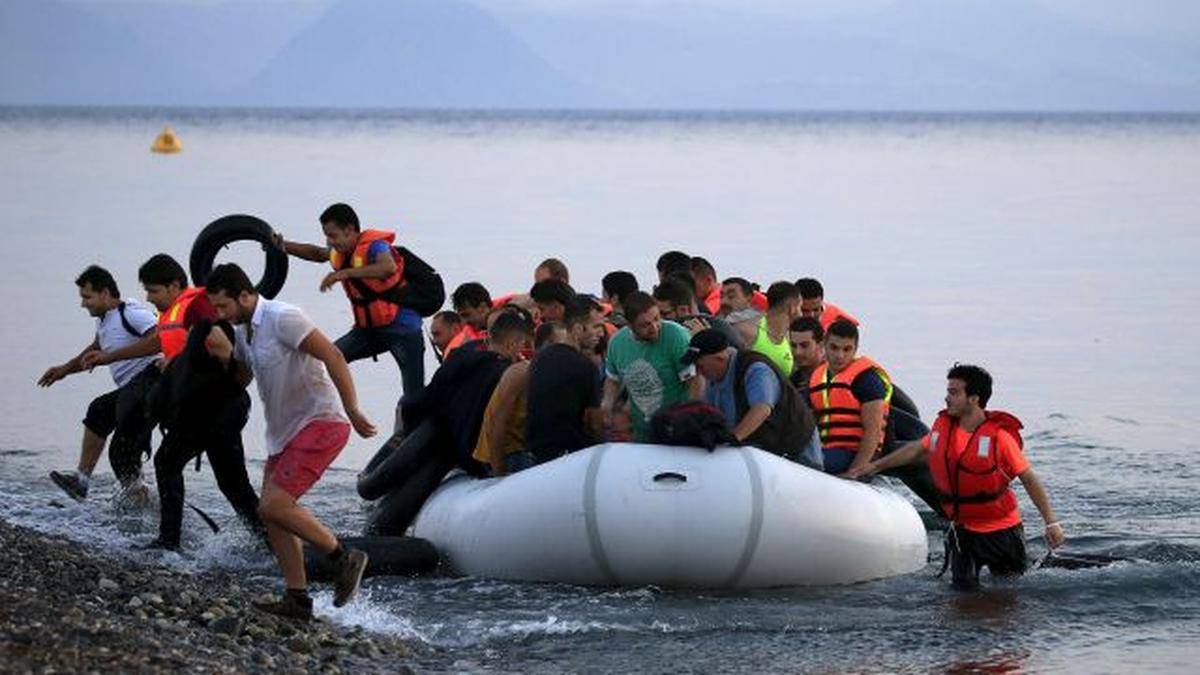
The most dangerous development in today’s global refugee crisis is not its scale, but how familiar it has become. According to the UN, more than 110 million people are now forcibly displaced worldwide, a figure that has nearly doubled in the past decade. Yet instead of prompting urgency, this unprecedented level of displacement is increasingly treated as a permanent feature of the international system. Wars continue, people flee, camps expand, and the world adapts to the numbers rather than confronting what they represent.
This normalization should alarm us. When displacement becomes background noise, its political, economic, and security consequences deepen rather than fade. The danger is not only humanitarian suffering, but the quiet erosion of international norms built on the assumption that forced displacement is exceptional, temporary, and resolvable.
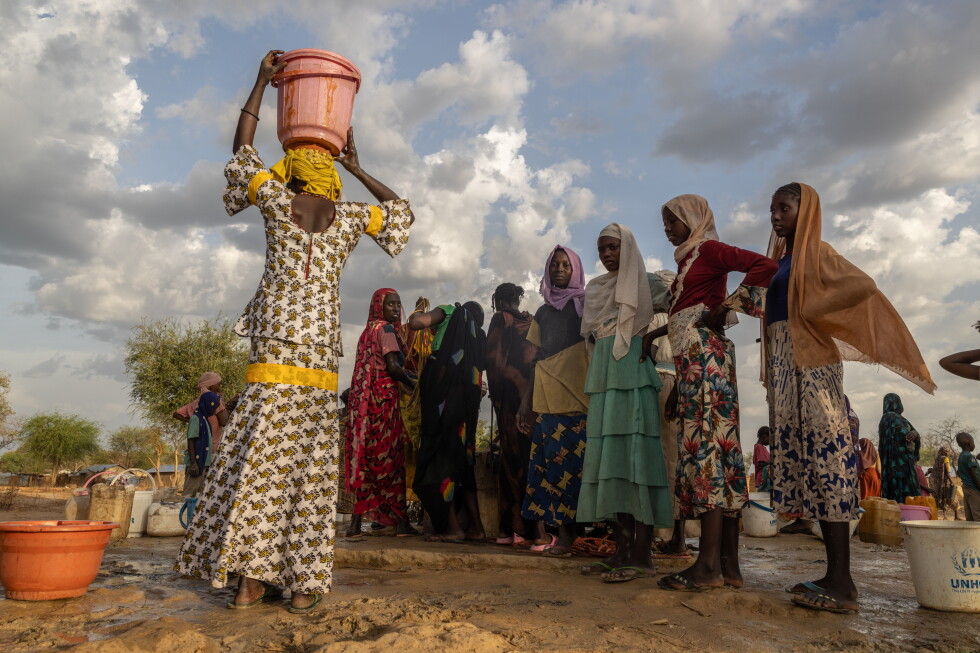
Historically, refugee flows were treated as evidence of political failure demanding correction. Large-scale displacement triggered diplomatic pressure, emergency funding, and sustained efforts to end conflicts or enable safe return. Today, the response is increasingly managerial rather than strategic. Camps are designed to last decades. Humanitarian appeals are chronically underfunded. Policymakers speak of resilience and coping mechanisms instead of resolution.