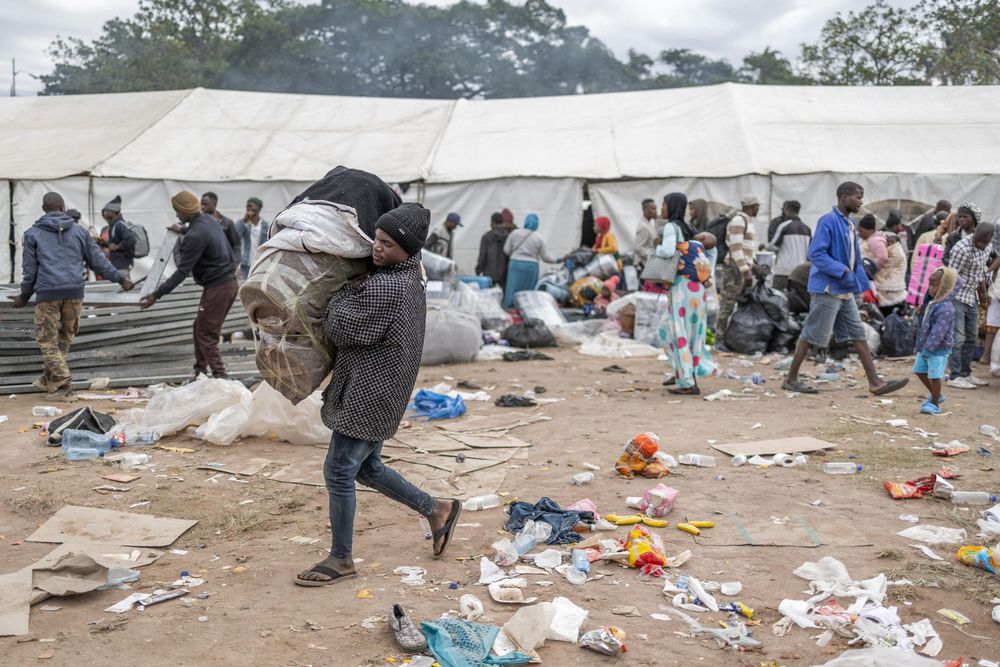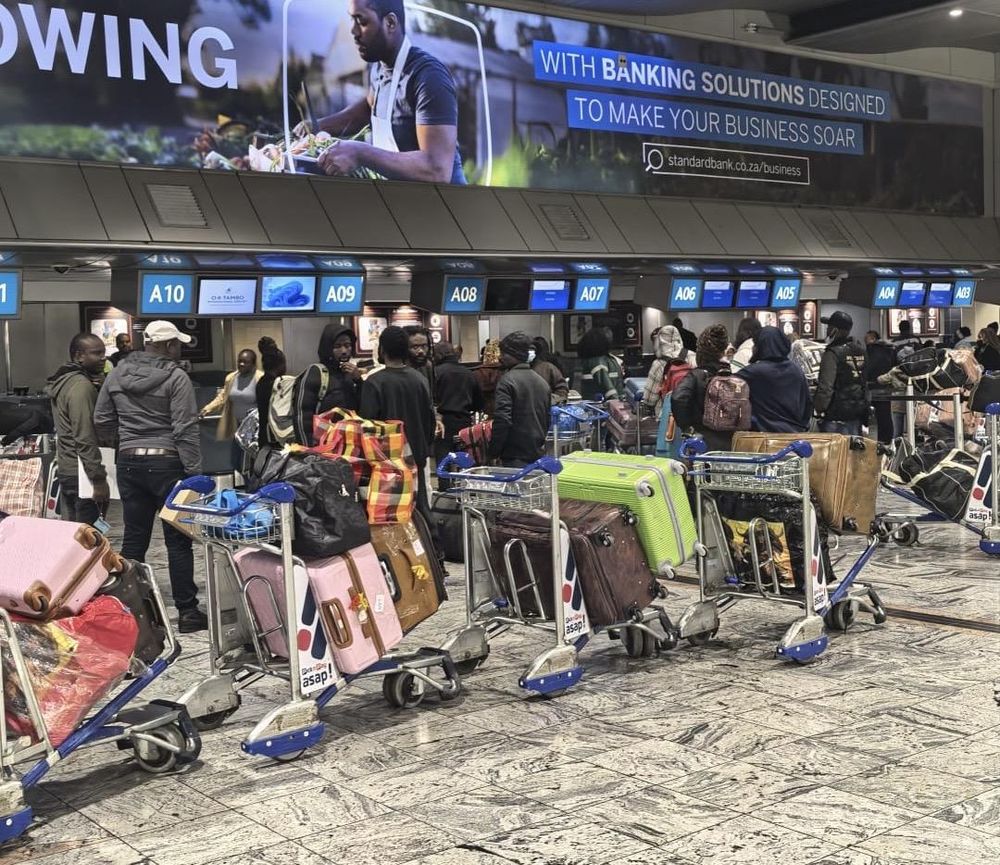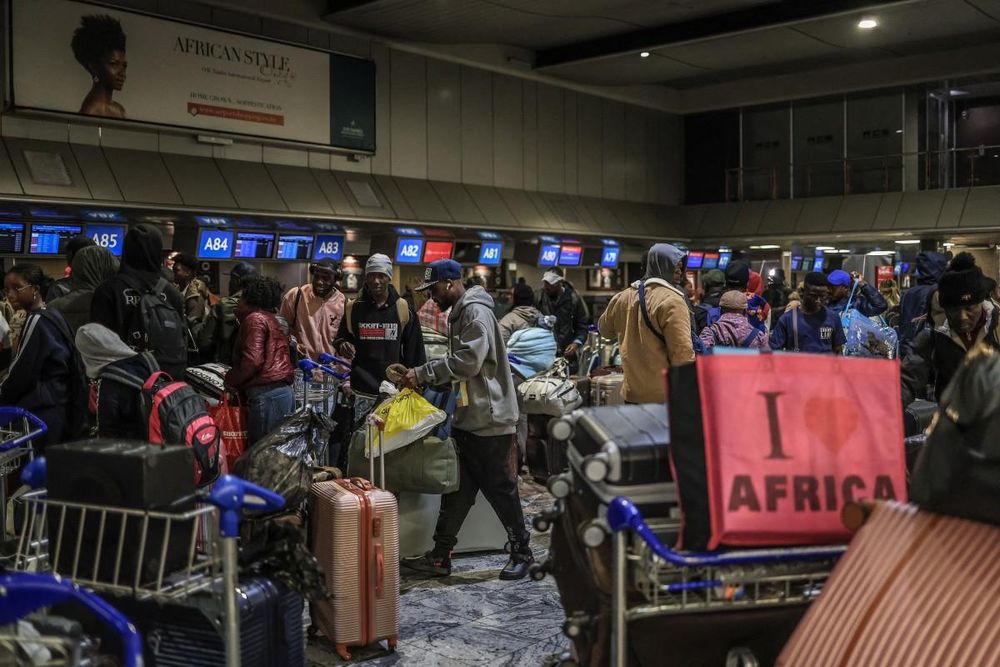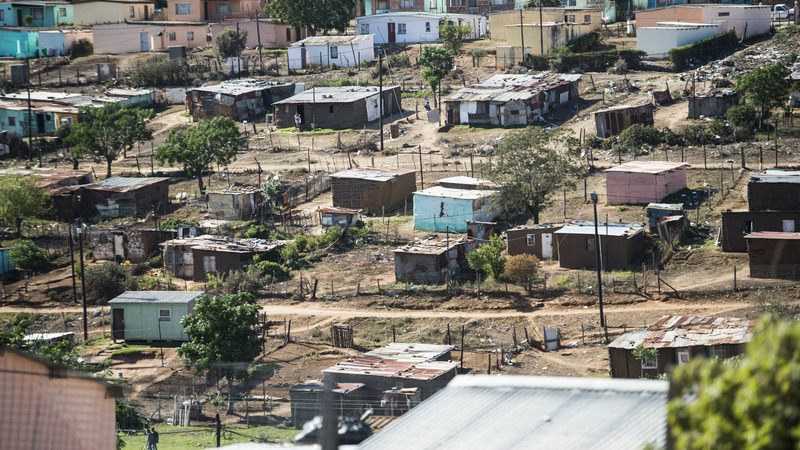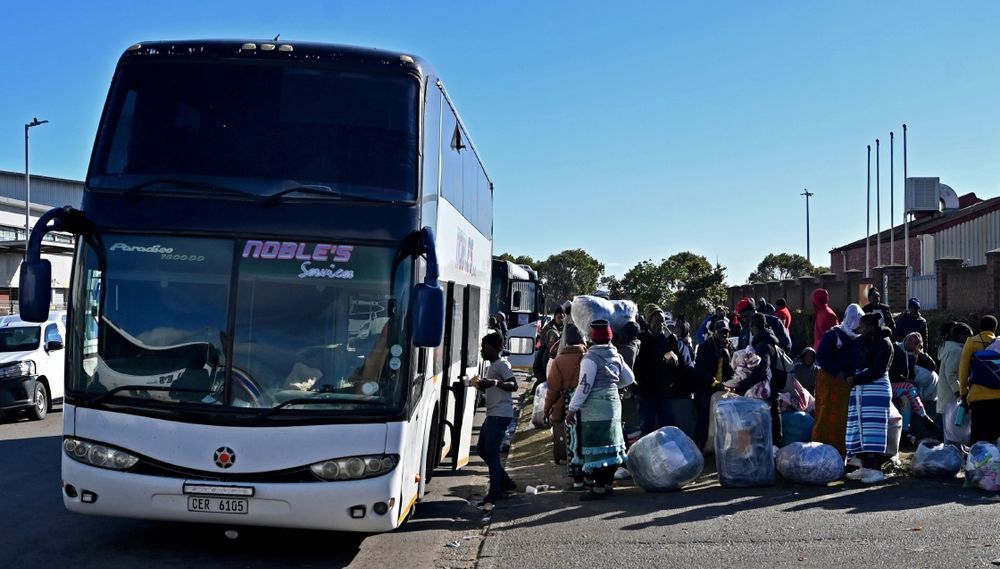
Malawian migrants are making the journey back home from South Africa,
Migration has become one of the most complex and emotive public issues facing countries around the world. While governments and societies recognise the importance of discussing migration, many remain cautious about the language they use for fear of inflaming tensions or provoking divisions.
In recent weeks, the world has witnessed several incidents that underscore the growing sensitivity surrounding migration. South Africa experienced anti-migrant protests as citizens took to the streets, while in Northern Ireland, tensions in Belfast intensified following the circulation of a video showing a Sudanese man allegedly stabbing another person.
Last month, the eastern Libyan government also announced a ban on the entry of nationals from four African countries: Sudan, Eritrea, Ethiopia and Somalia.
These incidents illustrate that migration is no longer a challenge confined to a handful of countries. It has become a global issue that affects nations across different regions, each grappling with its own political, social and economic pressures.