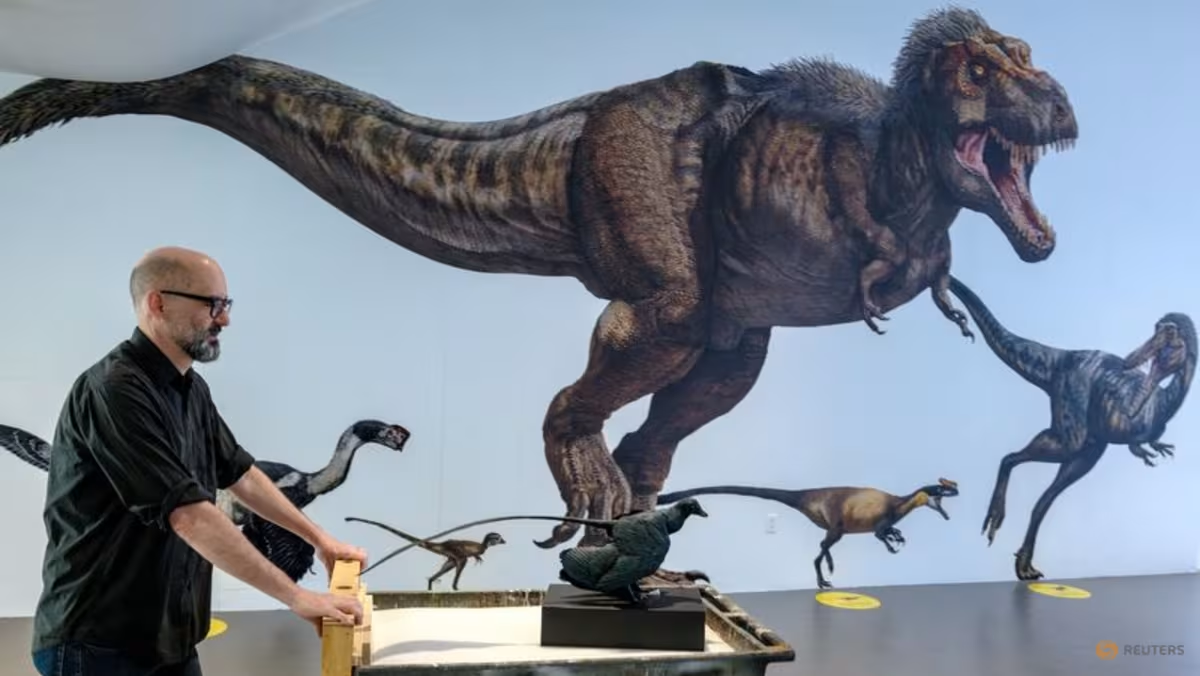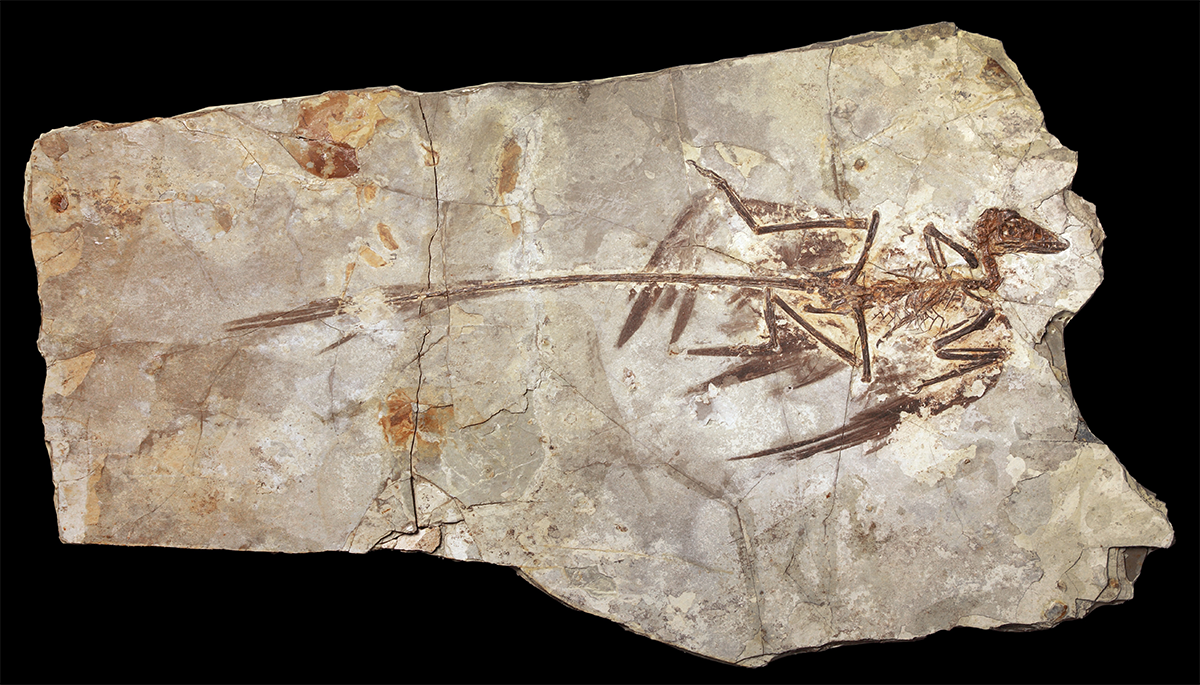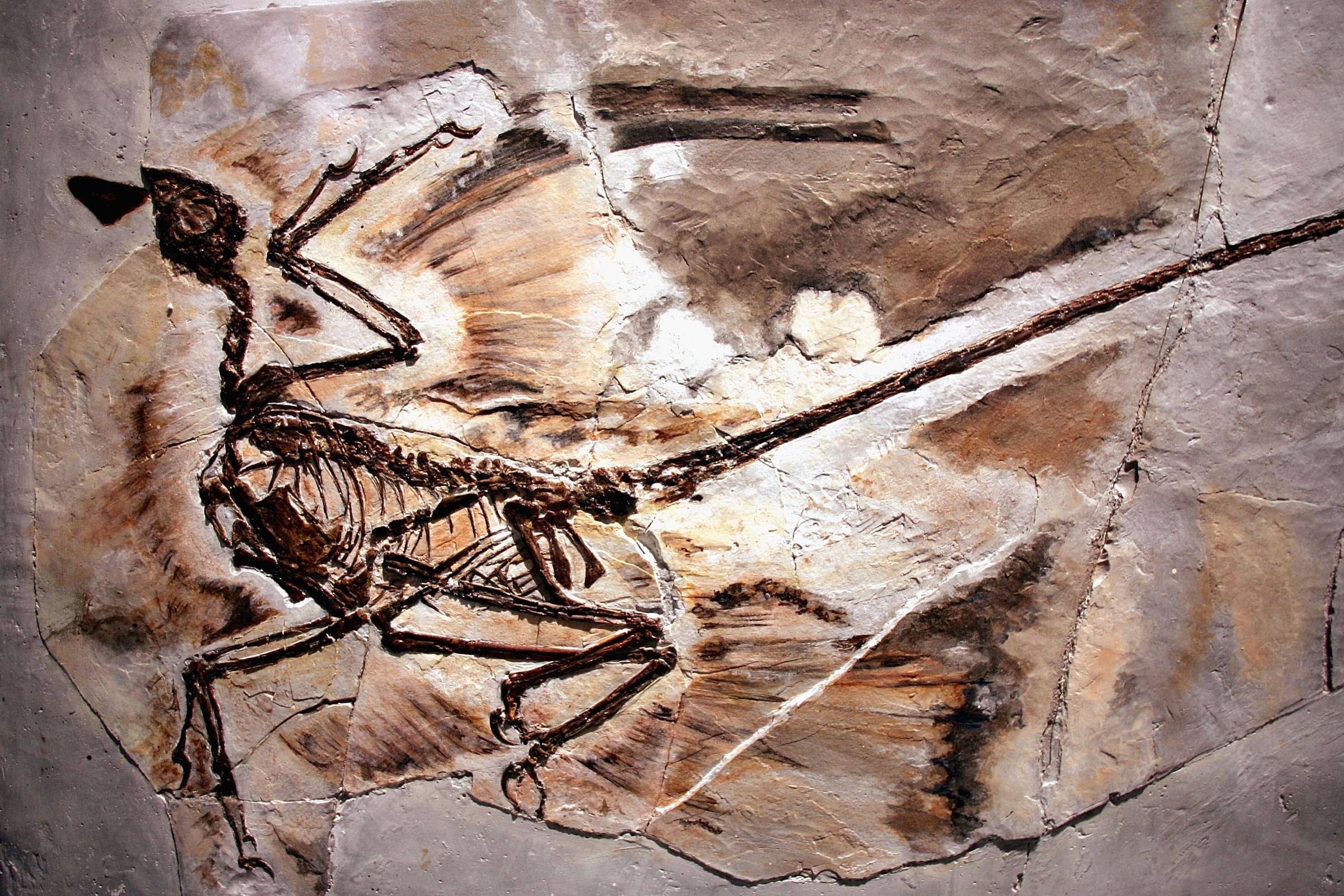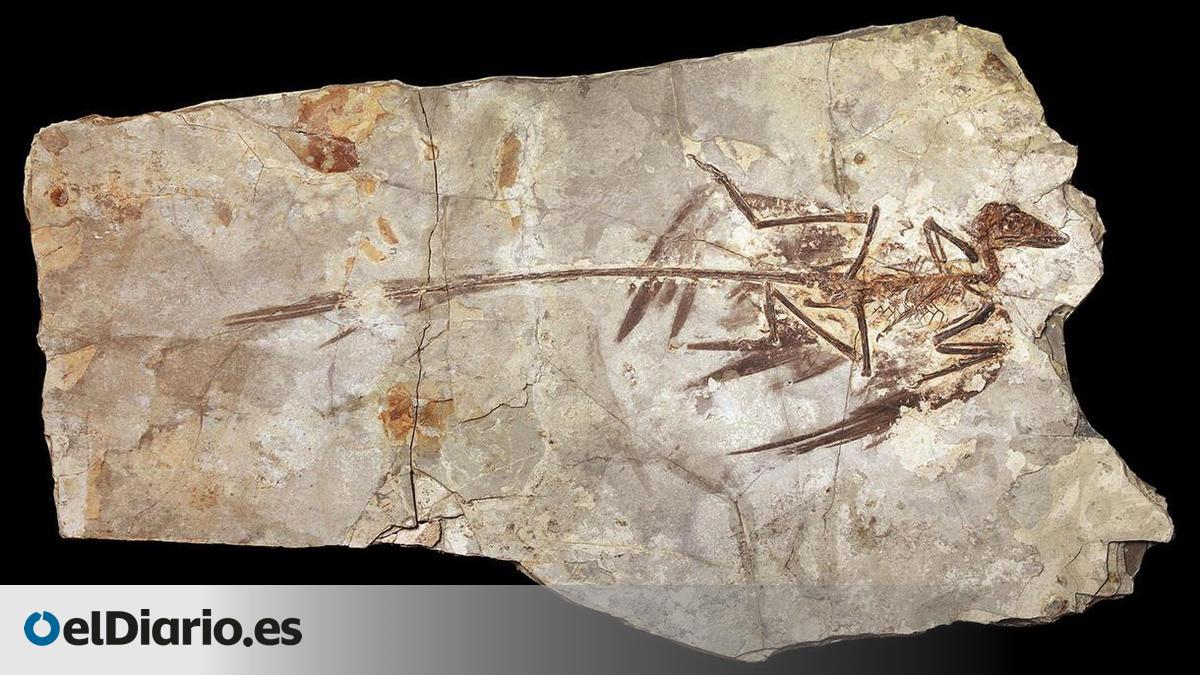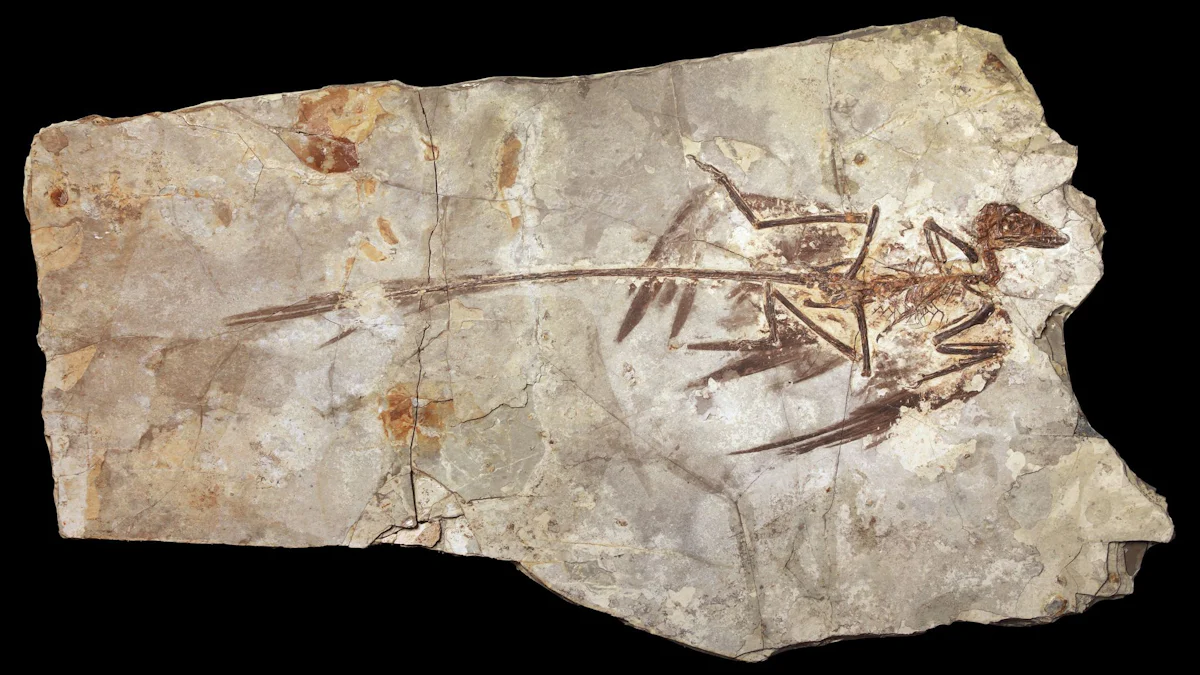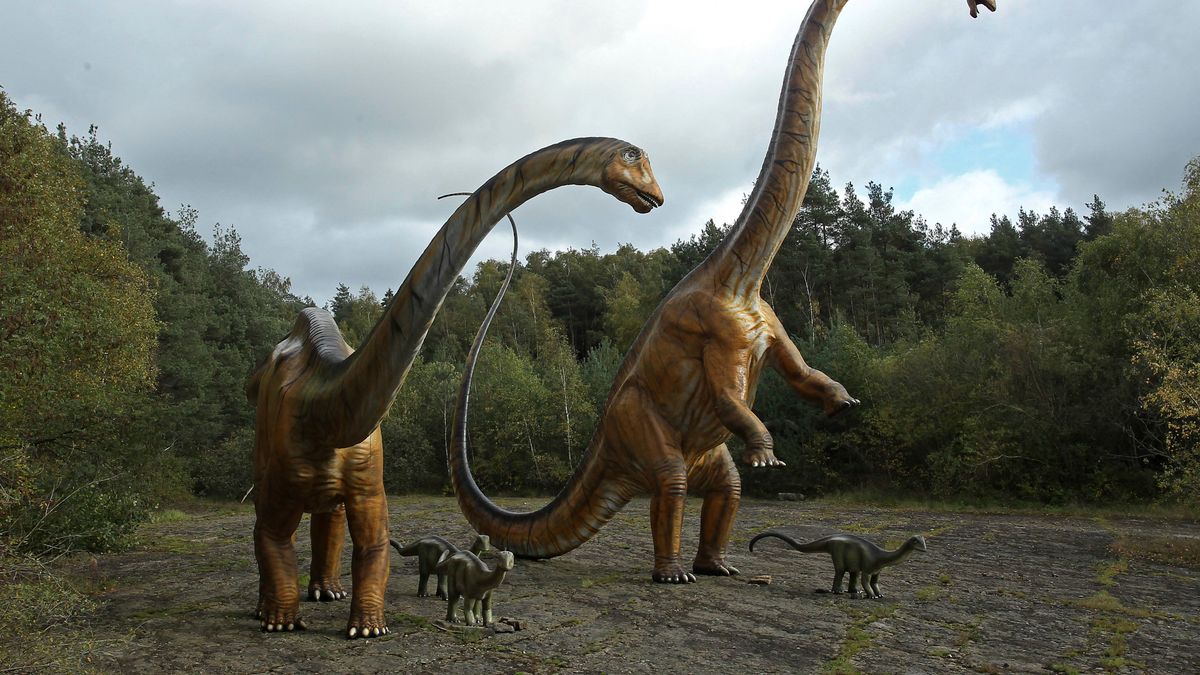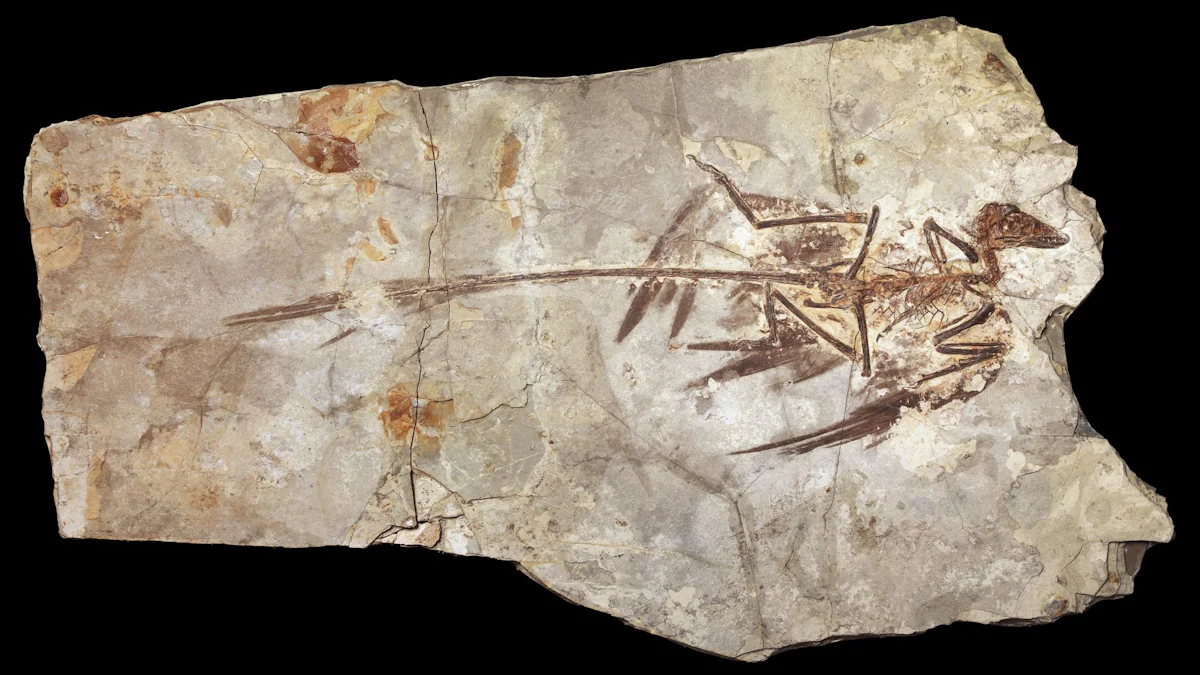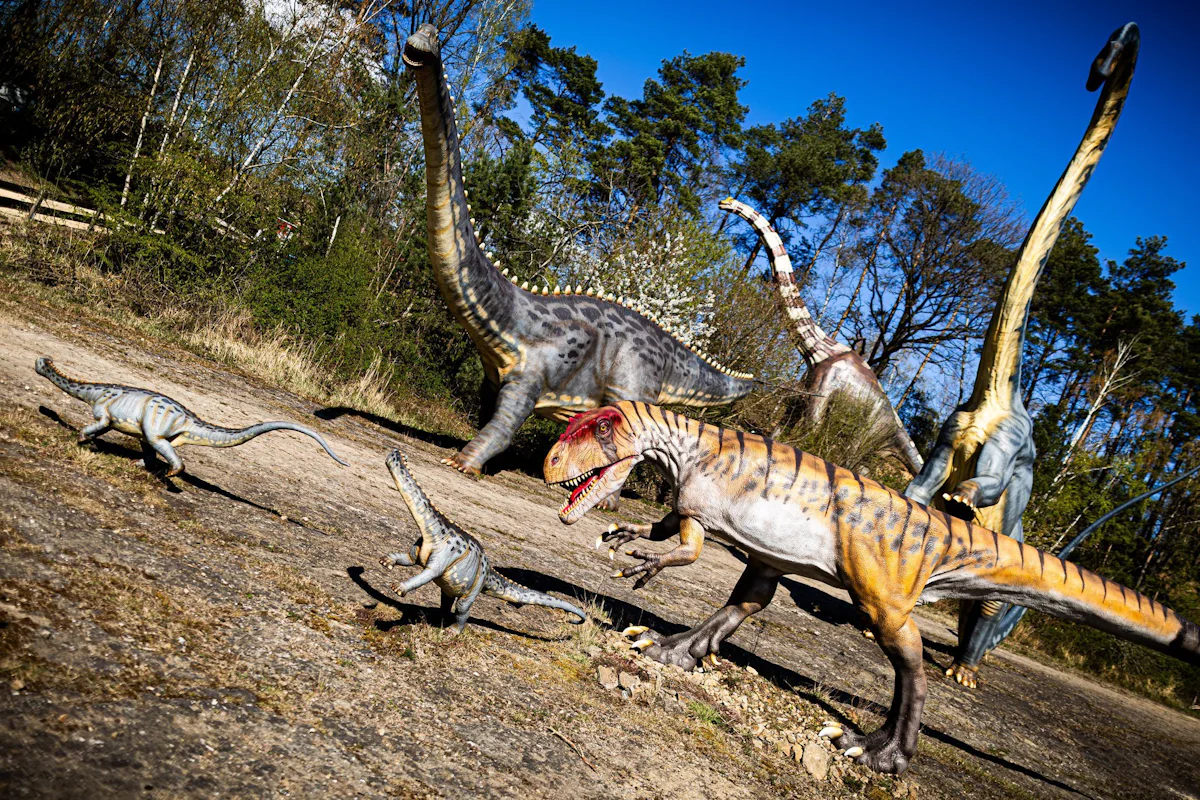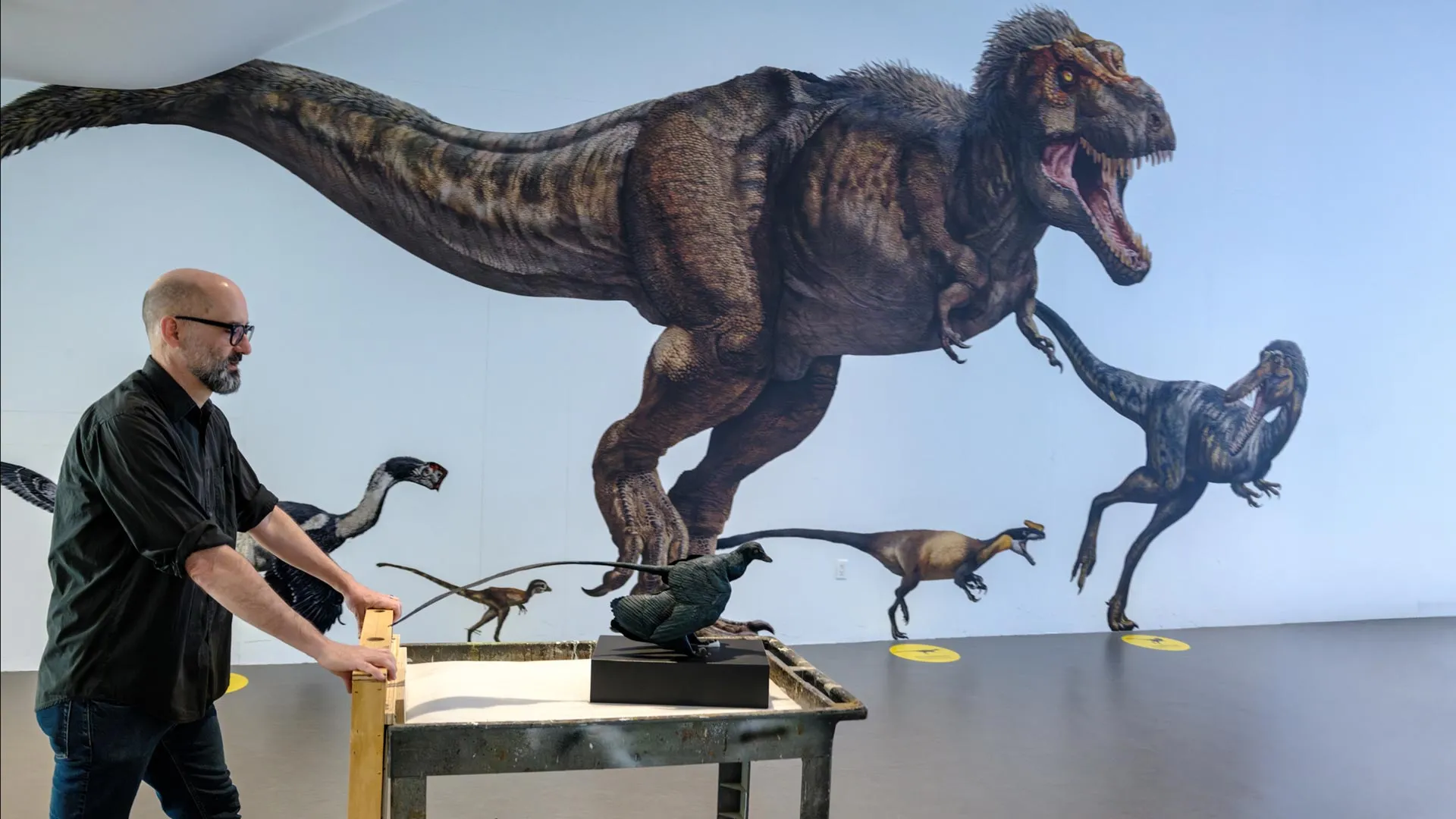
Everyone knows dinosaurs got really big. Some of the long-necked plant-eaters were the largest land animals ever on Earth, as shown by Argentinosaurus, perhaps 65 to 80 tonnes (70 to 90 tons) and upwards of 30 metres (around 100 feet) long. But why were there never tiny dinosaurs, like the size of a mouse? As far as we know, none ever existed.New research investigates this phenomenon. Scientists employed mathematical models to explore the evolution of body size across vertebrate groups. They determined that energetics and physiology can account for the sizes of mammals, birds that fly and turtles, but these factors fail to explain the absence of really small dinosaurs, aside from their avian descendants.The researchers see other dynamics at play. They hypothesise that because early mammals – most of them puny and shrew-sized – had filled ecological niches for small animals, their presence prevented dinosaurs from evolving tiny body sizes adapted to such niches.“We know based on observations of living animals and the fossil record that most animal groups have members that achieve very small body sizes, and that these small animals typically dominate their ecosystems,” says palaeontologist Stephanie Lechki, a postdoctoral fellow at Princeton University in New Jersey and co-leader of the study published in the journal Evolution.“A small animal typically requires fewer resources and can achieve reproductive maturity and reproduce more quickly than a large-bodied animal,” Lechki adds.The smallest dinosaurs included the likes of crow-sized Microraptor, weighing as little as 430 grams (15oz); Fruitadens, at 730 grams; and Anchiornis, at 530 grams. These were still much larger than today’s smallest bird, the bee hummingbird (about 1.95 grams); smallest mammal, the Etruscan shrew (about 1.8 grams); and smallest lizard, the dwarf gecko (about 0.15 grams).
Why were there no teeny-tiny dinosaurs like we have with mammals and birds?
New research investigates why there were never any dinosaurs the size of, say, a mouse, and it seems like mammals could be to blame.
287 words~1 min read