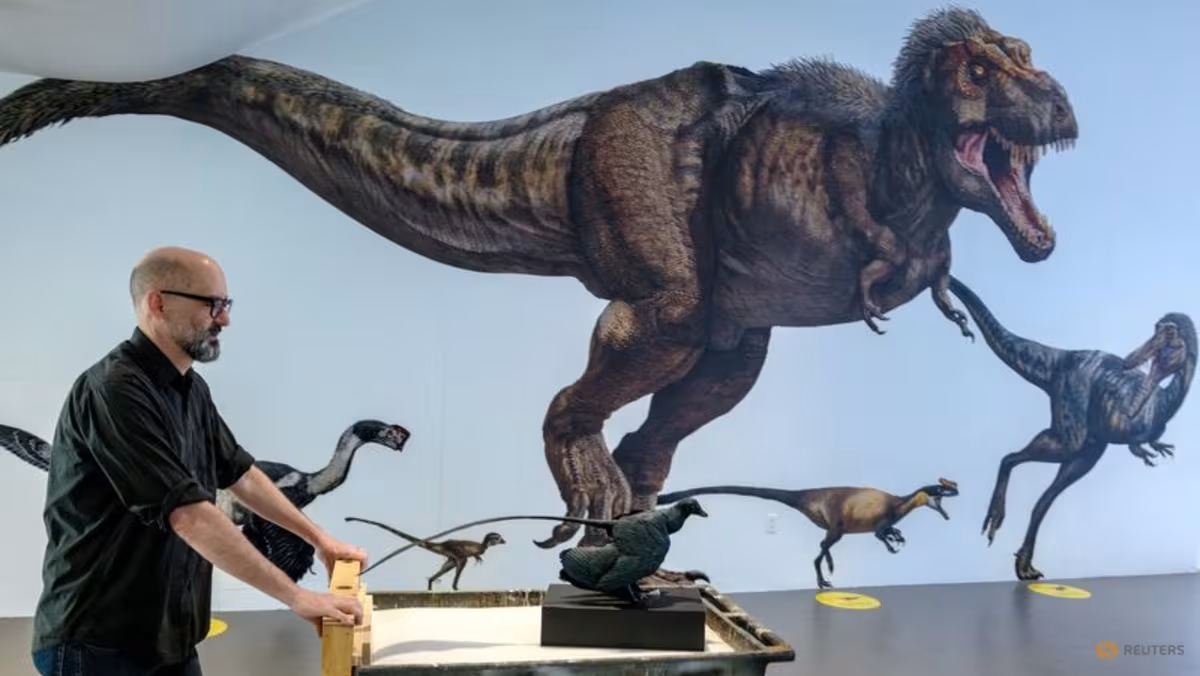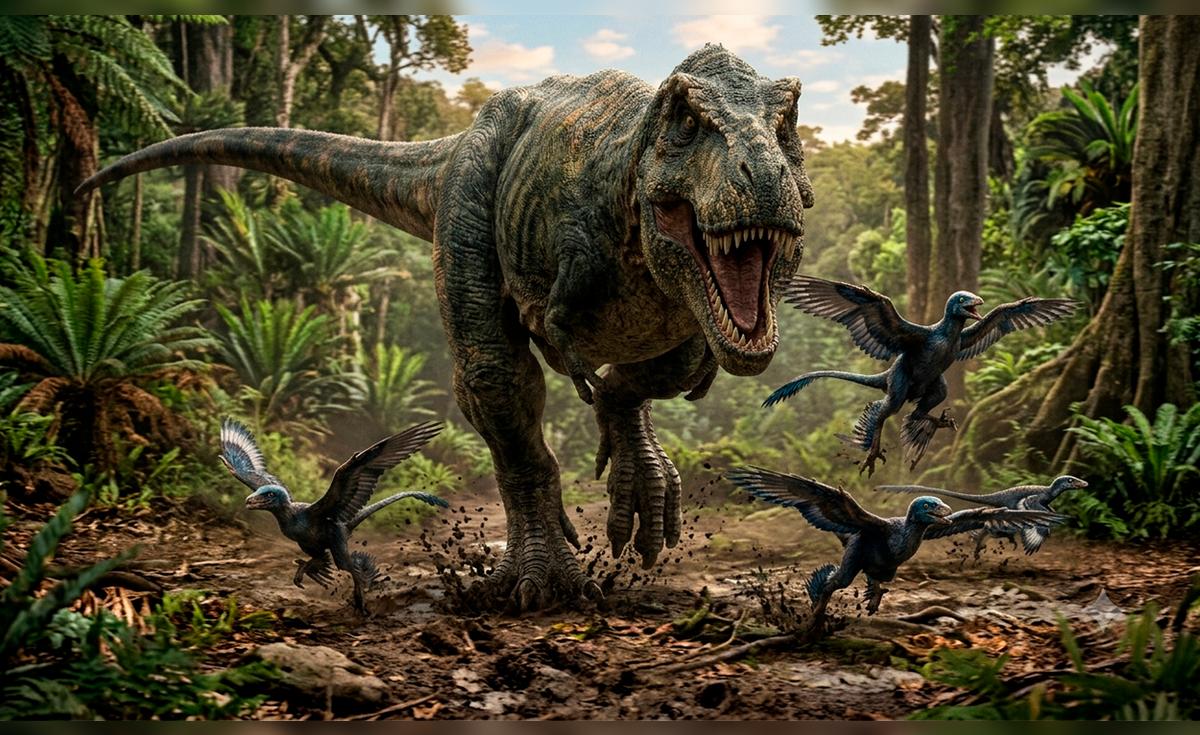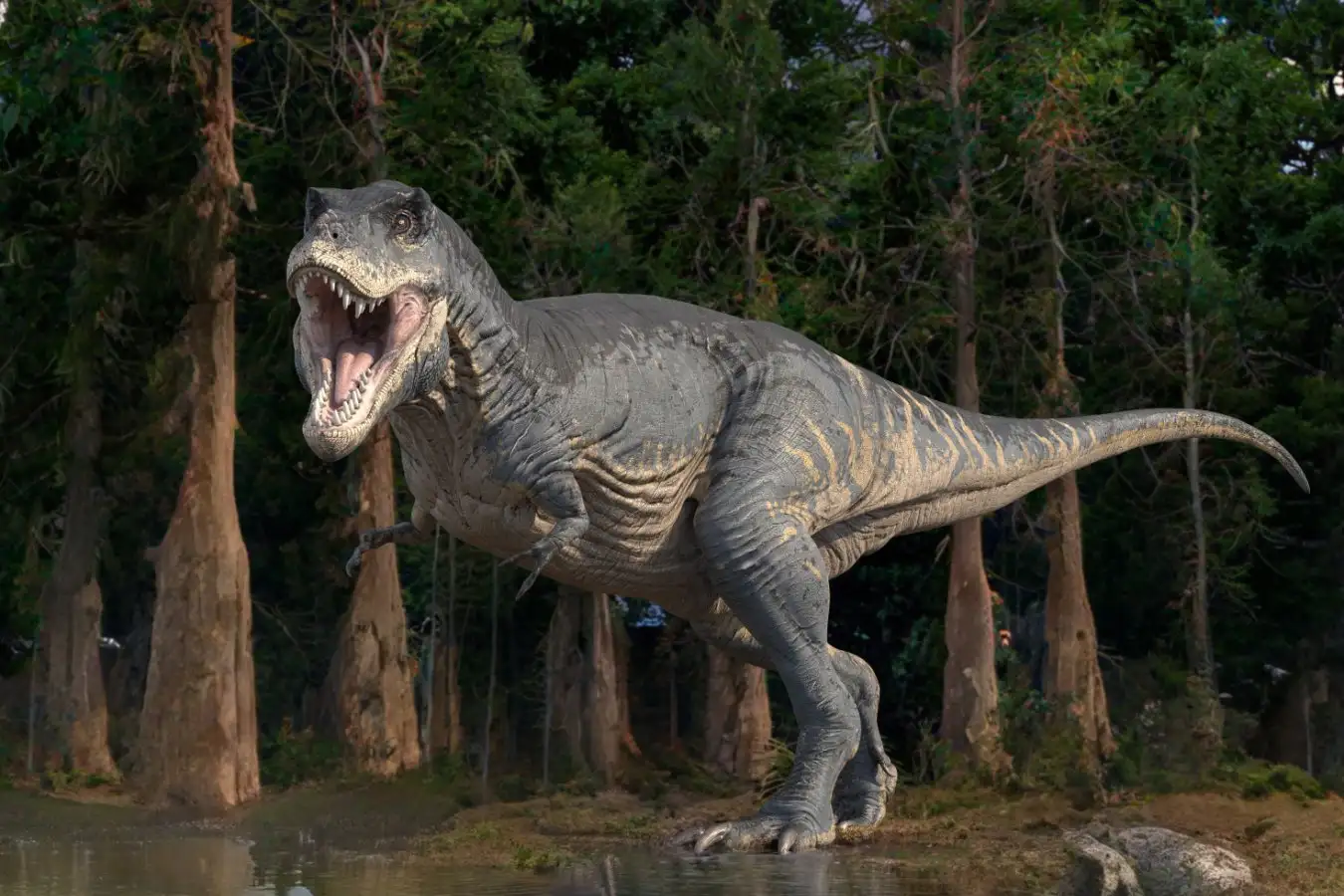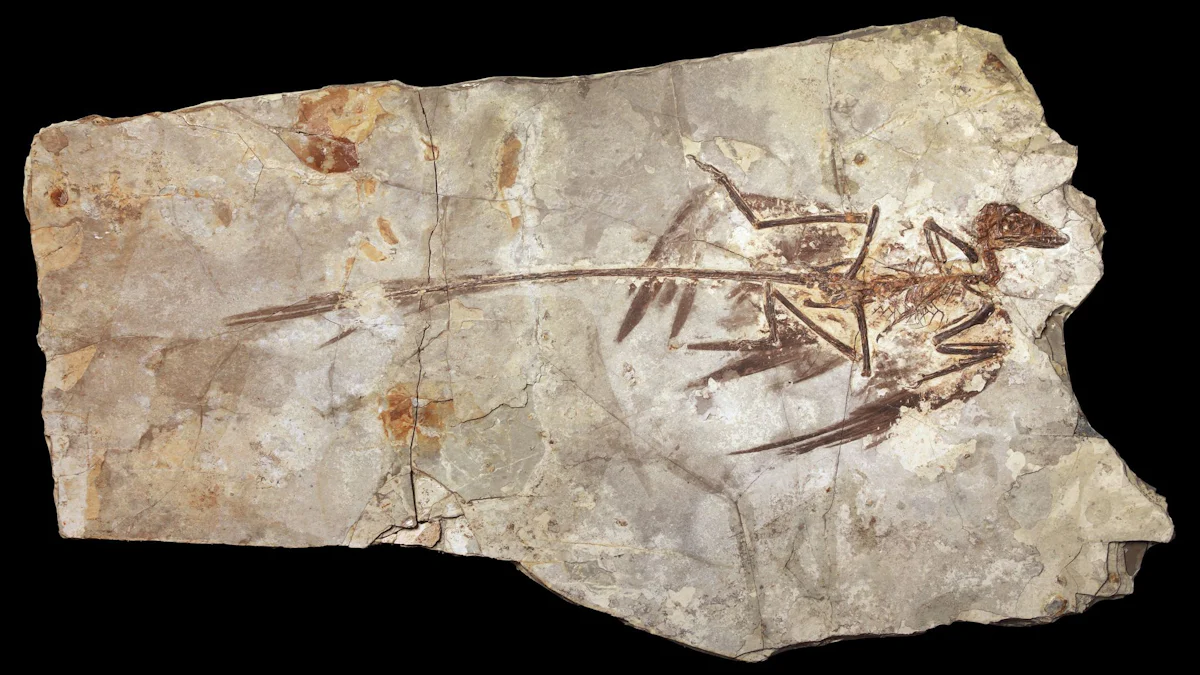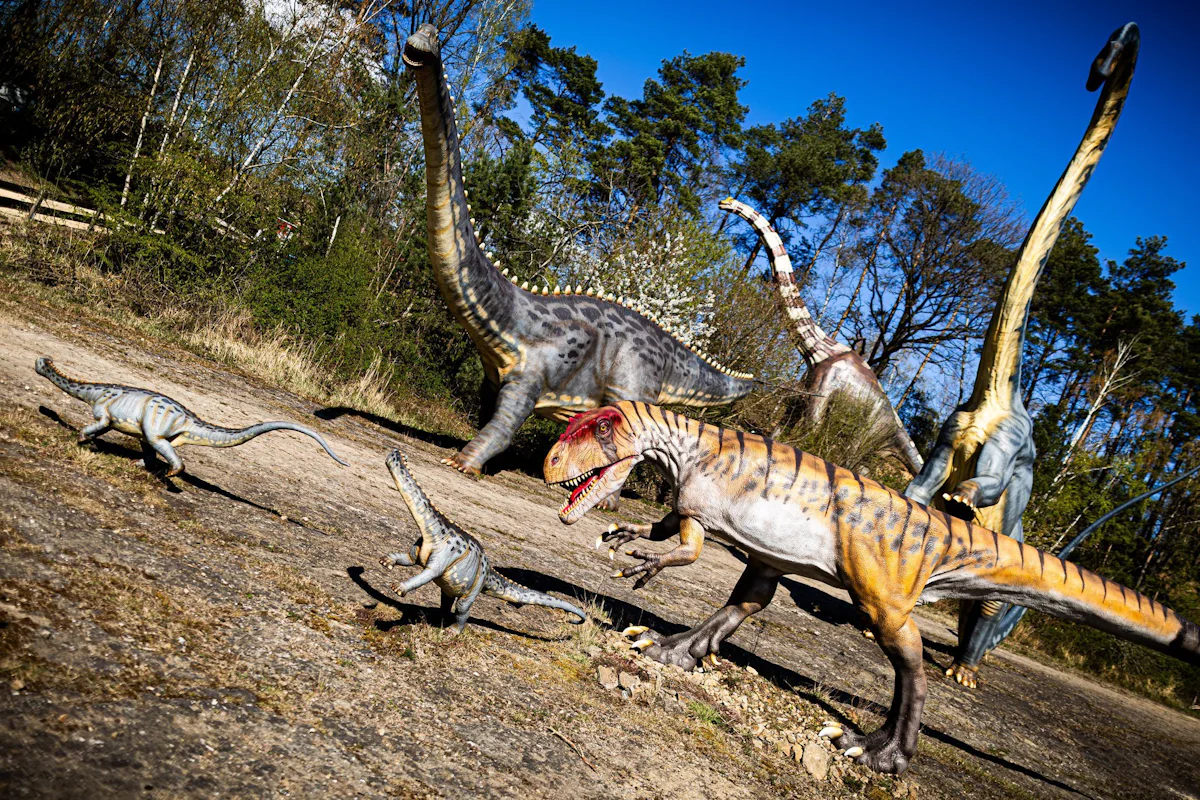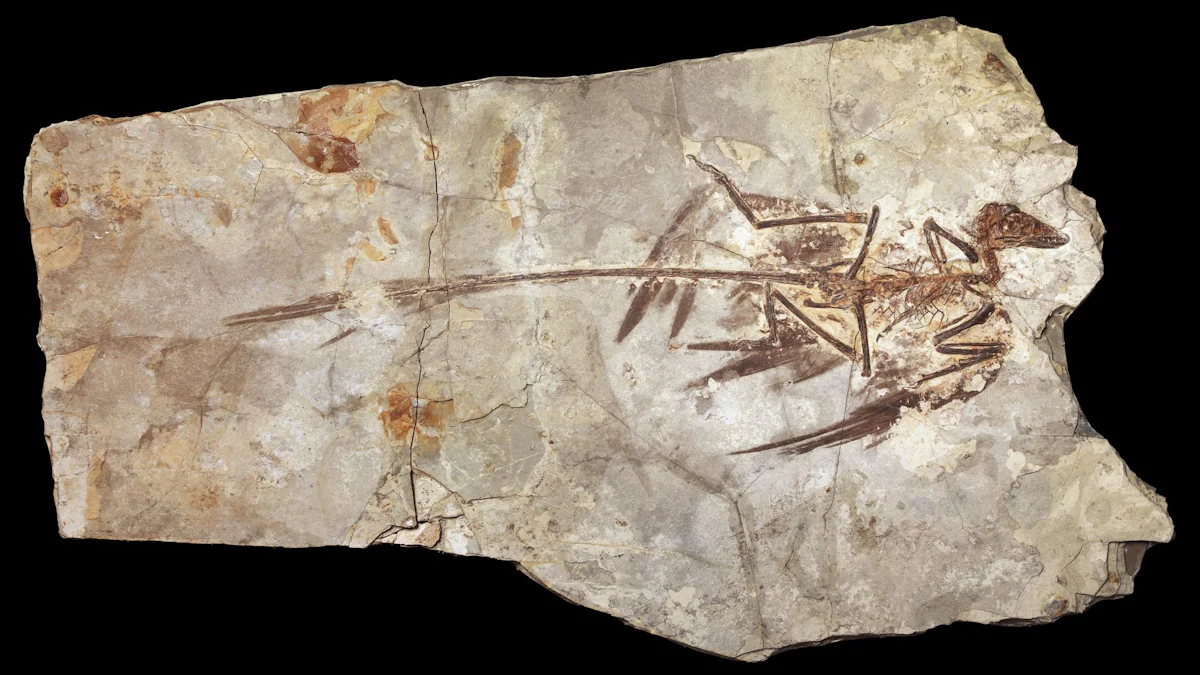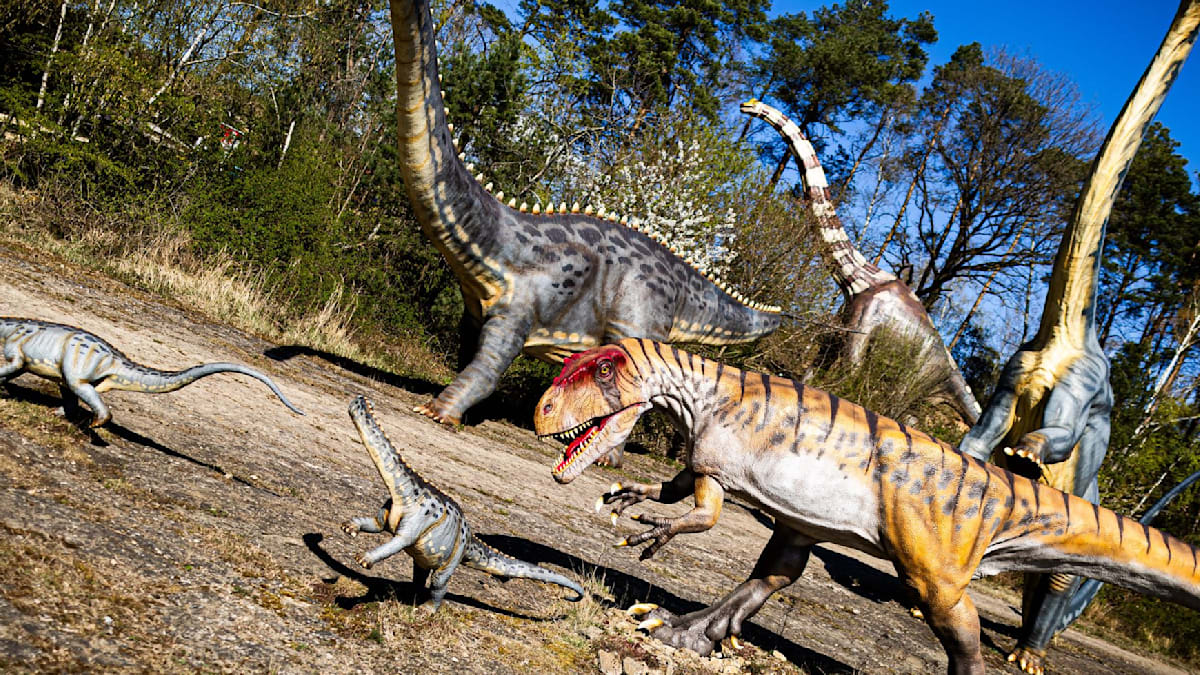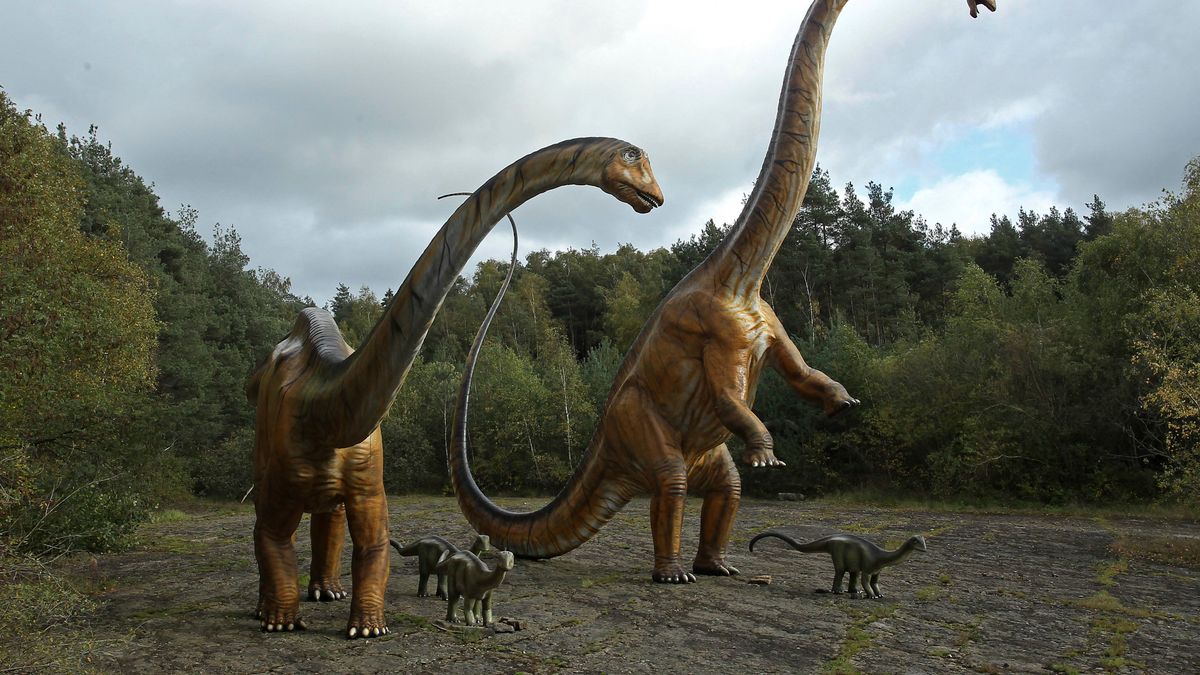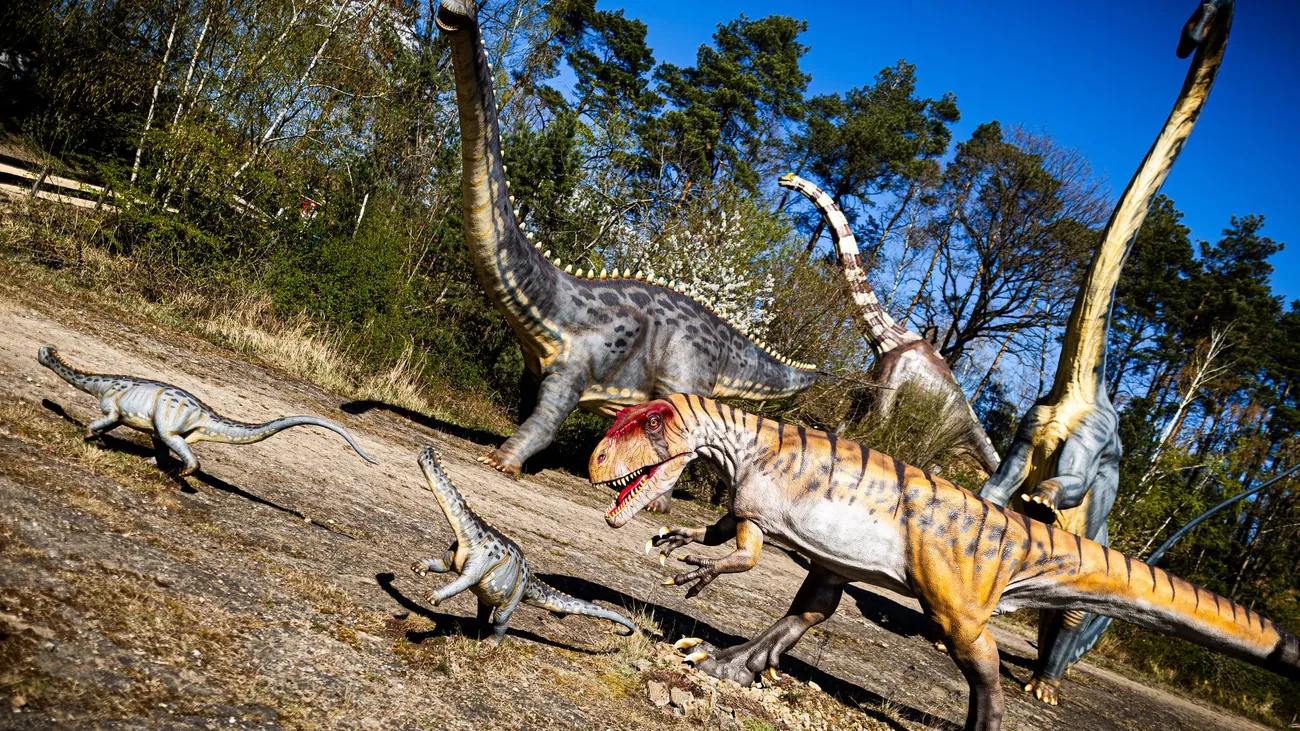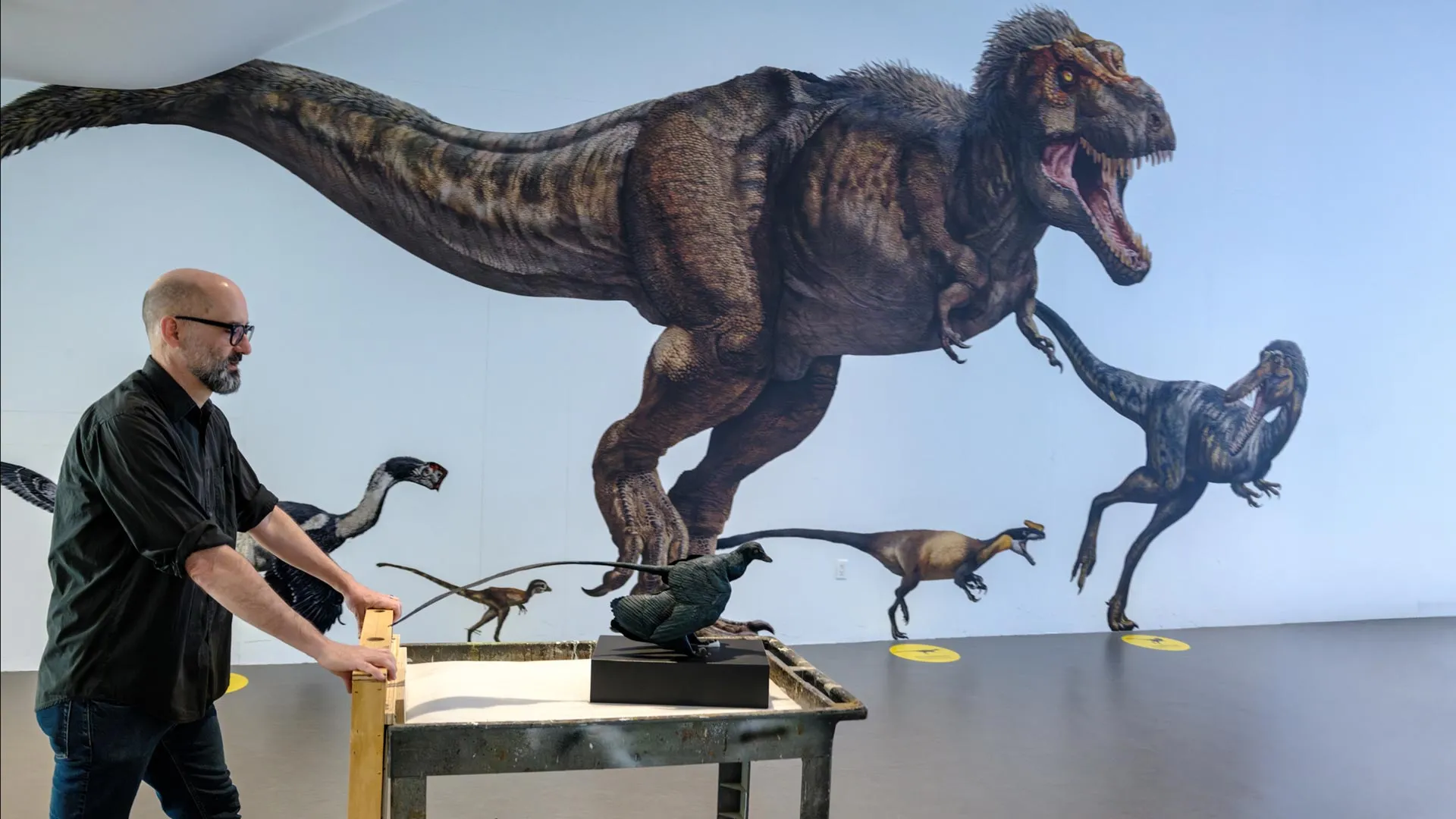
Dinosaurs are often remembered for their enormous size. Tyrannosaurus rex was an imposing predator, while dinosaurs such as Apatosaurus reached truly massive proportions. Yet new research suggests that one of the most intriguing questions about dinosaur evolution lies at the opposite end of the size spectrum: Why did dinosaurs apparently never become extremely small?
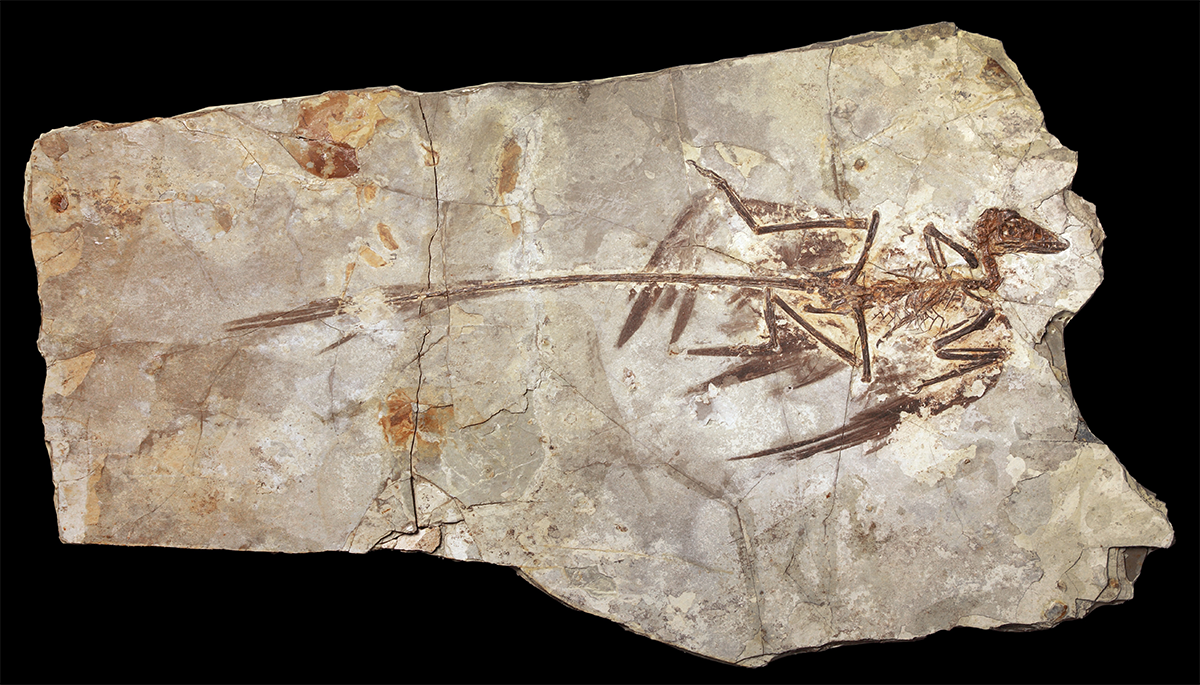
In a study published in the journal Evolution, researchers from the American Museum of Natural History and Princeton University used mathematical models to examine how body size evolved among vertebrates. Their results show that energy use and physiology can account for the range of sizes seen in mammals, birds, and turtles. Those same factors, however, cannot explain why even the smallest dinosaurs other than birds remained relatively large.
The researchers instead suggest that ecology may have imposed a lower size limit on dinosaurs. In particular, competition with early small mammals could have prevented dinosaurs from moving into the mouse-sized and sparrow-sized niches that are filled by many vertebrates today.
"Everyone loves a giant dinosaur," said study co-author Roger Benson, the Macaulay Curator of Dinosaur Paleobiology at the Museum. "But we decided to look at the other end of the scale. The absence of tiny dinosaurs may be just as interesting as the existence of giant ones. We already knew that dinosaurs prevented mammals from evolving to large sizes before the end-Cretaceous mass extinction. Here we suggest that mammals in turn prevented dinosaurs from evolving to small sizes."