view more
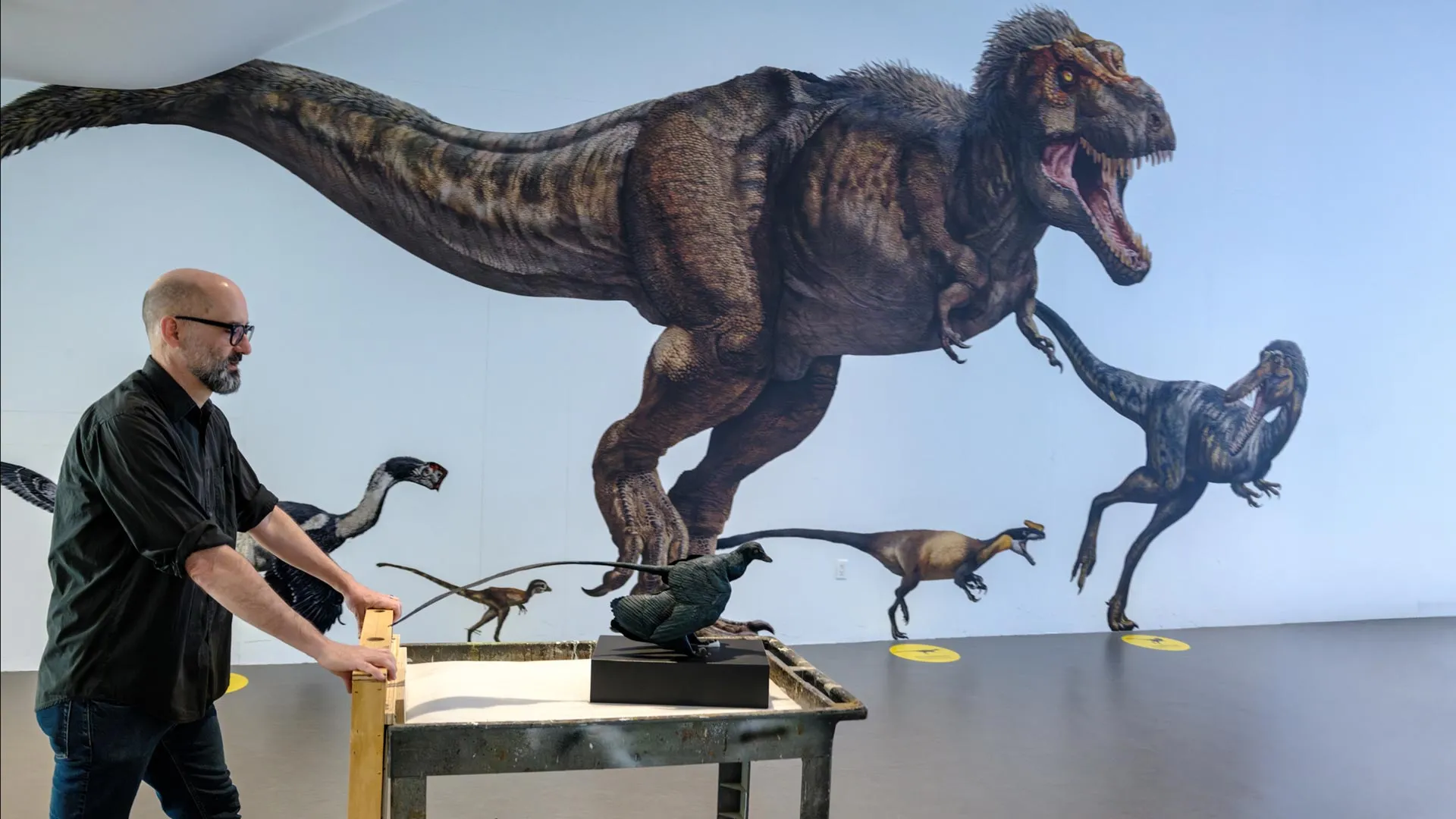
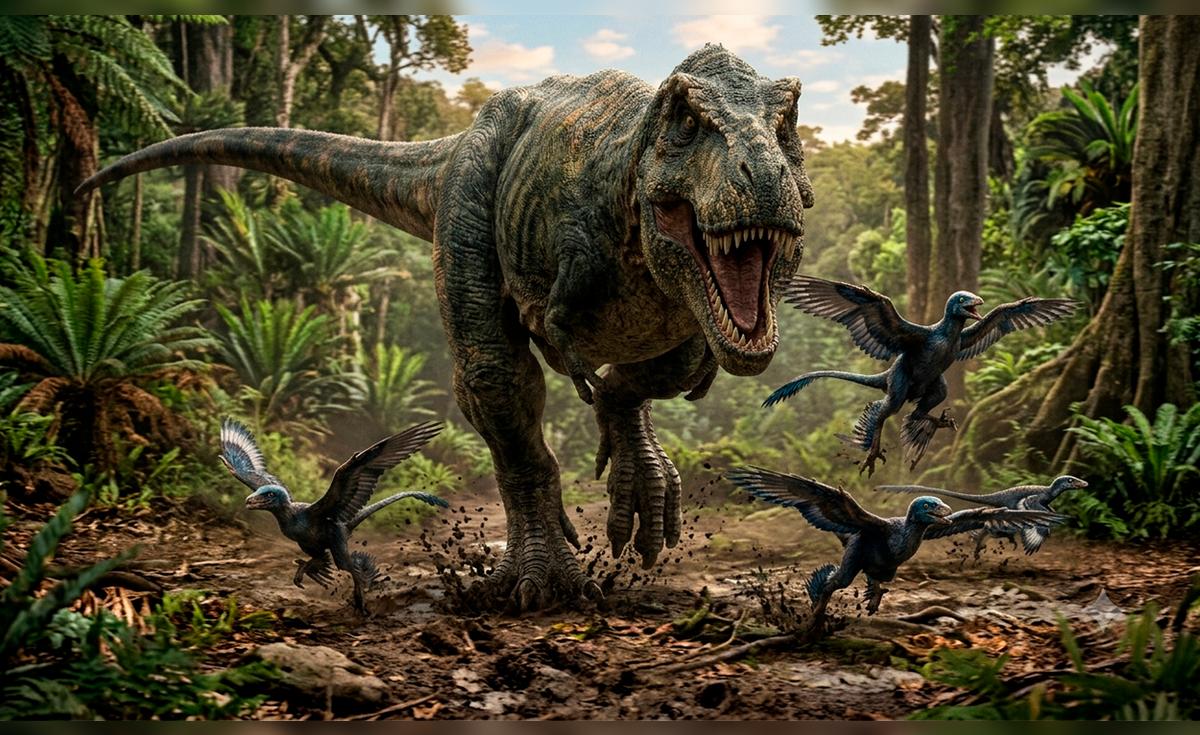
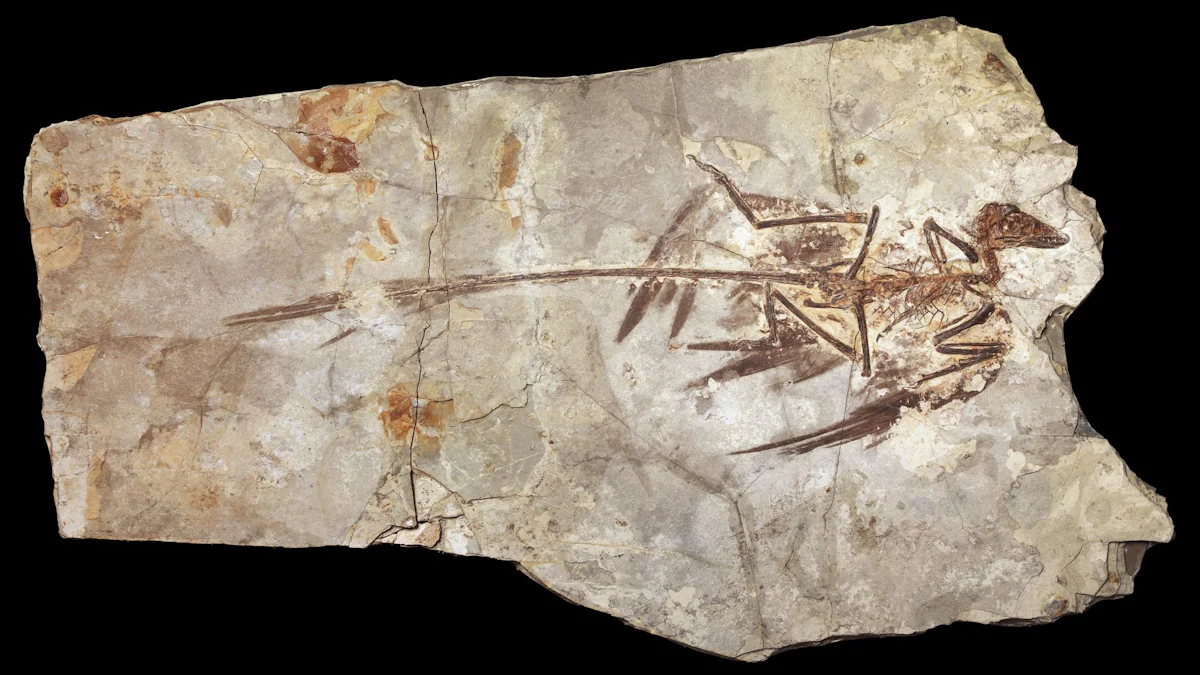
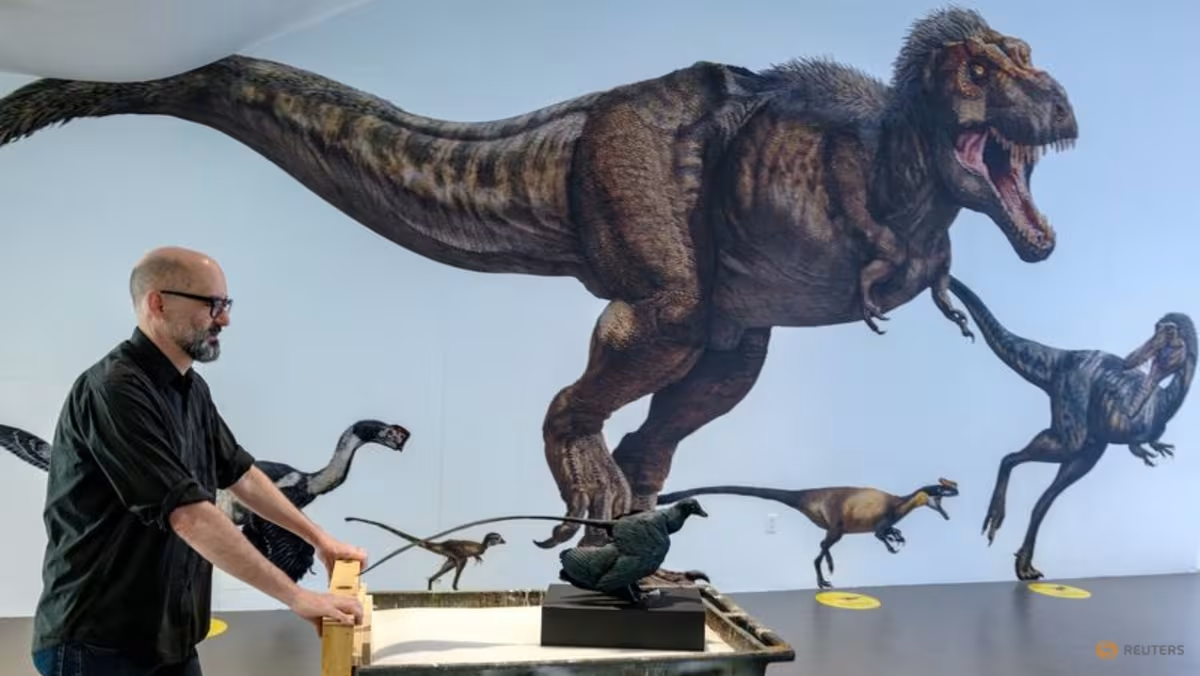
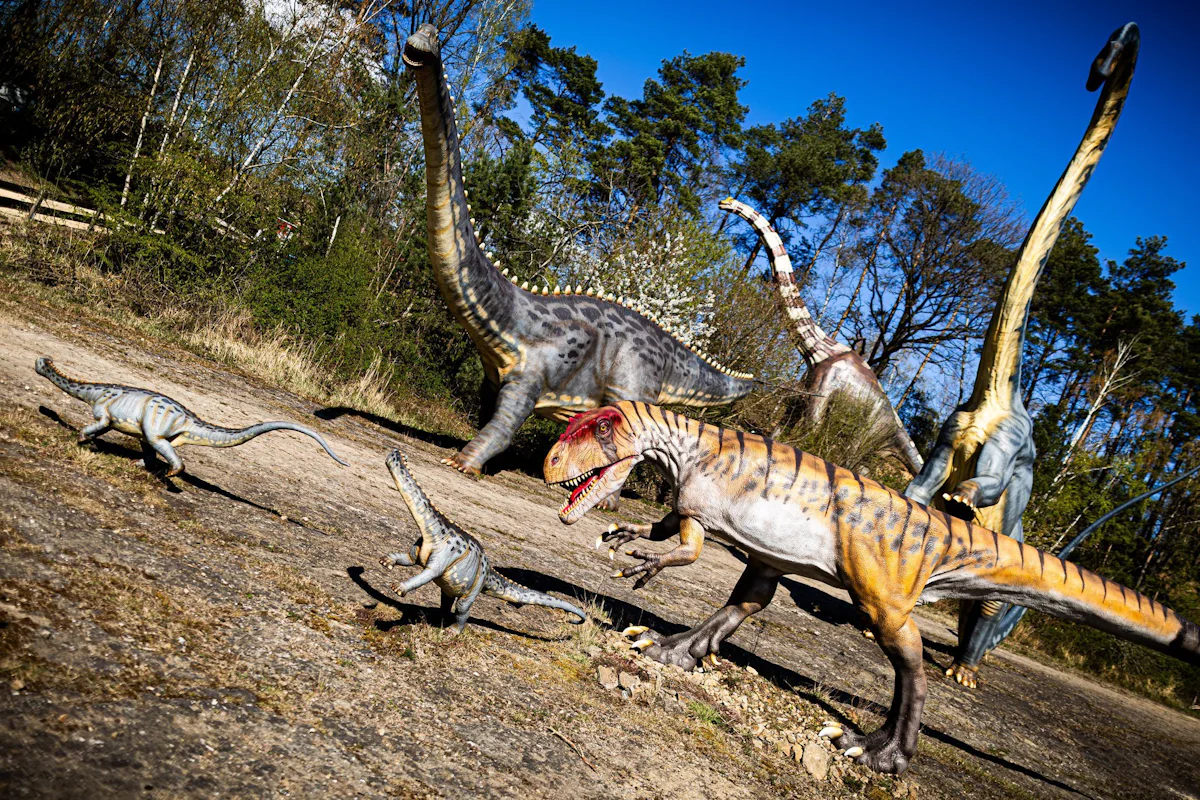
Dinosaurs are famous for being big, from the towering Tyrannosaurus rex to the colossal Apatosaurus. But a new study published today in the journal Evolution by scientists at the American Museum of Natural History and Princeton University suggests that one of the greatest mysteries of dinosaur evolution isn’t how some species became giants—it’s why even the smallest dinosaurs never became truly tiny.
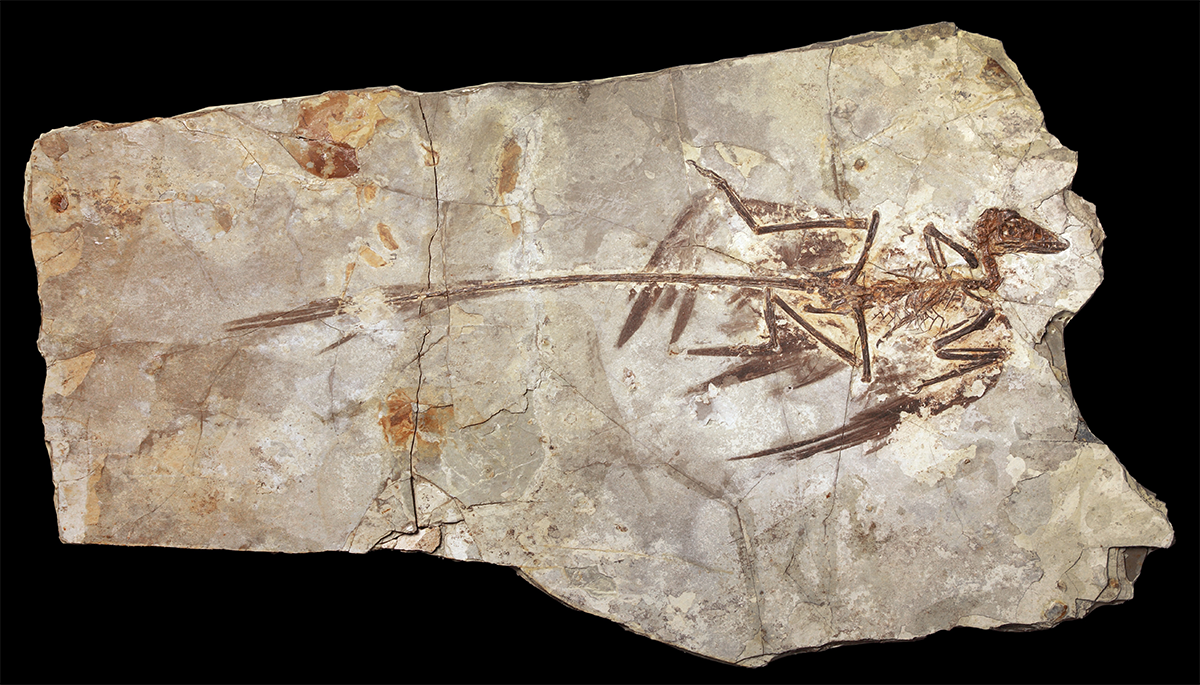
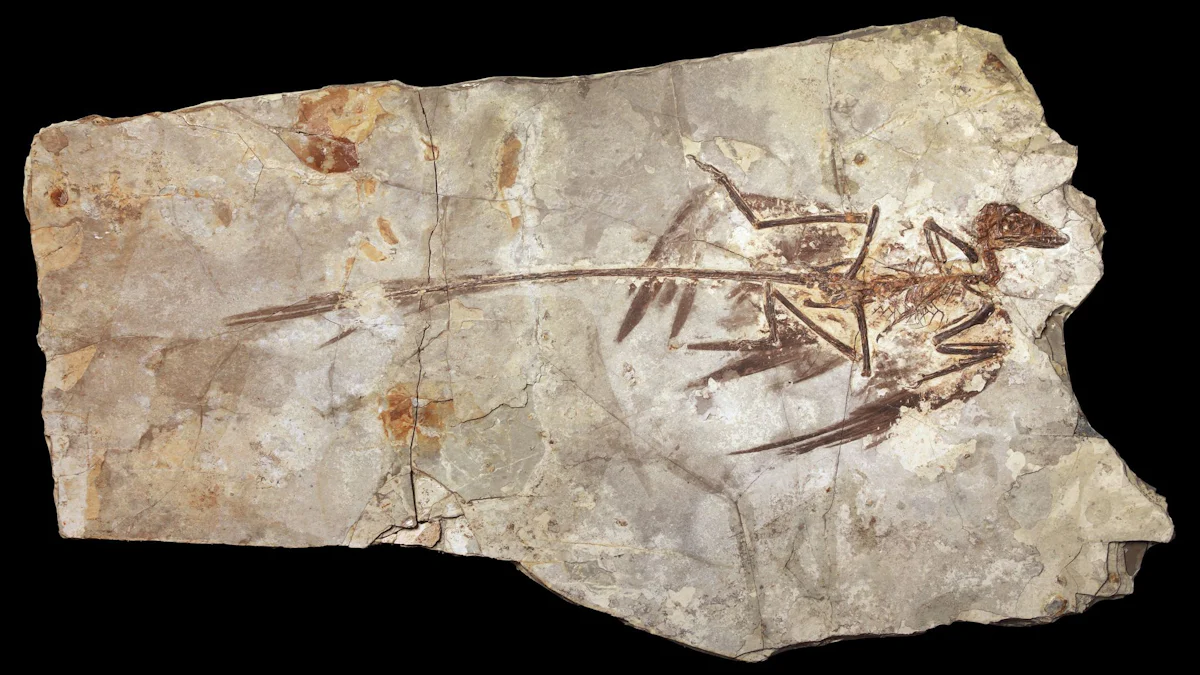
Using mathematical models to investigate the evolution of body size across vertebrates, researchers found that while energetics and physiology can explain the sizes of mammals, birds, and turtles, they cannot explain why the smallest non-bird dinosaurs remained unusually large throughout their evolutionary history. Instead, the findings suggest that competition with small-bodied early mammals may have prevented dinosaurs from becoming mouse- or sparrow-sized animals that are so common among vertebrates today.
“Everyone loves a giant dinosaur,” said study co-author Roger Benson, the Macaulay Curator of Dinosaur Paleobiology at the Museum. “But we decided to look at the other end of the scale. The absence of tiny dinosaurs may be just as interesting as the existence of giant ones. We already knew that dinosaurs prevented mammals from evolving to large sizes before the end-Cretaceous mass extinction. Here we suggest that mammals in turn prevented dinosaurs from evolving to small sizes.”