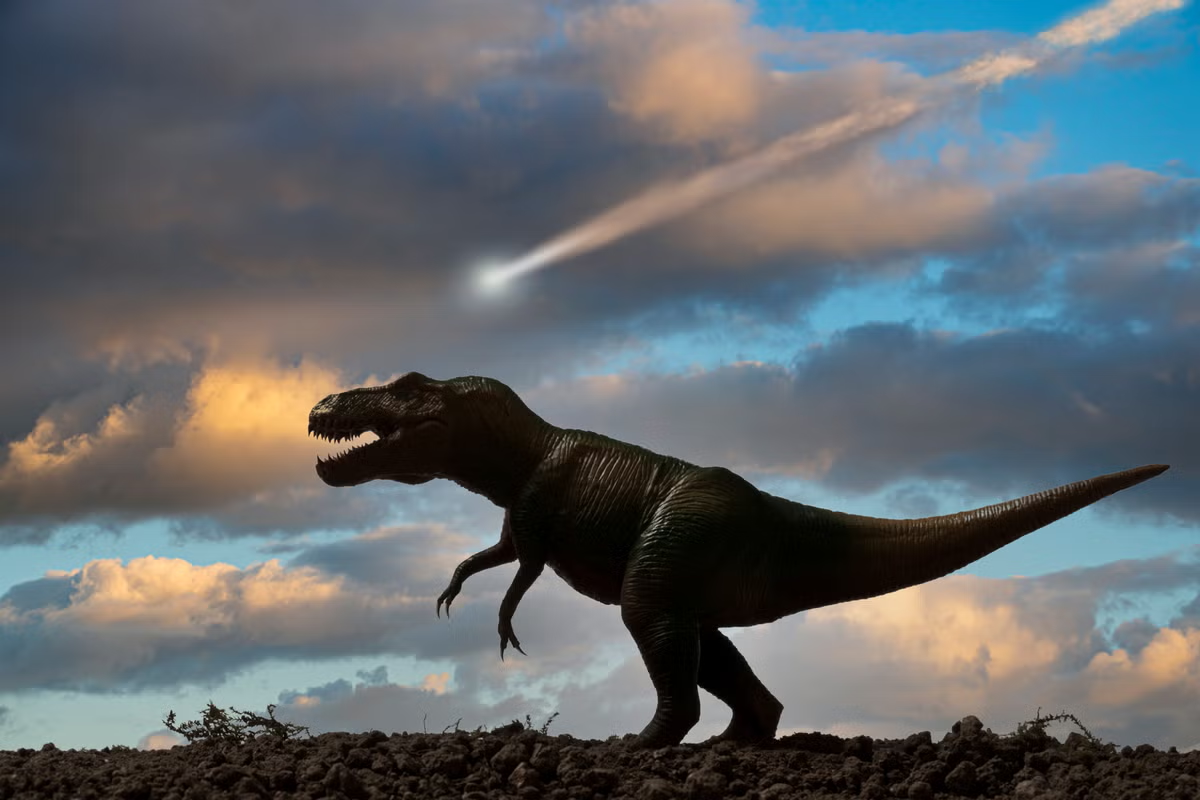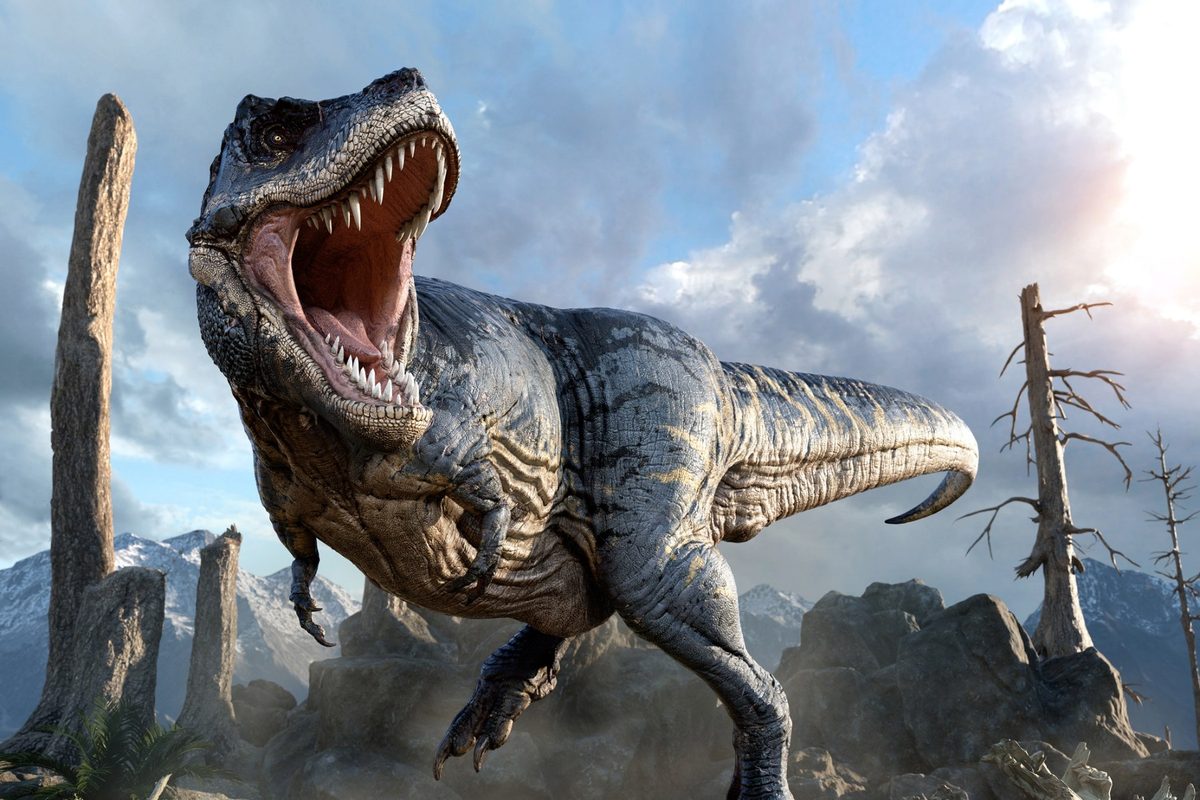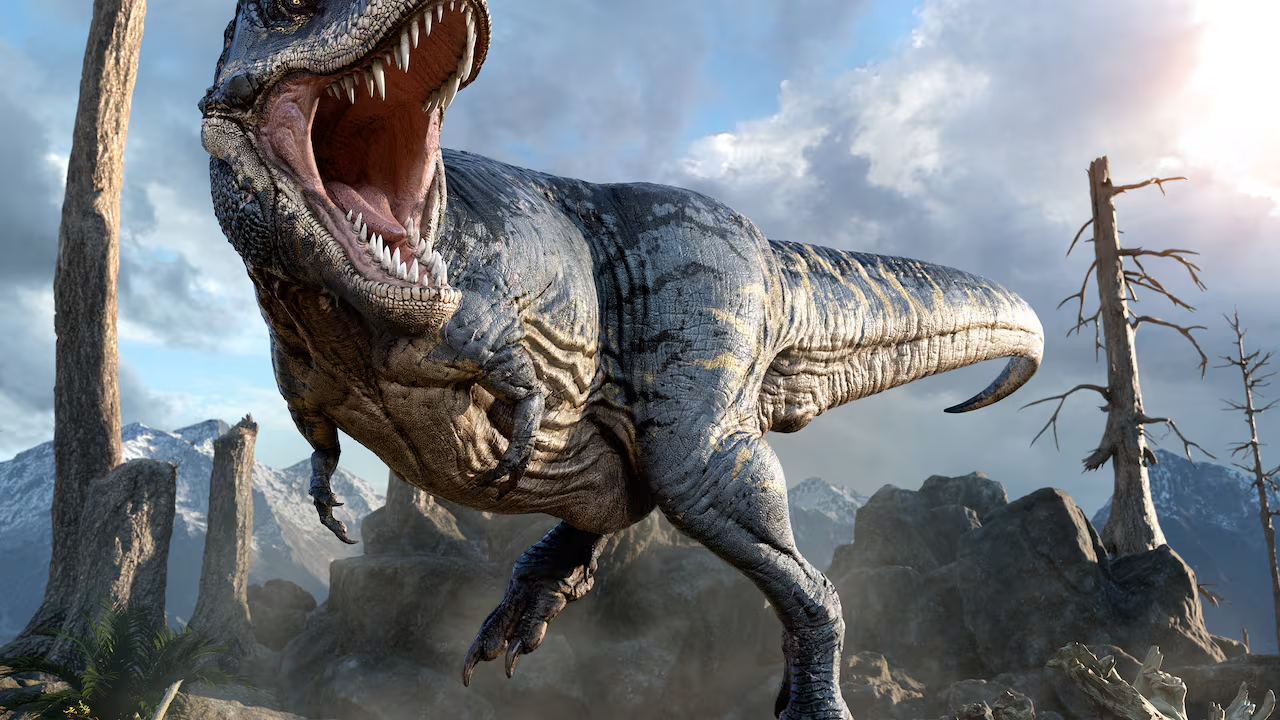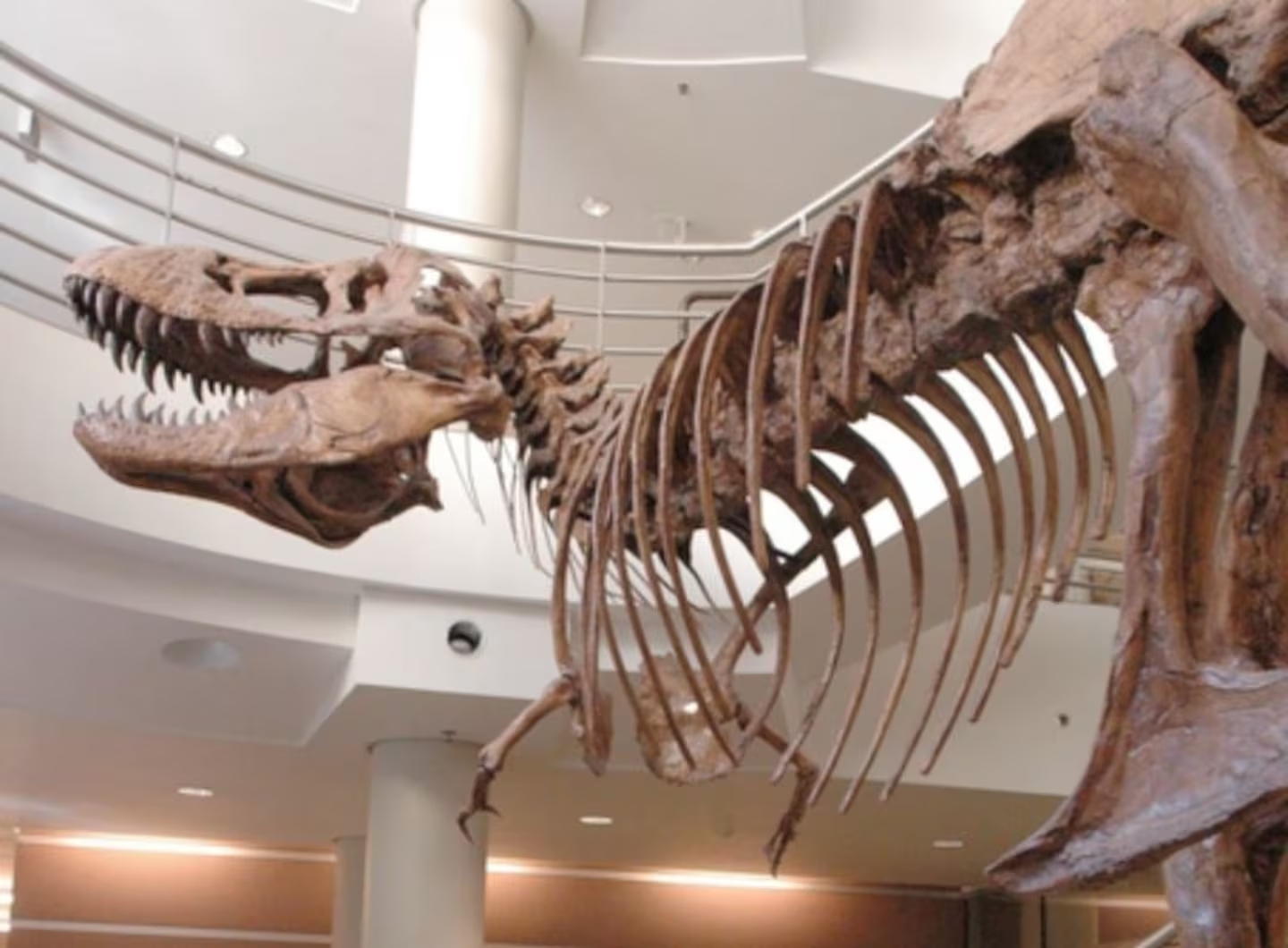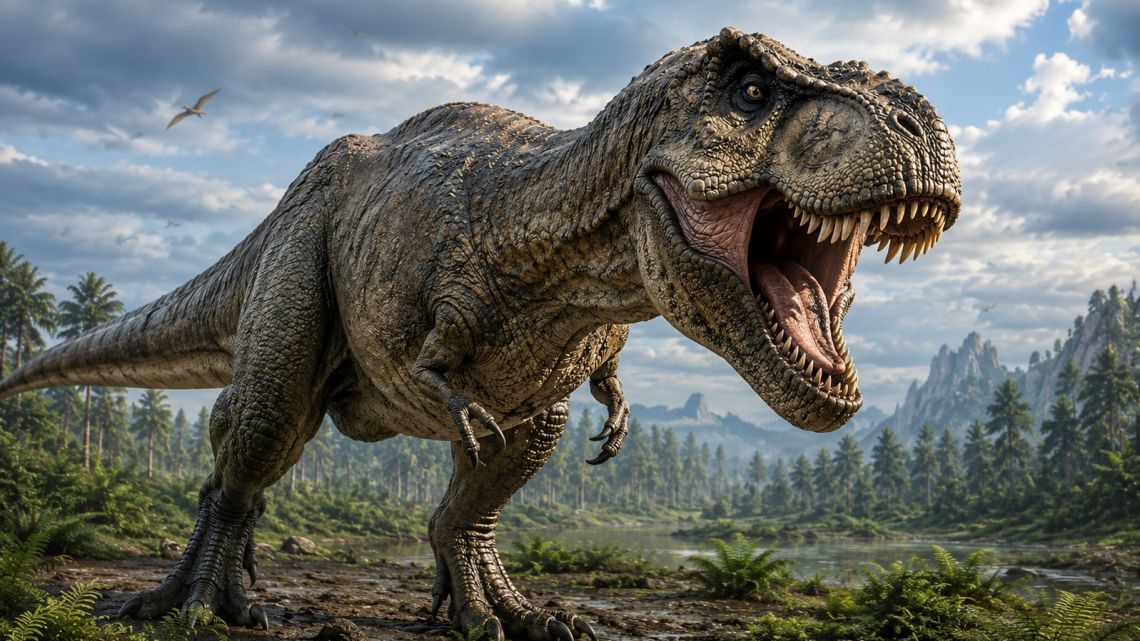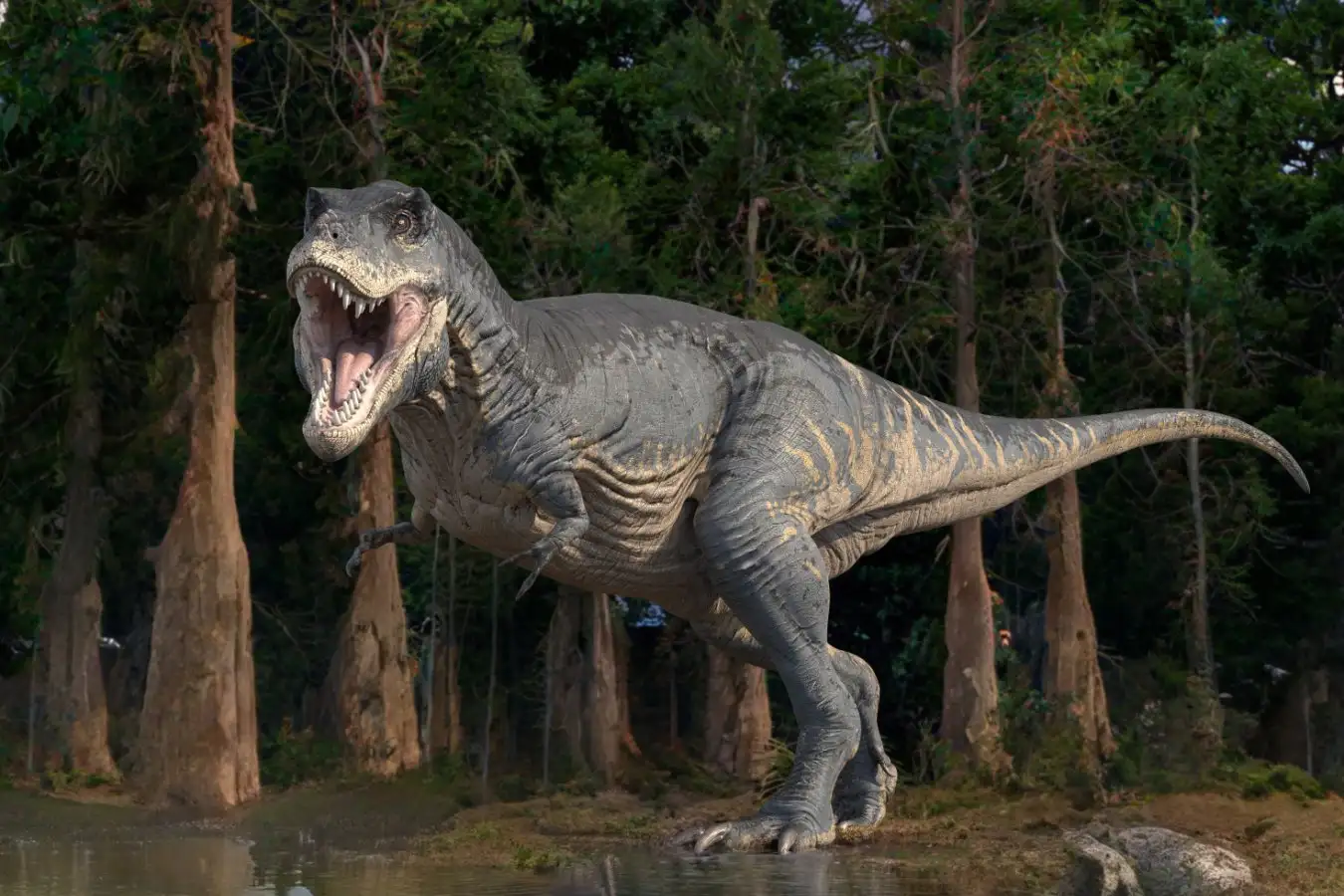
Tyrannosaurus rex wasn’t the only predatory dinosaur with small armsROGER HARRIS/Getty Images/SCIENCE PHOTO LIBRARY
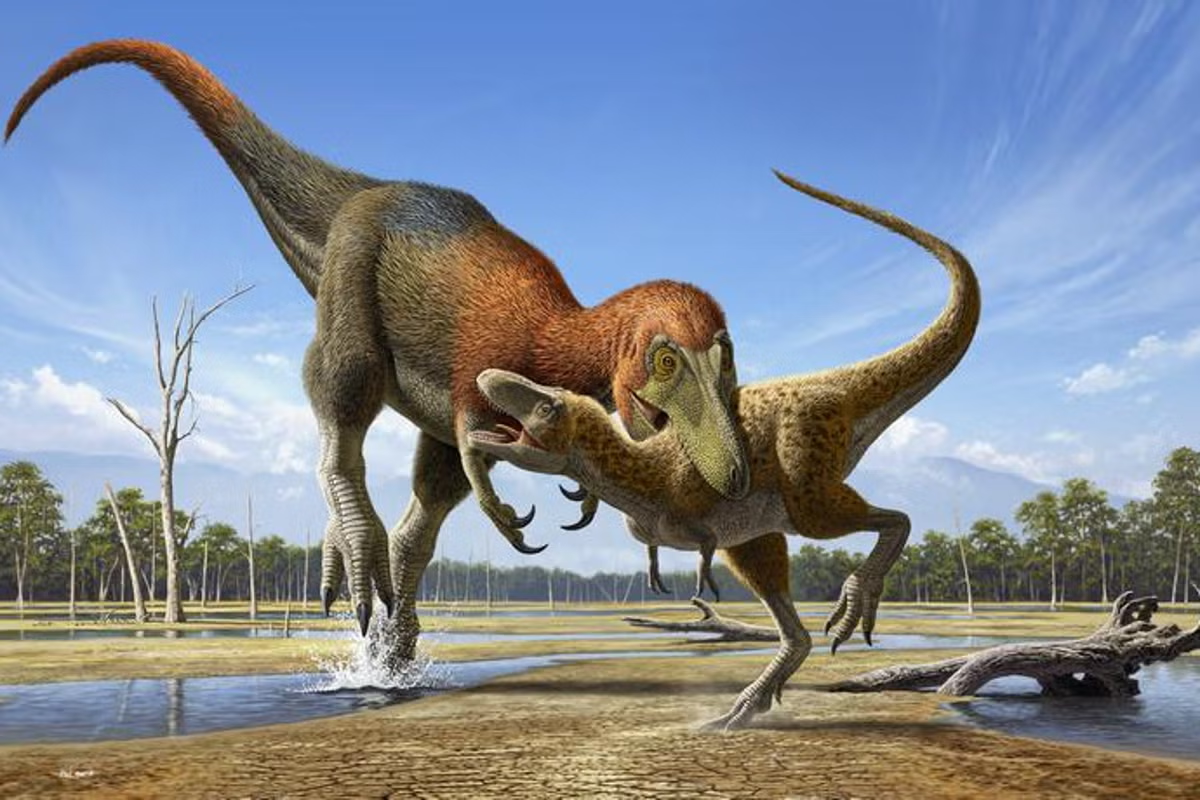
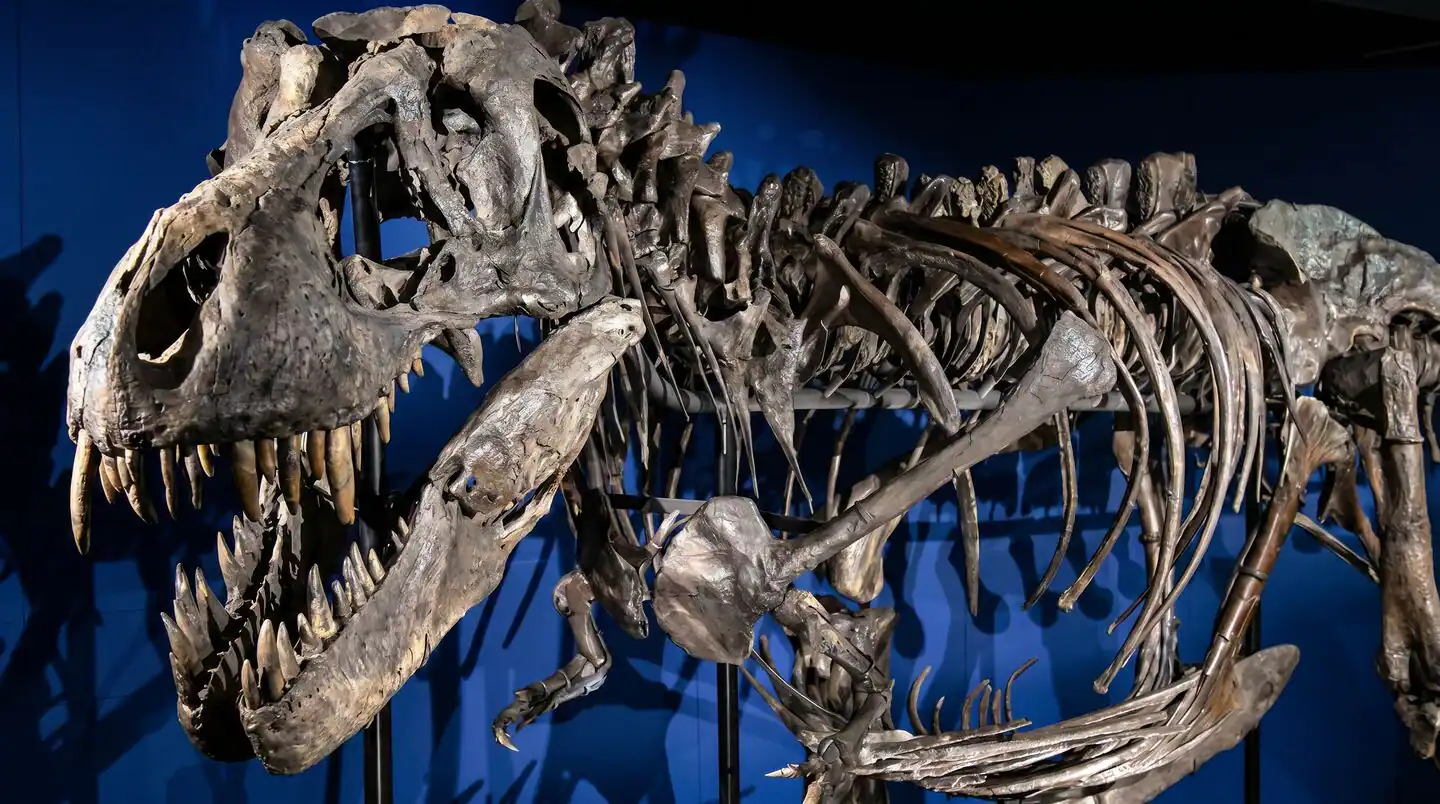
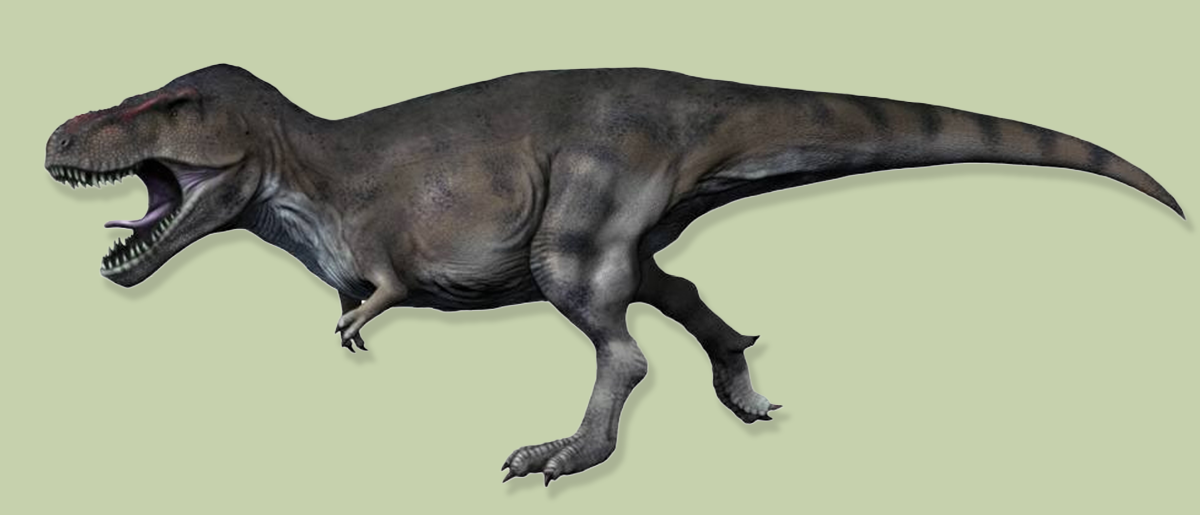
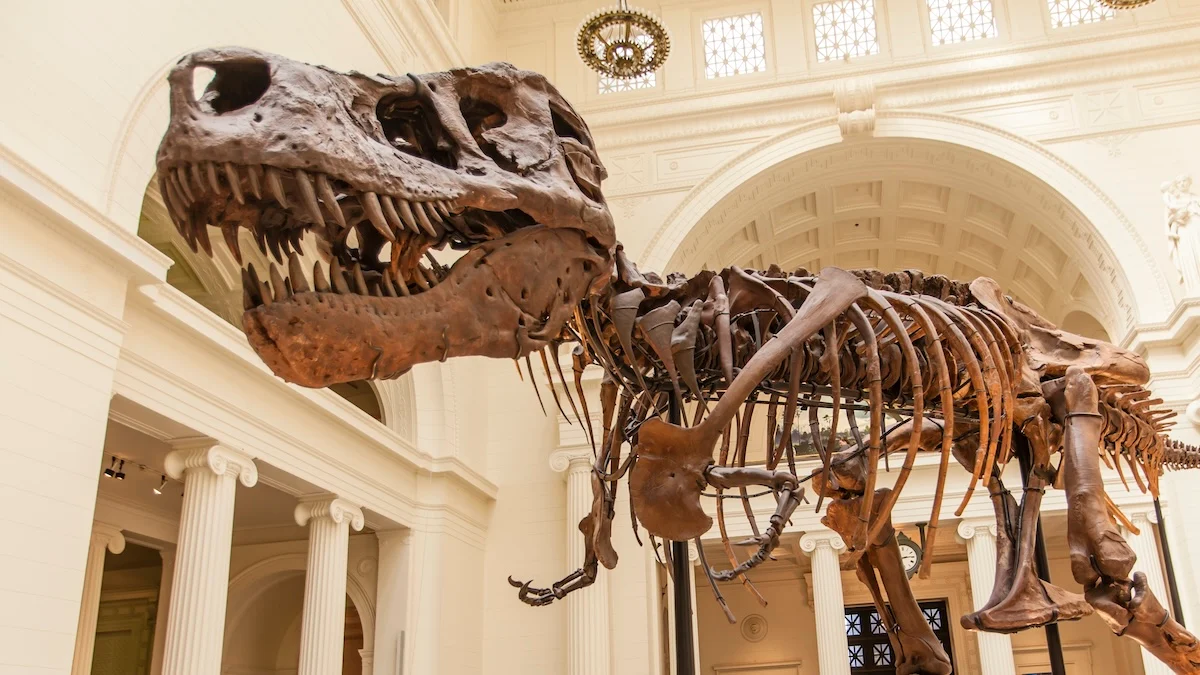
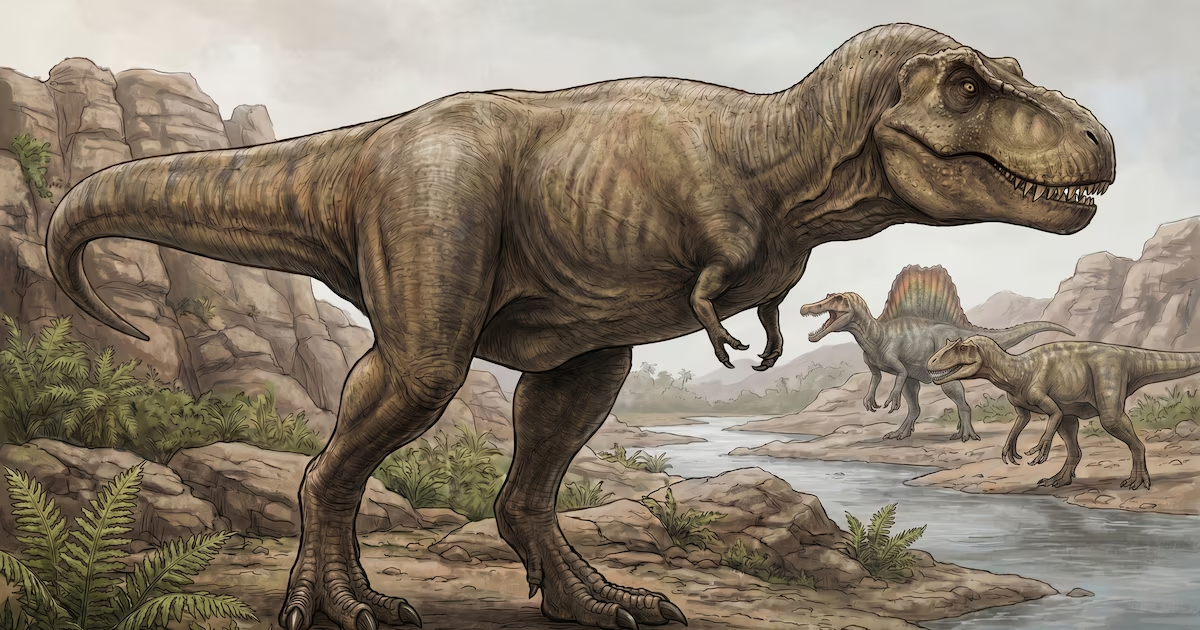
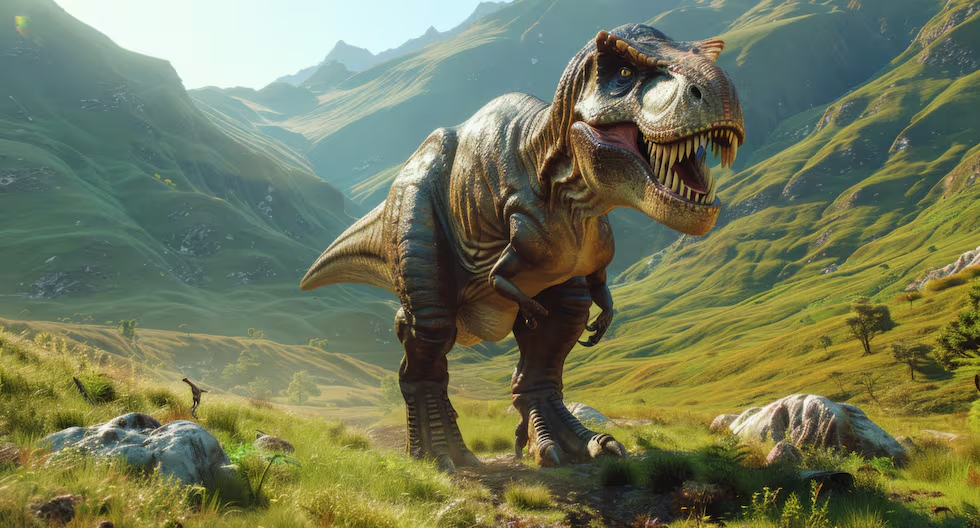
With jaws like these, who needs big arms? A new analysis suggests dinosaurs like Tyrannosaurus rex had shrunken forelimbs because their massive, powerful heads became their primary tool for killing large prey, rendering their arms redundant. It is an evolutionary approach that five different lineages of large theropod dinosaurs took independently.
Researchers are well aware that a number of large, predatory theropods followed a trend towards bigger bodies, bigger heads and smaller, shorter arms over time. But it wasn’t known why this pattern repeated across multiple predatory dinosaur families, scattered across the globe and separated by many millions of years, says Charlie Scherer at University College London. There was also little understanding of how the bones in their ever-heftier skulls changed as their arms became proportionally smaller.
“This paper tackles one of the big evolutionary questions in theropod dinosaurs,” says Andre Rowe at the University of Bristol, UK, who wasn’t involved with the research.
Scherer and his colleagues compiled data on the proportions of the forelimbs and skulls of 85 theropod species, along with body-mass data. This allowed them to calculate a ratio between the skull dimensions and forelimb lengths, quantifying just how small the arms were compared with the head. The researchers then compared this ratio with other measurements of the dinosaurs’ bodies, along with a measure of the skulls’ strength based on factors such as bite force and skull rigidity.