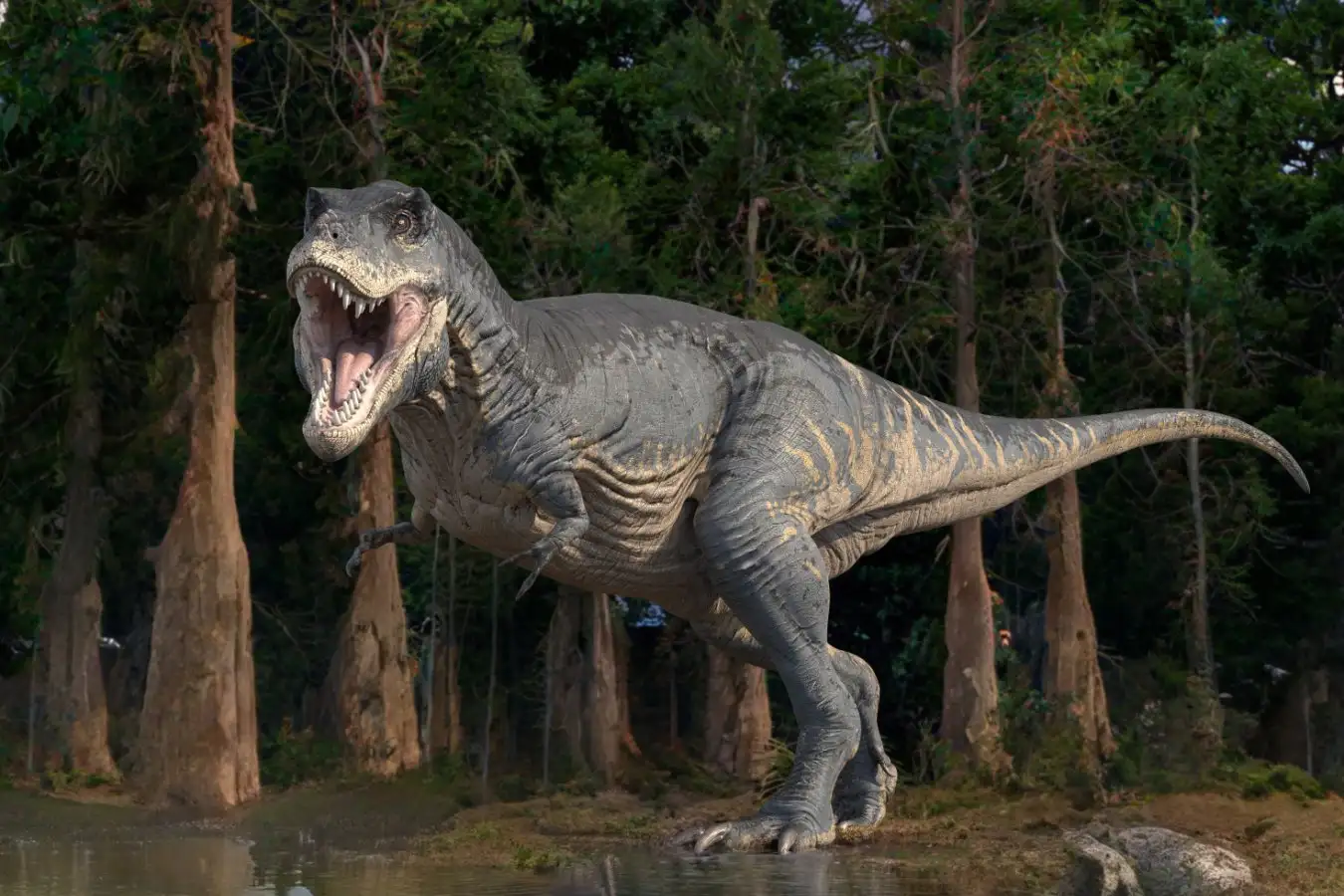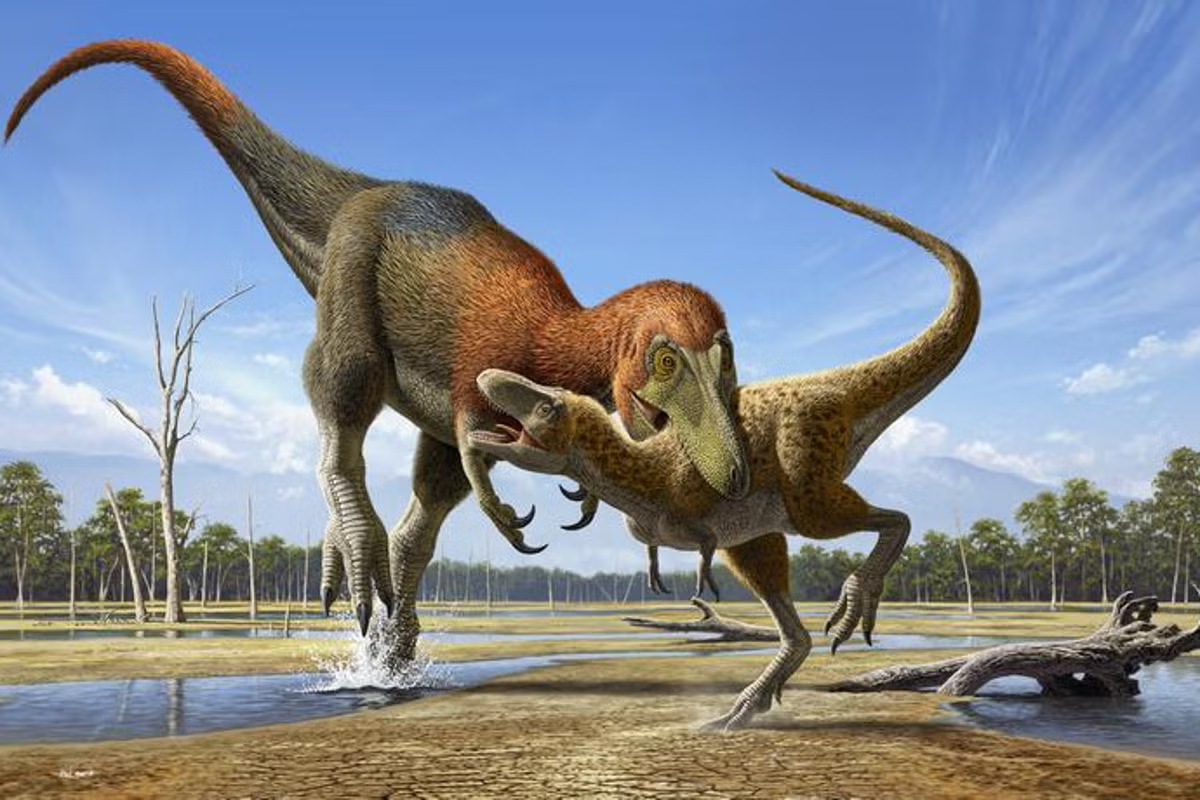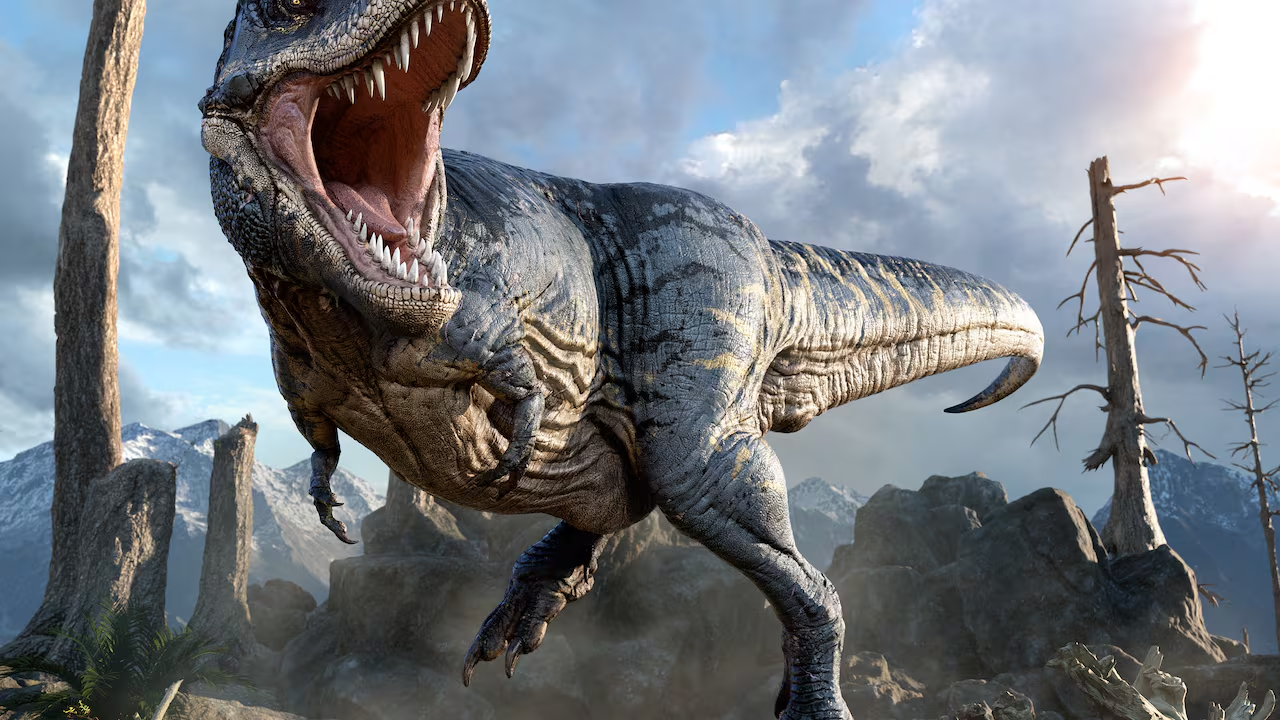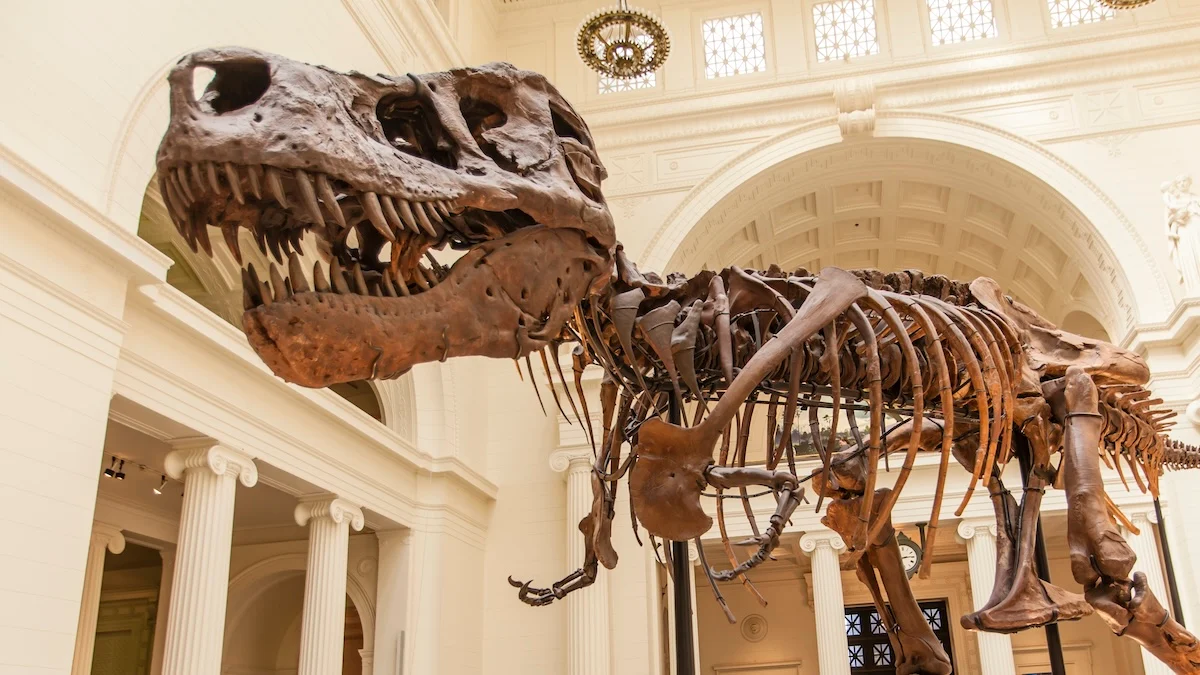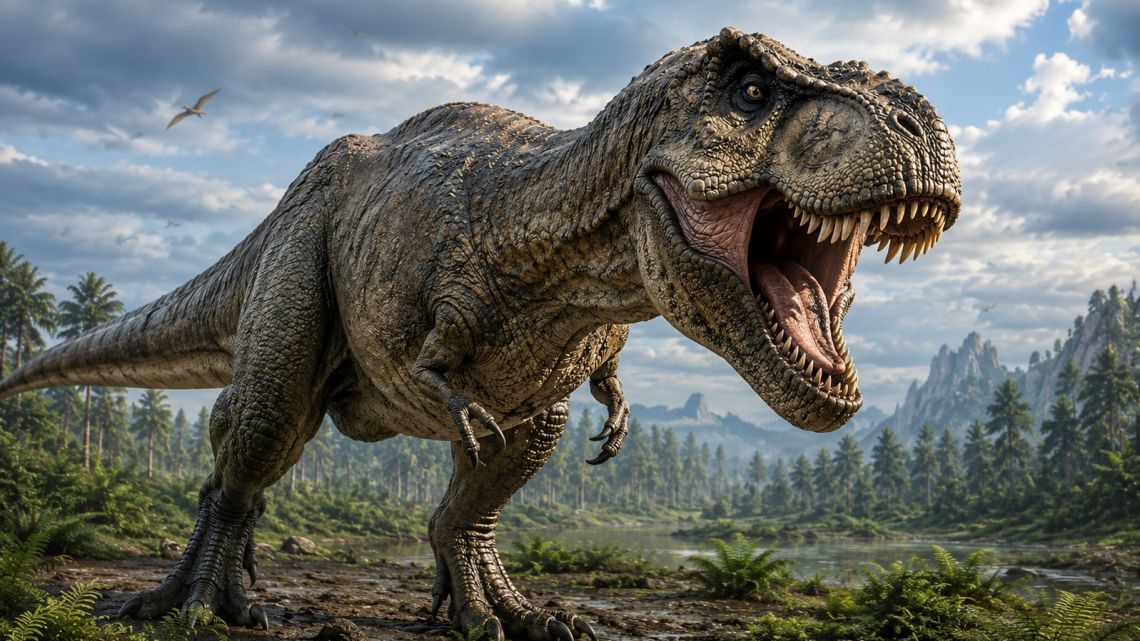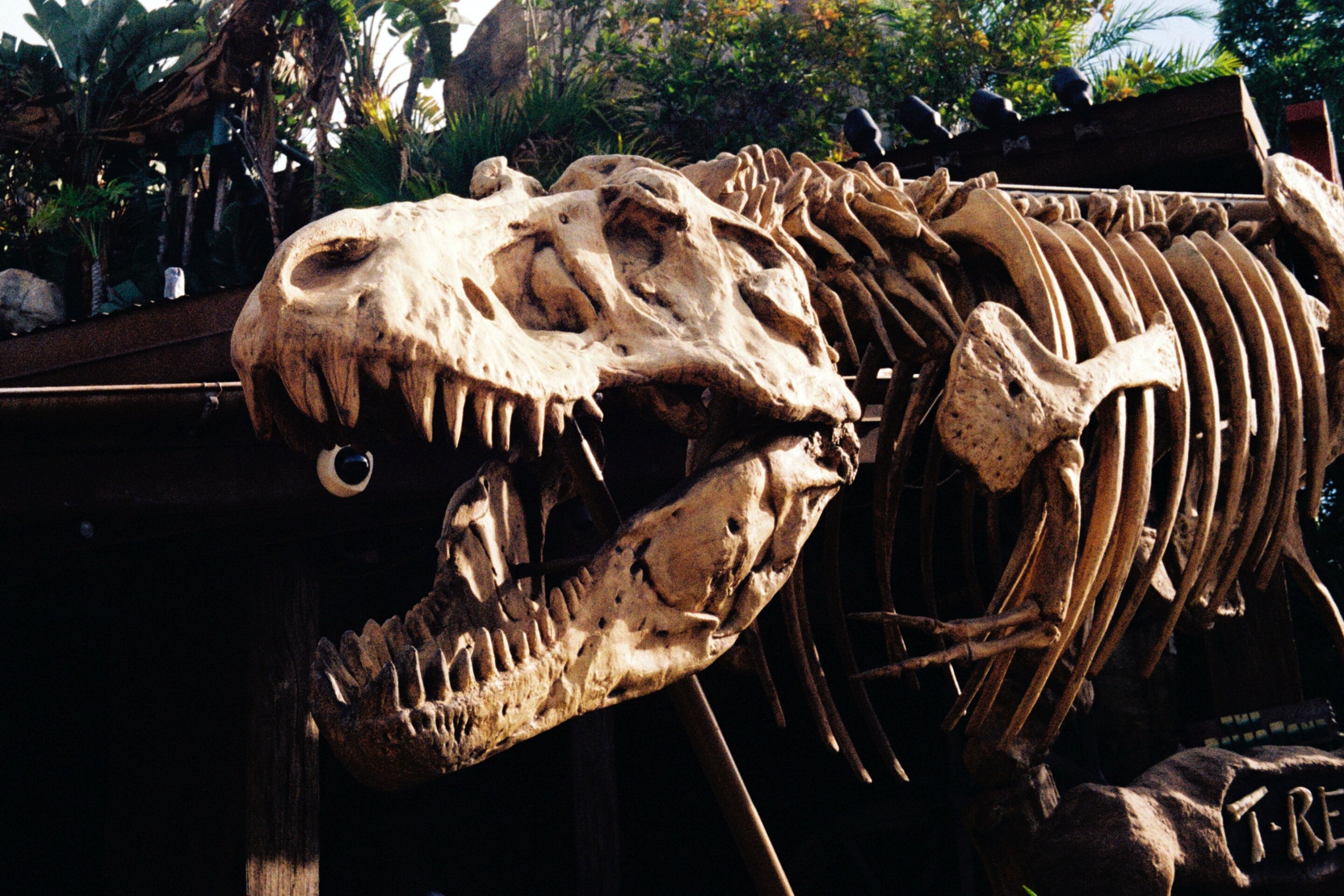
The evolution of tiny arms in several groups of meat-eating dinosaurs was likely driven by the development of strong, powerful heads, which were used to attack prey, according to a new study led by researchers at UCL (University College London) and Cambridge University.
The study, published in the journal Proceedings of the Royal Society B, looked at data for 82 species of theropod (two-legged, mainly meat-eating dinosaurs), finding that shortening of forelimbs occurred across five groups, including tyrannosaurids, the family that included Tyrannosaurus rex.
The team, including Dr. Elizabeth Steell at Cambridge and Professor Paul Upchurch at UCL, found that smaller arms were closely linked to the development of large, powerful skulls and jaws, more so than to larger overall body size, indicating that tiny arms were not just a by-product of bodies getting bigger.
The researchers suggested that the increasing size of prey, in the form of gigantic sauropods (long-necked, long-tailed plant-eaters) and other large herbivores, may have resulted in a shift to hunting using jaws and head instead of claws.
How tiny arms and big heads evolved