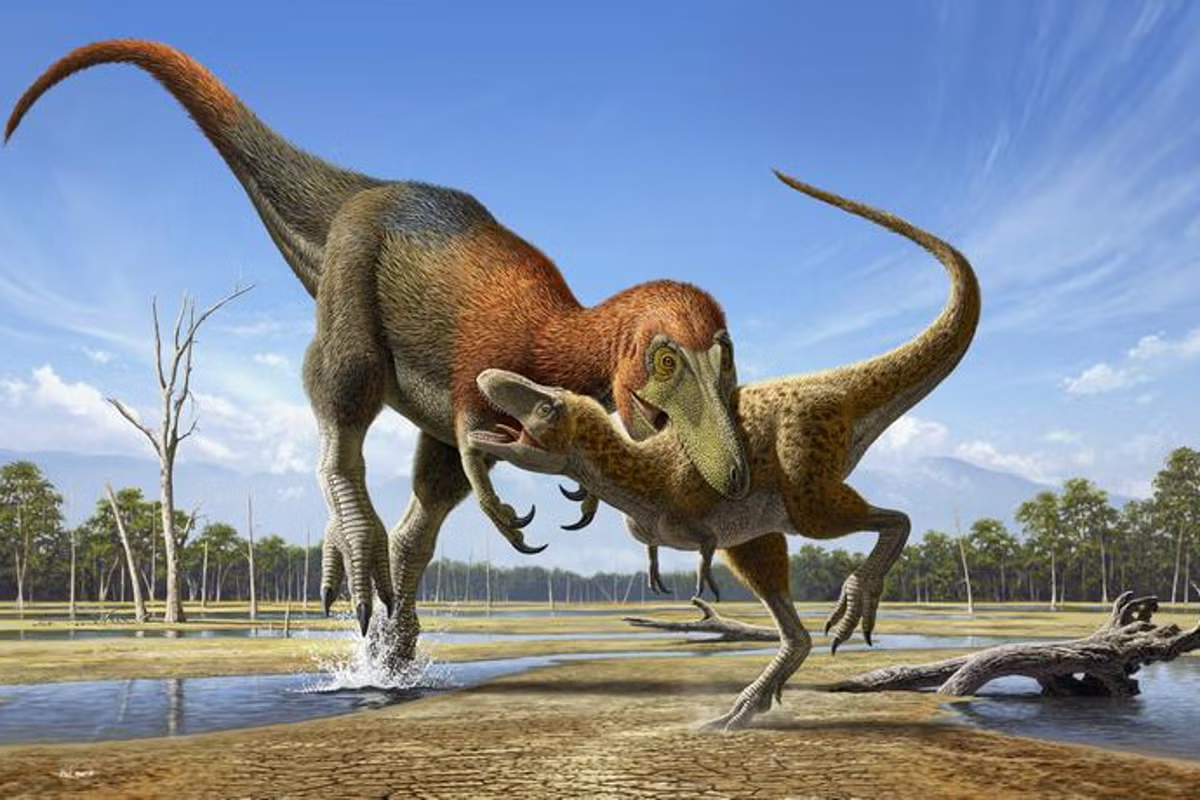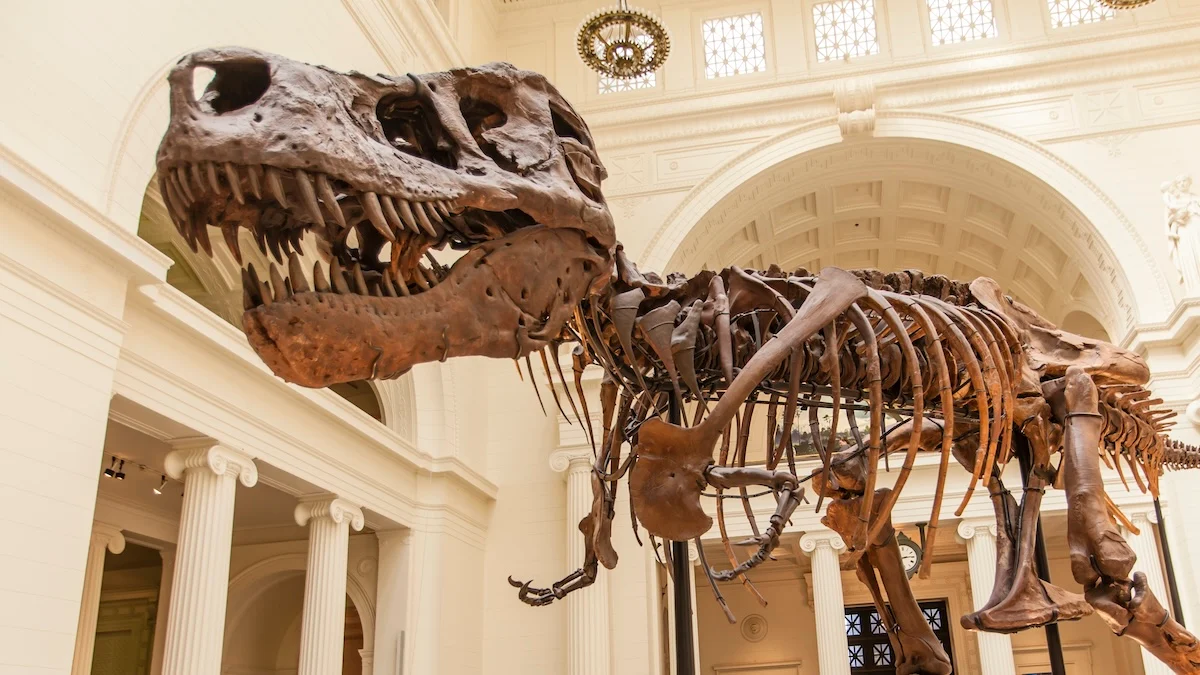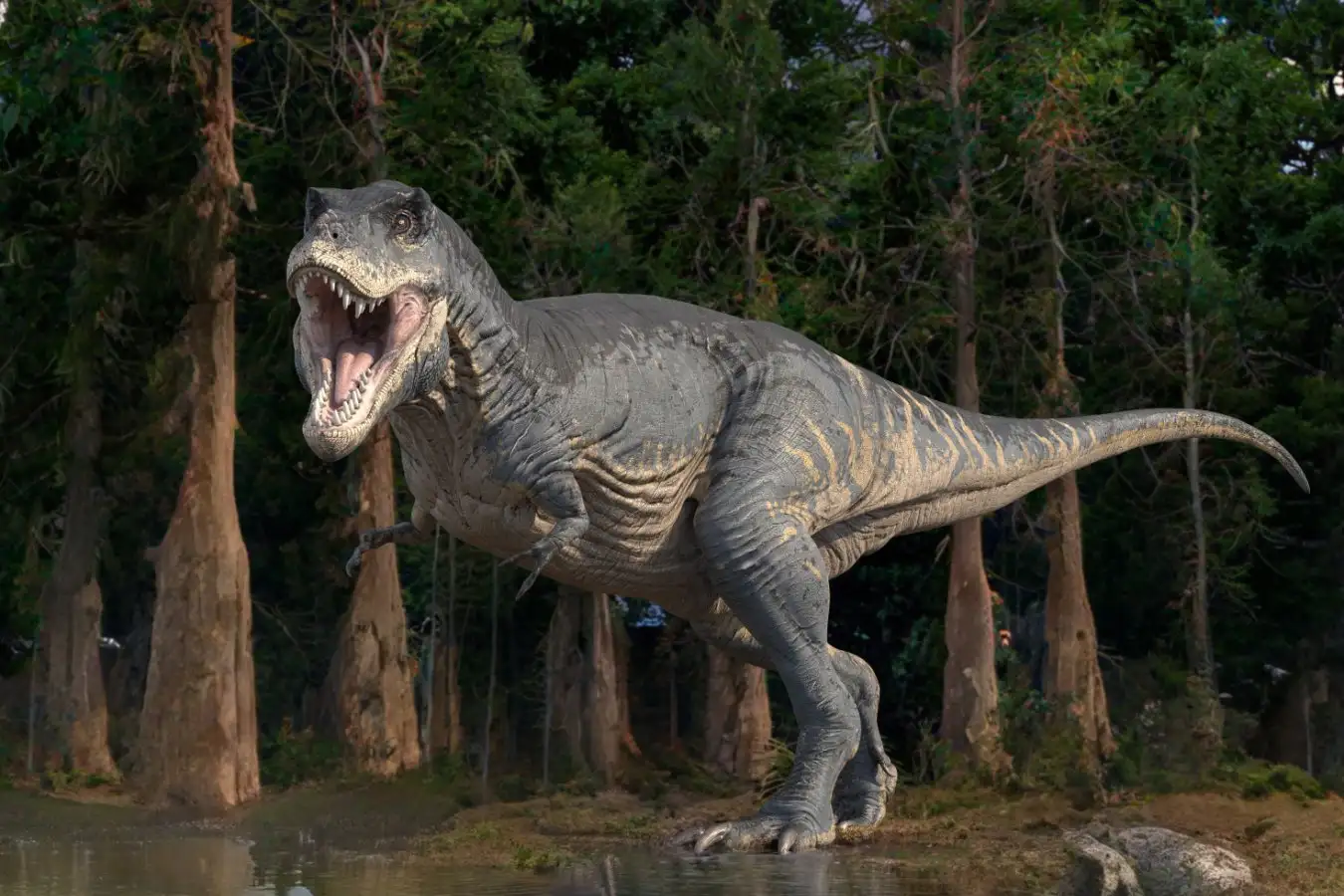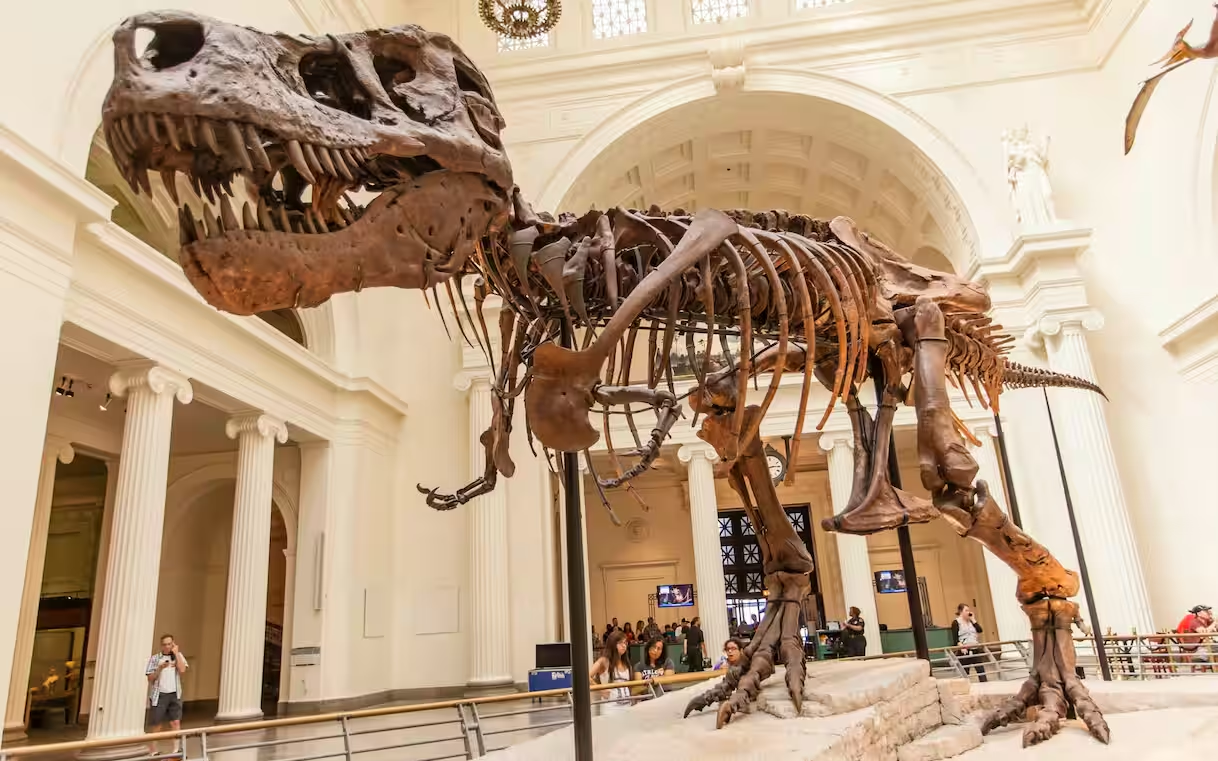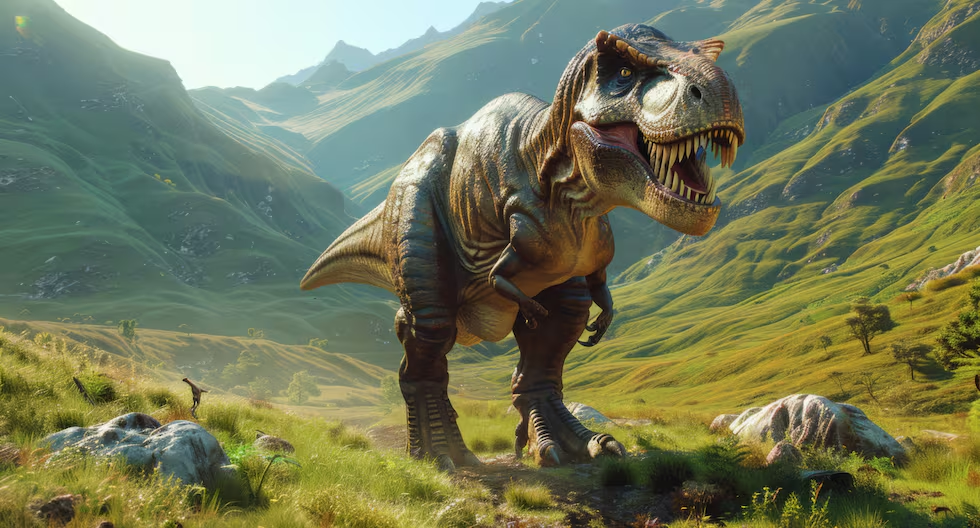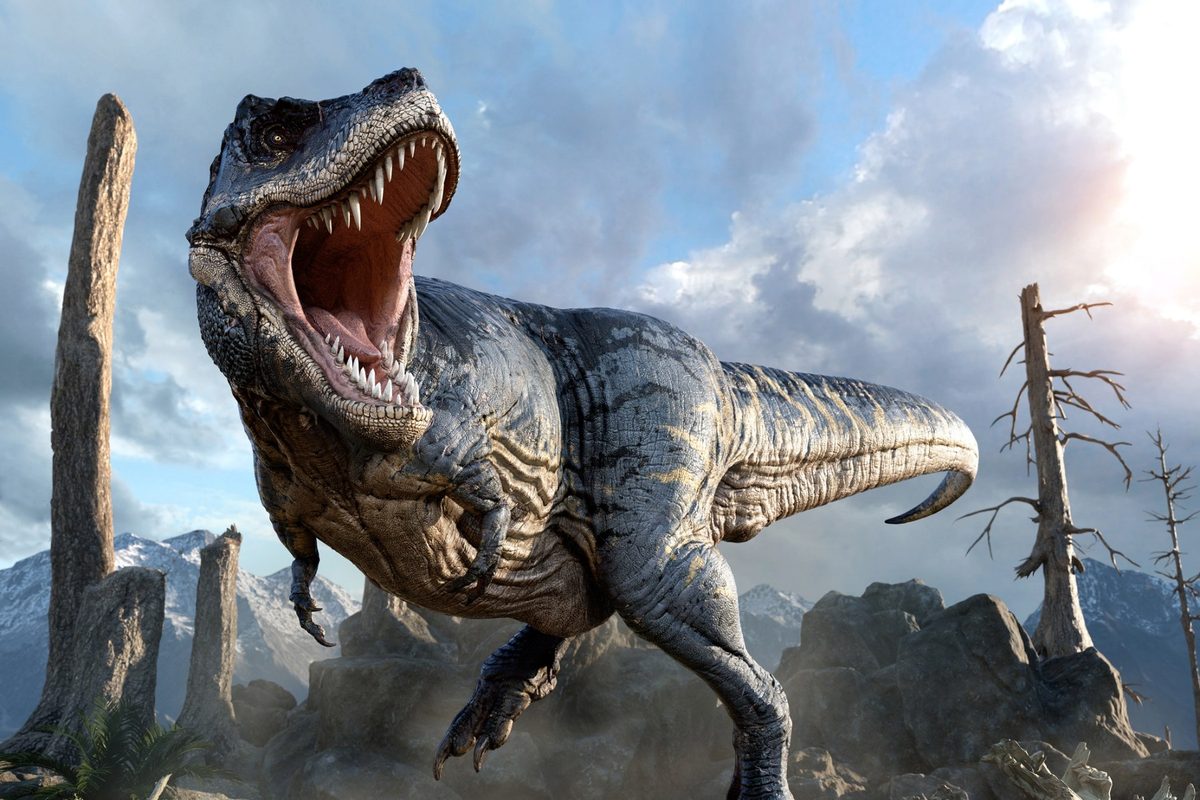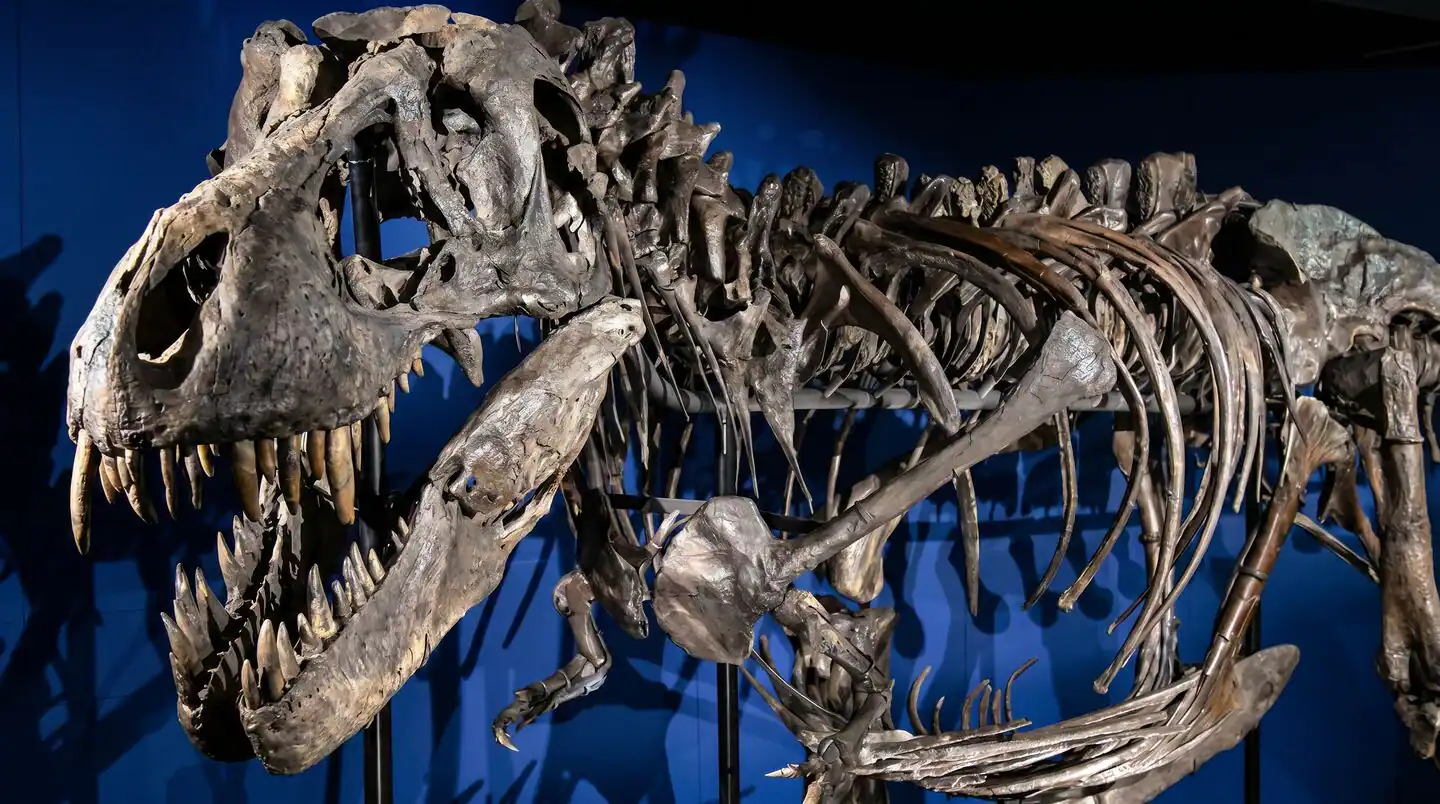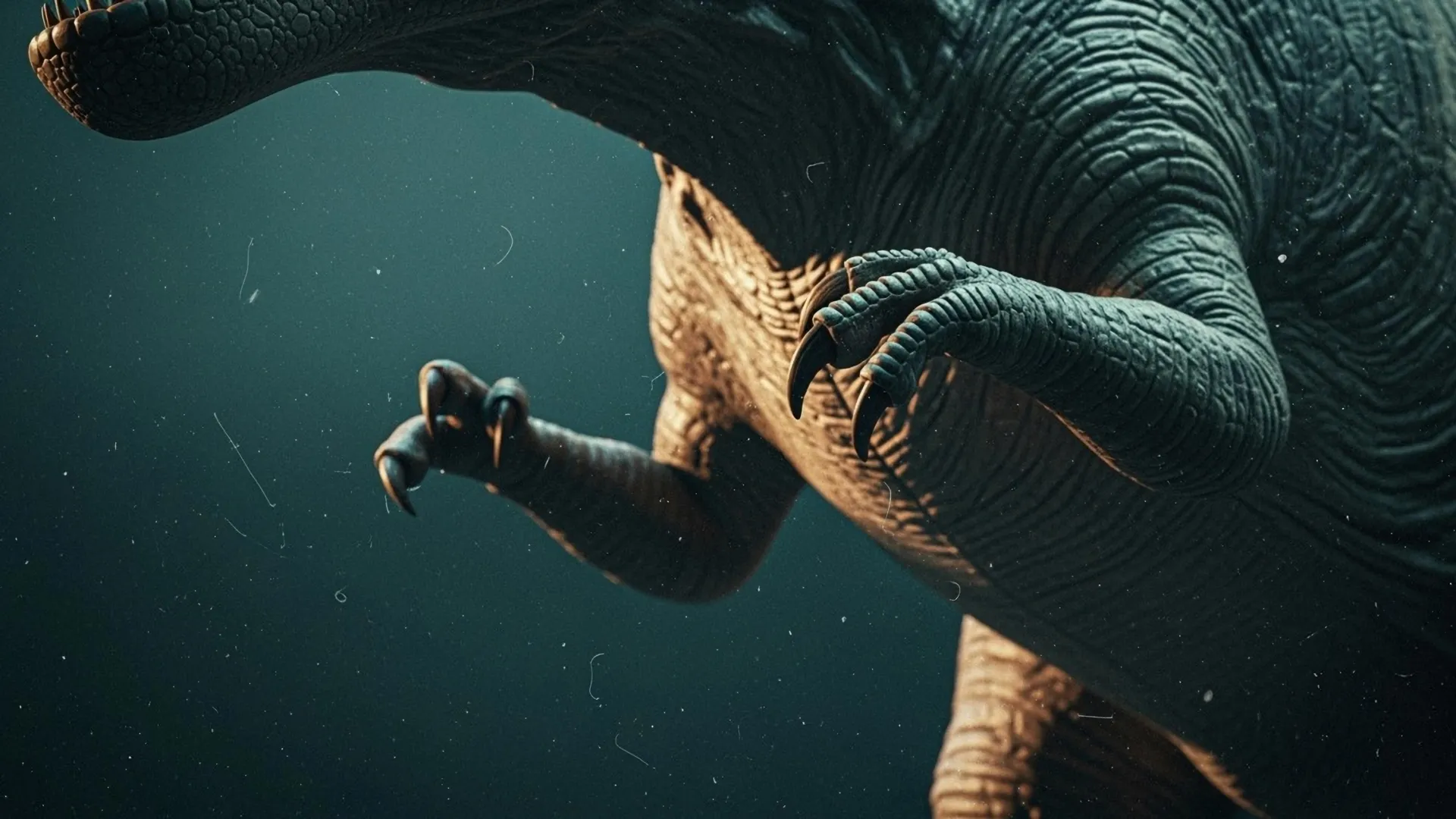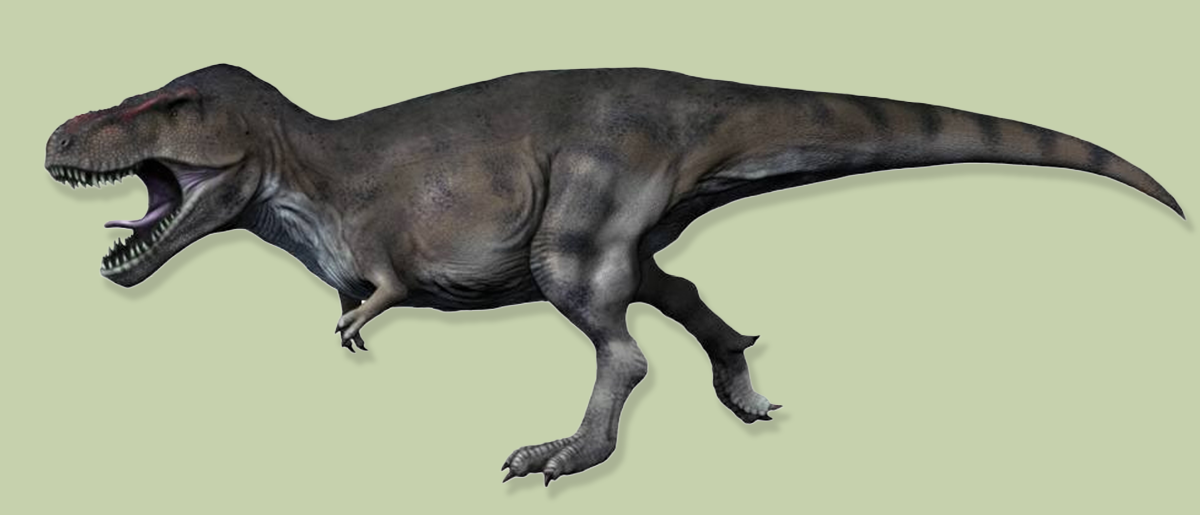
Tyrannosaurus rex may have been a fearsome predator, but there’s no getting around how ridiculous its tiny arms looked. Research published today in Proceedings of the Royal Society B Biological Sciences is shedding light on why they and other fearsome meat-eaters evolved diminutive forelimbs.Featured VideoT. rex and other tyrannosaurids are theropods, a large grouping of mostly carnivorous dinosaurs with hollow bones and three toes. As theropod species diversified during the Jurassic and Cretaceous periods, there were some notable trends. Several of them grew larger, developed relatively massive heads, and sported shrunken forelimbs. To take a closer look at the phenomenon, paleontologists examined data from 82 different theropod species and found evidence of arm shortening in five distinct lineages. They also quantified skull robusticity—or the skull’s strength and thickness—and found this was more closely linked to shorter arms than either skull size or body size. Essentially, it appears that theropods’ tiny arms are a function of having a beefier skull and not just growing larger. “We sought to understand what was driving this change and found a strong relationship between short arms and large, powerfully built heads,” study author Charlie Roger Scherer of University College London explained in a statement. “The head took over from the arms as the method of attack. It’s a case of ‘use it or lose it’—the arms are no longer useful and reduce in size over time.”Read more: “T. Rex Was a Slacker”Other studies have found evidence that forelimb shortening is merely a byproduct of allometric growth—different body parts growing at different rates. In this scenario, selective pressure favoring something like head size or leg size during development would result in relatively petite forelimbs. Scherer and his coauthors say that’s not the case, though, because forelimbs didn’t show the same pattern of shortening. Some theropods had shorter arms because all of their arm bones were reduced, while others were smaller because specific bones were reduced. So what led the T. rex and its kin to develop such powerful heads? The researchers believe it was an evolutionary arms race (pun unavoidable) necessary to take down larger prey. Theropods like T. rex tended to live among huge herbivores that were growing even bigger during this period. Their best chance to get a meal may have been putting all their eggs in one powerful, tooth-filled basket. “These adaptations often occurred in areas with gigantic prey. Trying to pull and grab at a 100-foot-long sauropod with your claws is not ideal,” Scherer said. “Attacking and holding on with the jaws might have been more effective.”Hey, when you’ve got a bite like a T. rex, no one makes fun of your tiny arms. Enjoying Nautilus? Subscribe to our free newsletter.Lead image: Nobu Tamura / Wikimedia Commons
We Finally Have the Answer for T. Rex’s Tiny Arms
We Finally Have the Answer for T. Rex’s Tiny Arms: They have their massive heads to blame
455 words~2 min read