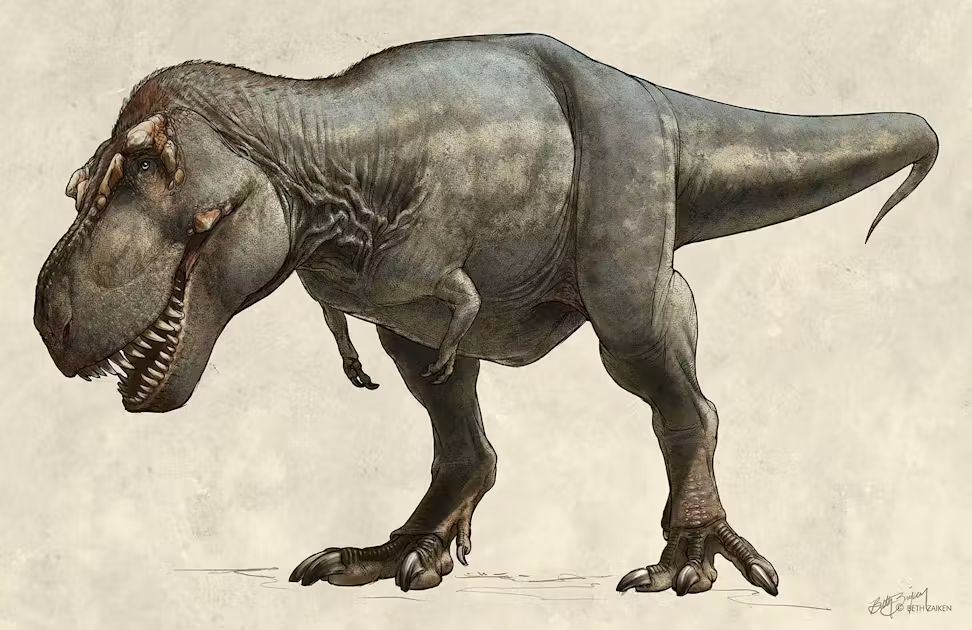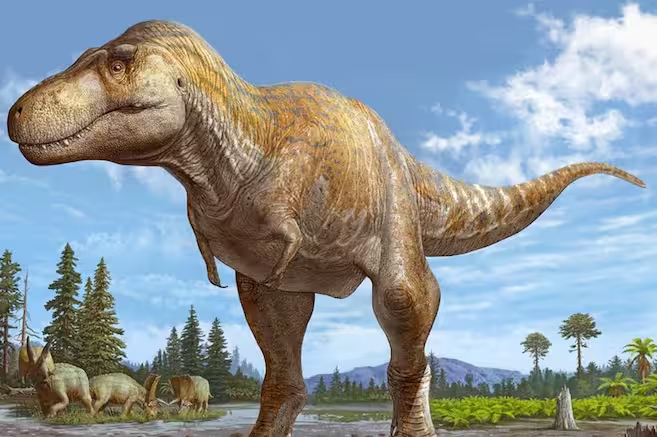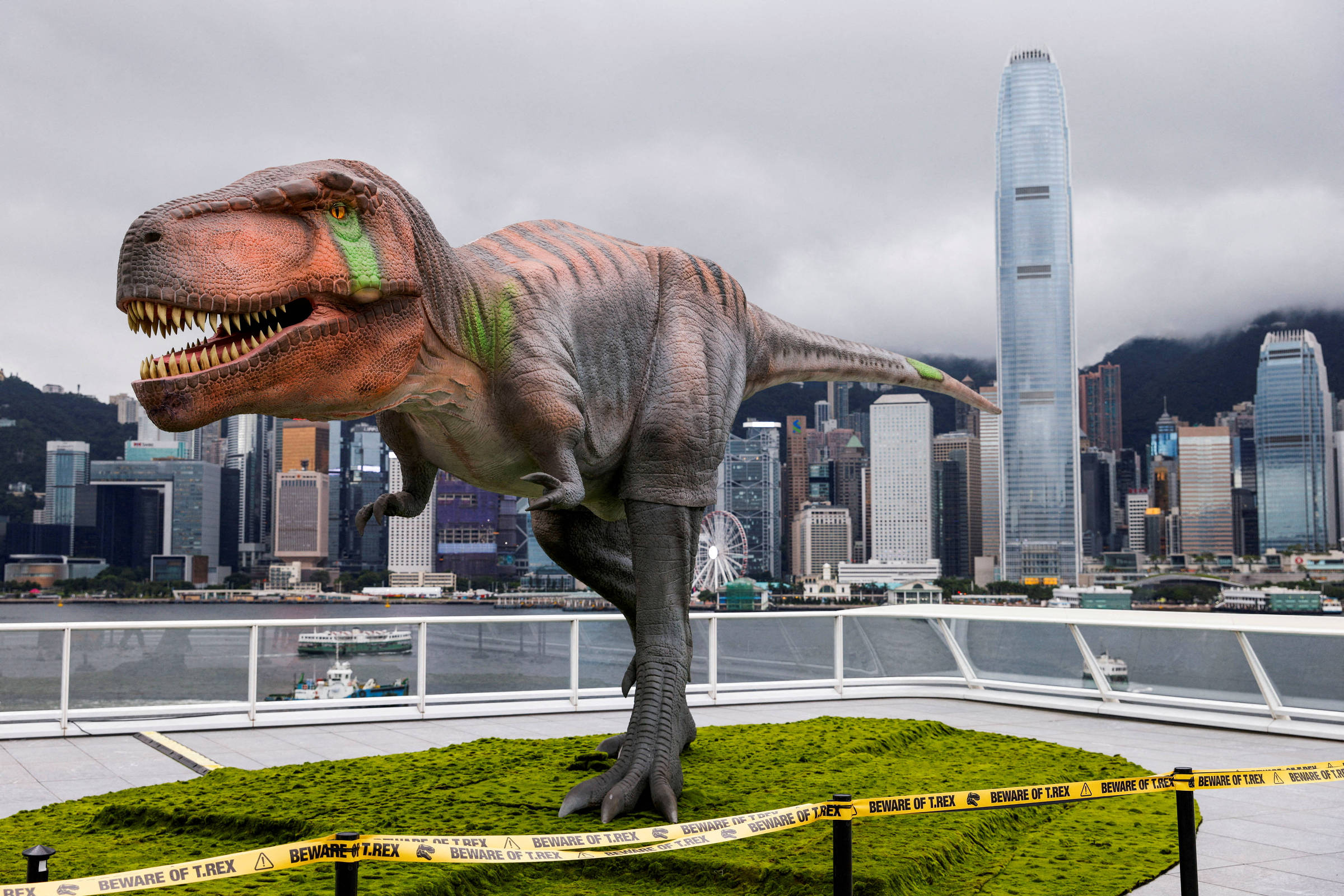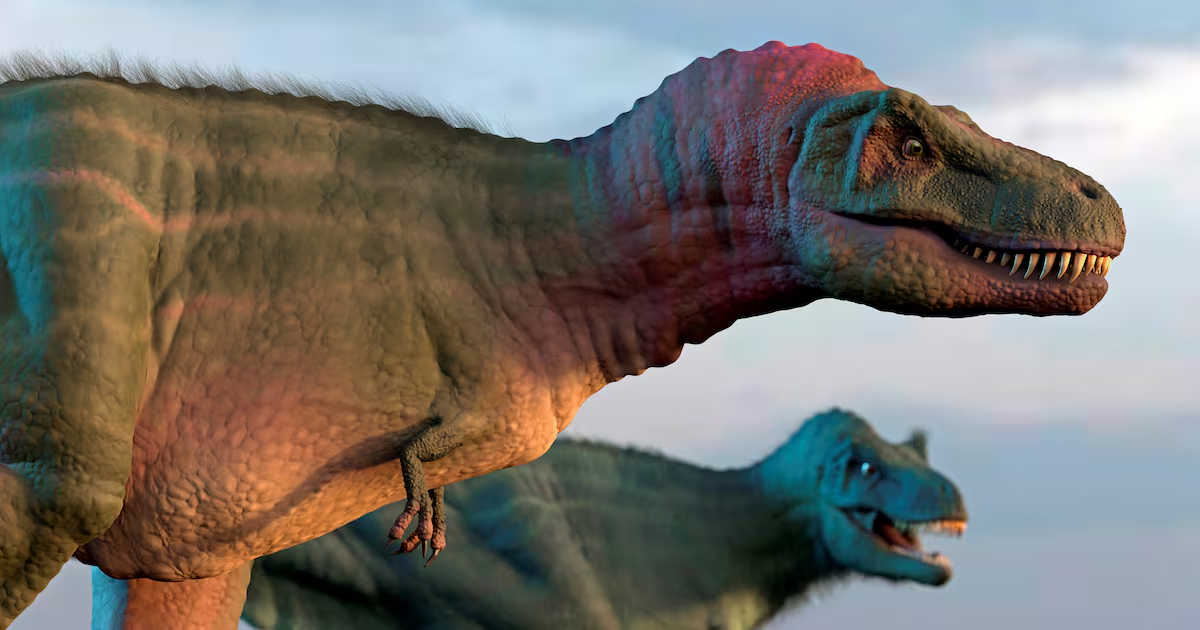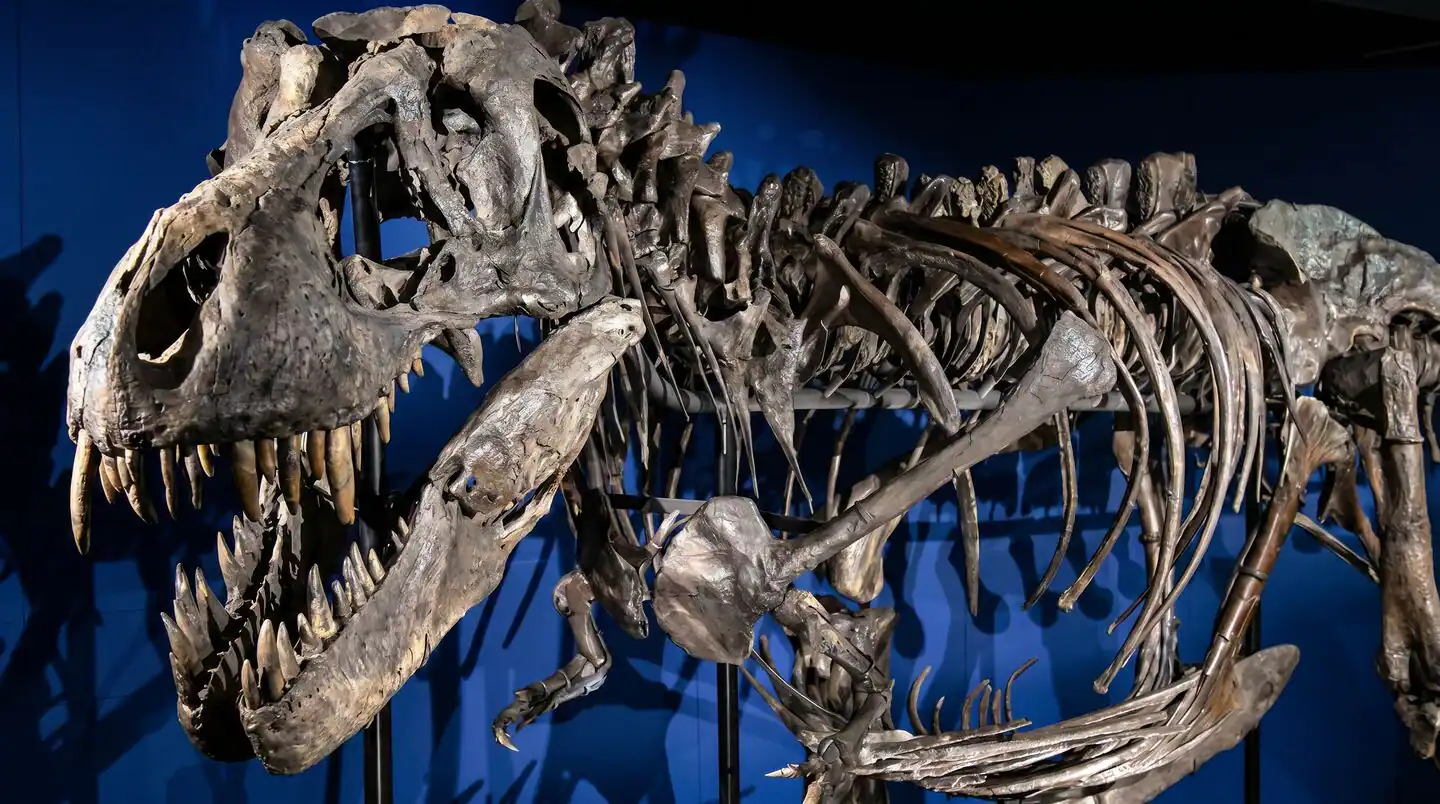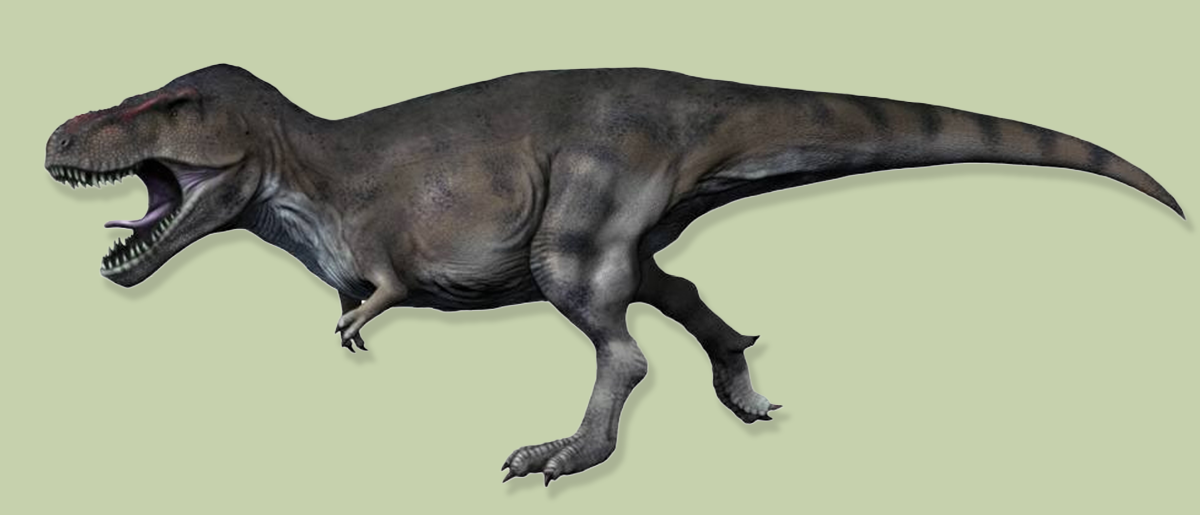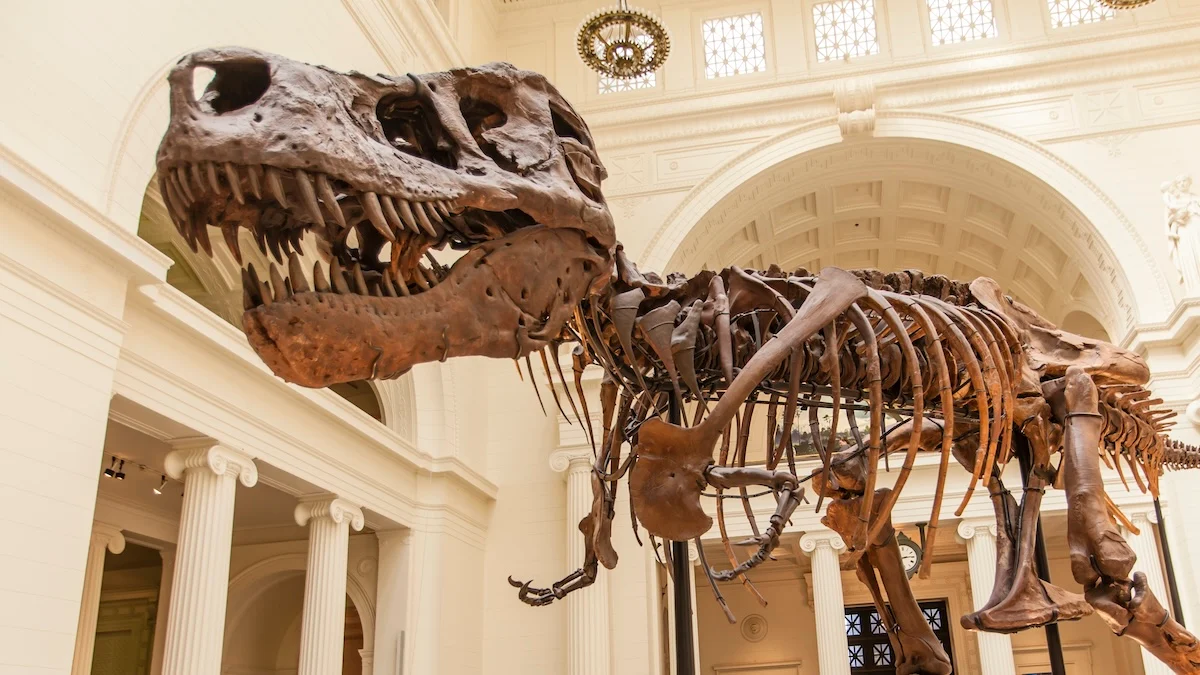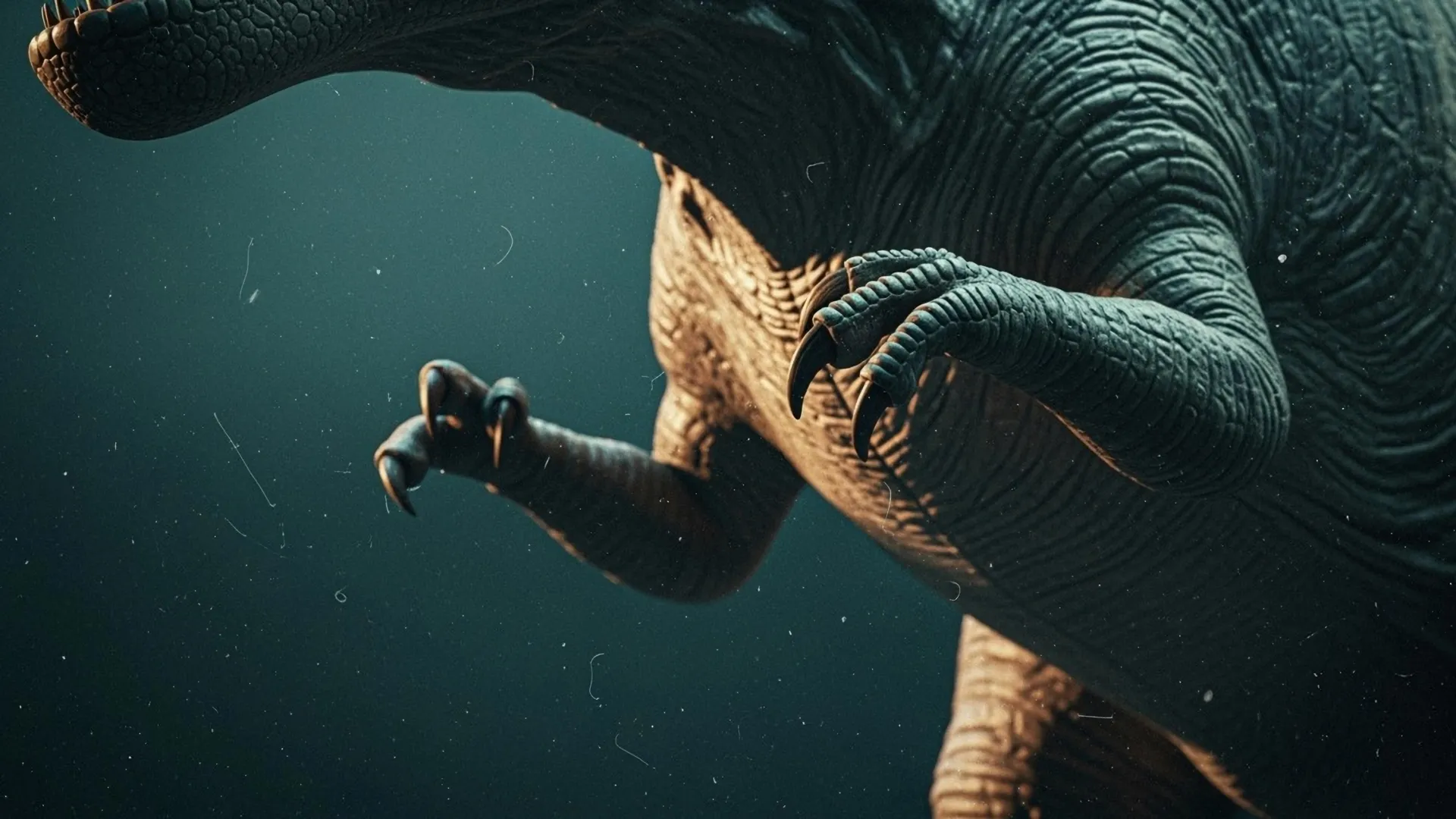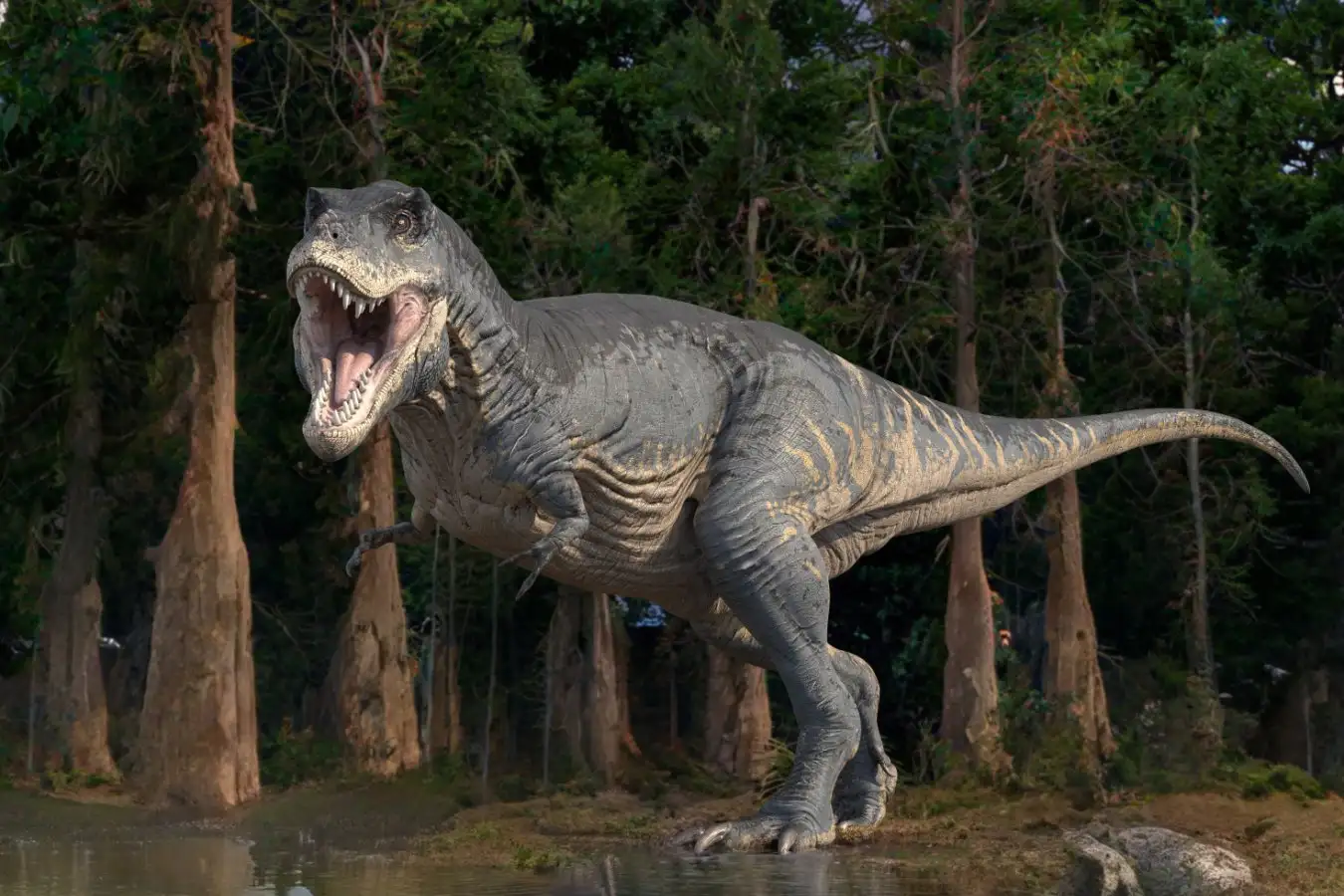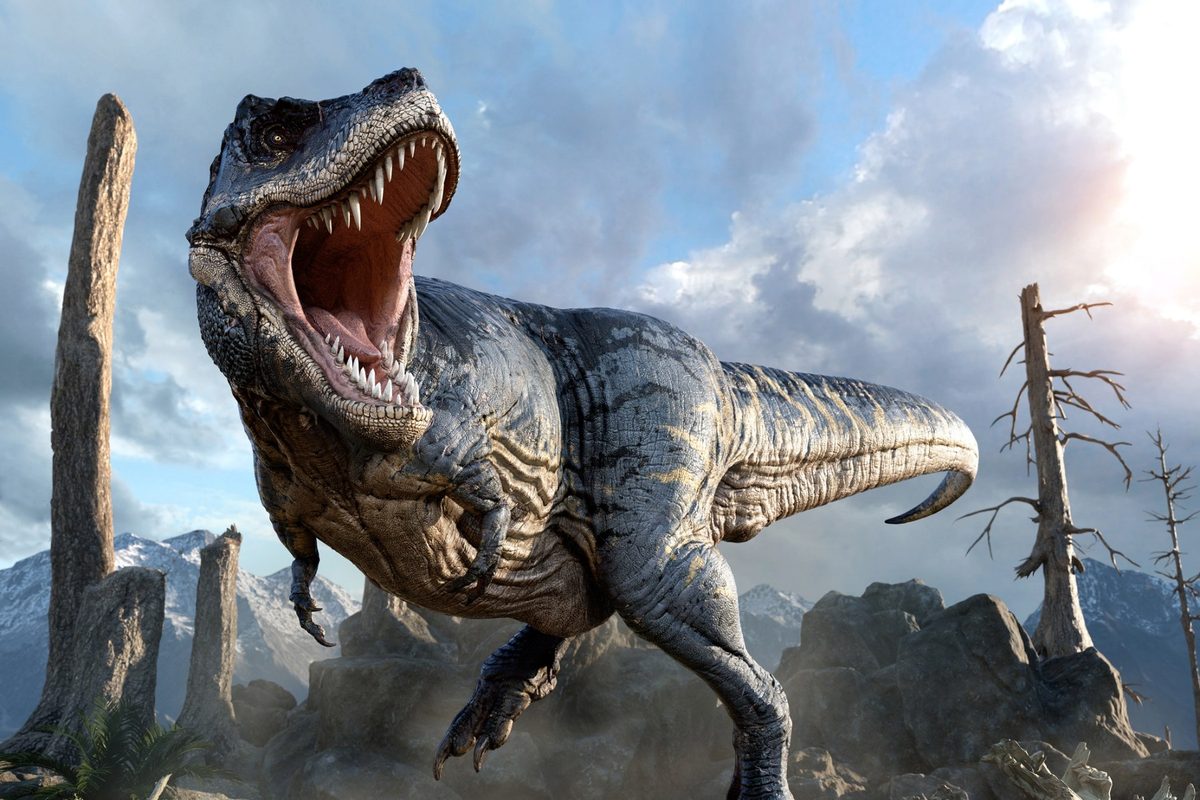
Find yourself in the face of the world’s most fearless dinosaur? Insult it where its insecurities lie – in its tiny, tiny arms.
While scientists have long agreed the miniature limbs of a Tyrannosaurus Rex were pretty useless, the actual evolutionary trigger behind their size remained up for debate. But now, thanks to new research, we might have the answer.
Researchers from University College London (UCL) and Cambridge University studied 82 species of theropods – the group of two-legged, primarily meat-eating dinosaurs that T. rex belong to – and found that their arms shrank as their heads and jaws grew larger.
This suggests that the Tyrannosaurus (and other predatory dinosaurs) evolved to use their head and jaws as their main weapon of attack, rather than their claws. As a result, their arms shrank over time with disuse, until eventually they were so outsized by the dinosaur’s enormous jaw and body they became the tiny arms we joke about.
Researchers have known for a long time that the Tyrannosaurus Rex’s arms were vestigial – meaning they lost most or all their original function through evolution – but the link between shrinking arms and swelling heads is a new proposition.