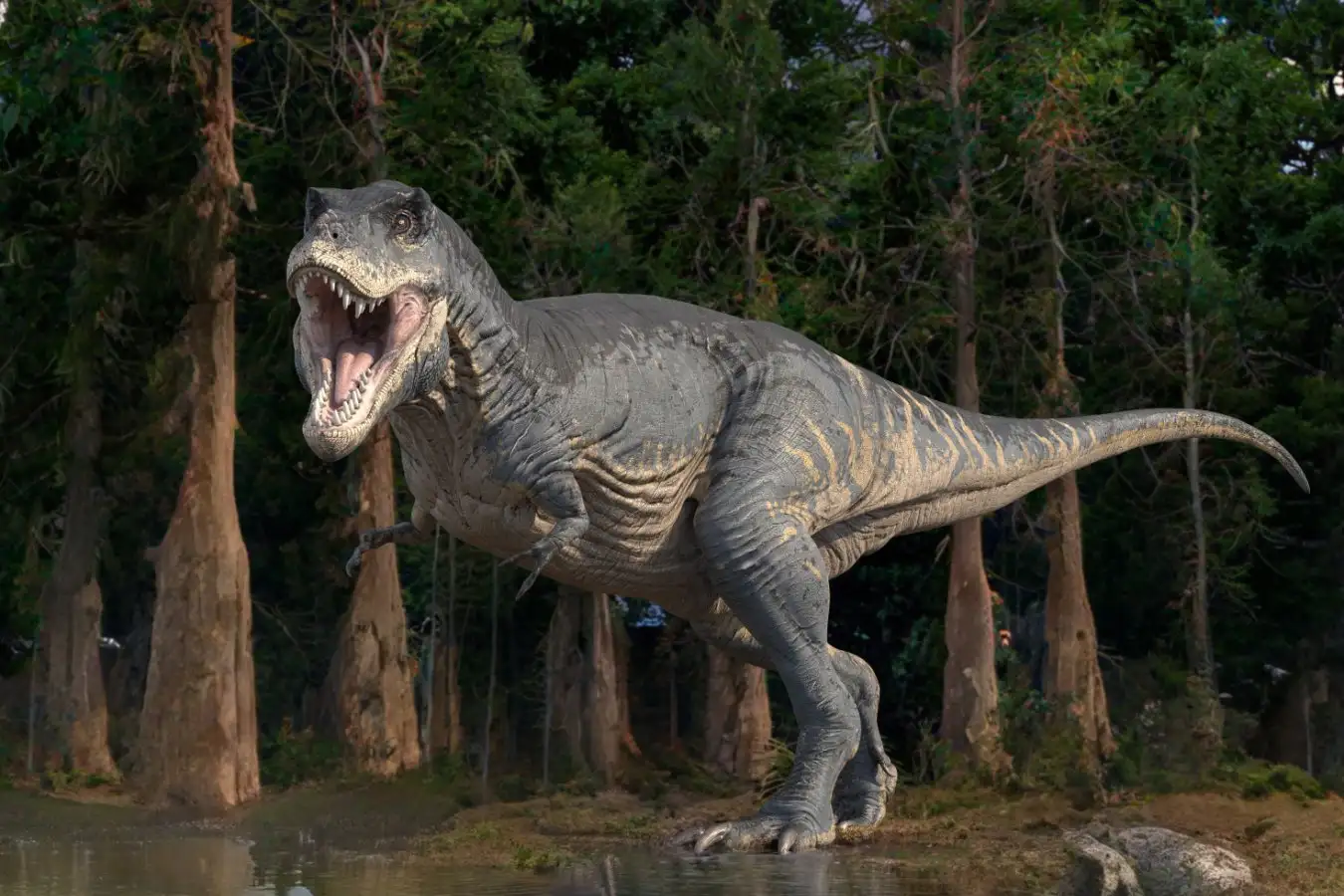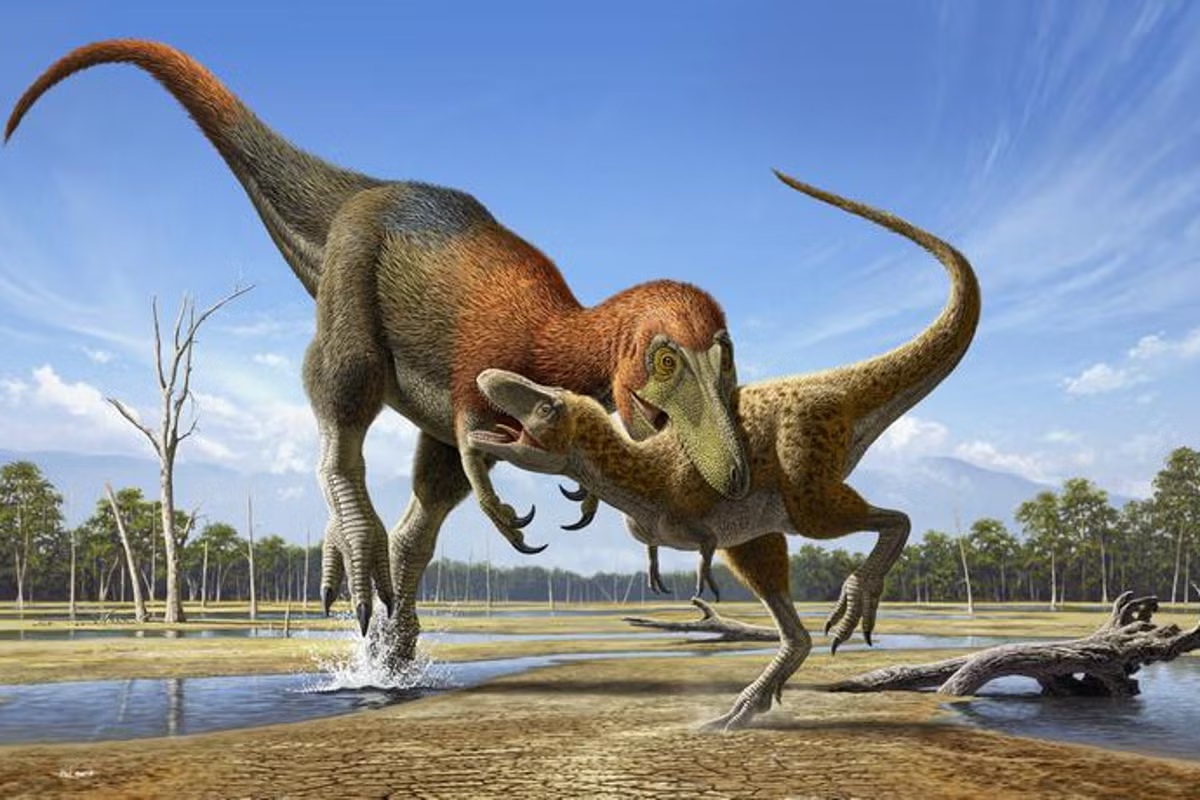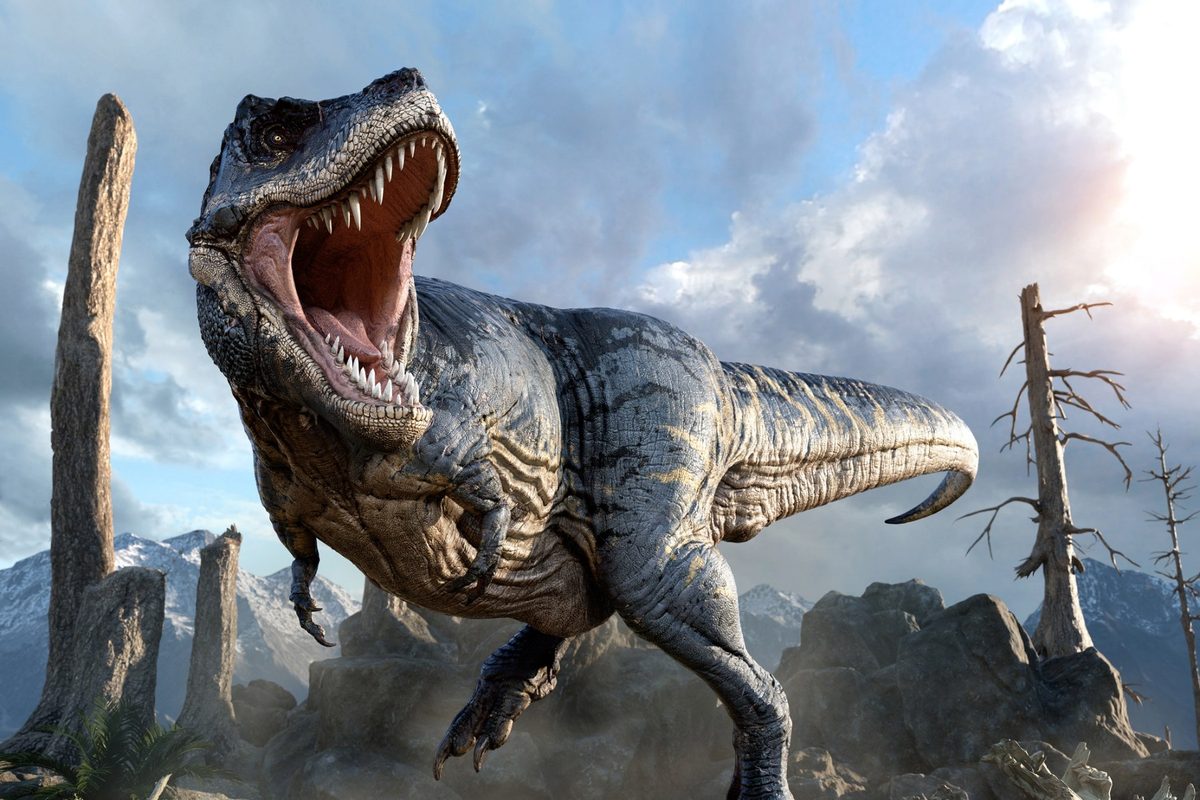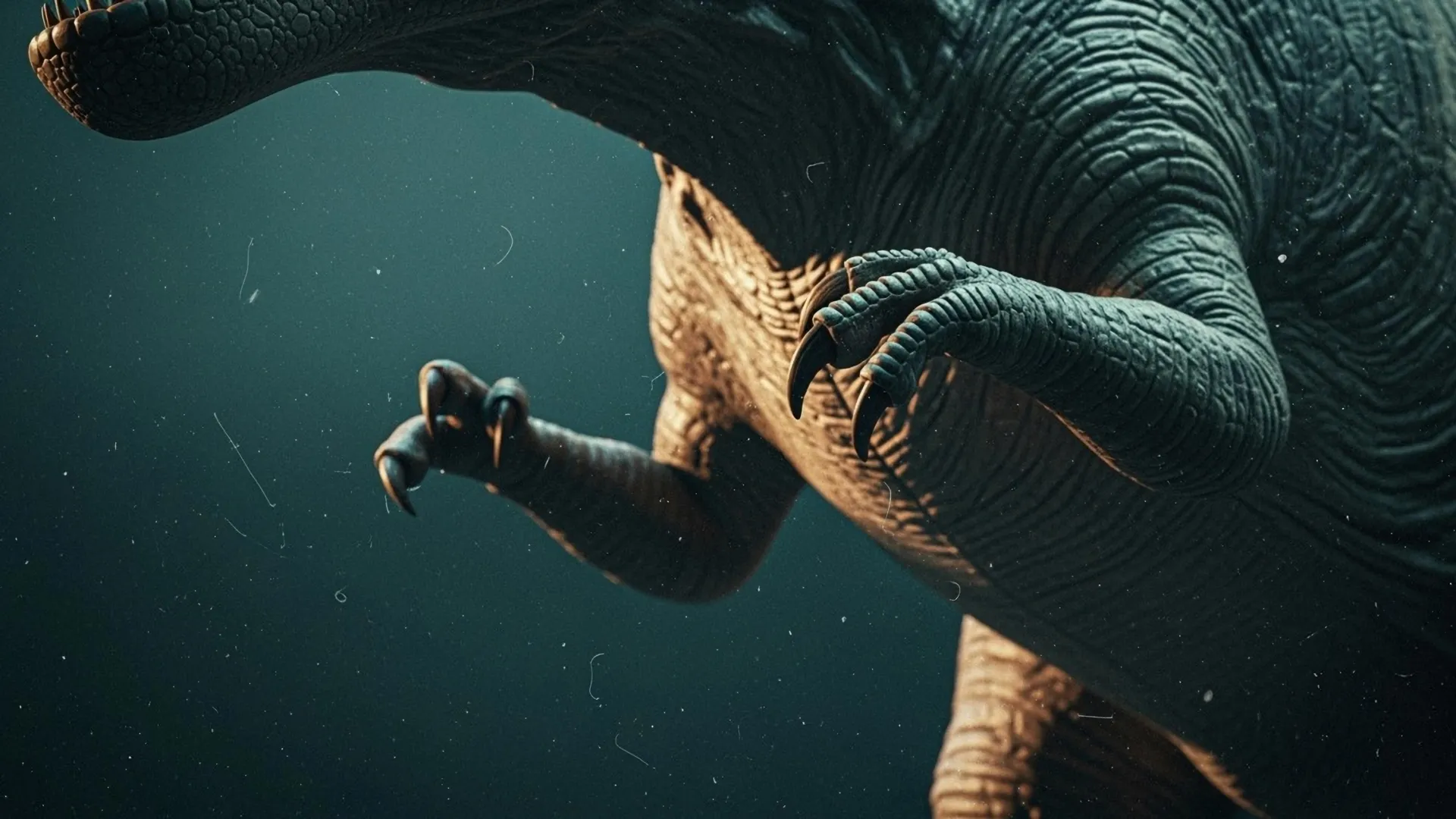
The famously tiny arms of Tyrannosaurus rex may have been the result of a major shift in how giant meat eating dinosaurs hunted, according to a new study led by researchers from UCL (University College London) and the University of Cambridge.
The research, published in Proceedings of the Royal Society B, examined 82 species of theropods, a group of mostly carnivorous, two legged dinosaurs. The scientists found that reduced forelimbs evolved independently in at least five dinosaur lineages, including tyrannosaurids, the group that included T. rex.
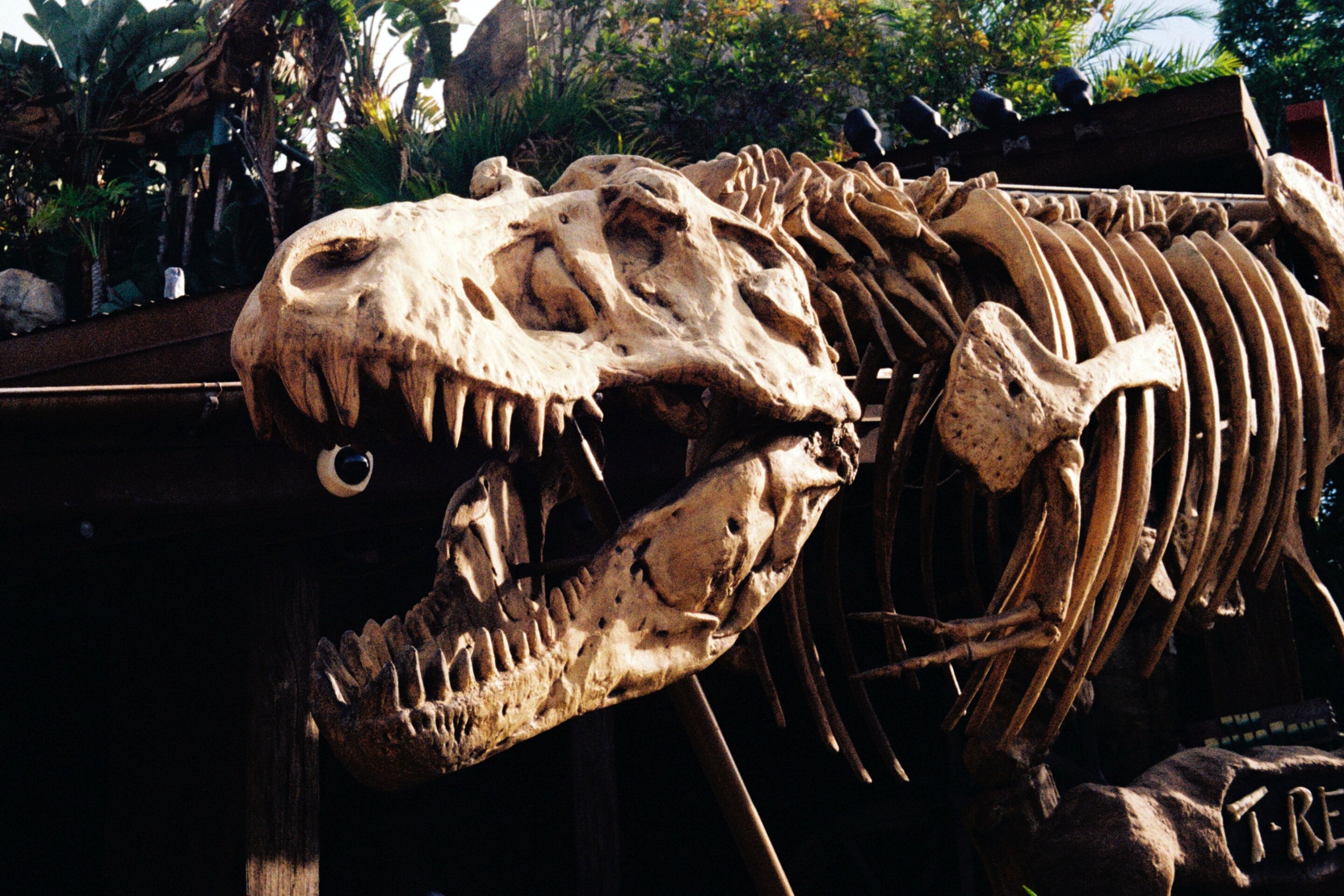
Rather than simply being a side effect of growing larger bodies, the study suggests that shrinking arms were closely connected to the evolution of massive, powerful skulls and jaws.
Giant Skulls Took Over the Hunt
The researchers discovered that dinosaurs with shorter arms tended to have especially robust skulls. That connection was stronger than the link between tiny arms and overall body size.