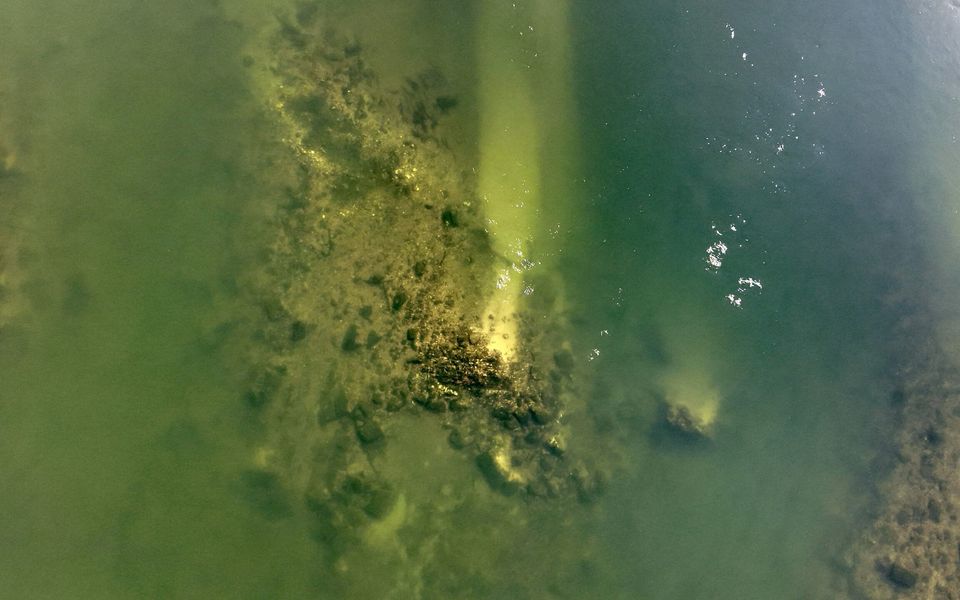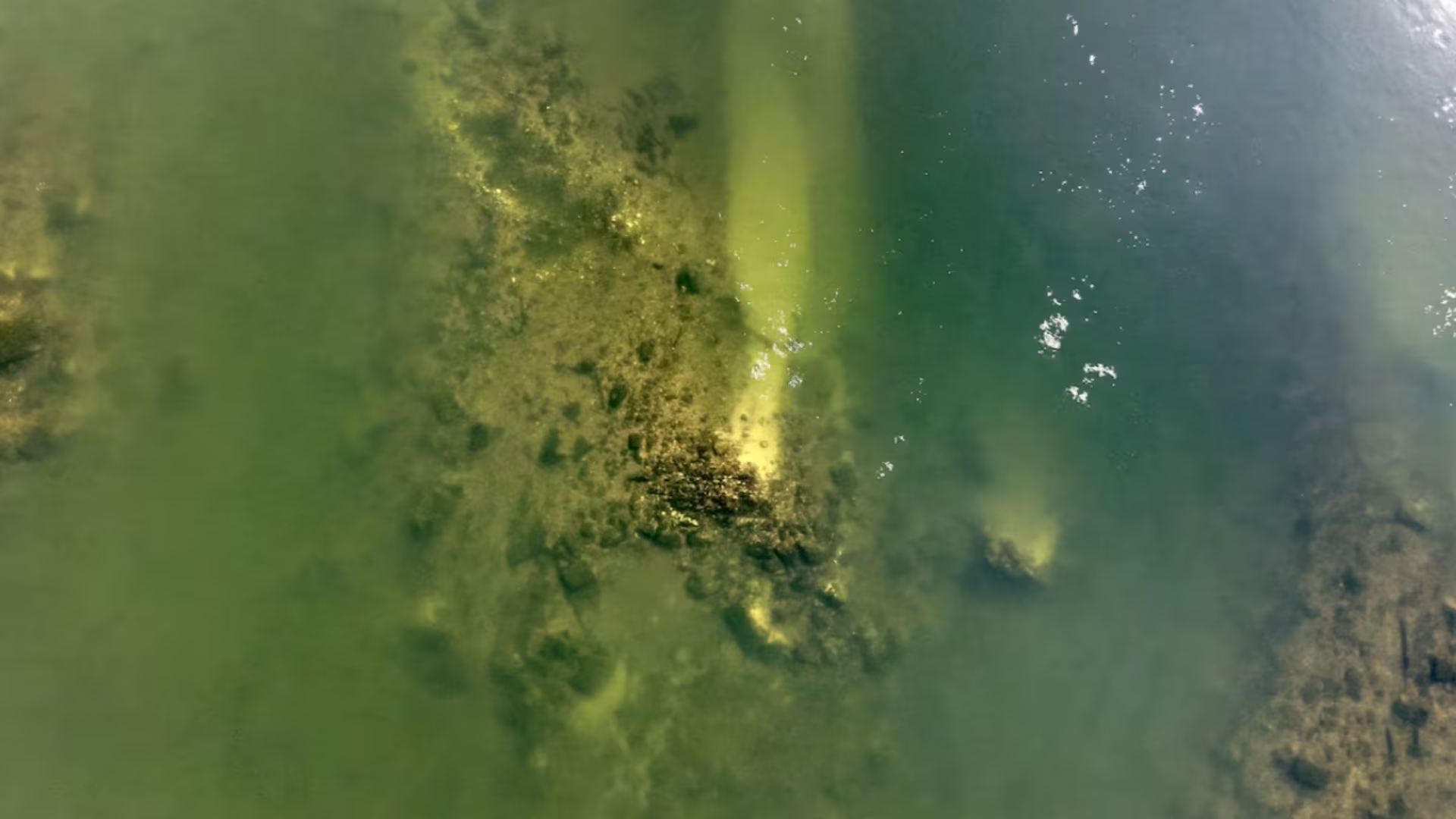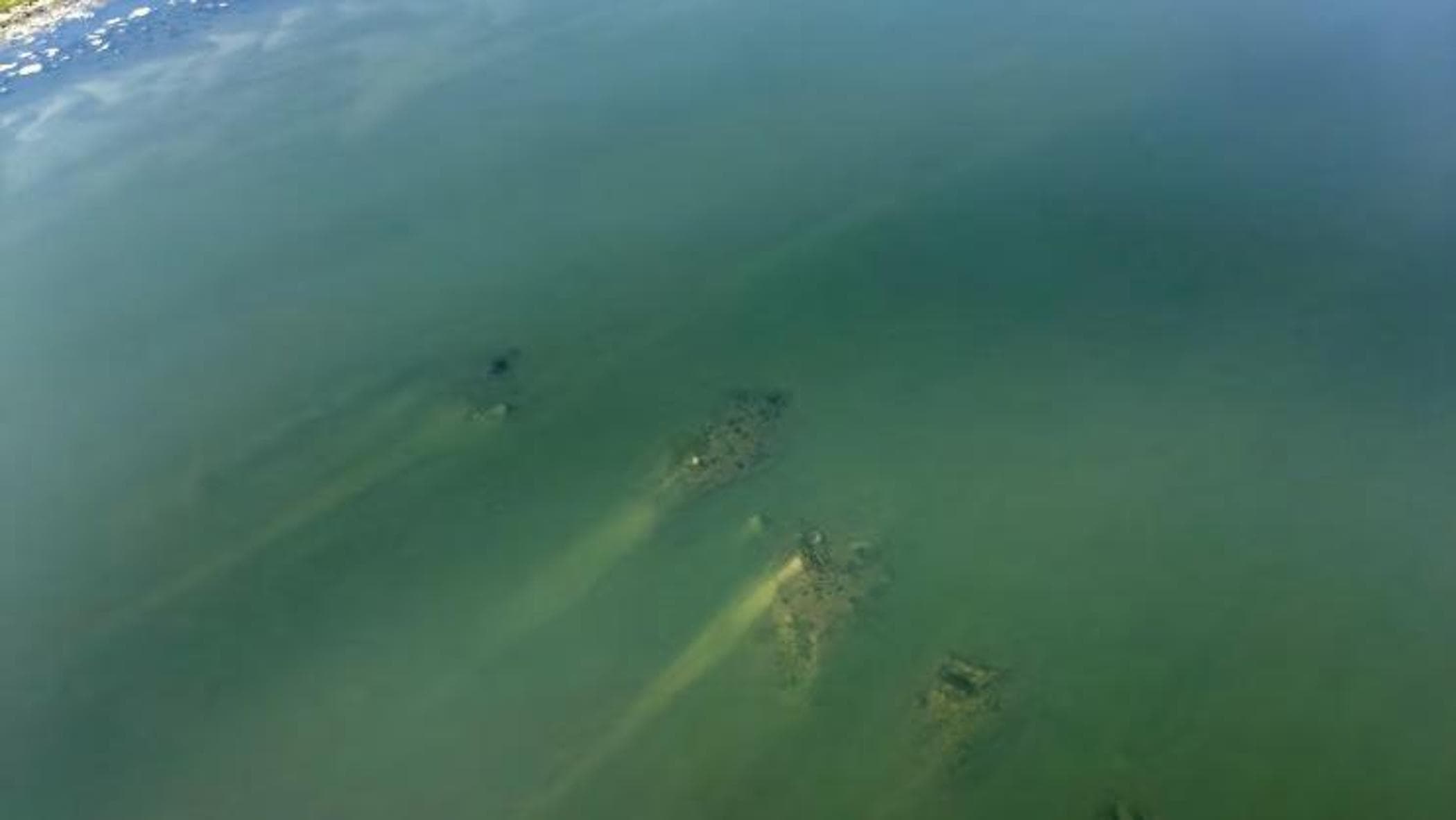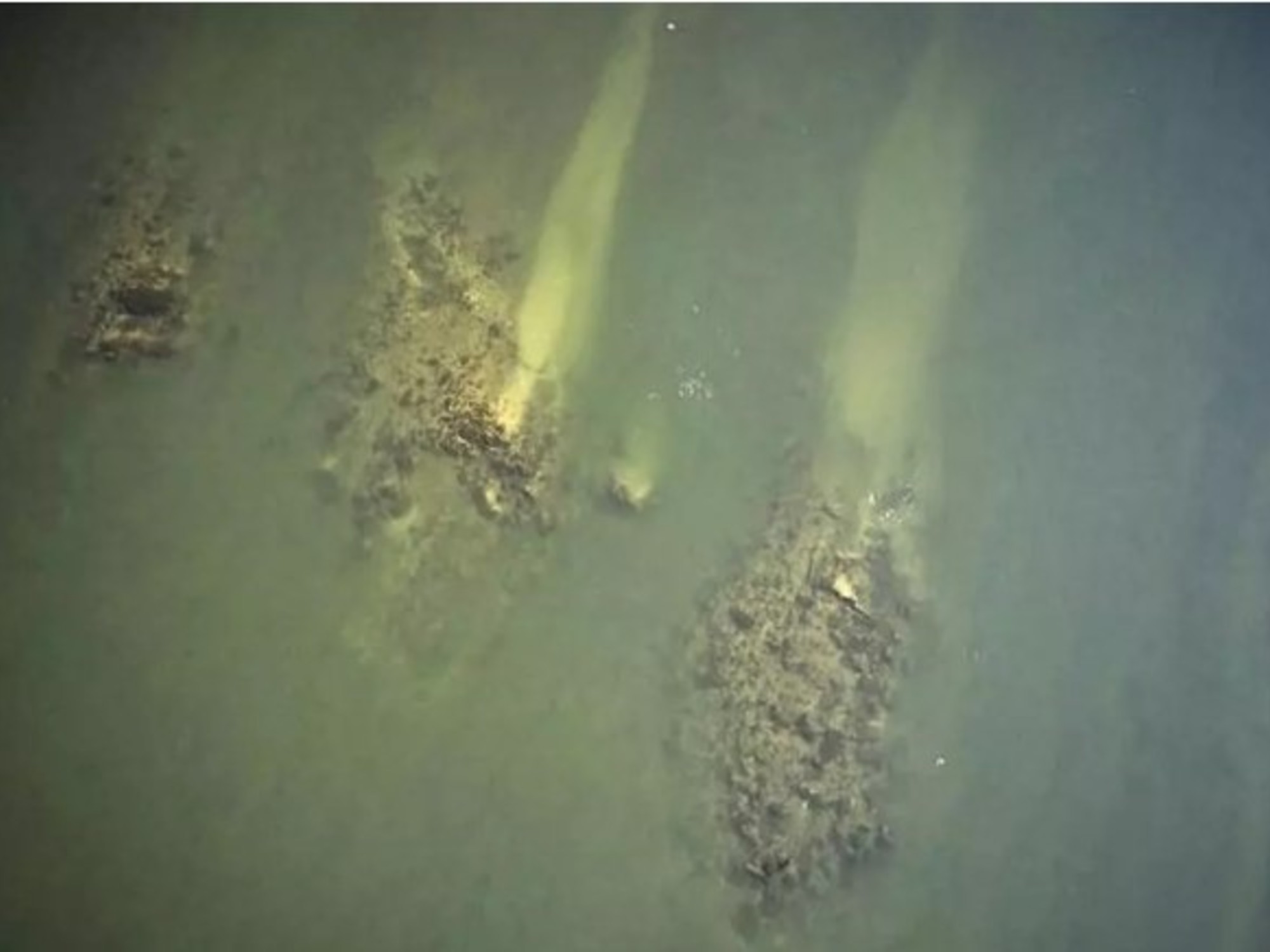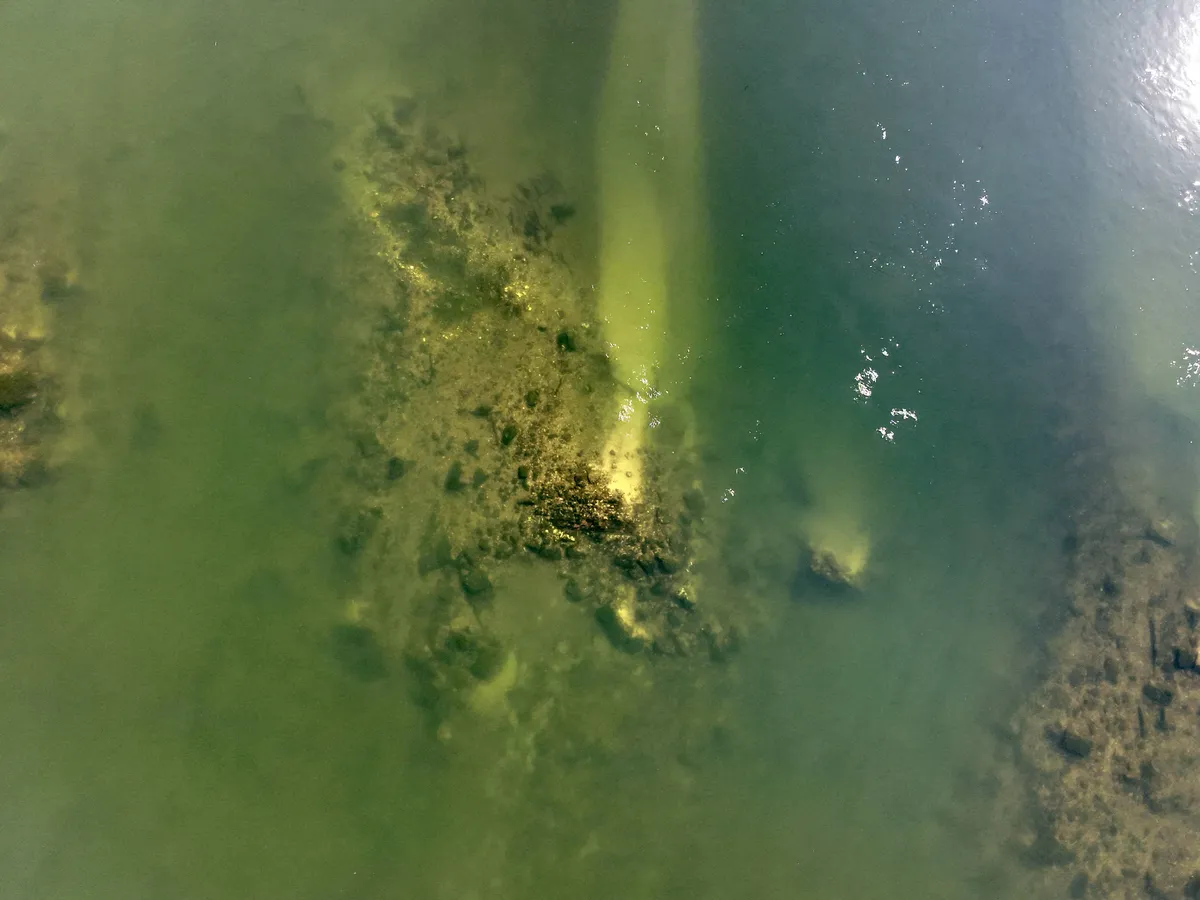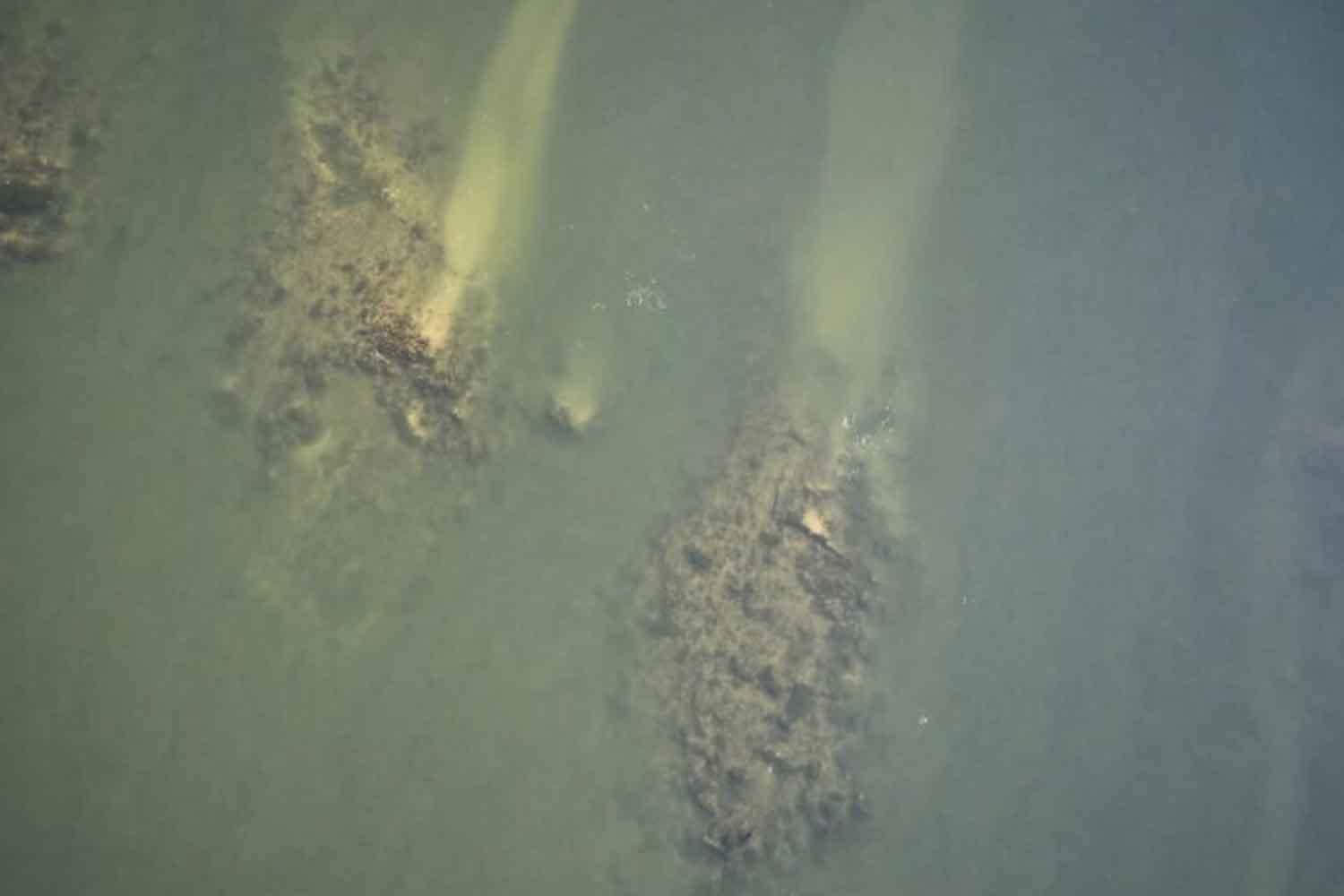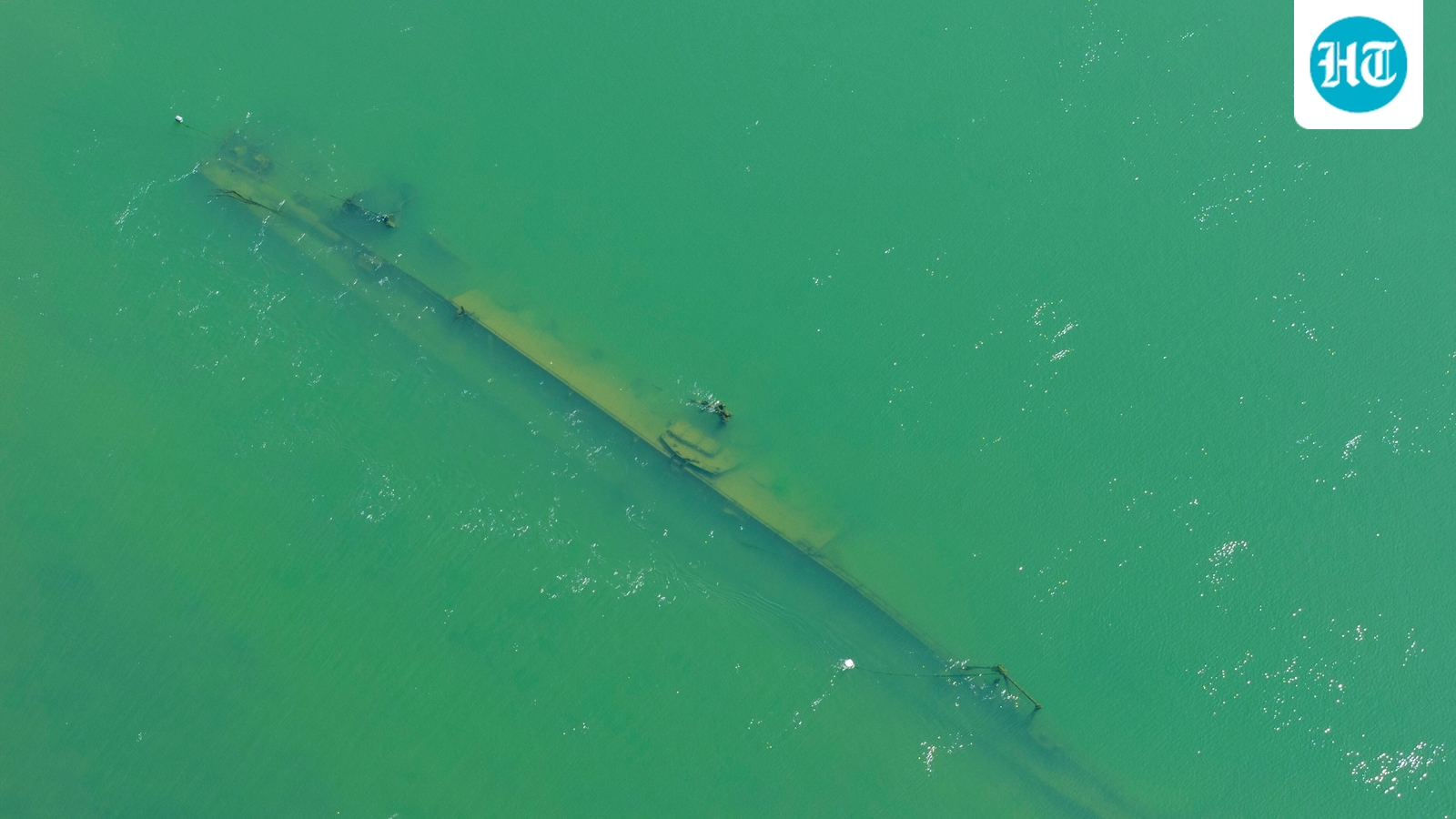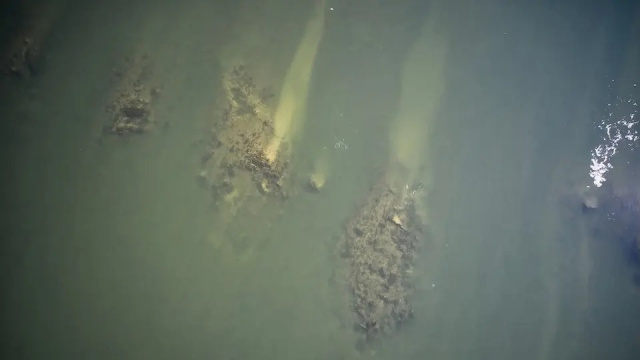
Ancient remains of Constantine the Great's Bridge have emerged from the Danube near the Bulgarian village of Gigen after exceptionally low river levels exposed parts of the Roman structure, offering archaeologists a rare chance to study one of antiquity's greatest engineering achievements.
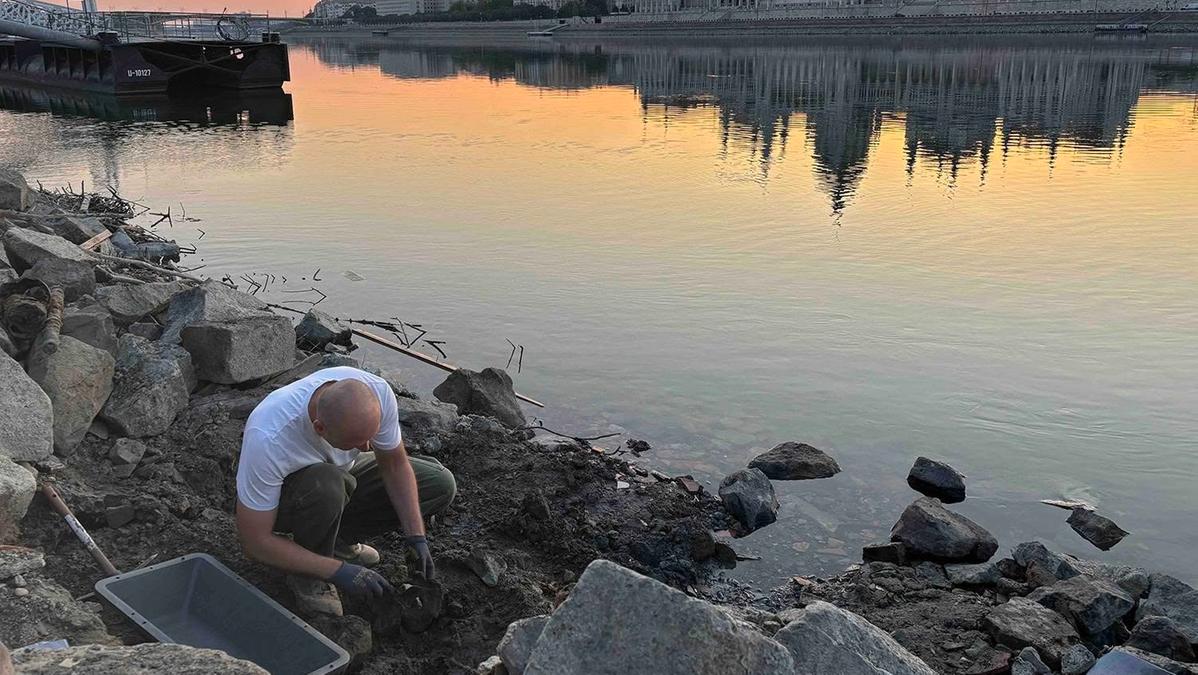
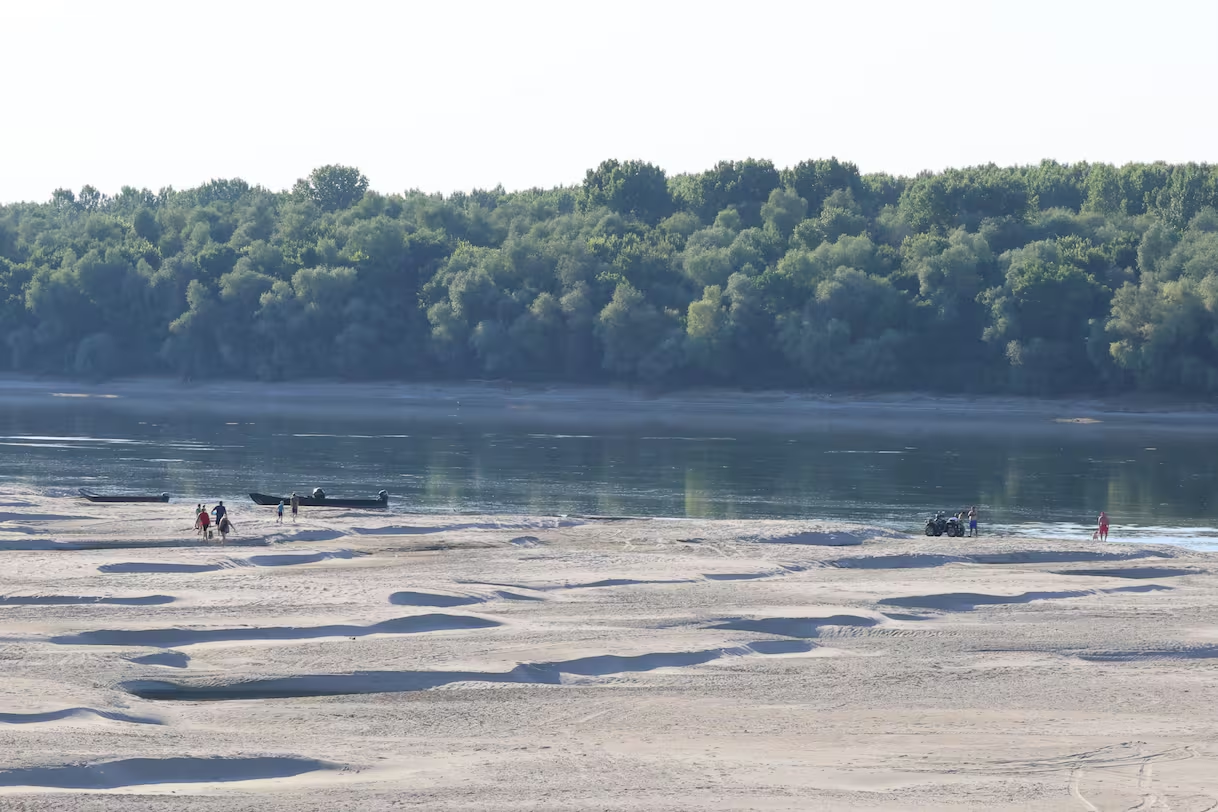
The unusually low water levels are the result of prolonged drought caused by a series of record-breaking heat waves across Europe this summer. The extreme weather has significantly affected major rivers, including the Danube and the Rhine, exposing archaeological sites that are normally hidden beneath the water.
According to Pavel Popov from the Regional History Museum in Pleven, the conditions present a unique research opportunity. "For archaeologists, these moments are extremely valuable because nature briefly reveals an object that is most of the time hidden under the waters of the Danube," he said. "This gives us a rare opportunity to observe, document and study it in its real environment."
The bridge was commissioned by Roman Emperor Constantine I the Great and officially opened in 328 AD. Stretching more than two kilometers, it linked the ancient settlement of Ulpia Aesculus on the southern bank of the Danube with Sucidava, in what is now Romania. It is regarded as one of the longest bridges built during the Roman era, although historians believe it remained in use for only a relatively short period before being largely destroyed around 367 AD.