[Pavel Popov/Pleven Regional History Museum/Handout via Reuters]
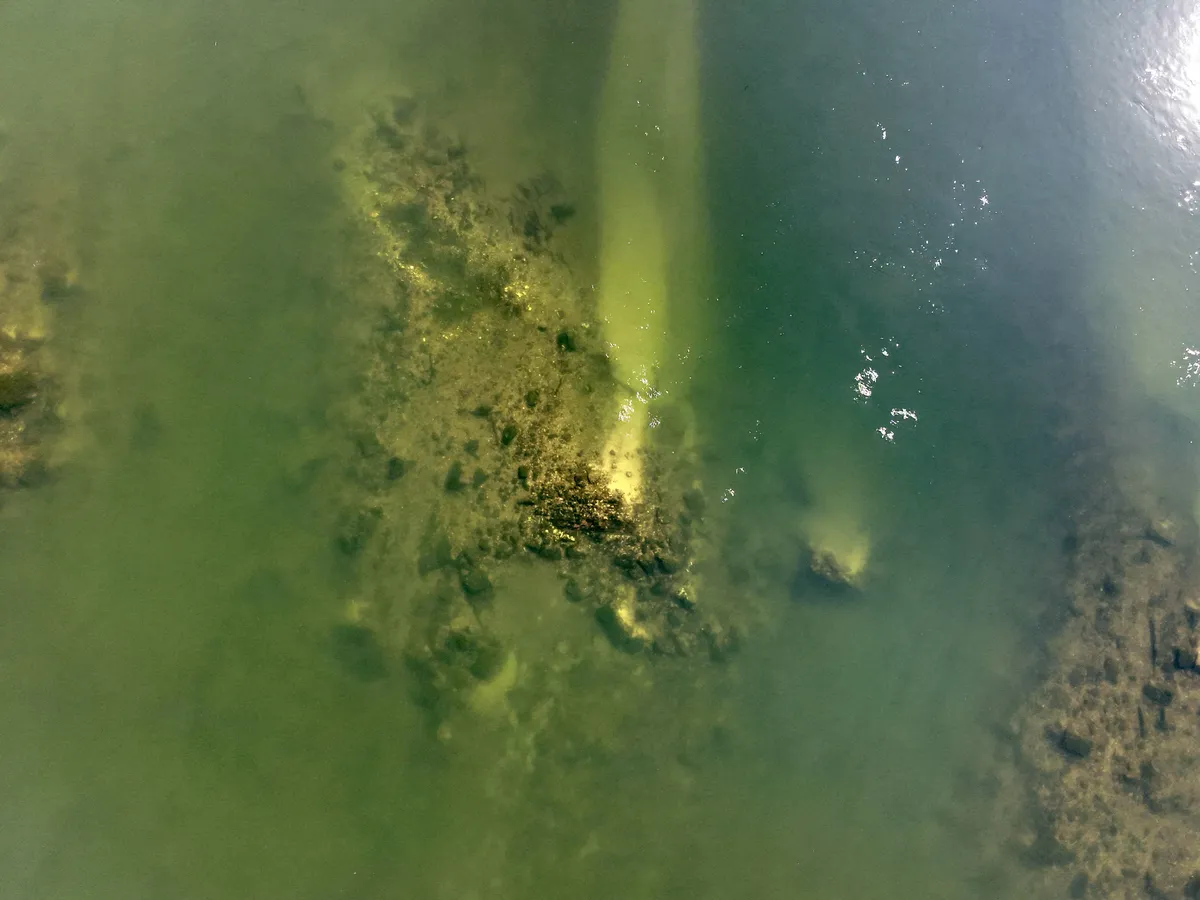
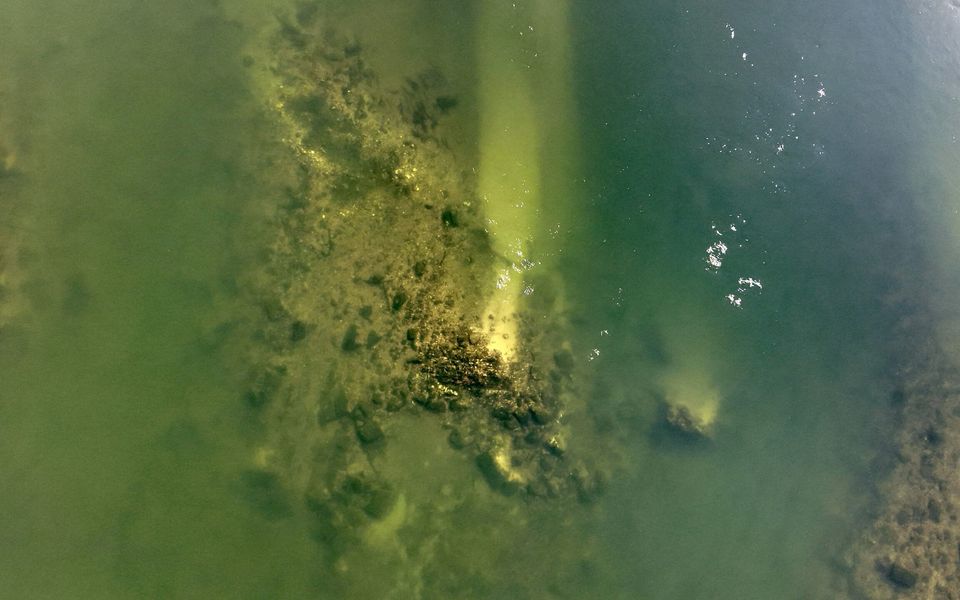
Exceptionally low water levels on the Danube have exposed parts of the foundations of the ancient Constantine Bridge, giving Bulgarian archaeologists a rare opportunity to document what they describe as one of the Roman Empire’s most impressive engineering achievements.
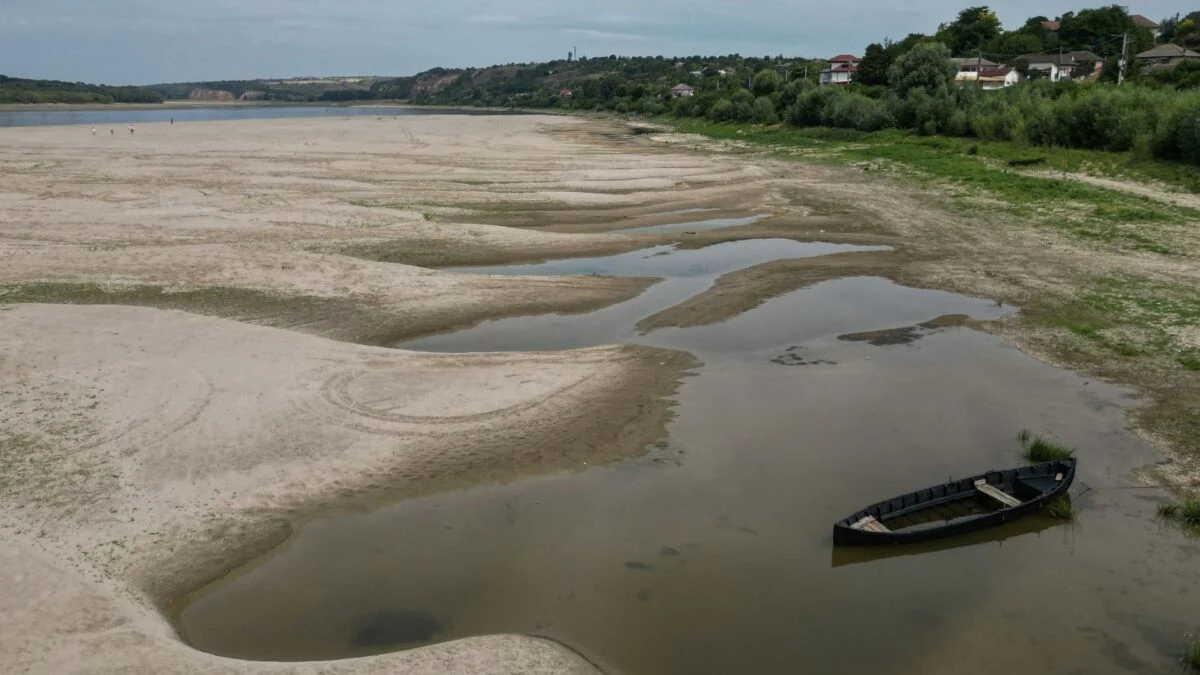
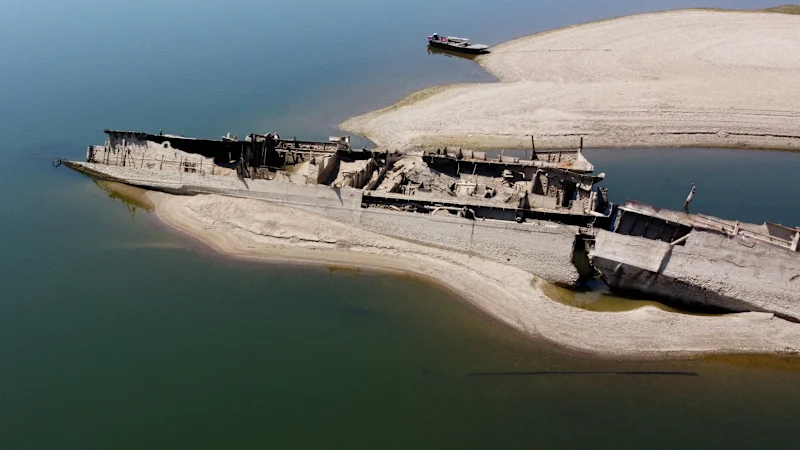
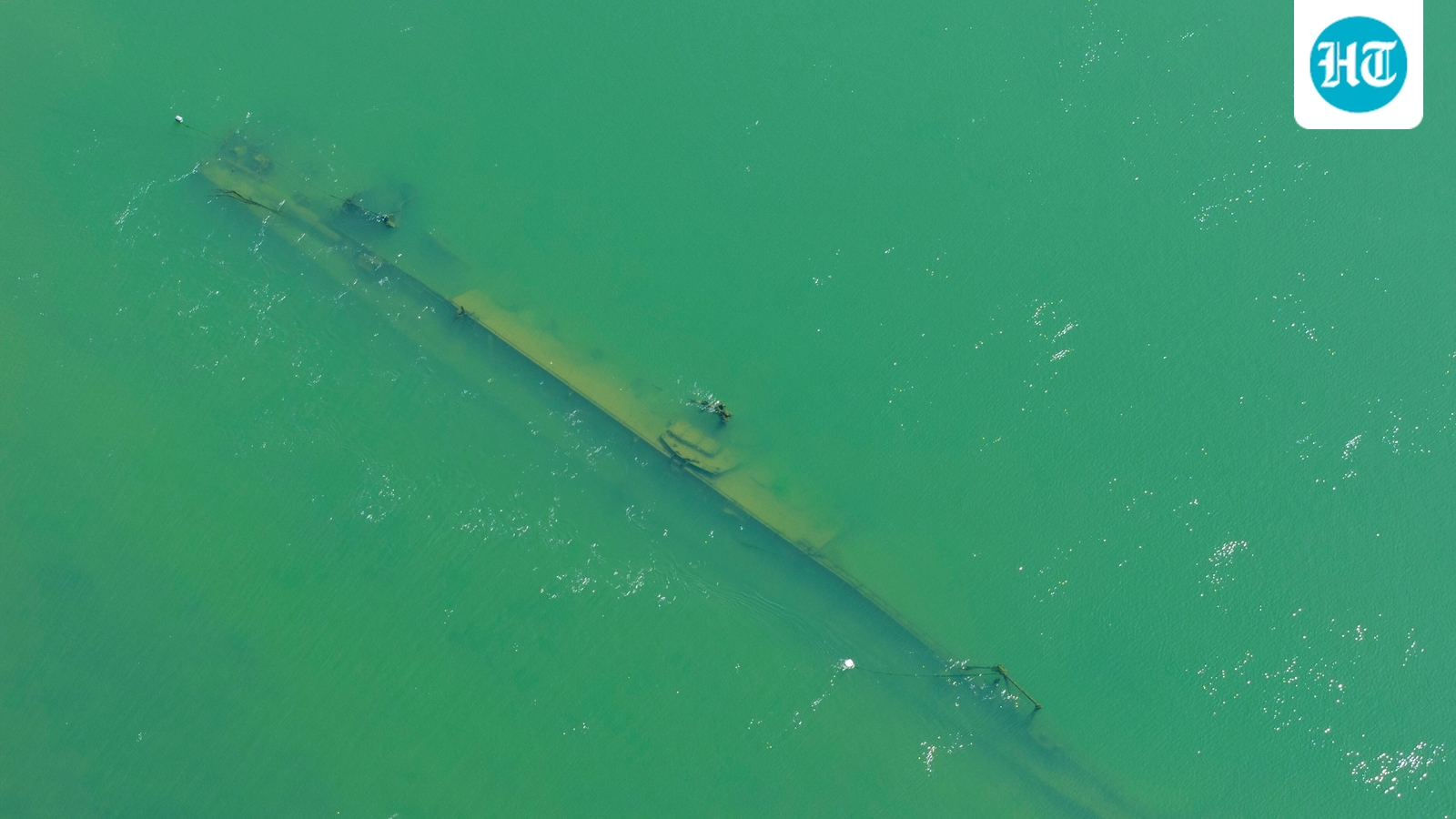
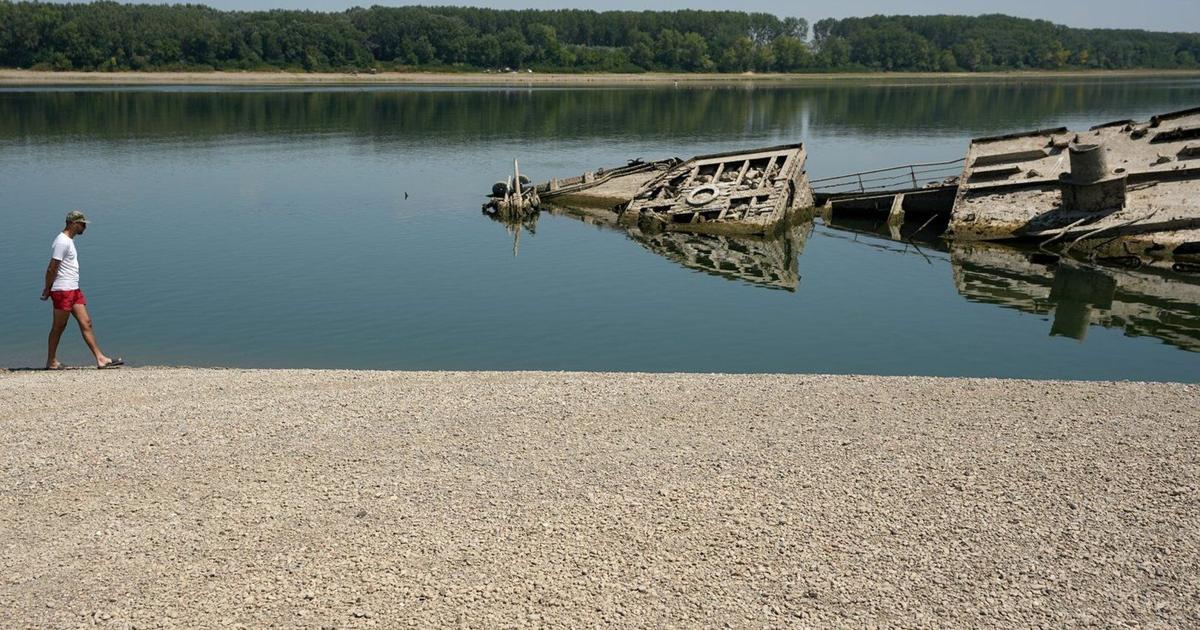
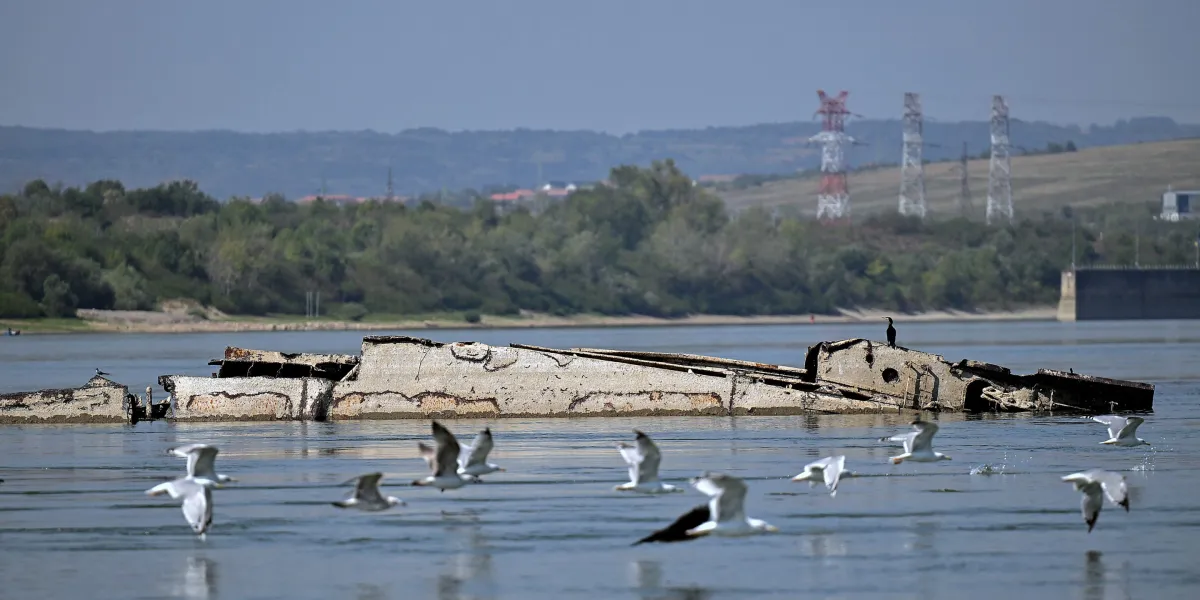
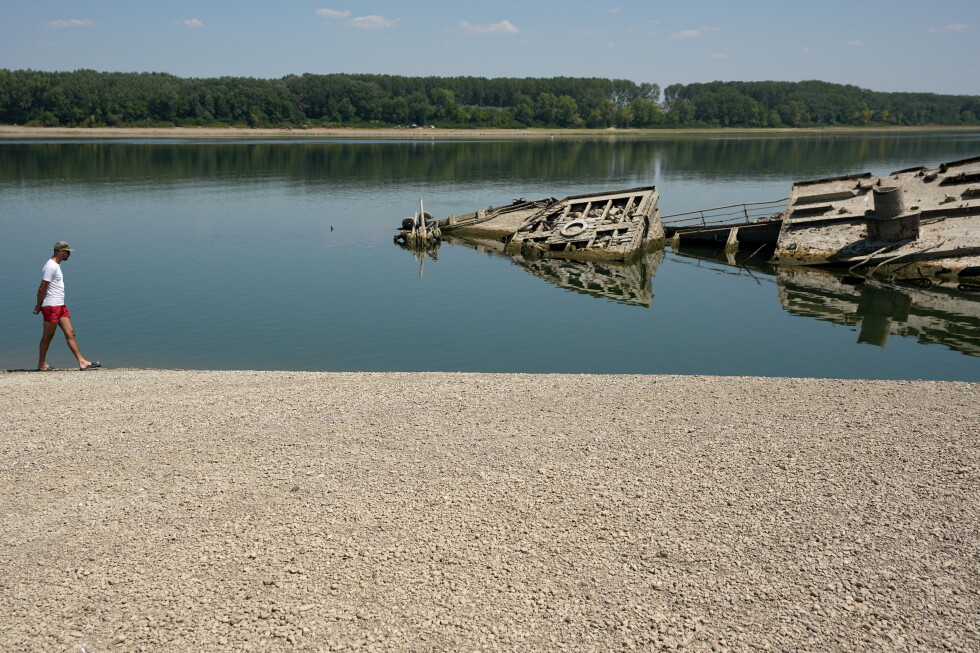
A succession of record-breaking heatwaves in Europe this summer has caused a severe drought in parts of the continent, affecting major waterways such as the Danube and the Rhine.
“For archaeologists, these moments are extremely valuable because nature briefly reveals an object that is hidden beneath the Danube for most of the time,” said Pavel Popov of the Regional Historical Museum in Pleven. “It gives us a rare opportunity to observe, document and study it in its real environment.”
The bridge, commissioned by Emperor Constantine I and inaugurated in A.D. 328, linked the ancient city of Ulpia Oescus with Sucidava in what is now Romania. Stretching more than 2 km (1.2 miles), it is regarded as one of the longest bridges of antiquity, though short-lived. It is believed to have been largely destroyed around A.D. 367.