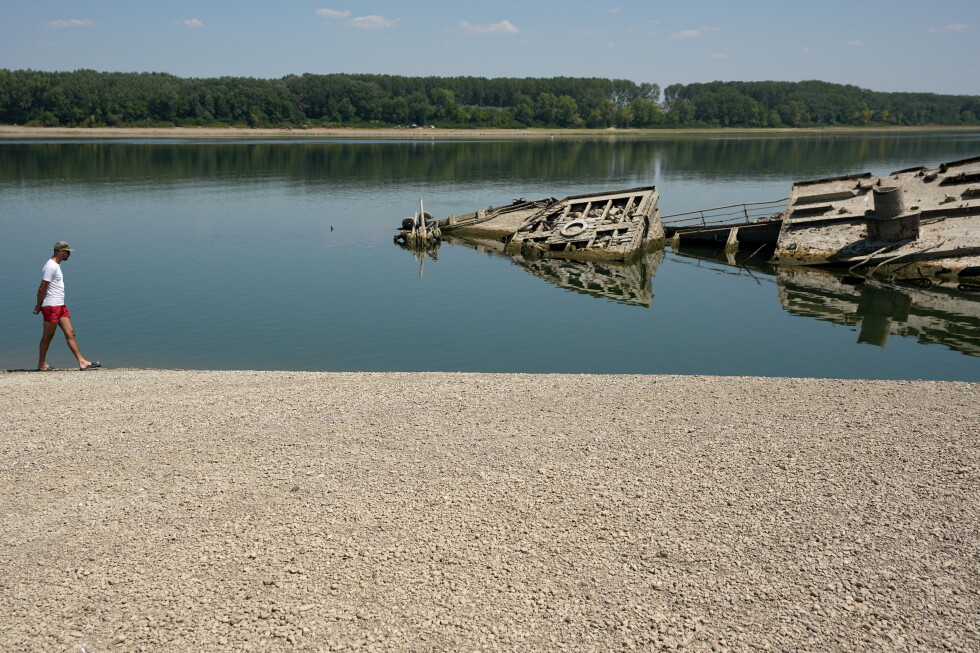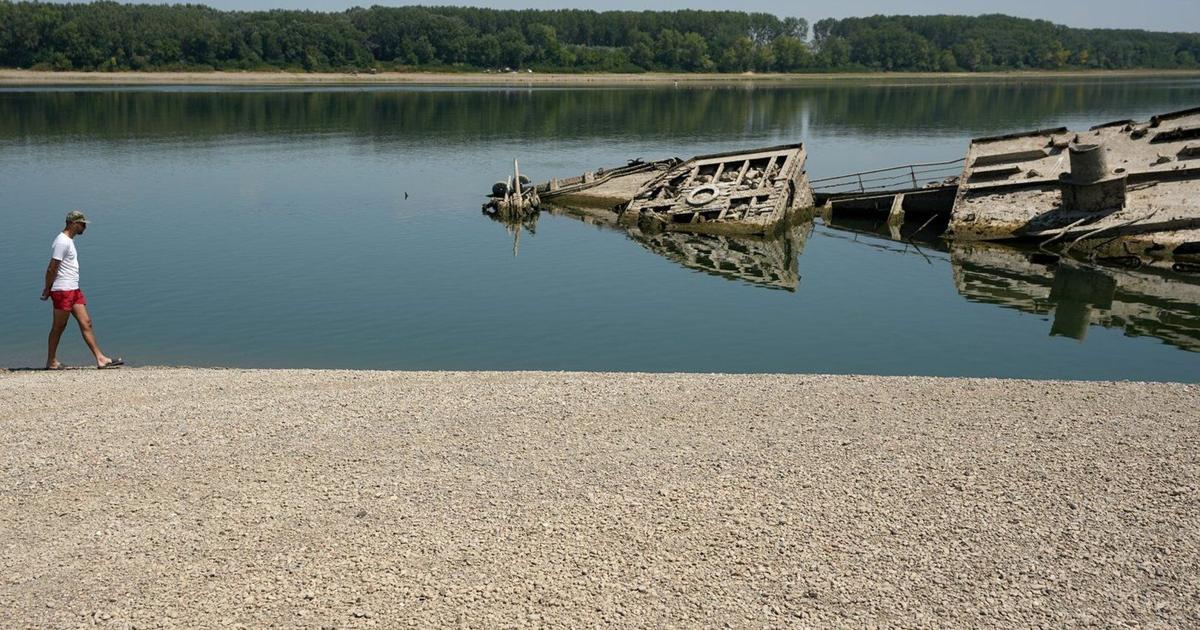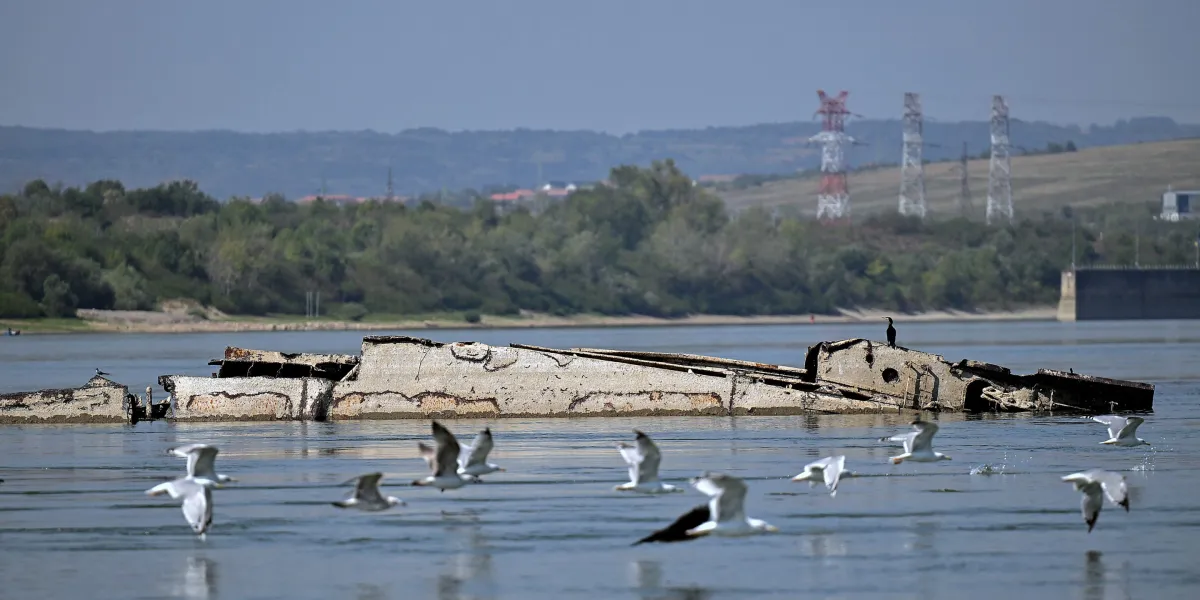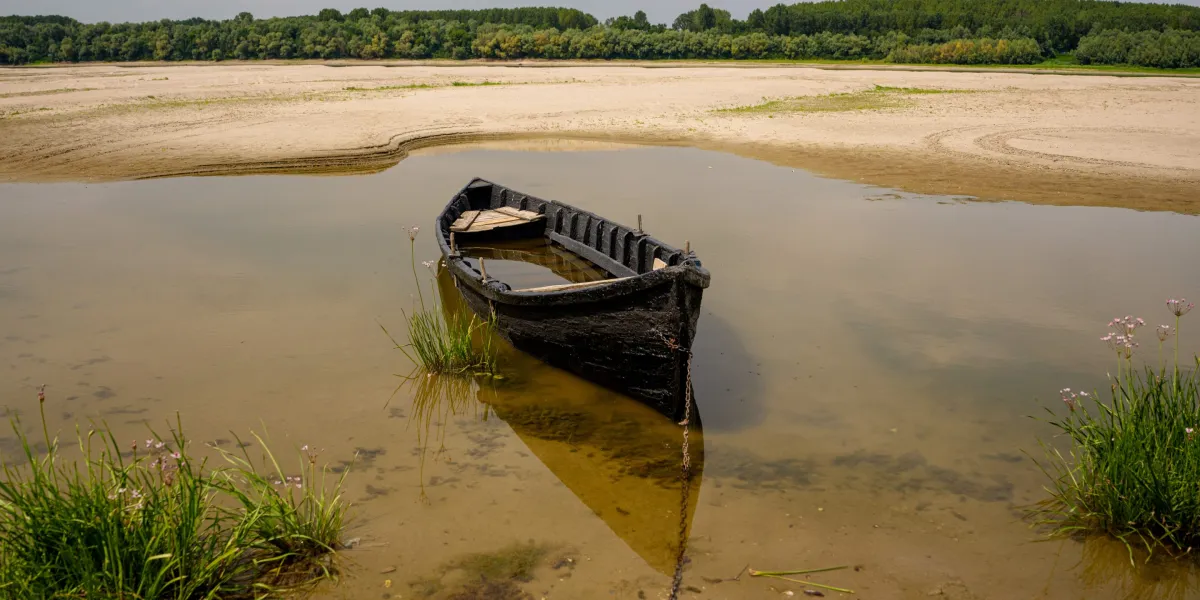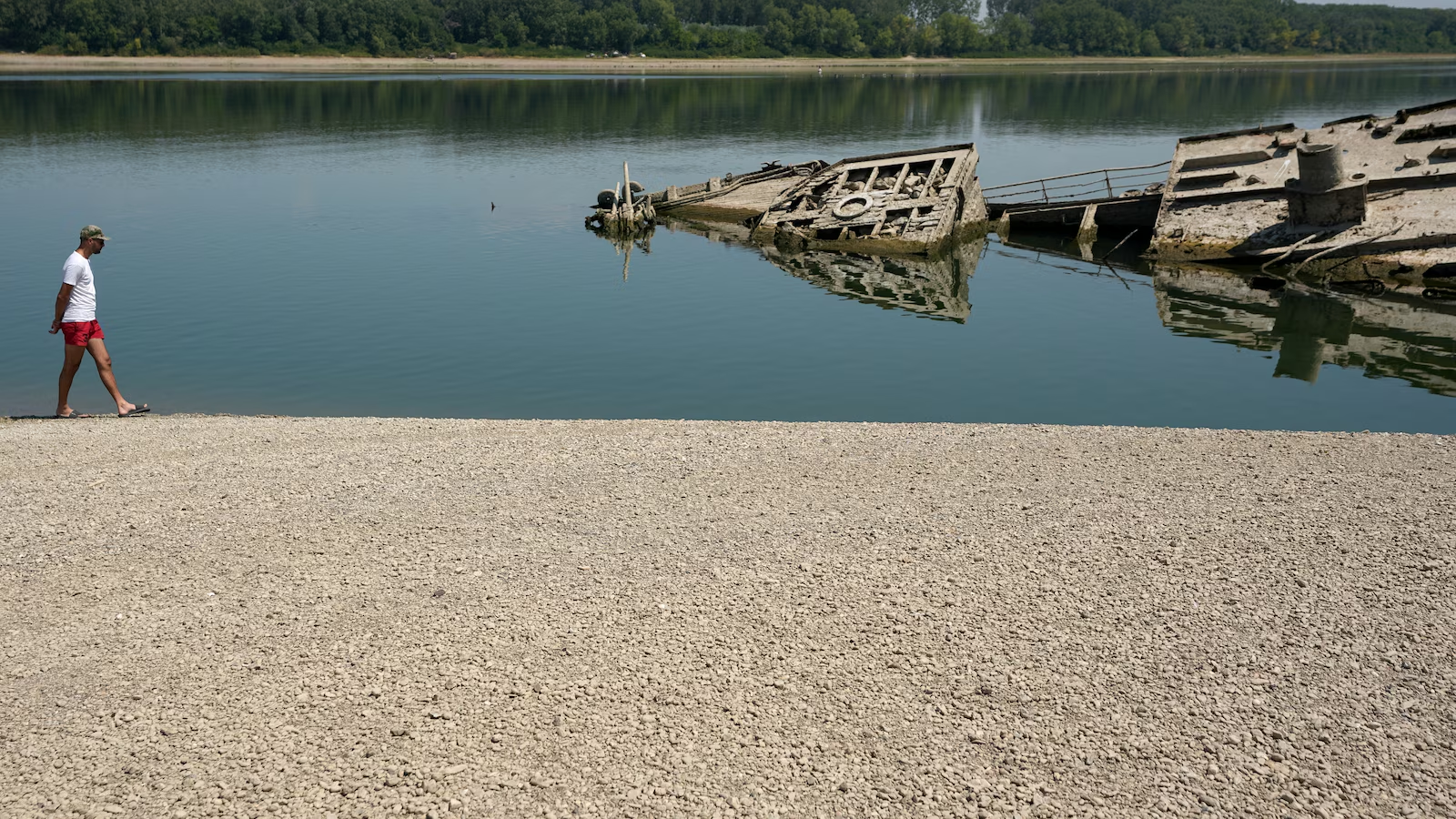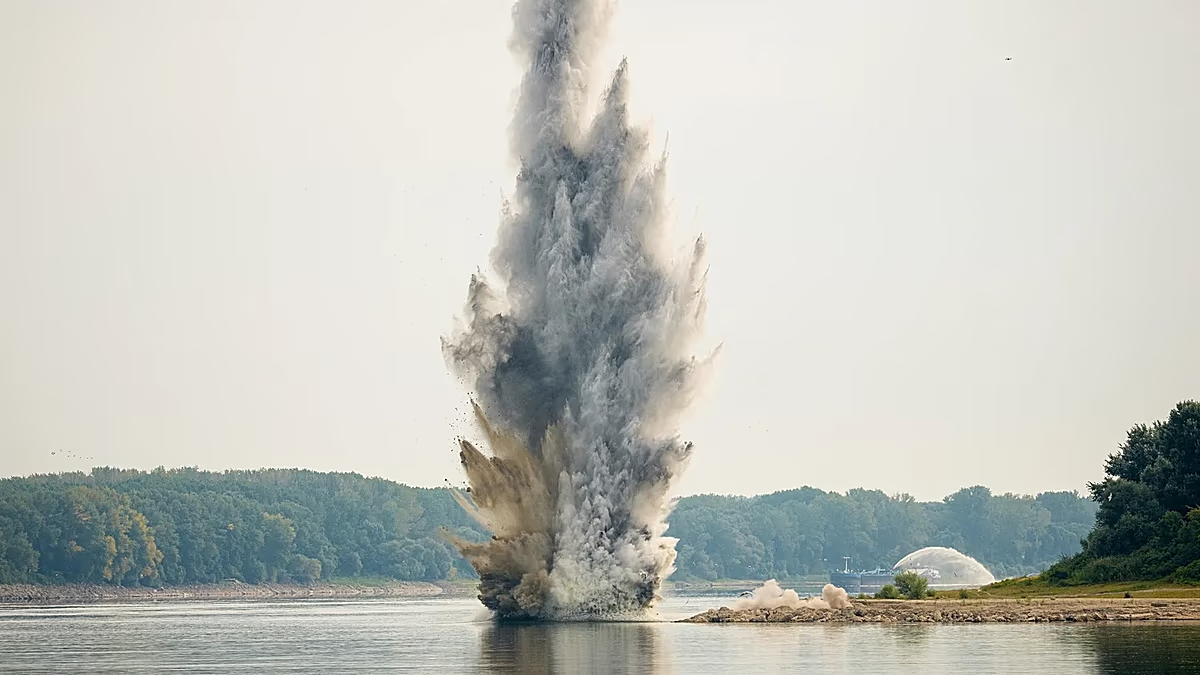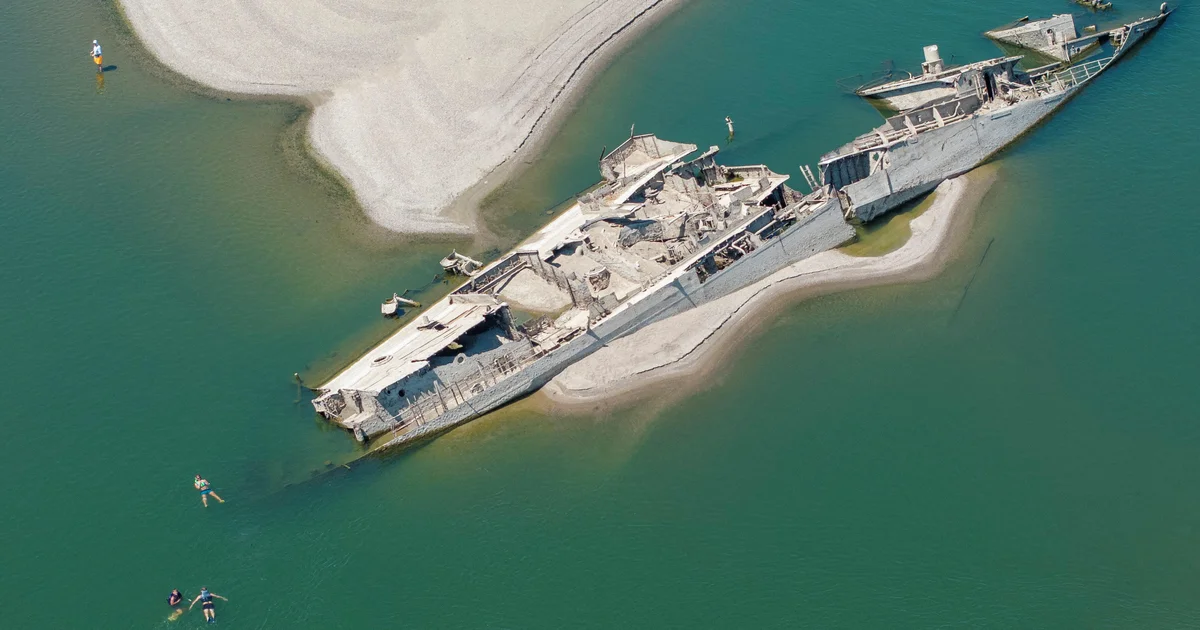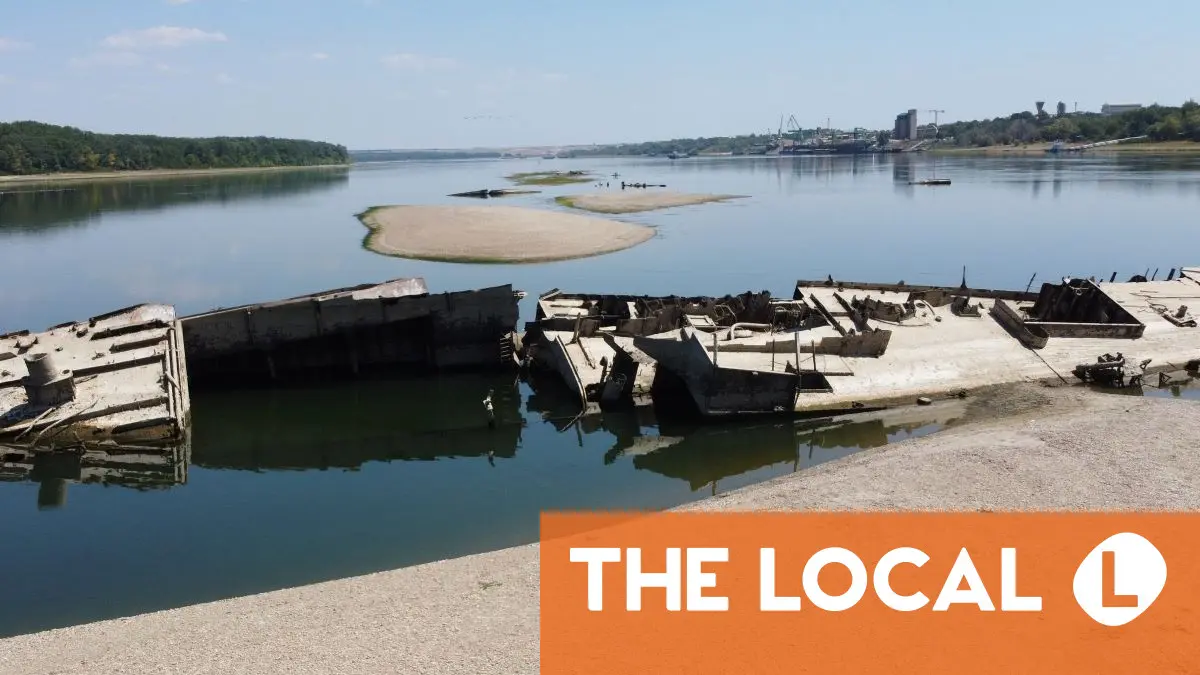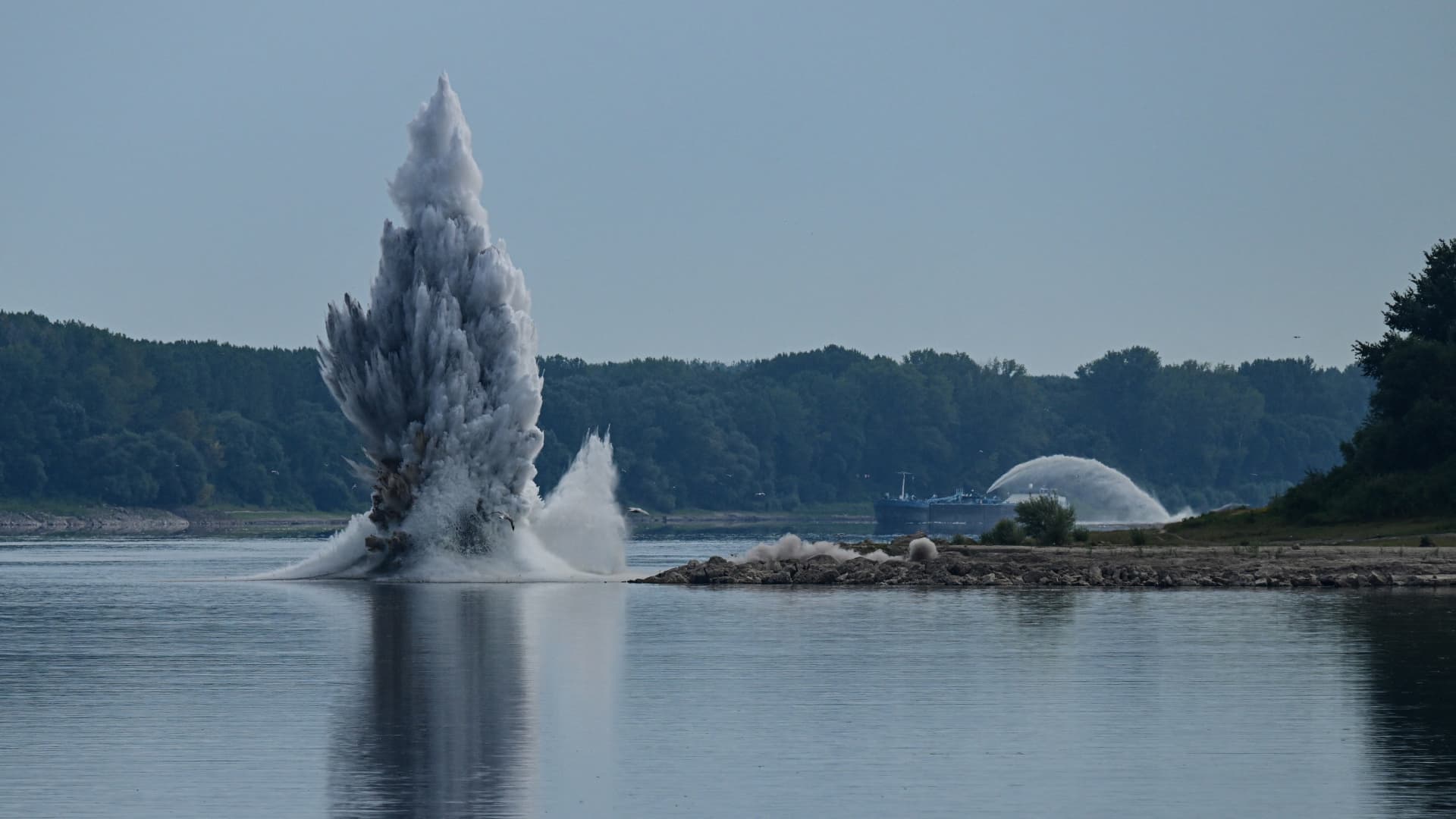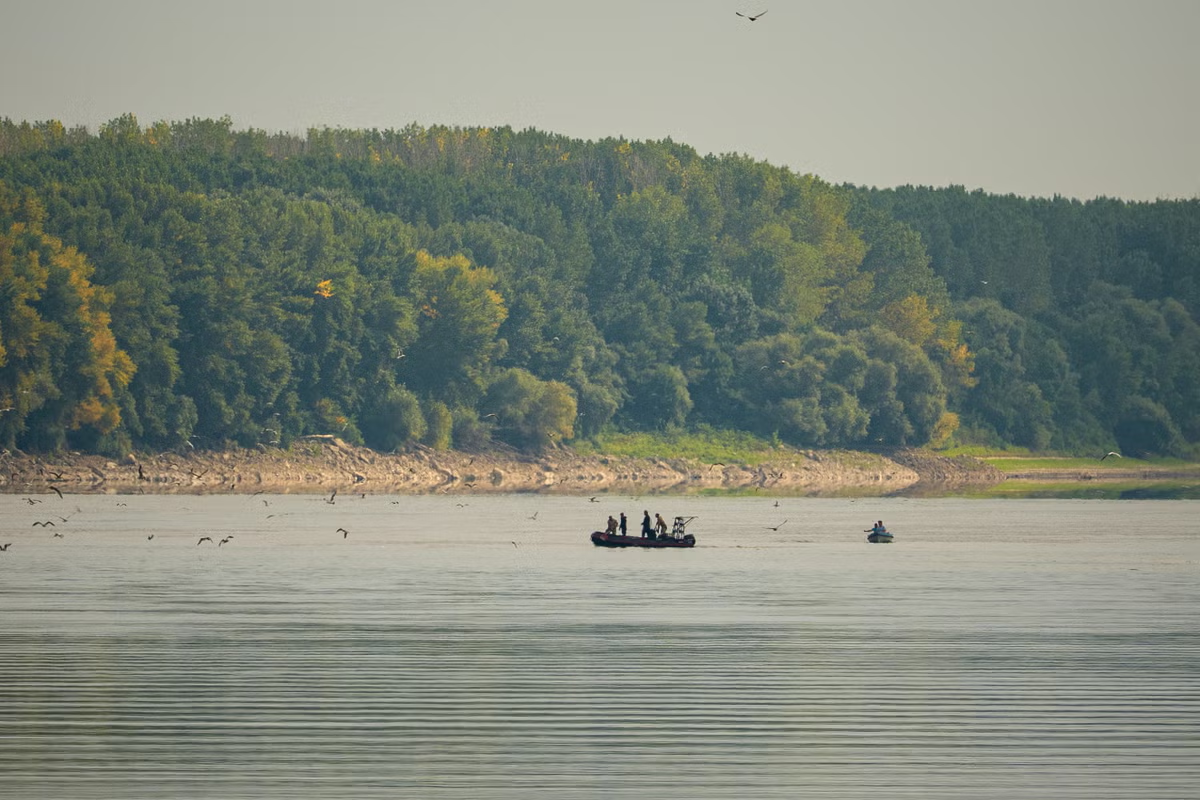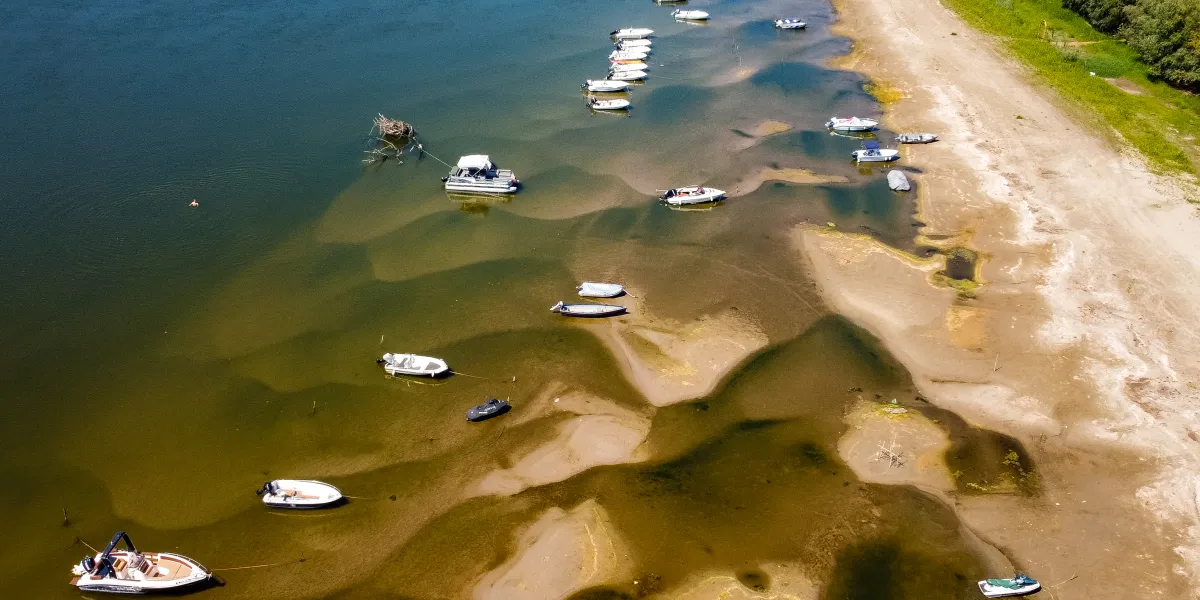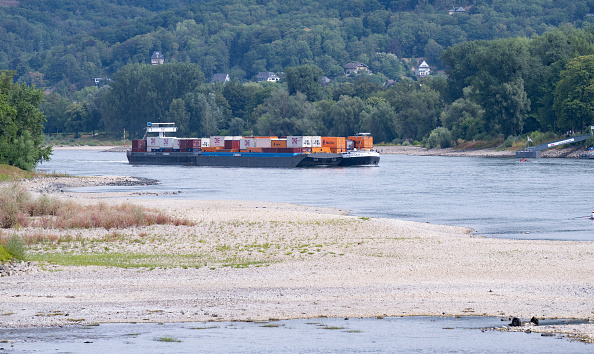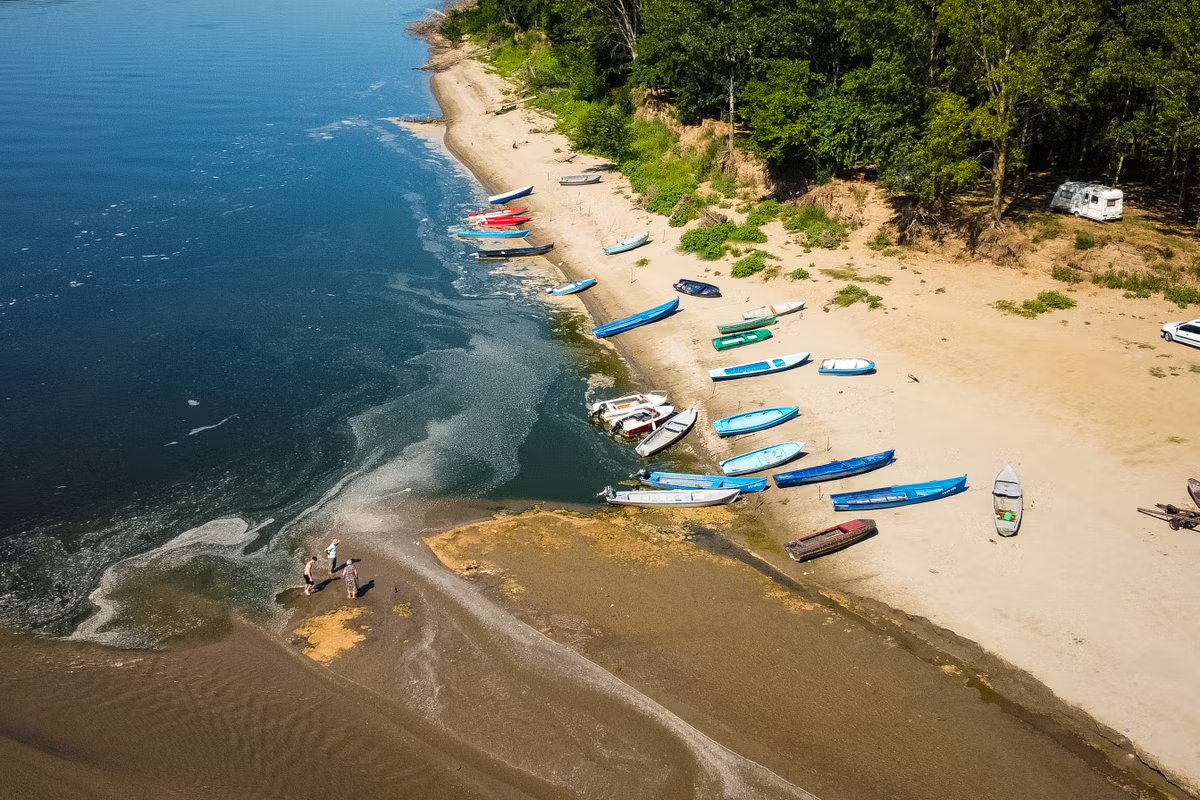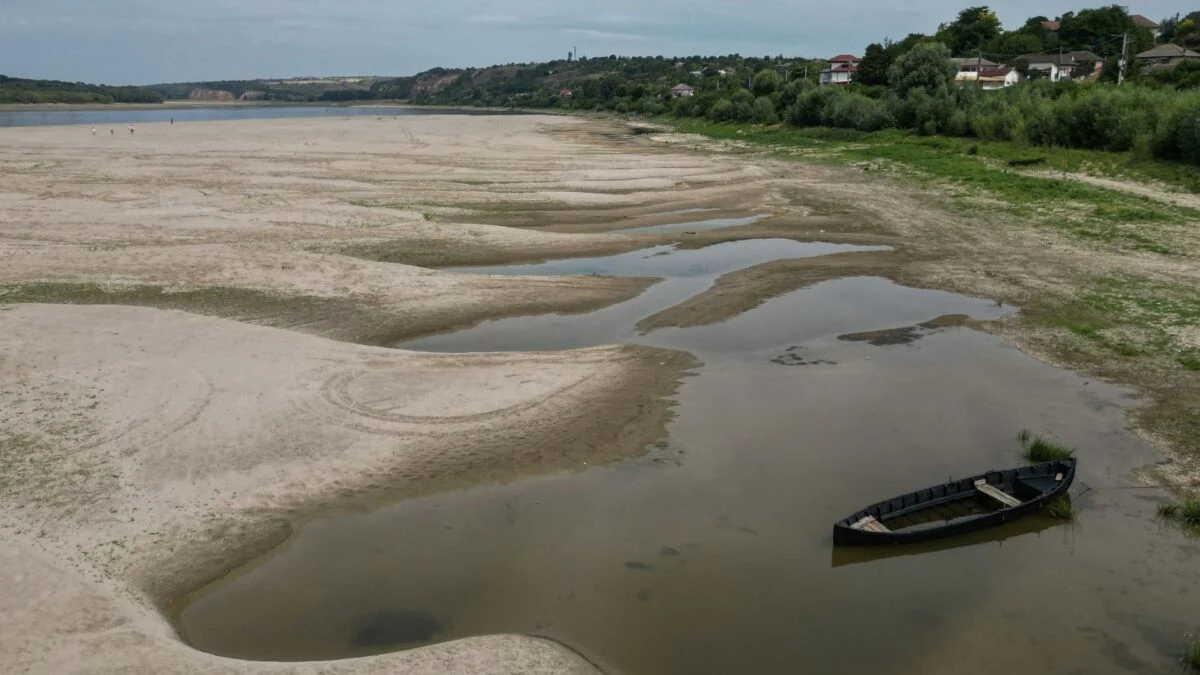
Amid an unprecedented summer of extreme heatwaves, drought, and wildfires, several of Europe’s major rivers are drying up. Among them is the Danube, where record-low water levels are exposing long-sunken historical treasures and forcing officials to take drastic action to mitigate impacts to infrastructure and the economy. Water levels have fallen so low that dozens of World War II battle ships are breaching the surface. Last week in Bulgaria, the bones of a woolly mammoth turned up. And on Monday, the Romanian navy blew up a rock outcrop to help redirect cooling water to the nation’s only working nuclear reactor. Romania and Hungary have been forced to shut down reactors cooled by the Danube for the first time, stoking concern about a looming, drought-driven energy crisis. Scientists point to climate change as the driving force behind Europe’s summer of extreme weather. “As the climate continues to warm, the hydrological extremes we are now experiencing will only be the tip of the iceberg,” Richard Allan, a climate science professor at the University of Reading in England, told CNN. “Managing water resources will become progressively more challenging.”
Drought threatens industry and energy Since late May, Western Europe has been grappling with repeated extreme heatwaves. The region logged its hottest June on record and the second-warmest globally. Scorching temperatures returned in July, sparking historic wildfire crises in France and Spain.