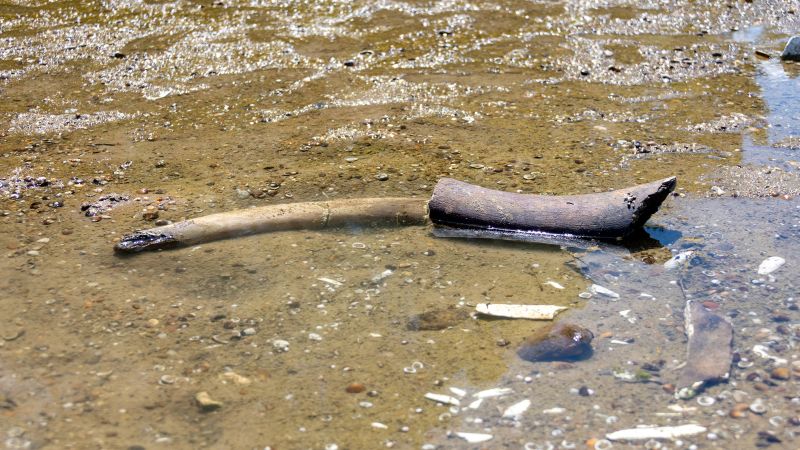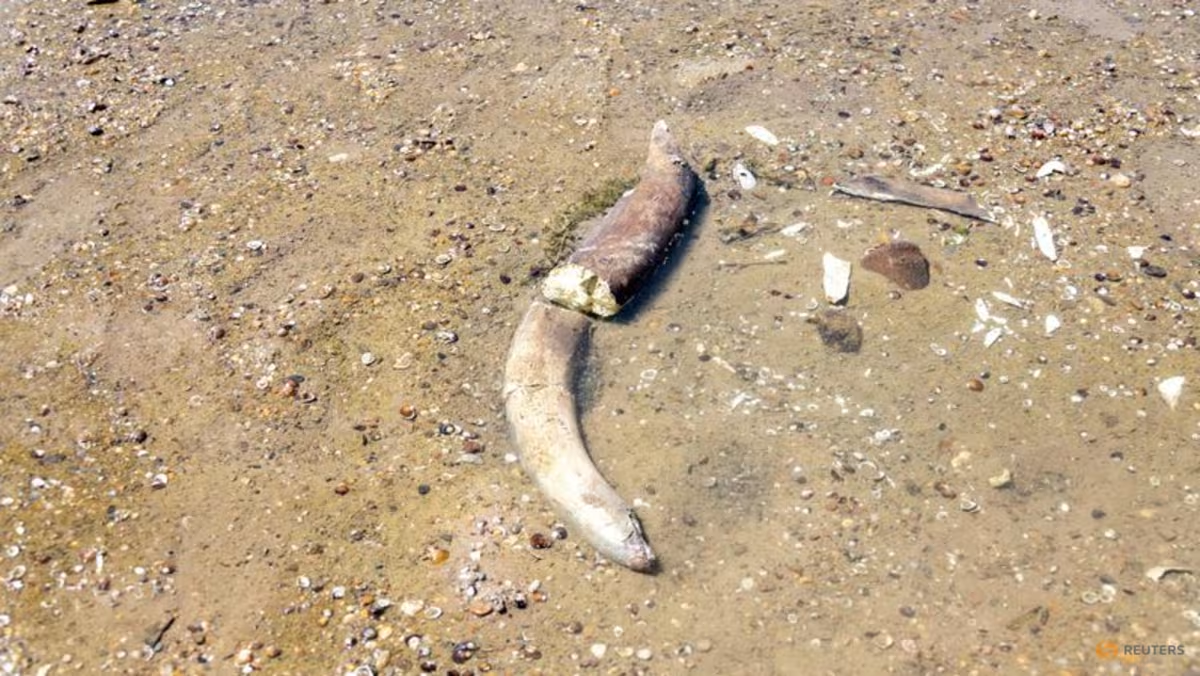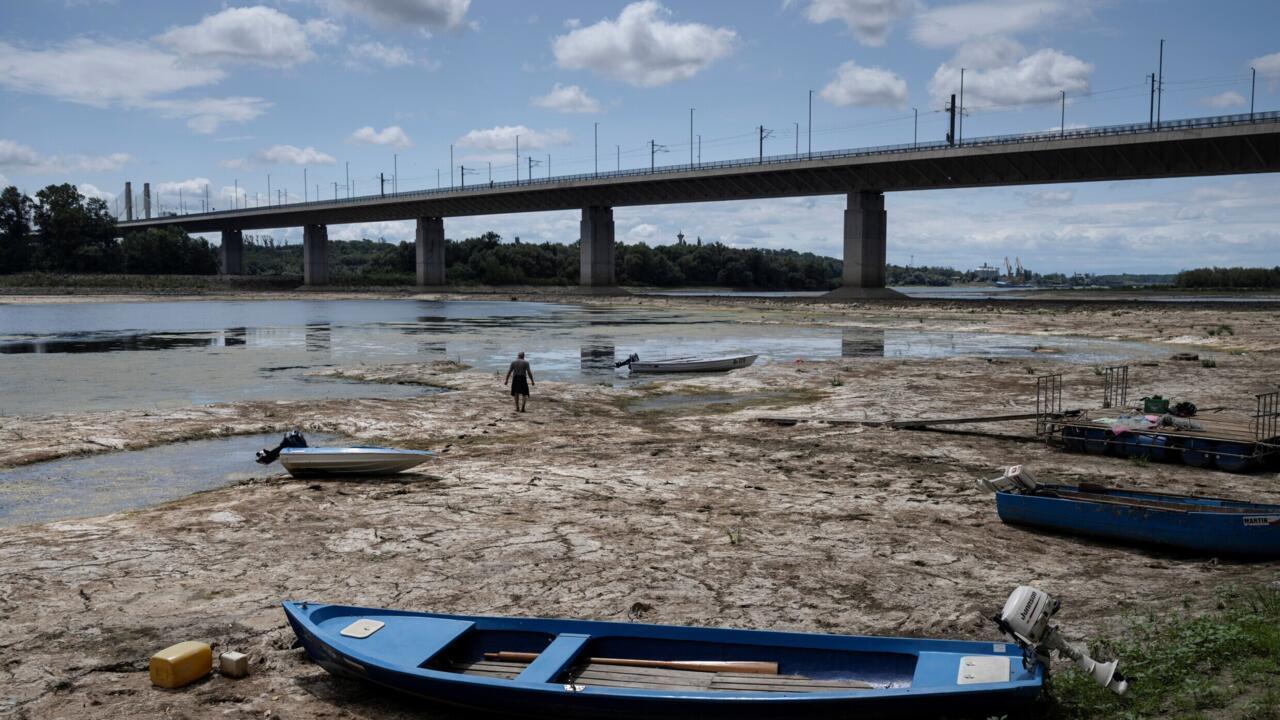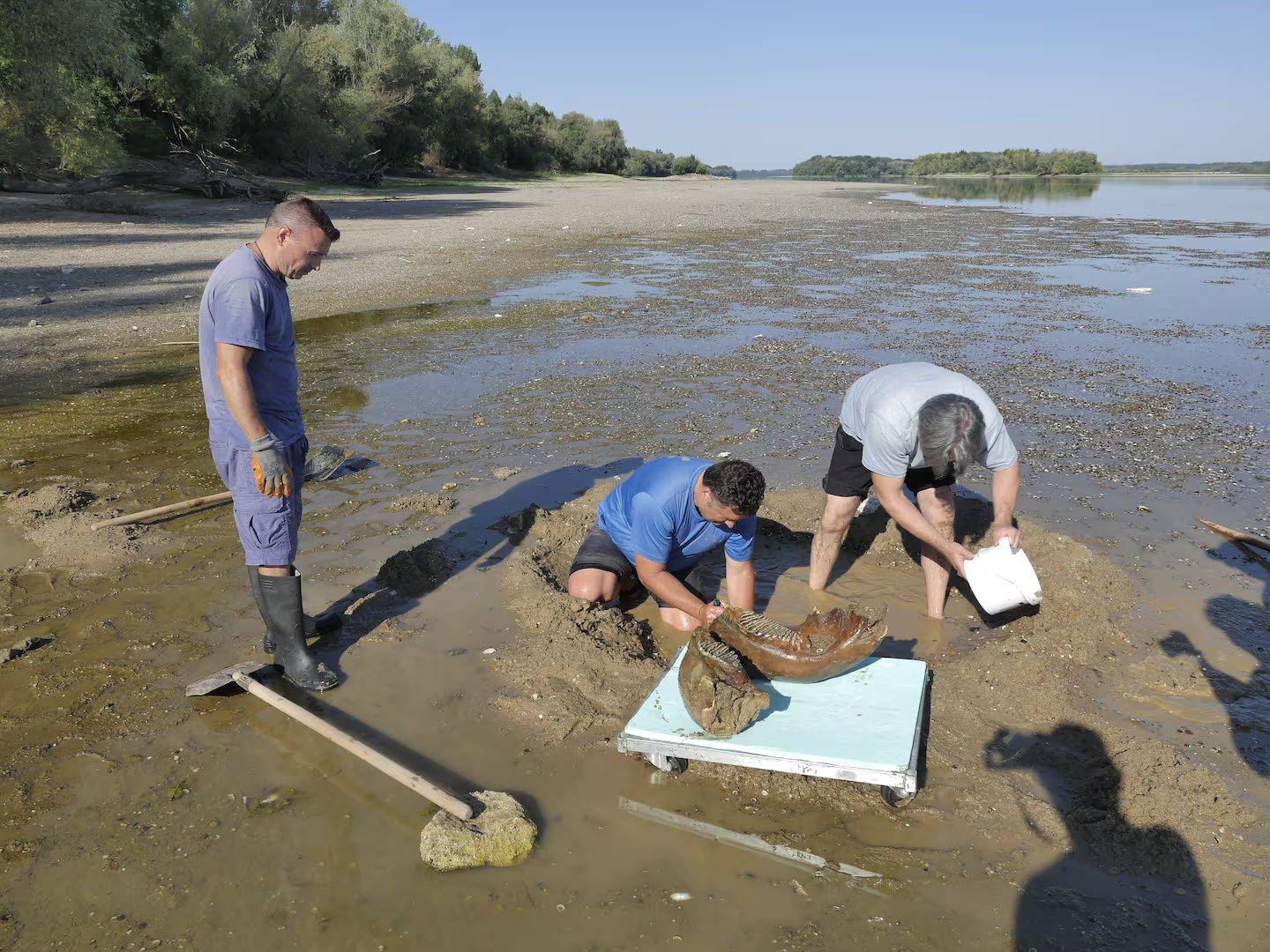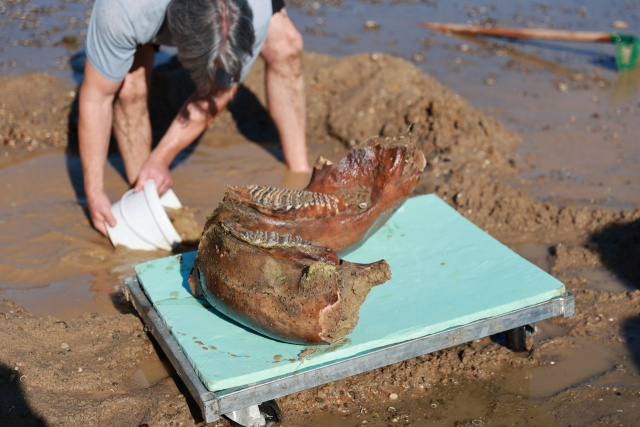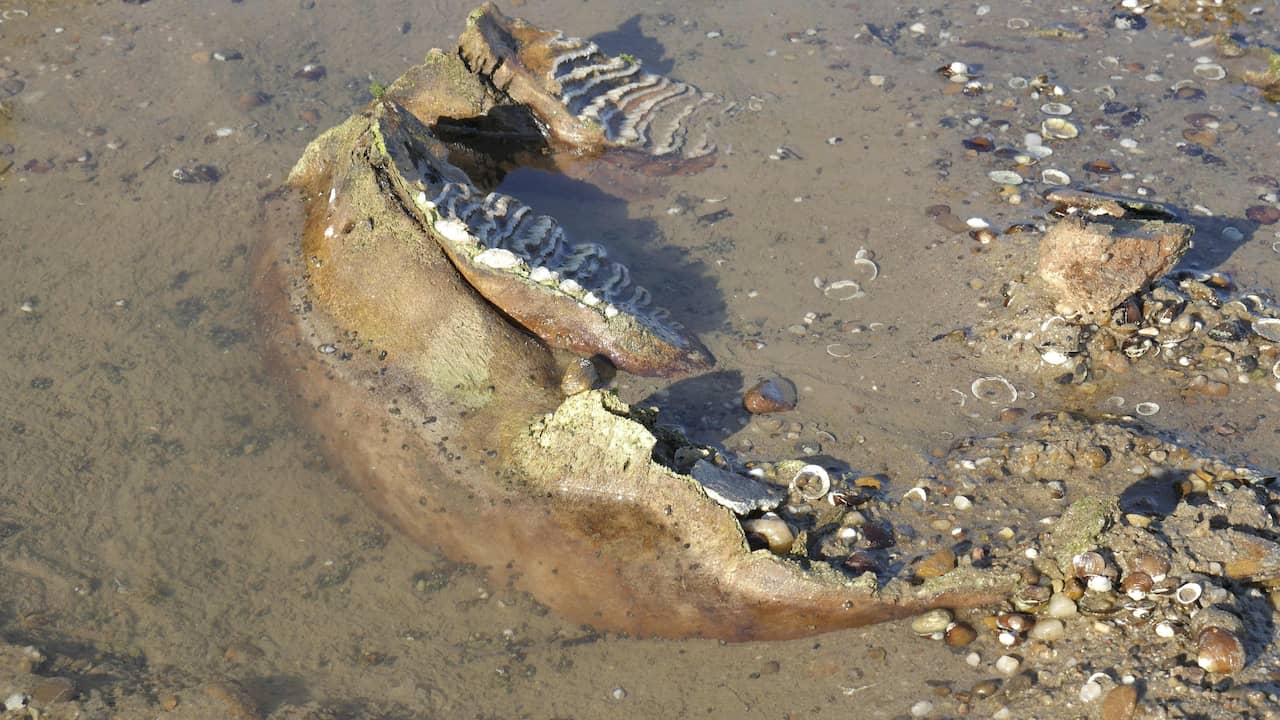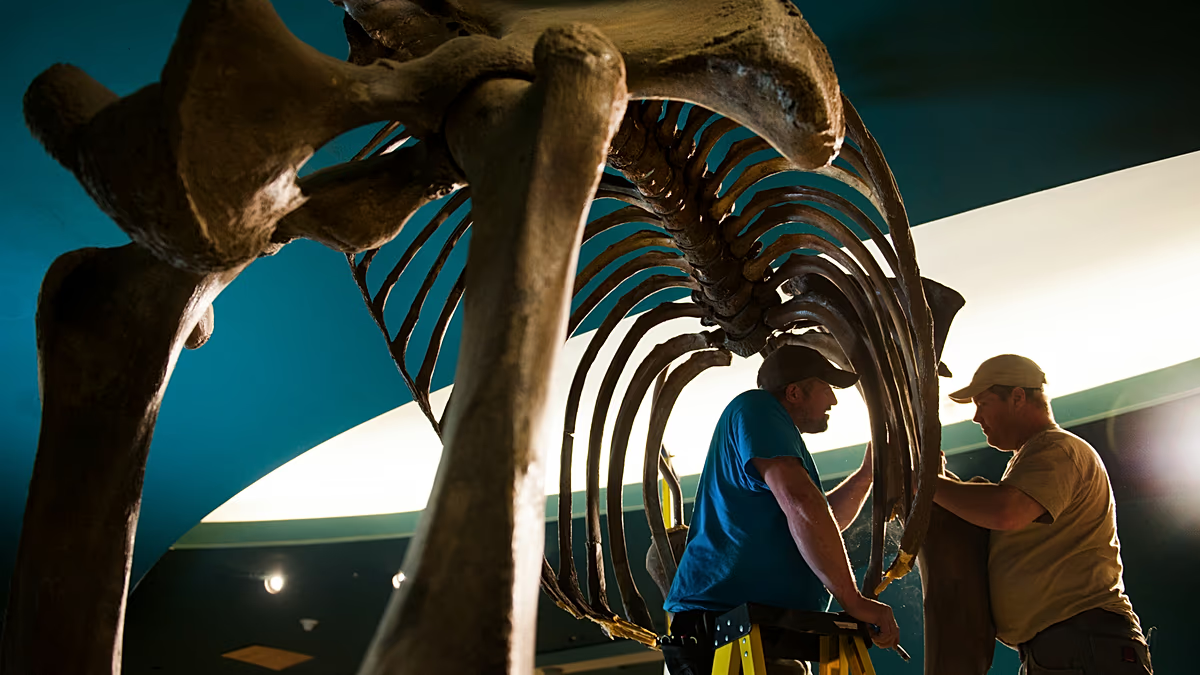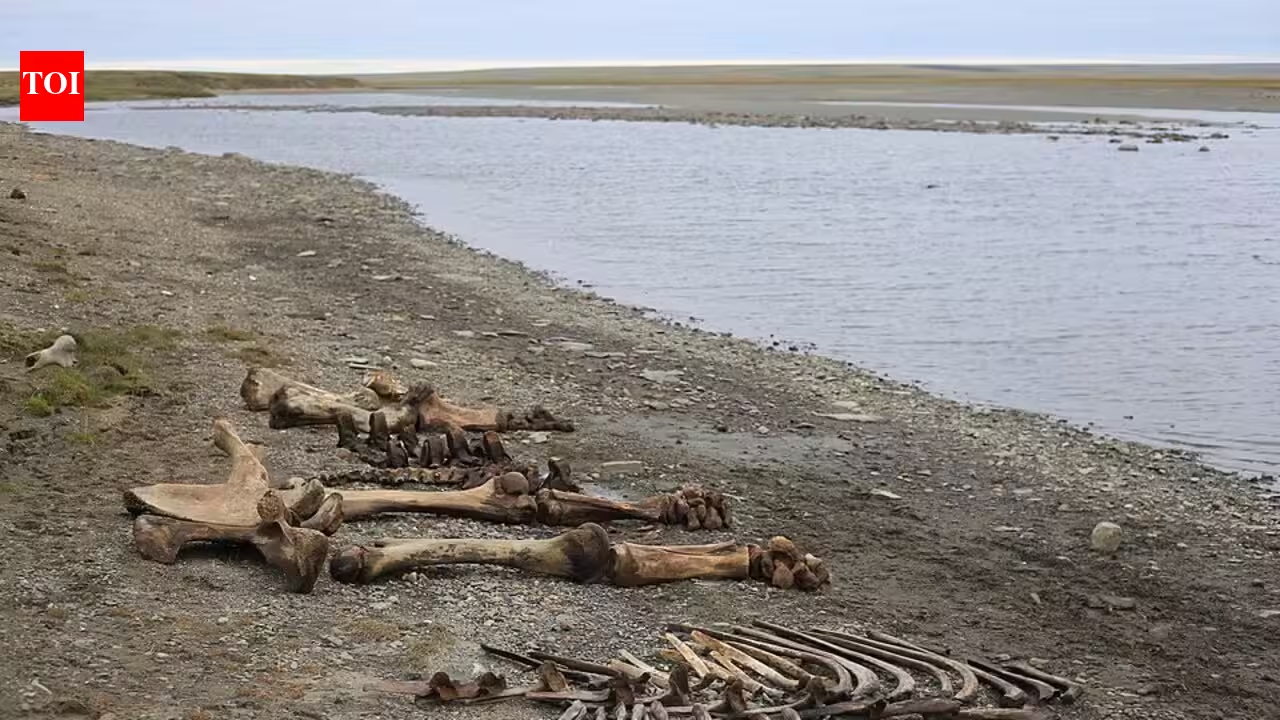
Extreme drought along Europe's Danube River revealed fossilised remains of a young woolly mammoth. Image Credit: Wikimedia CommonsA remarkable discovery was made along one of Europe’s major rivers after months of extreme weather. The Danube River fell to record lows because of heat waves and low rainfall, exposing parts of the riverbed. Along with other riverbed materials, the fossilised body parts of a young woolly mammoth, jawbone, tusk, shoulder blade and femur, were found.As reported by Phys.org, according to AFP, the bones were unearthed near the village of Ryahovo in Bulgaria's Ruse region after a local resident spotted unusual bones protruding from the exposed riverbed. Scientists at the Regional Historical Museum in Ruse identified the fossils as those of a young woolly mammoth that lived during the Ice Age.The find included a jawbone, tusk, shoulder blade and femur from a juvenile mammoth, and the remains were spotted by a local resident before being taken to the Regional Historical Museum in Ruse for identification. The discovery adds another Ice Age fossil find to the Danube’s exposed banks. Not only are the bones themselves attracting palaeontologists' attention, but they also appear to belong to a single creature.Why did the Danube reveal the bones?The low water levels exposed the riverbed and made the discovery possible. As reported by AFP, parts of the Danube reached record low water levels after successive heatwaves and low precipitation since May 2026, exposing areas of the riverbed that are normally underwater.According to the European Drought Observatory (EDO), part of the European Commission's Joint Research Centre (JRC), prolonged heat and below-average rainfall can lead to hydrological drought, resulting in unusually low river flows and declining water levels.The Observatory's latest updates monitor drought through indicators such as soil moisture, river flow and vegetation stress, noting that prolonged rainfall deficits can develop into hydrological drought and place rivers, reservoirs and groundwater under increasing pressure. Although this discovery is scientifically significant, drought and low river levels can also affect drinking water supplies, agriculture, shipping and freshwater ecosystems.What specifically was discovered?Nikolay Nenov, director of the Regional Historical Museum in Ruse, said the bones recovered are considered an important find by specialists. They include the lower jawbone, parts of the tusks, part of the shoulder blade and a femur with its articular head.As quoted by AFP, Nenov said the dark colour of the bones suggests the mammoth may have spent time in marshes before dying and being buried in sediment. The discovery is particularly valuable because all of the bones were found together in one location, unlike many previous finds, which consisted of isolated bones scattered over larger areas. Museum specialists now plan further excavations because additional parts of the skeleton may still lie beneath the exposed riverbed.What was a woolly mammoth?The woolly mammoth (Mammuthus primigenius) was one of the best-known mammals of the Ice Age. According to the Natural History Museum, London, woolly mammoths evolved thick fur, insulating fat, small ears and curved tusks to survive cold climates. They lived across Europe, northwestern Asia and North America alongside early humans.Humans hunted mammoths for food, and mammoth bones and tusks were used to make tools, shelters and art. According to the Natural History Museum, most mainland woolly mammoths died out about 10,000 years ago, while an isolated population survived on Wrangel Island until about 4,000 years ago.Scientists identified the jawbone, tusk, shoulder blade, and femur from the Ice Age creature. Image Credit: Wikimedia CommonsWhy droughts often reveal prehistoric discoveriesDroughts have revealed many archaeological and palaeontological discoveries around the world in recent years. As water levels fall during droughts, previously hidden shipwrecks, ancient settlements, fossils and so-called "hunger stones" can become exposed.Scientists say such discoveries can become more common as climate change intensifies drought conditions in some regions. For Bulgarian scientists, the mammoth remains offer a chance to learn more about Europe’s Ice Age past. As scientists search the exposed riverbed, they hope the dry spell will reveal more fossils and shed light on the young mammoth that lived there thousands of years ago.
Bulgaria's Danube fell to record lows after heat and rain shortages: Its exposed bed revealed the jaw, tusks and femur of a young mammoth
A remarkable discovery was made along one of Europe’s major rivers after months of extreme weather. The Danube River fell to record lows because of heat waves and low rainfall, exposing parts of the riverbed.
669 words~3 min read