Across Southeast Asia, governments face a familiar challenge: Voters reward policies that provide immediate and visible benefits, while long-term development requires reforms whose gains may take years to materialize. The tension between democratic responsiveness and developmental effectiveness is frequently portrayed as a trade-off. Indonesia’s 24-year transformation of its food assistance system suggests a more nuanced story.
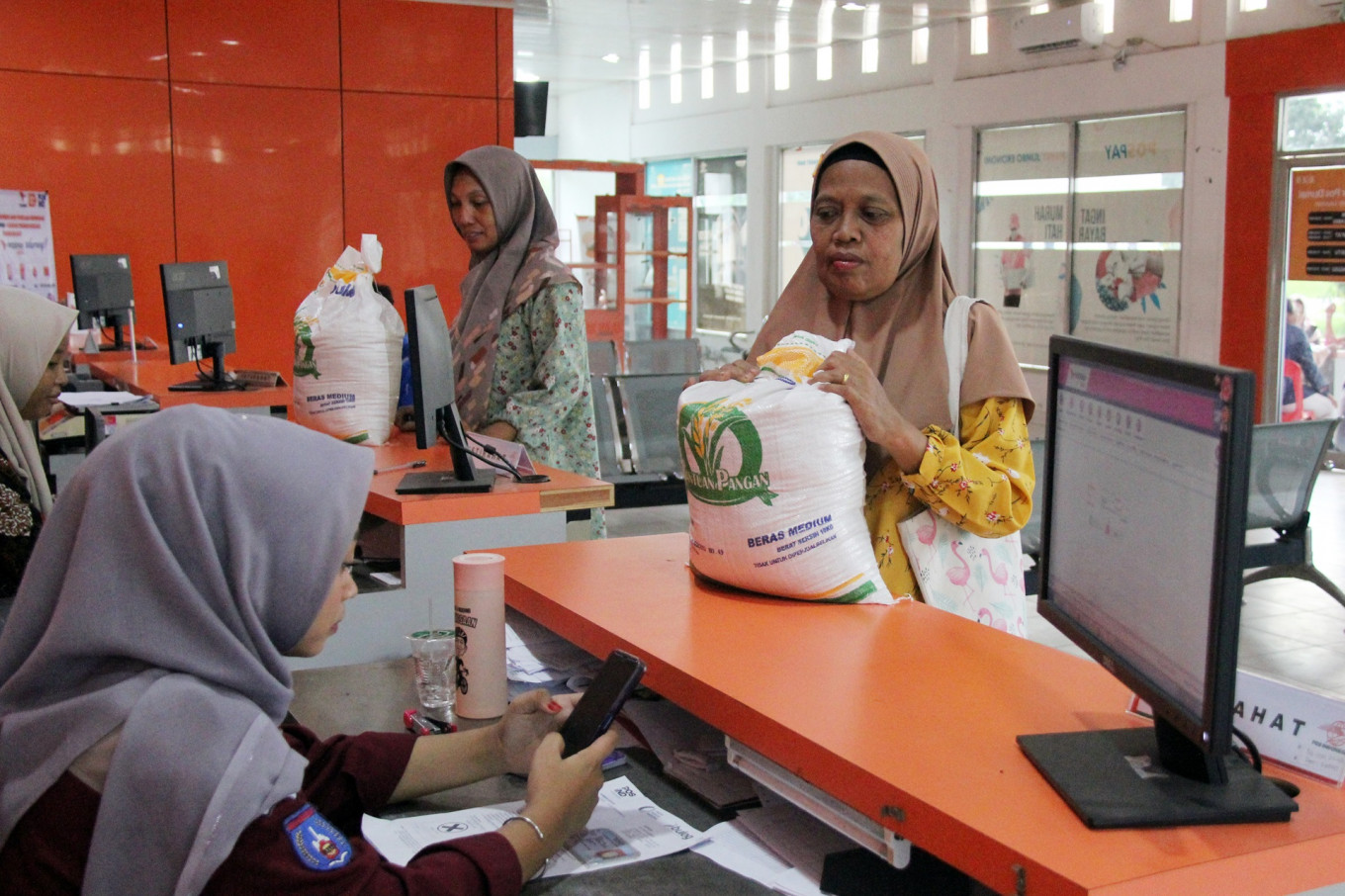
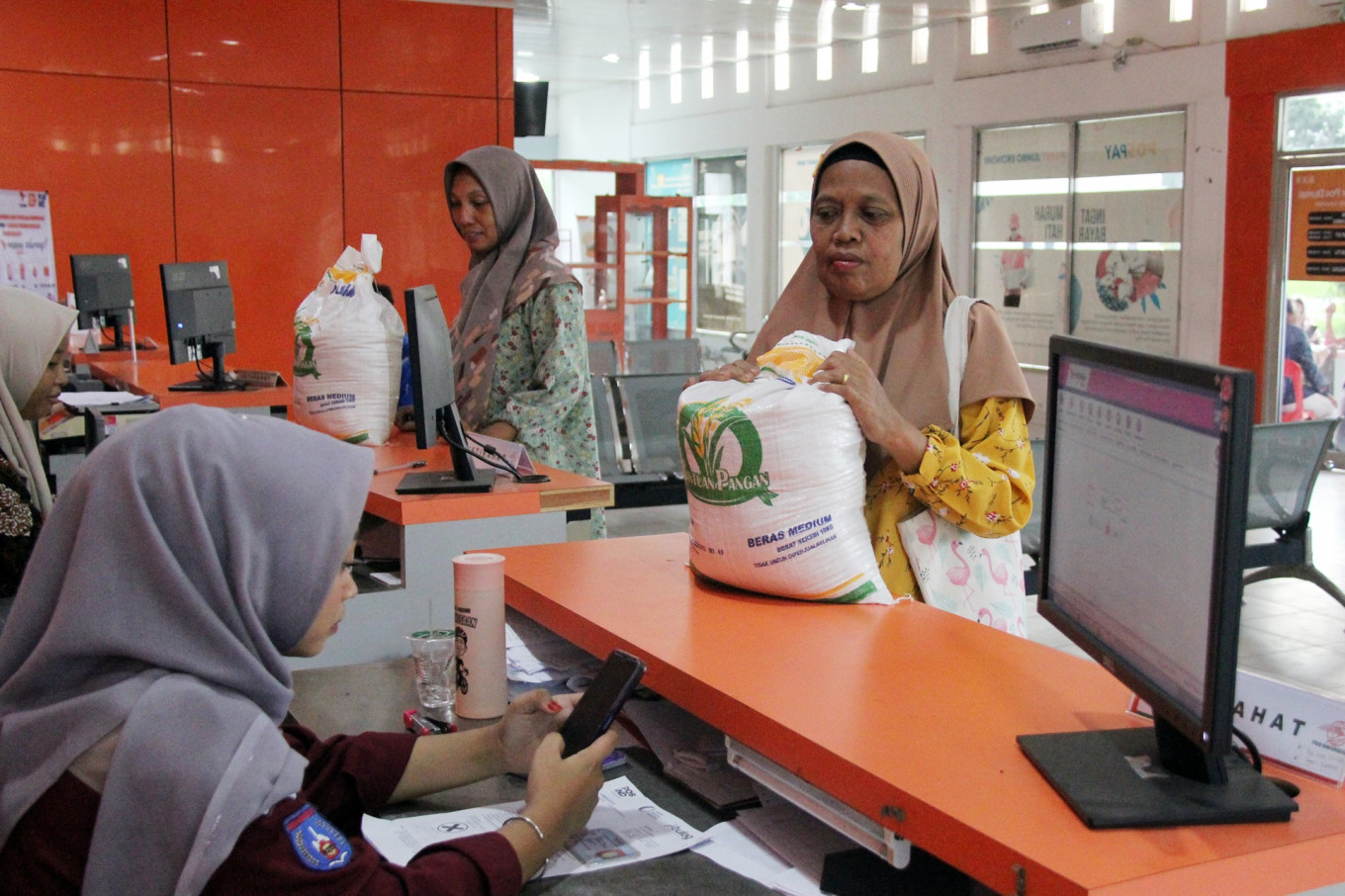
In 1998, Indonesia created an emergency rice distribution program, in nine weeks, in the middle of economic collapse and political transition. It was improvised, imperfect and immediately popular. The program was also intended to be temporary. But it developed into Raskin, rice for poor families, and ran for 15 years. Raskin was a subsidized rice transfer program aimed at the poorest 40 percent of households. Beneficiaries purchased rice at a heavily subsidized price. However, studies repeatedly found that beneficiaries received less than their official entitlement, sharing benefits among non-eligible households, and facing irregular delivery schedules. Nevertheless, Raskin survived.
Why? Because millions of Indonesian families depended on it, and no government wanted to be the one that took rice away from the poor. Technical shortcomings alone rarely determine whether a program survives. Raskin had become a visible symbol of state support for low-income households and a politically sensitive program that successive governments were reluctant to alter. Reform carried the risk of being portrayed as reducing support for the poor, making even well-evidenced alternatives difficult to advance.