Academia
The deeper issue is that a probabilistic statistical estimate is being wielded as an indisputable administrative fact; one deemed sharp enough to decide who gets subsidized fuel and who walks away empty-handed.
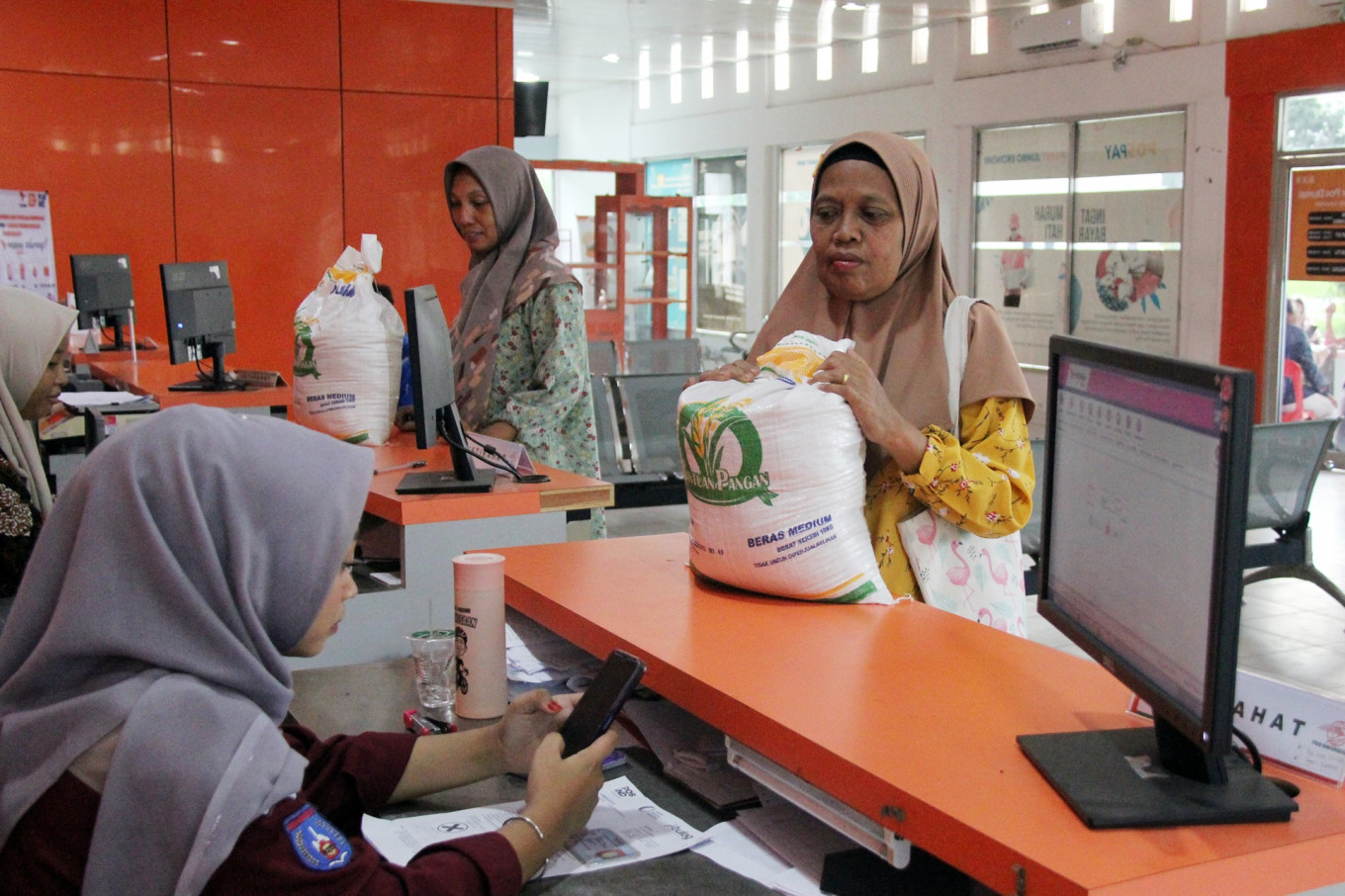
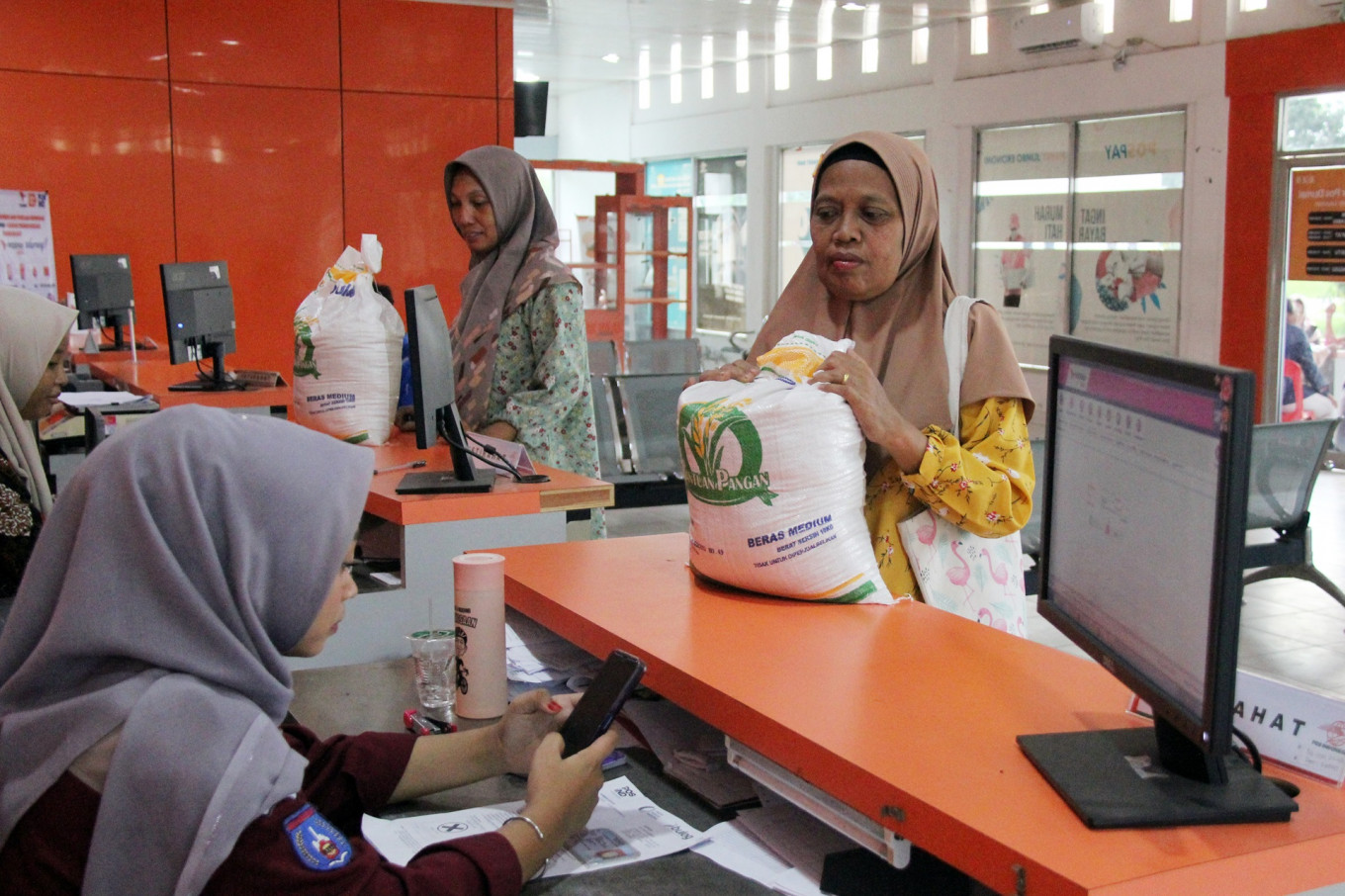
Social aid recipient receive a sack of rice from the government's food reserves distribution program on Oct. 29, 2024, at the Dumai Post Office in Riau. (Antara/Aswaddy Hamid )
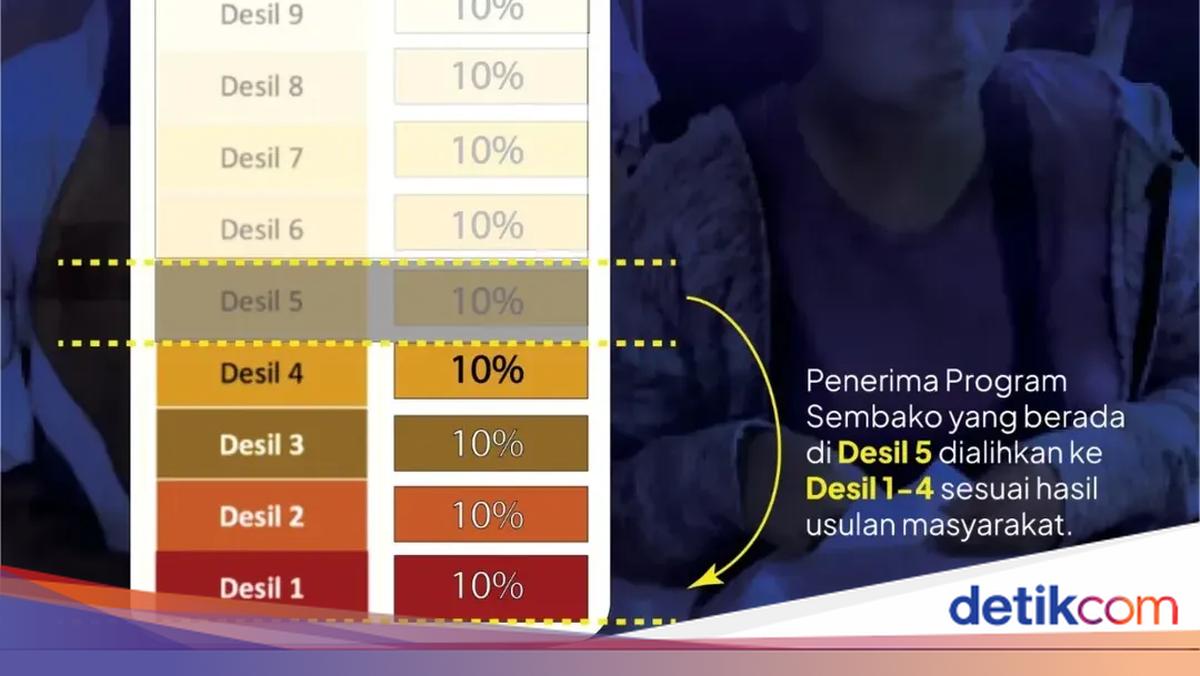
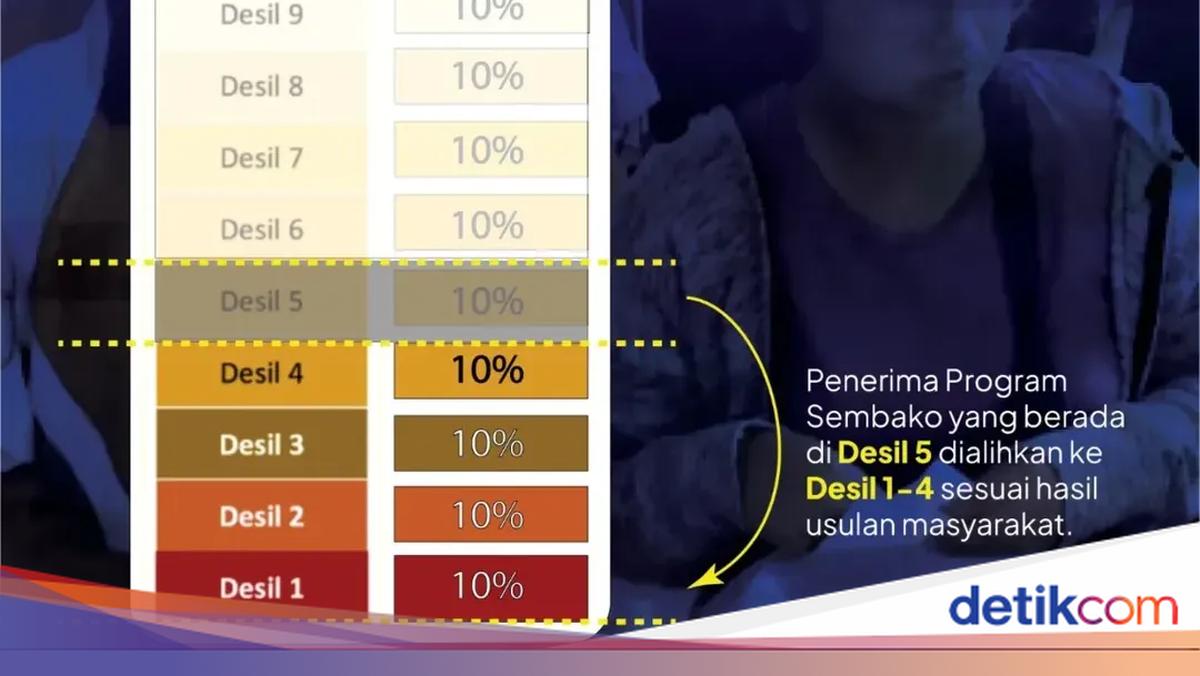
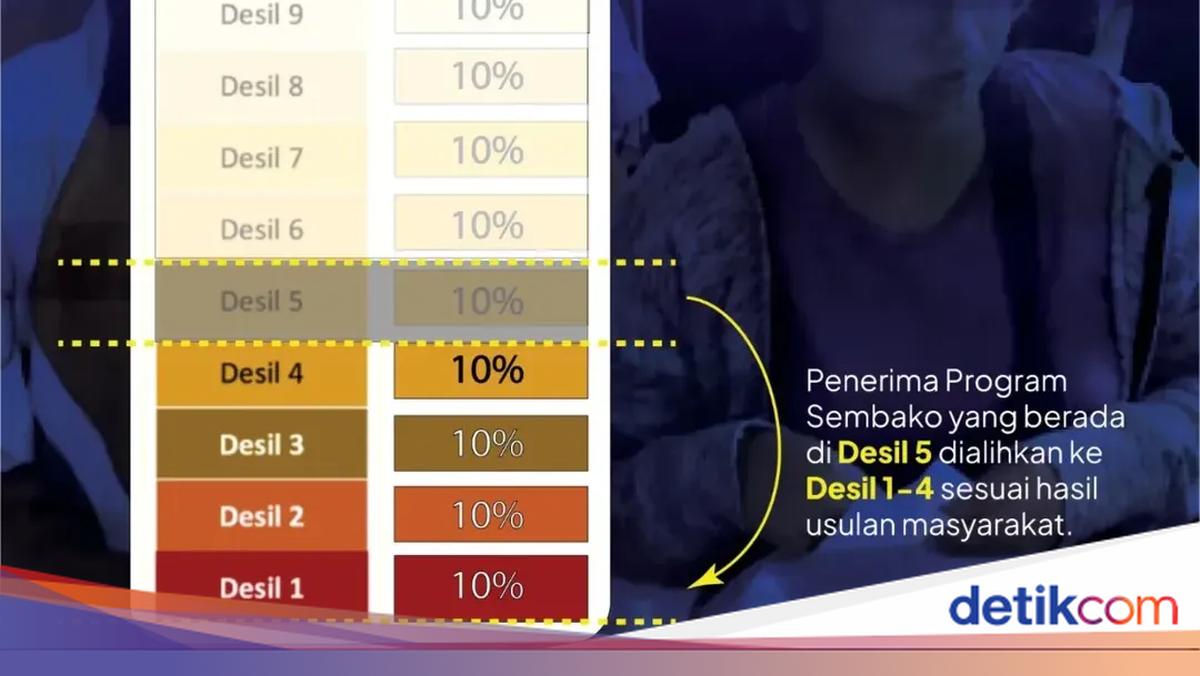
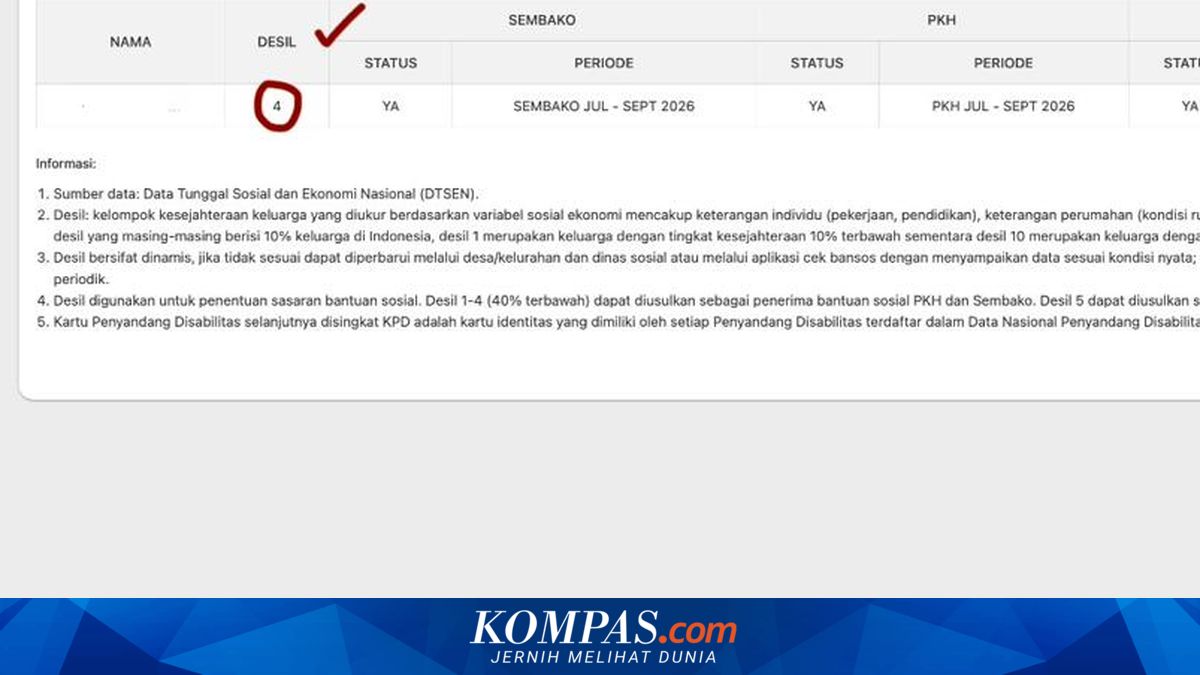
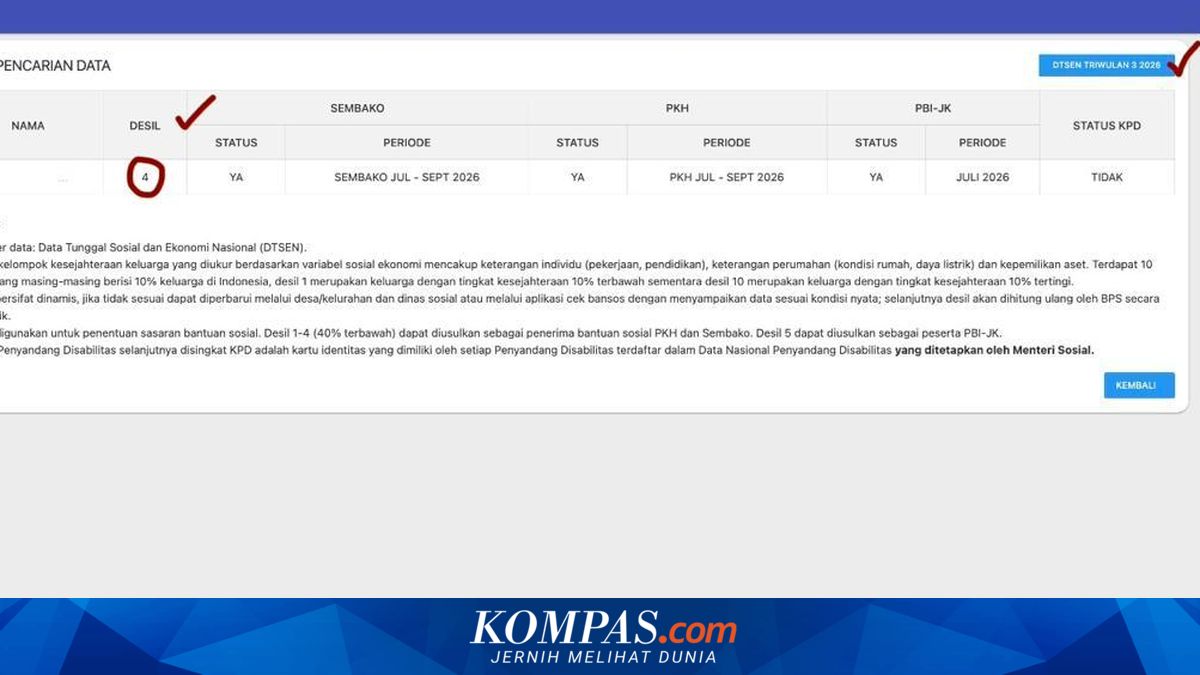
Imagine being officially classified among the top 20 percent of households in Indonesia while making a living pedaling a becak (pedicab) or pushing a meatball cart under the scorching sun.This is no hypothetical. Over the past few weeks, it has become a genuine grievance voiced by ordinary citizens who discovered they had been assigned to decile 9 or 10 - the wealthiest tiers - under the government's National Socioeconomic Data (DTSEN). Public backlash spread quickly enough that ministers and the head of Statistics Indonesia (BPS) all stepped forward to issue public statements within days.
The deeper issue is not just that the underlying registry has aged. It is that a probabilistic statistical estimate is being wielded as an indisputable administrative fact - one deemed sharp enough to decide who gets subsidized fuel and who walks away empty-handed. When the serious public system turns into a guessing game, people call it desil-desilan (playing or gambling with deciles). The term captures what happens when an educated guess is mistaken for settled truth.