Academia
Rather than a genuine check, the Constitutional Court provides a strategic runway for legislative engineering, allowing the executive branch to bypass immediate fiscal discipline while public attention cools, over the education fund.
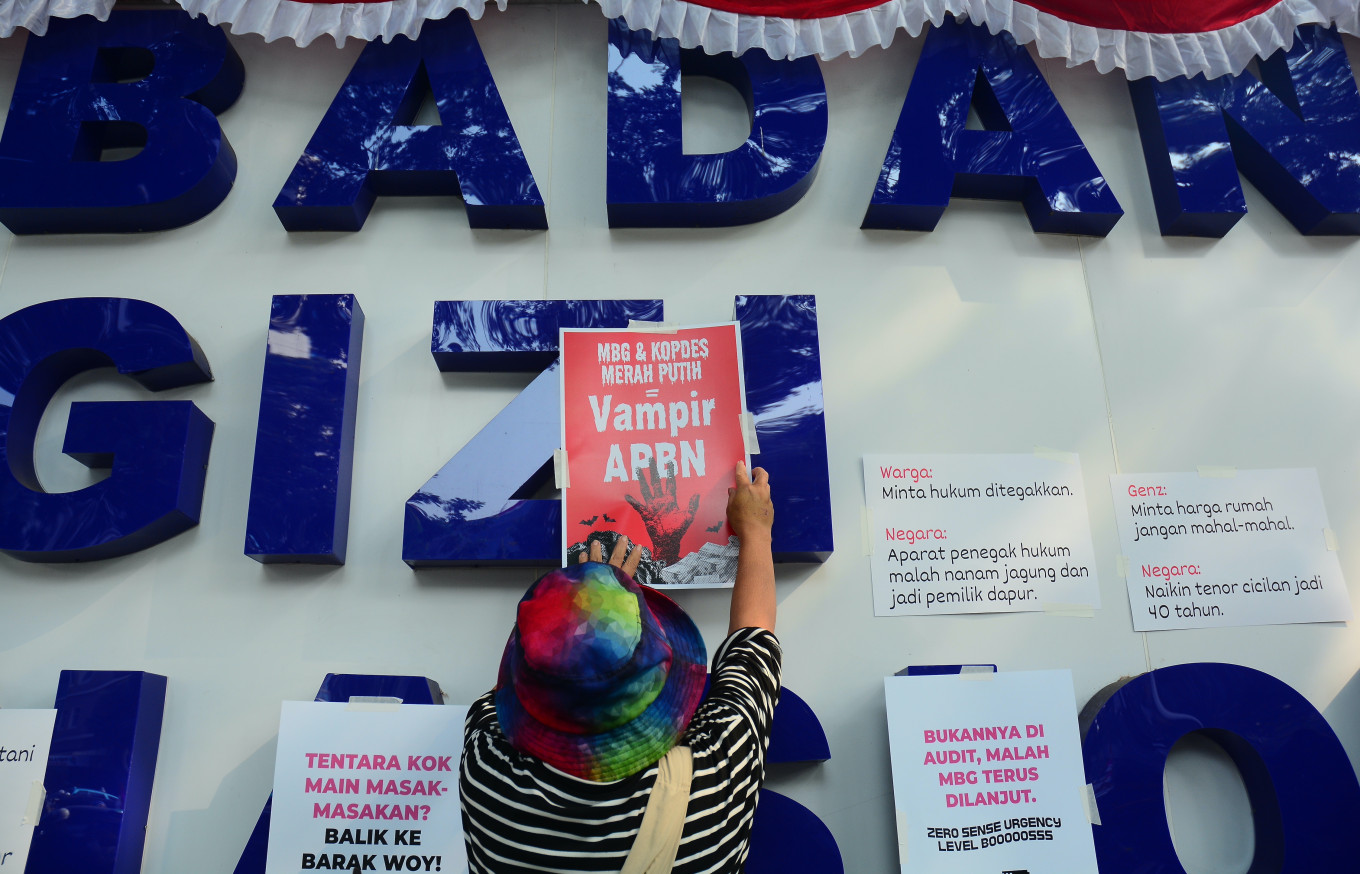
Participants in a protest by a civil society coalition known as MBG Watch display a poster reading “Free Nutritious Meals and Red-and-White Cooperatives = Vampires of the State Budget” outside the National Nutrition Agency (BGN) office in Central Jakarta on Aug. 14, 2026. (JP/Iqro Rinaldi)
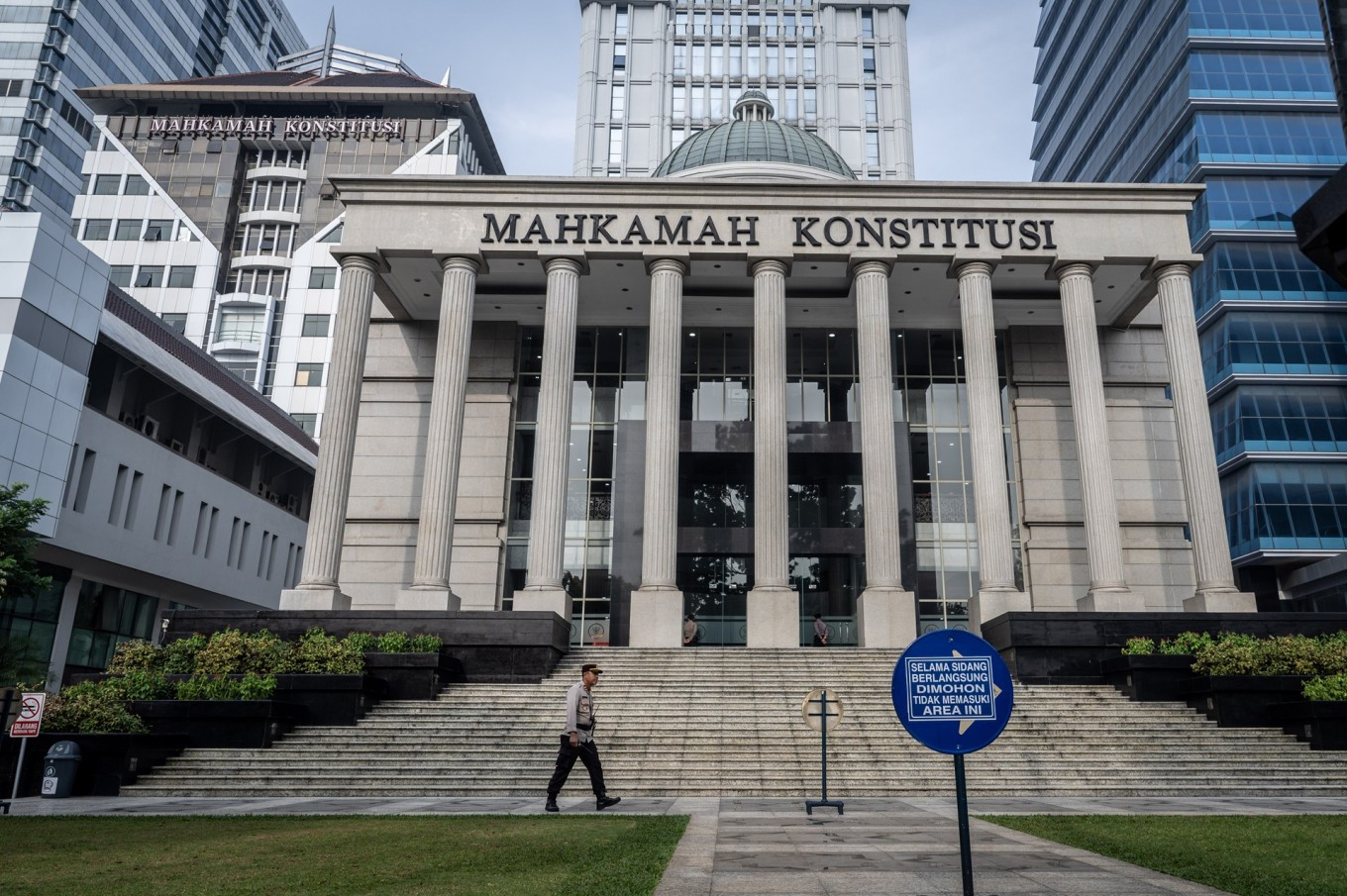
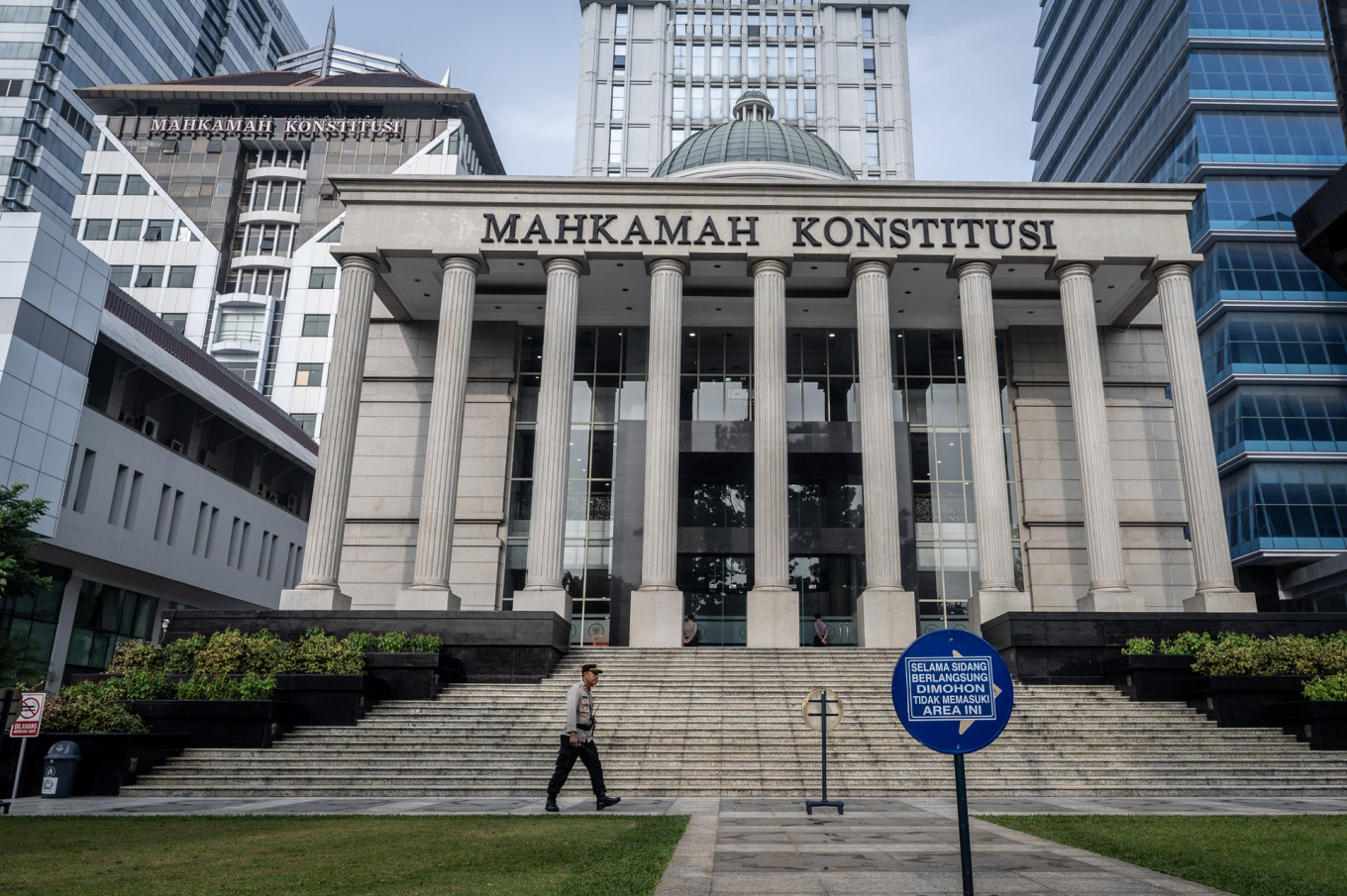
When the justices of the Constitutional Court delivered their ruling on July 30, the courtroom carried the brief, deceptive hum of a democracy correcting its course. The bench decreed that President Prabowo Subianto’s flagship free nutritious meal program could no longer siphon money from the country’s legally mandated 20 percent education budget.To civil society advocates and exhausted public school teachers, it looked like a courageous stand for judicial independence. Yet, the real story lay in a tactical clause buried deeper in the paperwork, which quietly delayed the enforcement of the ruling until the 2028 fiscal year.
Rather than a genuine constitutional check, the delay provides a strategic runway for legislative engineering, allowing the executive branch to bypass immediate fiscal discipline while public attention cools.