Academia
As Indonesia drifts toward oligarchy and political decay, a new generation of students is ditching street protests for the courtroom, using the Constitution to finish the reform movement started in 1998.
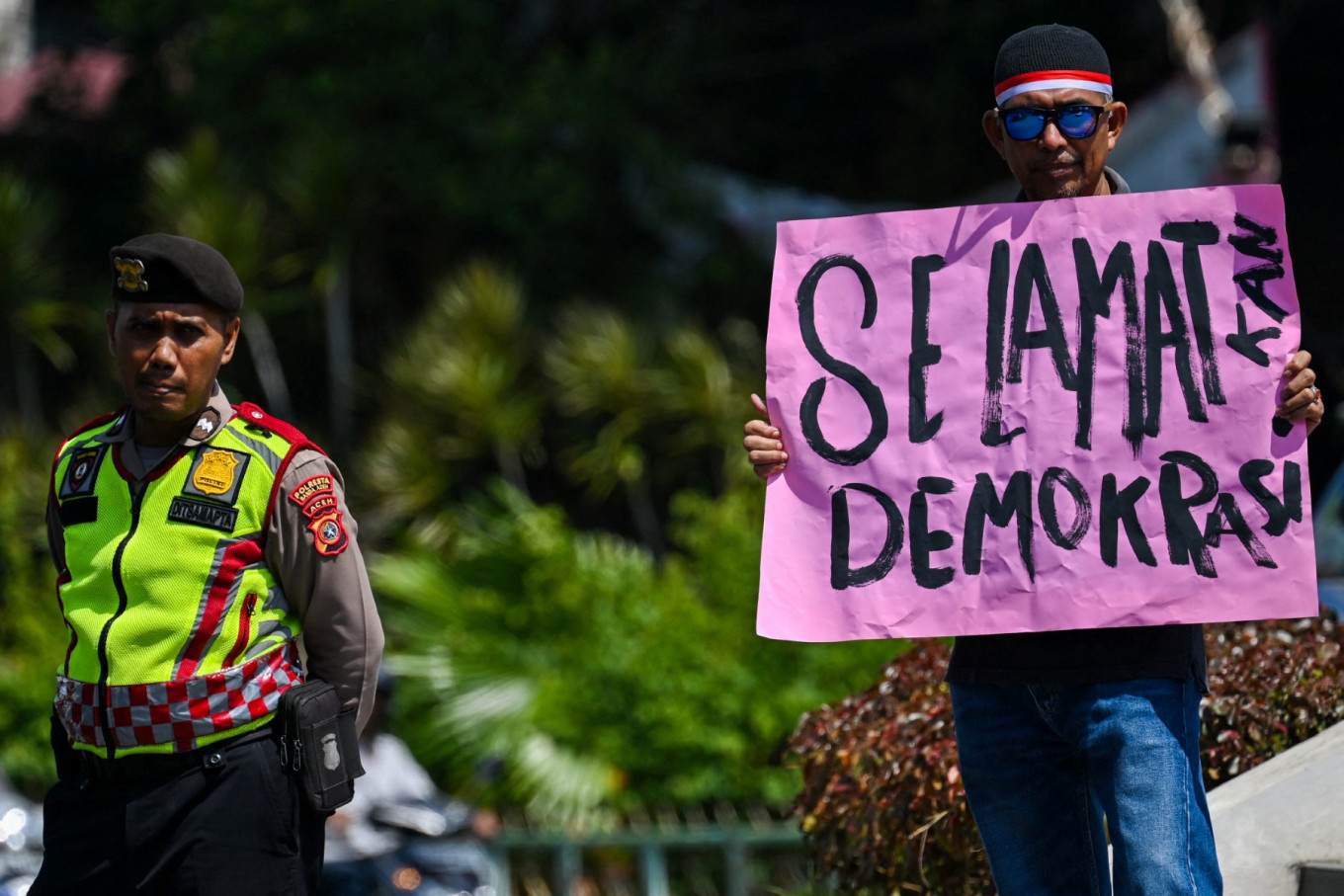
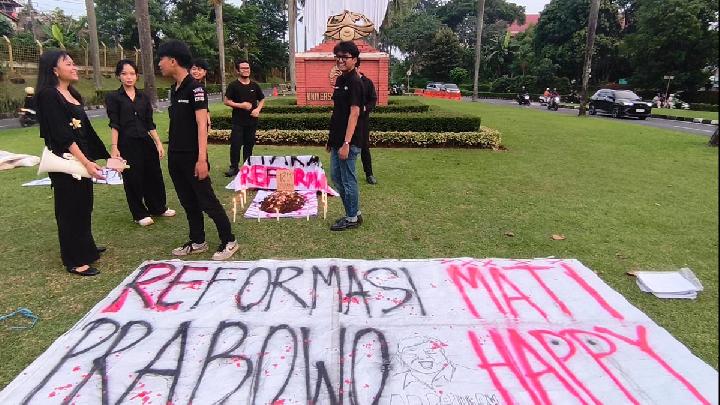
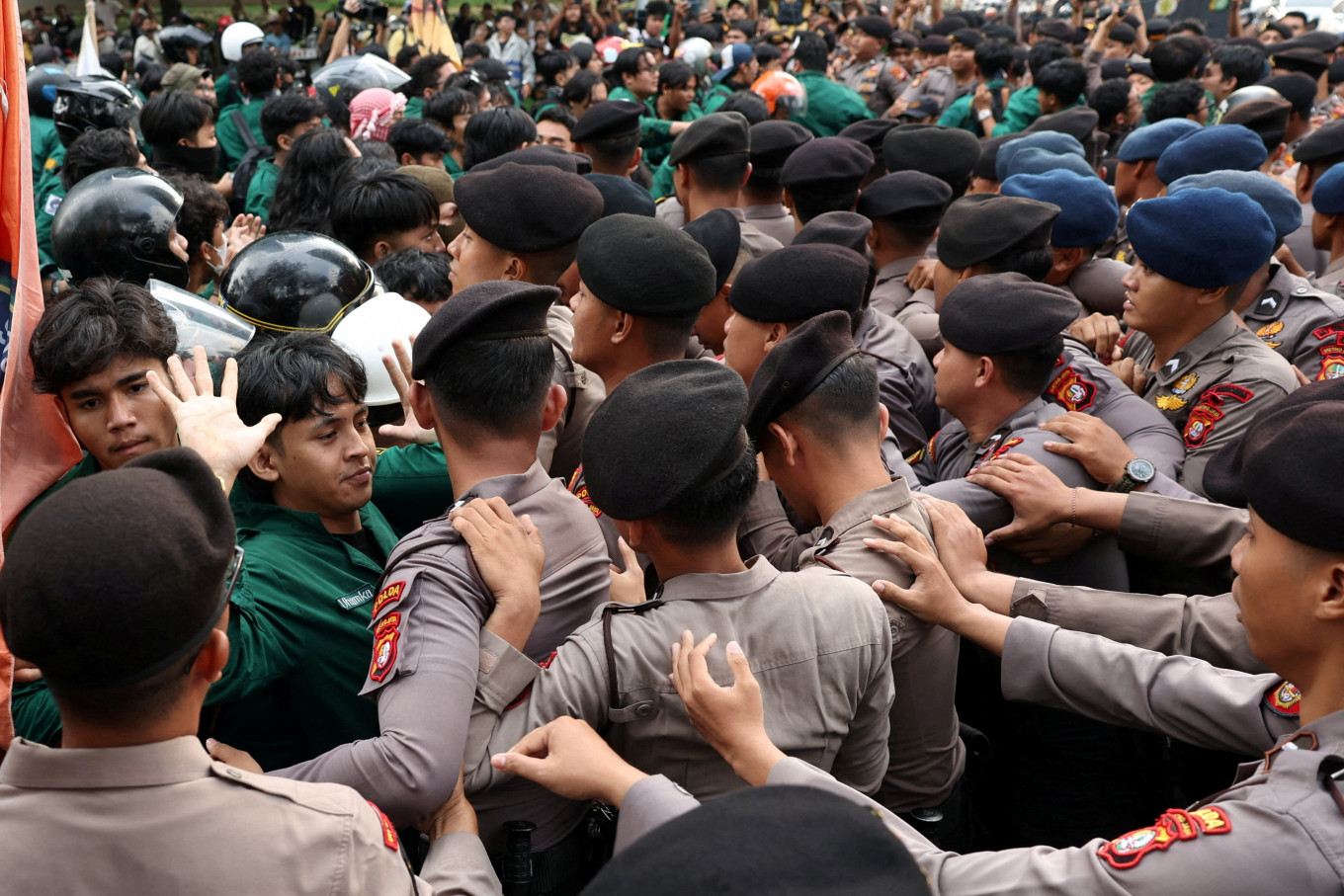
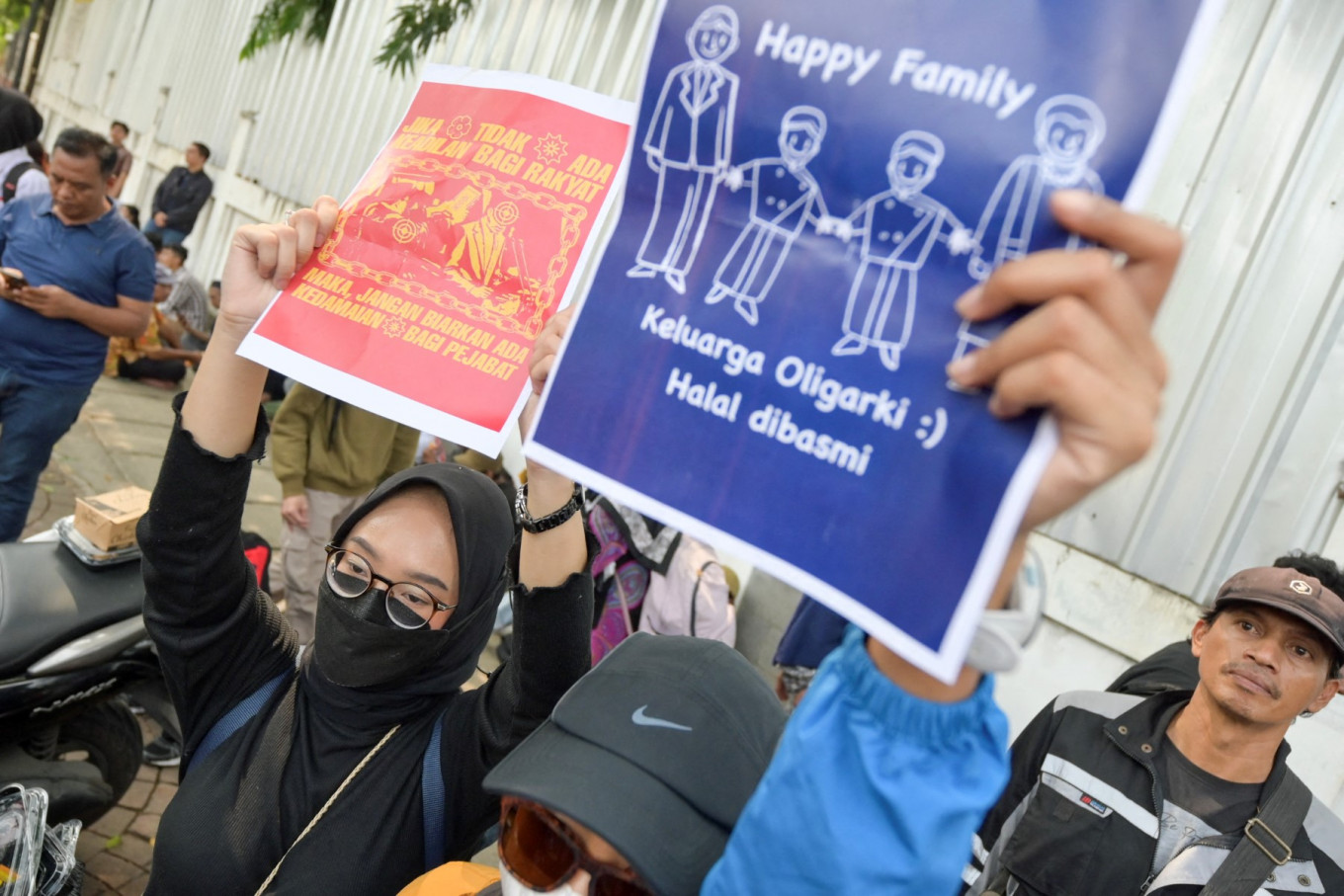
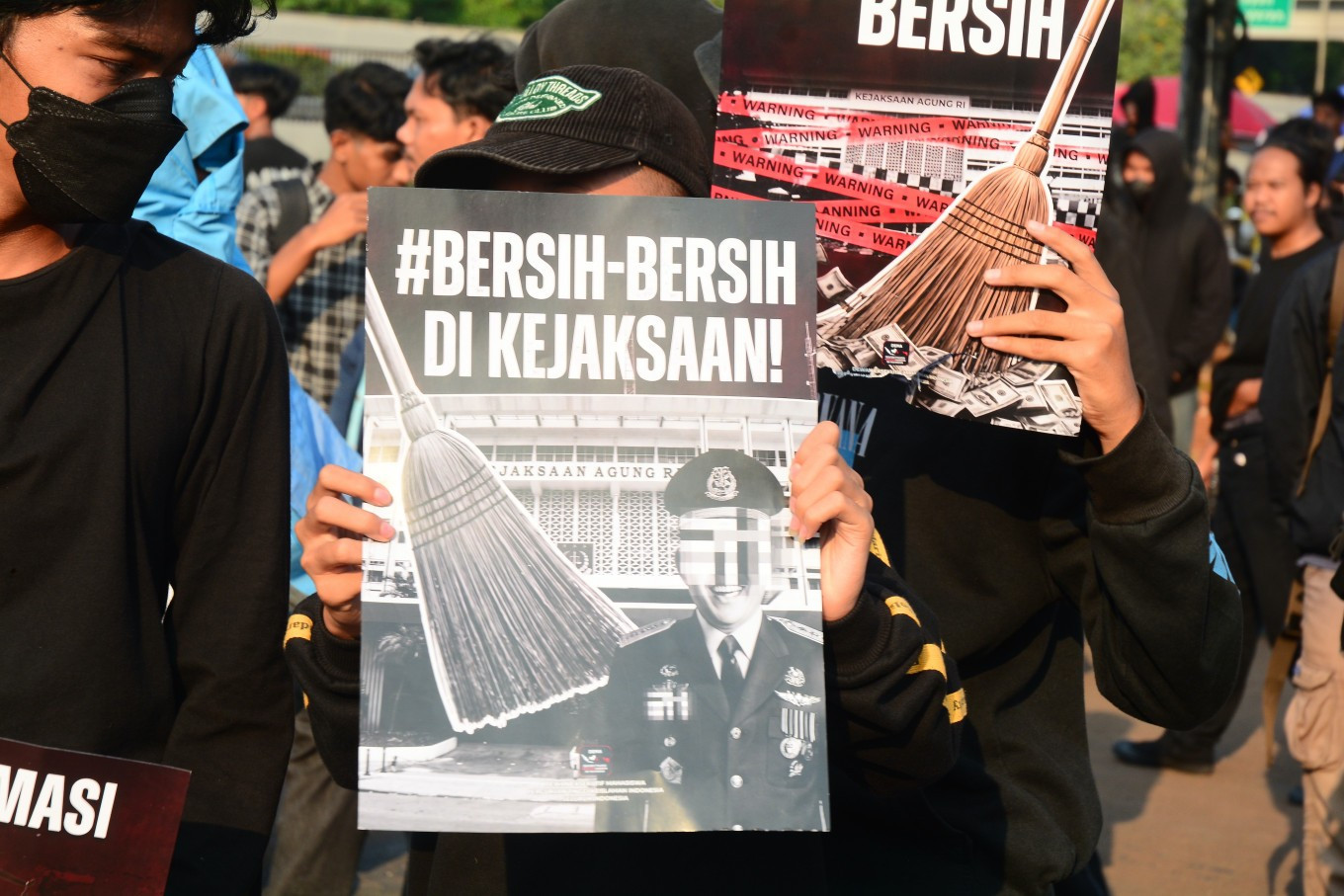
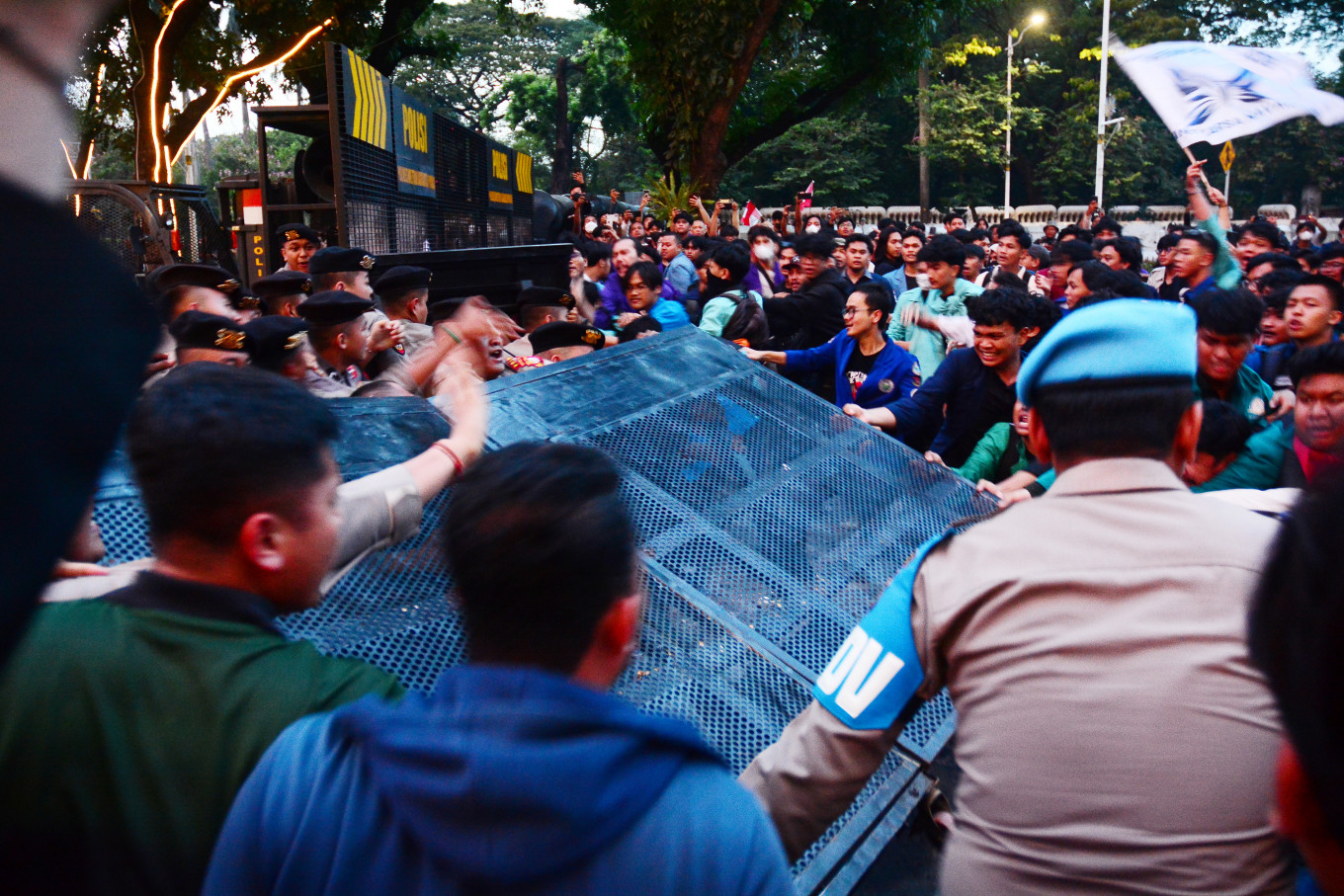
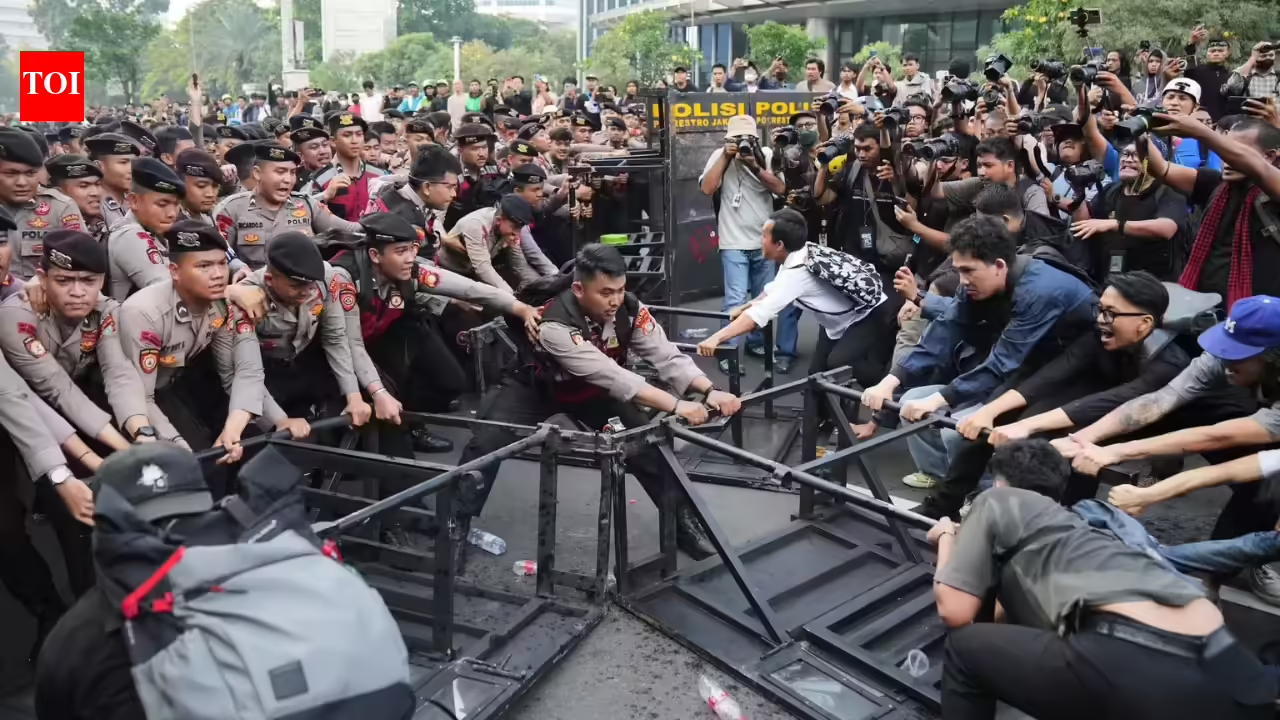
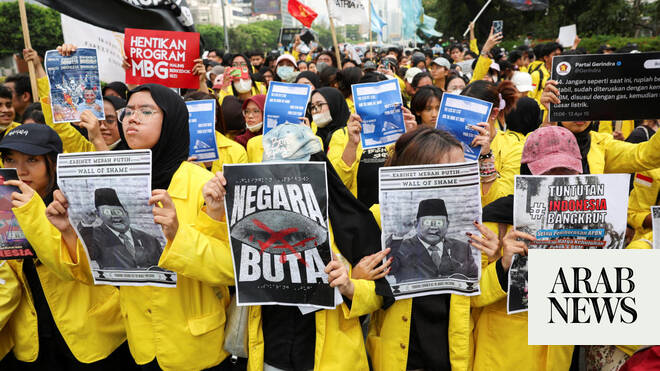
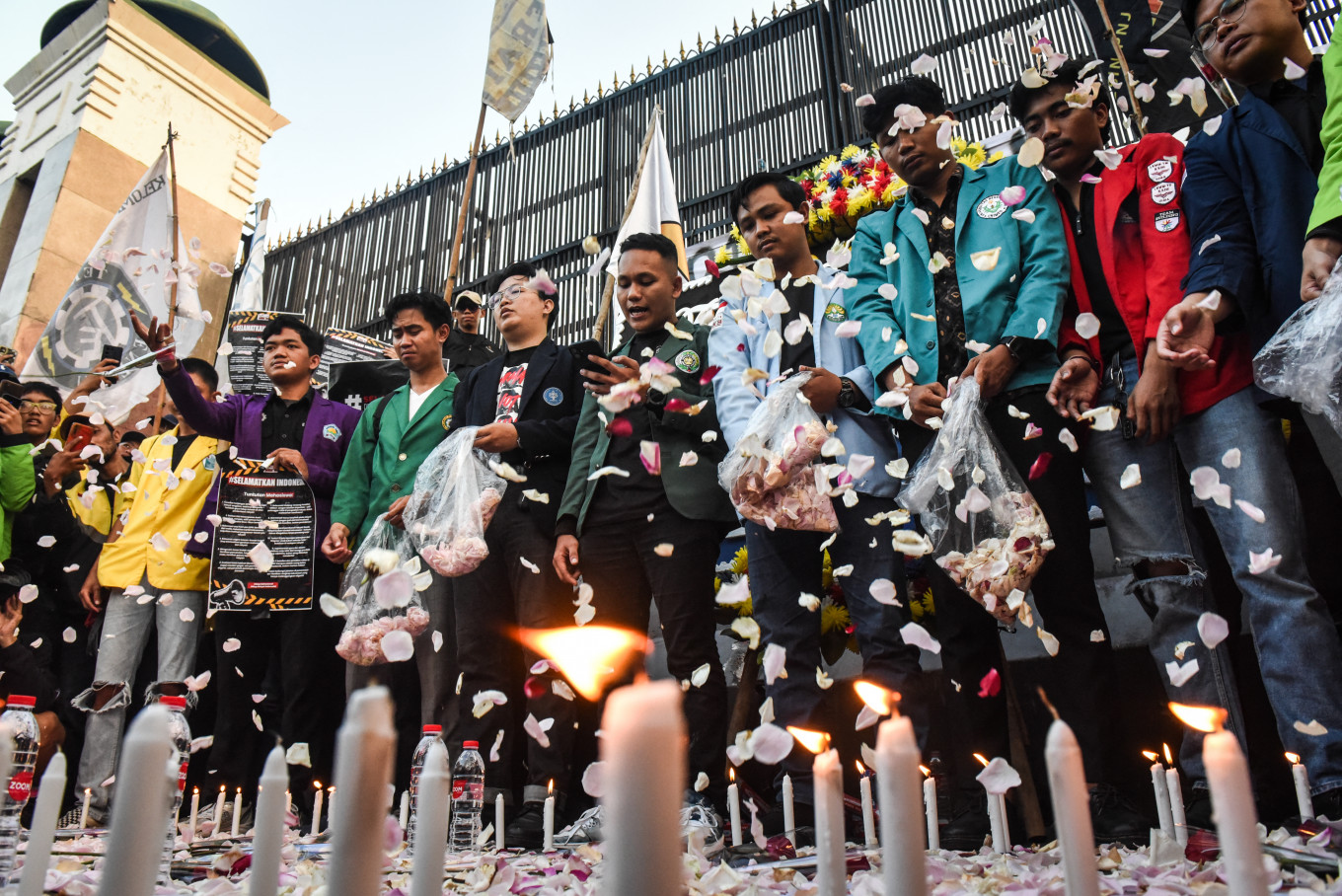
Members of the All-Indonesia Alliance of Student Executive Boards (BEM SI) scatter flower petals during a demonstration outside the Senayan Legislative Complex in Central Jakarta on Sept. 4, 2025, expressing support for the “17+8” reform demands presented by the Tuntutan Rakyat (people’s demands) movement during nationwide protests from August to September. (AFP/Tyo Pribadi)
Beyond the current debate over making French a compulsory school subject in Indonesia, a classic French maxim rings uniquely true today: L'histoire se répète (history repeats itself). Nearly three decades after the watershed Reformasi movement, collective amnesia has left the core student demands of 1998 trapped in an unresolved cycle.These demands, which included constitutional amendments to limit presidential terms and establish a more democratic political structure, ending corruption, collusion and nepotism (KKN), abolishing the military's dual sociopolitical function, establishing the rule of law and enacting strong regional autonomy, can be distilled into three enduring aspirations: democracy, rule of law and good governance.