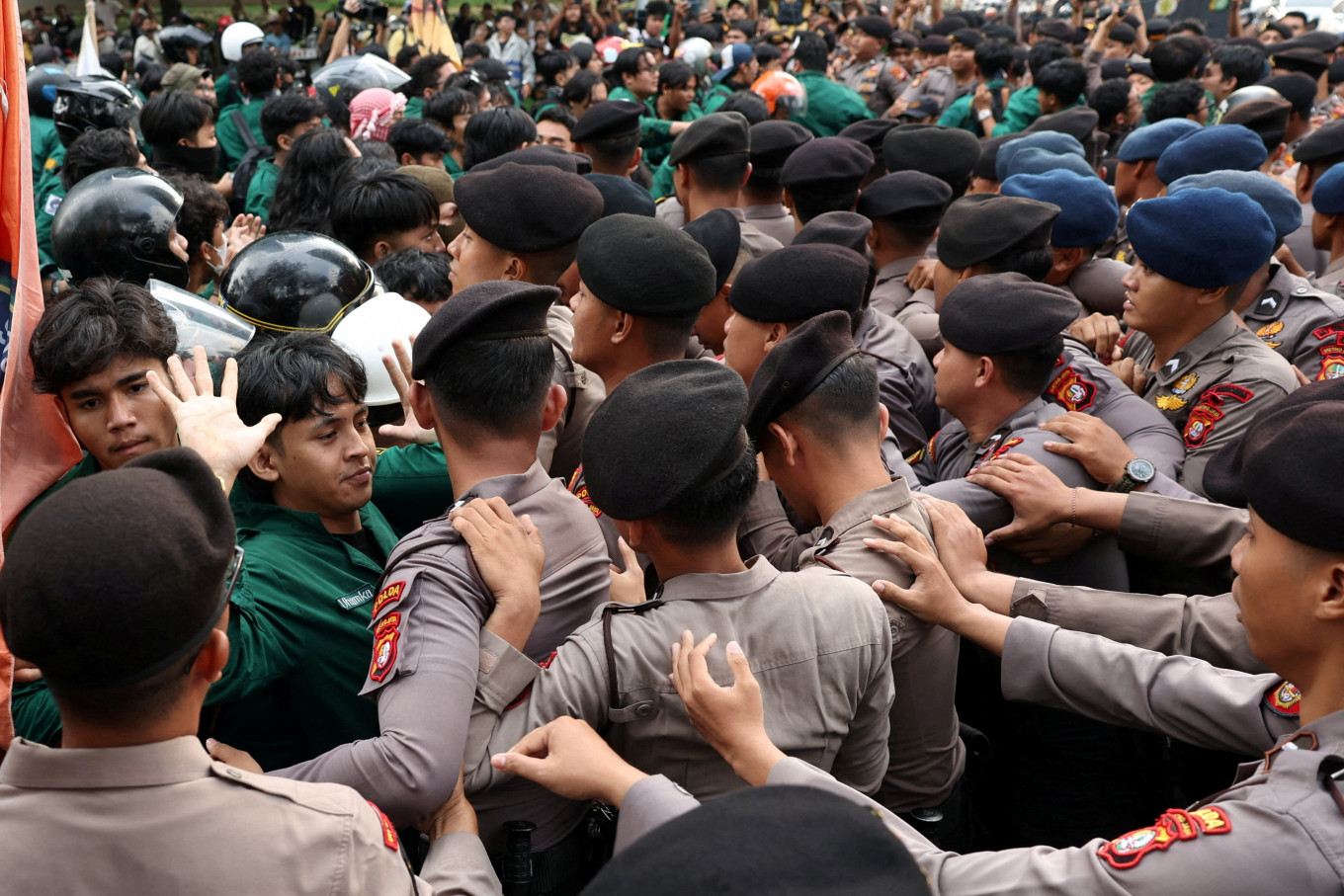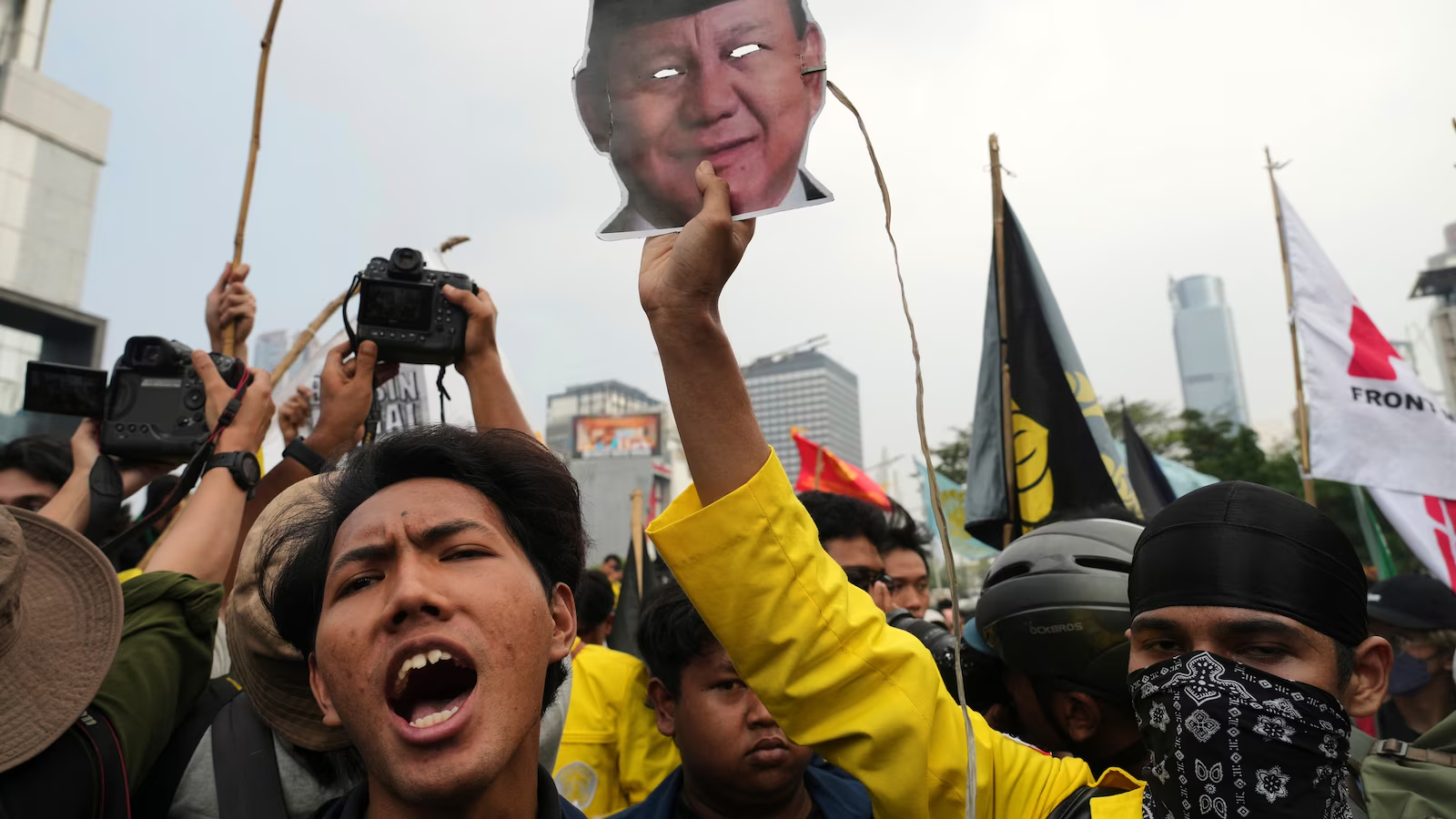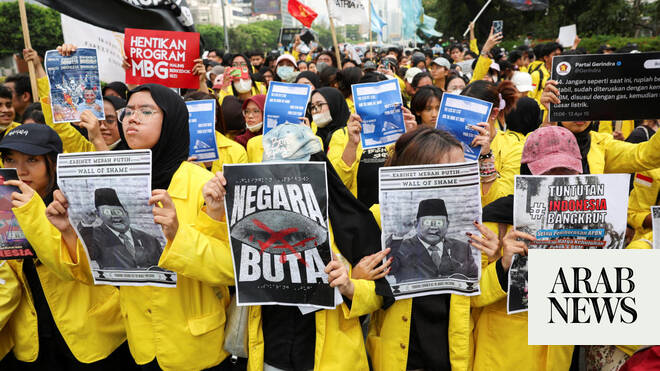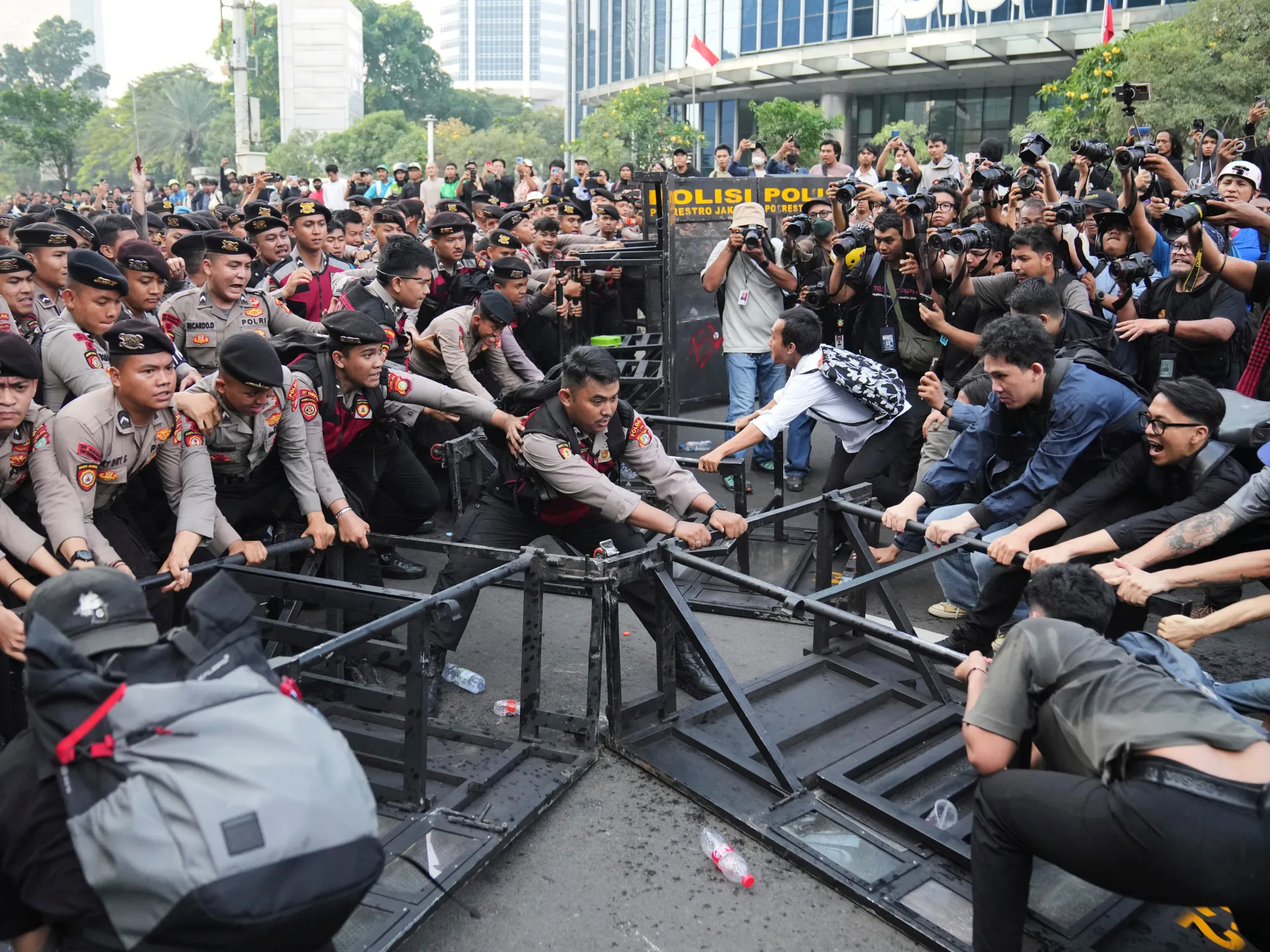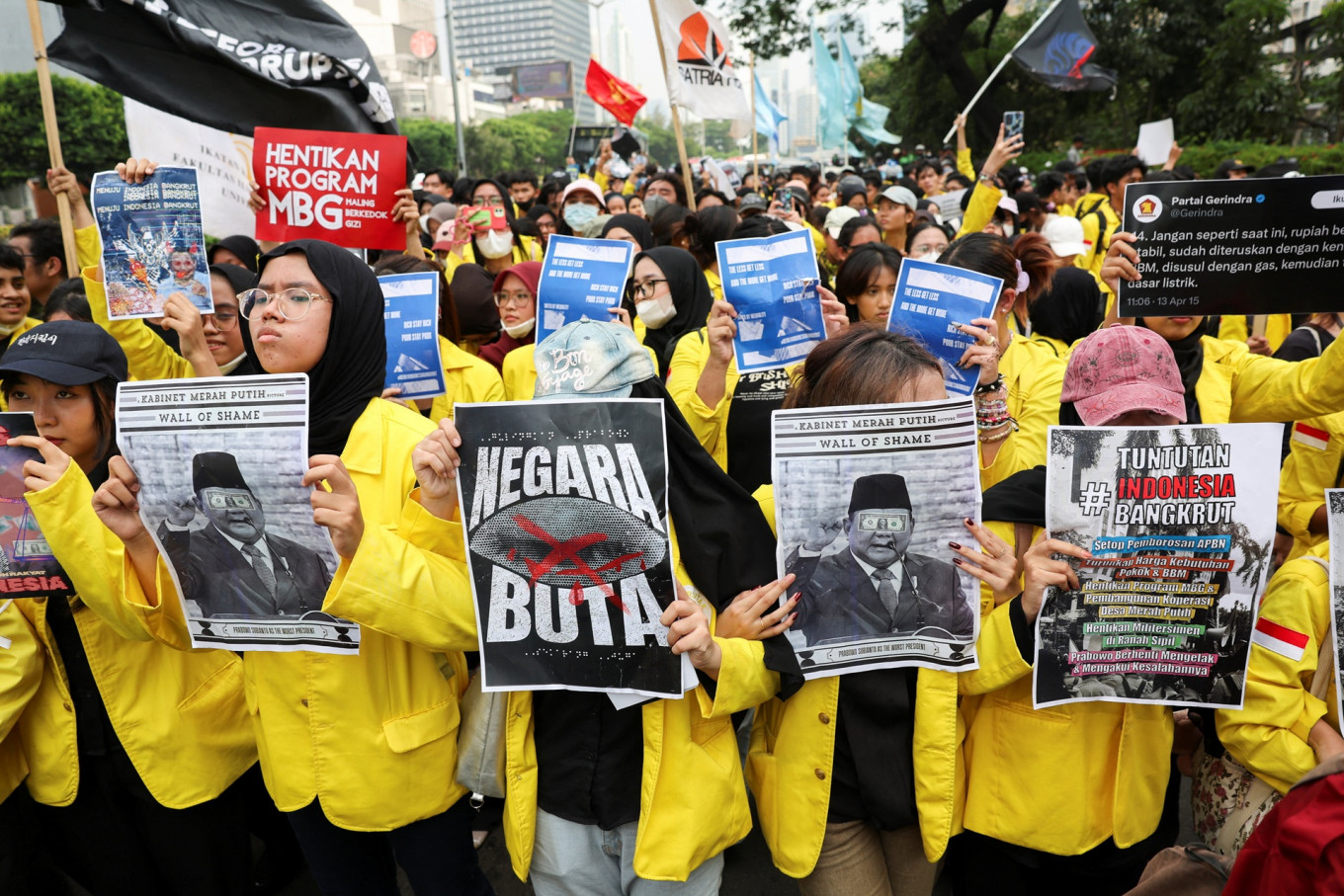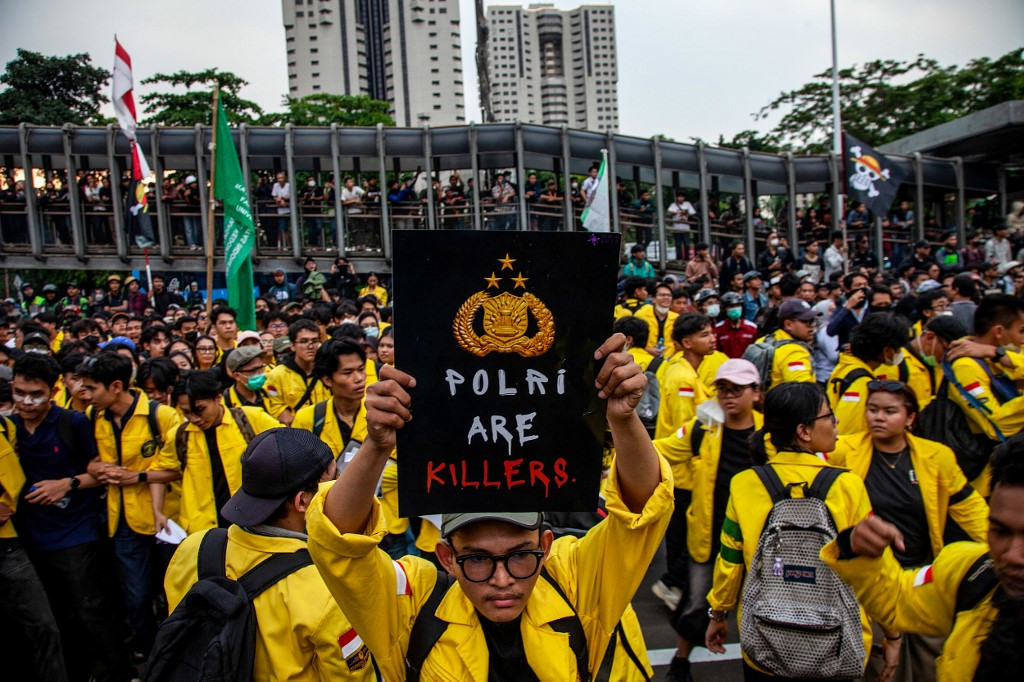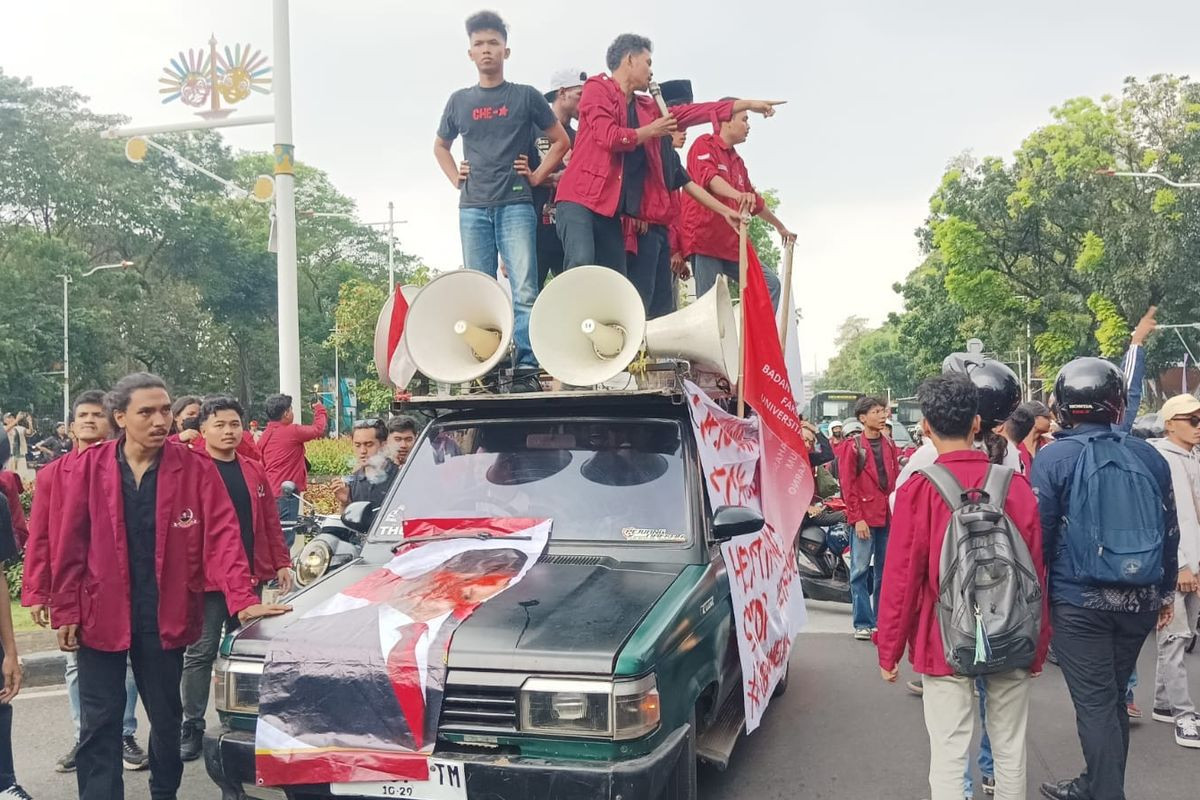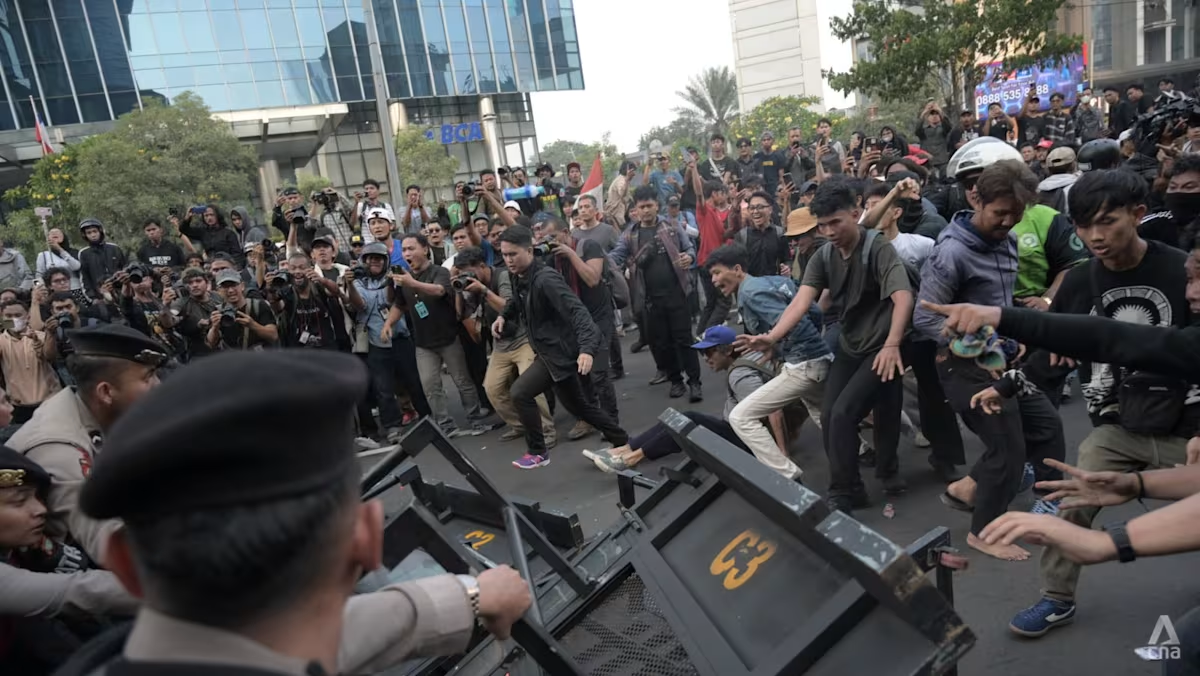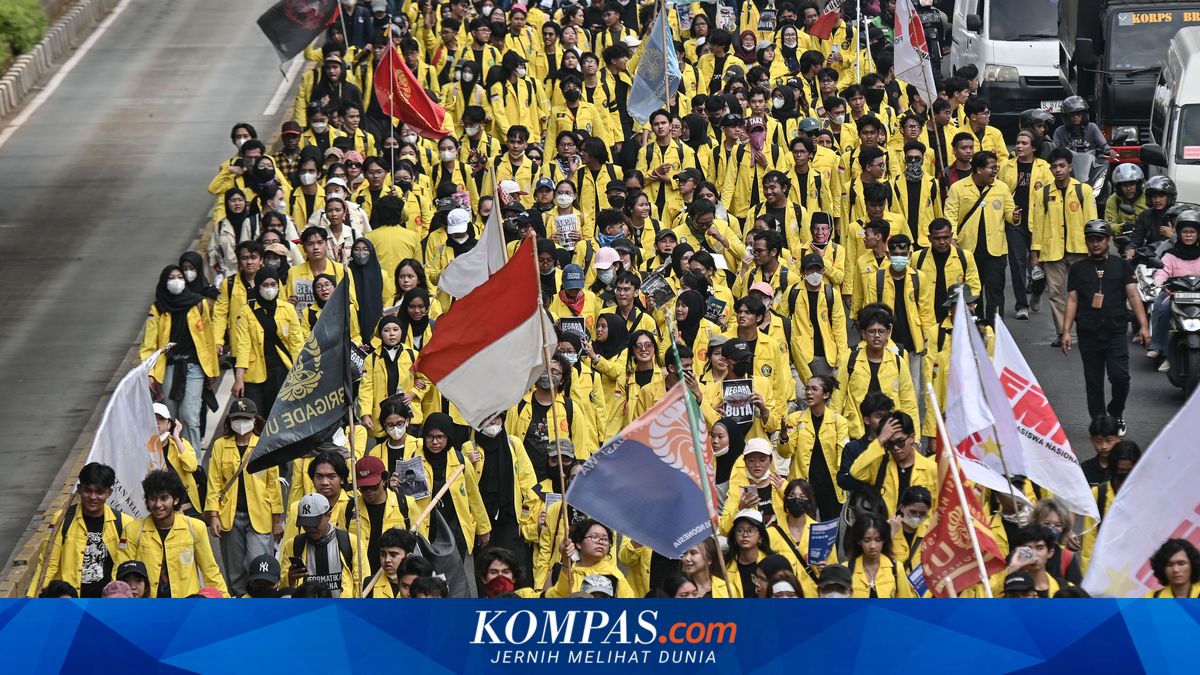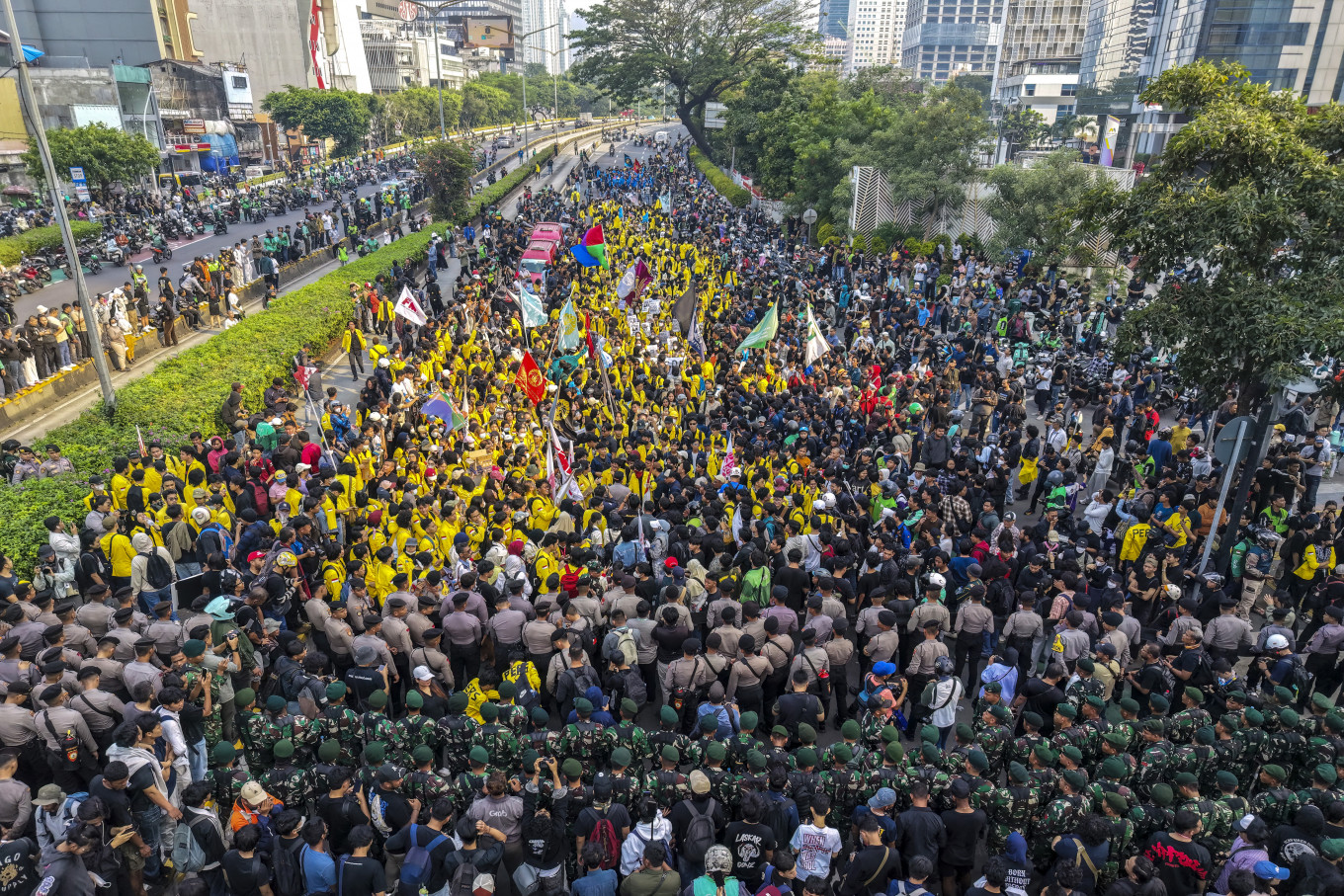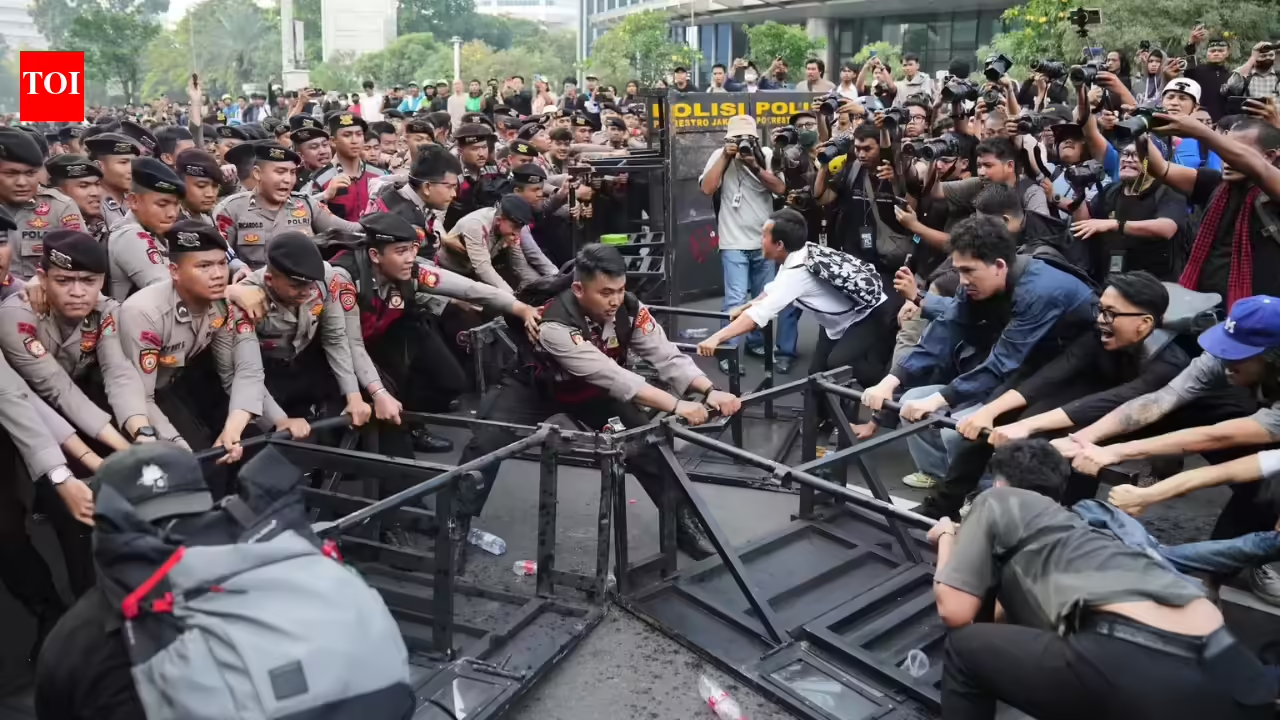
Photo credit: APIndonesia is witnessing its biggest wave of student unrest in months, with thousands of university students taking to the streets of Jakarta and other cities to protest against President Prabowo Subianto's economic policies. Around 1,500 students attempted to march towards Jakarta’s iconic Hotel Indonesia traffic circle on Friday, while similar rallies were reported in Bandung and Pontianak. Authorities deployed more than 6,000 police officers and soldiers, blocking key roads and preventing many protesters from reaching central gathering points.Photo credit: APThe immediate trigger was the government's decision to increase fuel prices after months of shielding consumers from rising global oil costs linked to the conflict involving Iran and the United States. Students argue that higher fuel costs are already feeding into the prices of food and other essentials at a time when many Indonesians are struggling with economic pressures. The rupiah has also come under strain, touching historic lows against the US dollar earlier this month.Also read: How 2025 became the year of political awakening for Gen ZOrganisers framed the protest as a response not only to rising prices but also to what they see as misguided government priorities. Carrying banners demanding the cancellation of the fuel price hike, students outlined five key demands. These include lower fuel and staple food prices, cuts to what they describe as wasteful state spending, and the suspension of major government initiatives such as Prabowo’s flagship free-meals programme and his rural cooperatives scheme.Photo credit: APThe free-meals initiative, which is expected to cost about 268 trillion rupiah (roughly $15 billion) this year and aims to reach millions of children and pregnant women, has become a particular focus of criticism. Opponents argue that the programme places additional pressure on state finances and has been dogged by concerns over governance and oversight.Students are also voicing concern about what they view as the growing involvement of the military in civilian affairs. Activists fear the trend could undermine Indonesia’s democratic institutions and revive memories of the authoritarian era under former president Suharto.“The government is in denial about the current situation,” said student leader Yatalathof Ma'shum Imawan. “We urge Prabowo to have the courage to acknowledge his mistake and stop denying it.”The demonstrations come amid a broader global trend of youth-led activism. From Nepal and Turkey to parts of Africa and Latin America, Gen Z movements have increasingly shifted from online campaigns to street protests, driven by concerns over economic hardship, governance and political accountability.
Another Gen Z revolution brewing? Why Indonesian students are protesting
Indonesia is witnessing its biggest wave of student unrest in months, with thousands of university students taking to the streets of Jakarta and other cities to protest against President Prabowo Subianto's economic policies.
TL;DRAI
Indonesian students protested Prabowo's fuel hike and economic policies; 6,000 security forces blocked marchers attempting to reach central Jakarta. Rupiah weakness and political instability in this Southeast Asia tech hub threaten hiring, outsourcing costs, and regional operations.
406 words~2 min read