Academia
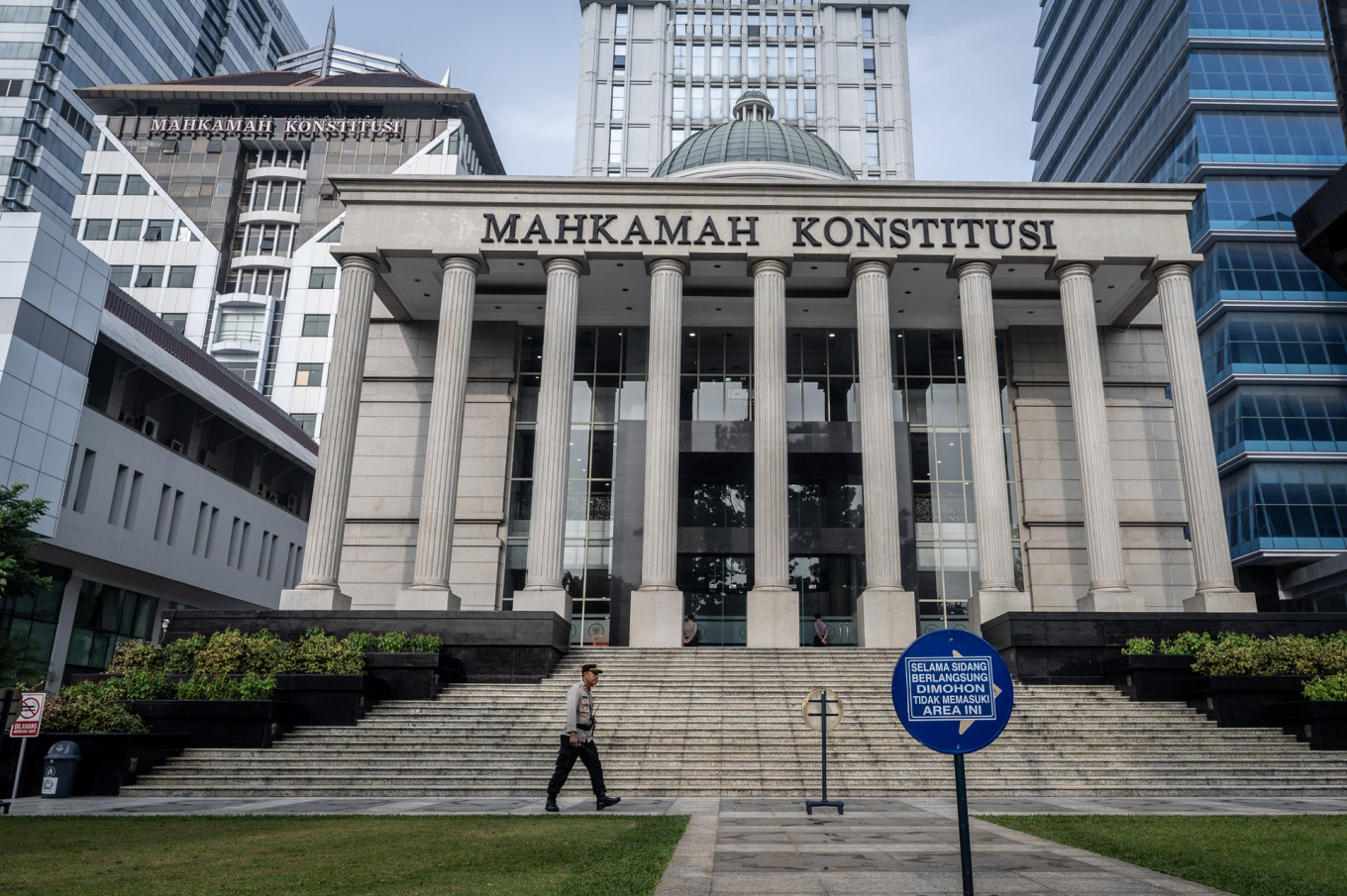
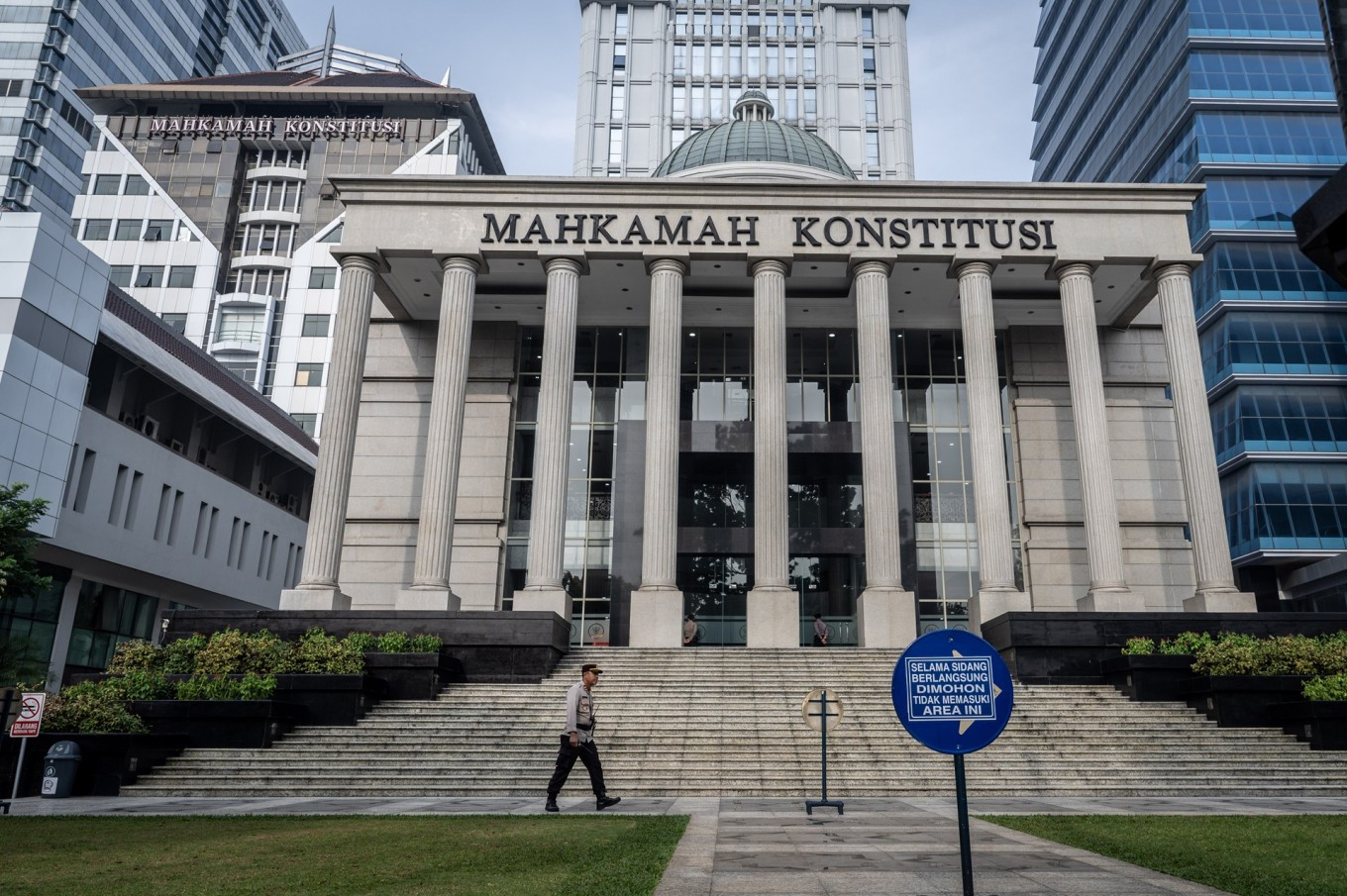
A police officer patrols the grounds of the Constitutional Court in Central Jakarta on Feb. 4, 2025. (Antara/Bayu Pratama S.)
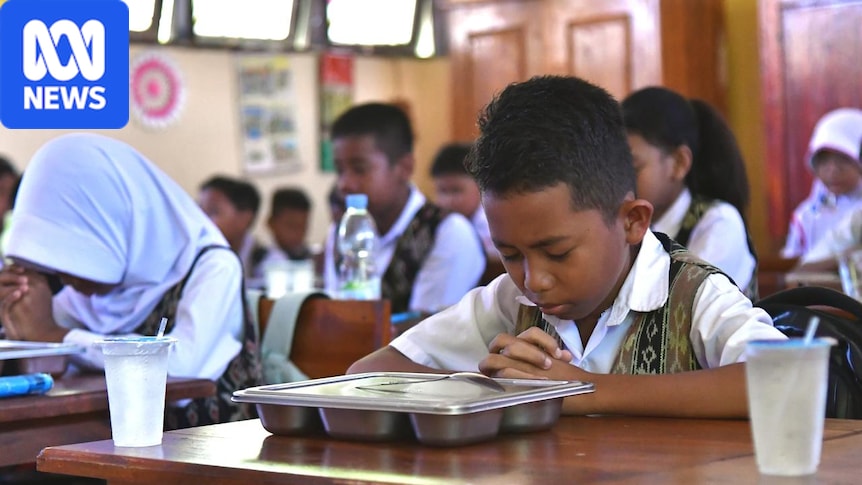
The Constitutional Court just handed down a much-needed reality check on the country's public finances. By striking the free nutritious meal program out of the national education budget, the court drew a clear line in the sand: money set aside for education needs to go toward education. Now, the government has to figure out a transparent, long-term way to fund its flagship free meals program without taking a bite out of other vital national priorities.On July 30, the panel of justices ruled that while the free meals program itself remains constitutional as a top strategic priority, funding it through the state budget's (APBN) education allocation is a no-go. The government has until fiscal year 2028 to untangle the program’s funding from the education pool, giving policymakers a grace period to rework the math without pulling the plug on meal deliveries.
At the heart of the dispute is Article 49 of the 2003 National Education System Law, which mandates that at least 20 percent of the state budget, not including teachers' salaries and routine administrative costs, must go directly to education. In the 2026 budget, that 20 percent slice amounted to Rp 769.1 trillion (US$47 billion). But roughly a third of it, Rp 268 trillion, was being siphoned off to feed the free meals initiative. Critics rightly argued that piggybacking a massive food program onto the education quota stretched constitutional protections far beyond their intent.