Editorial
Separating the free meals program from the education budget is an important first step. However, the bigger test now is whether the government will genuinely commit to using the constitutionally mandated 20 percent education allocation to address the country’s perennial education challenges.
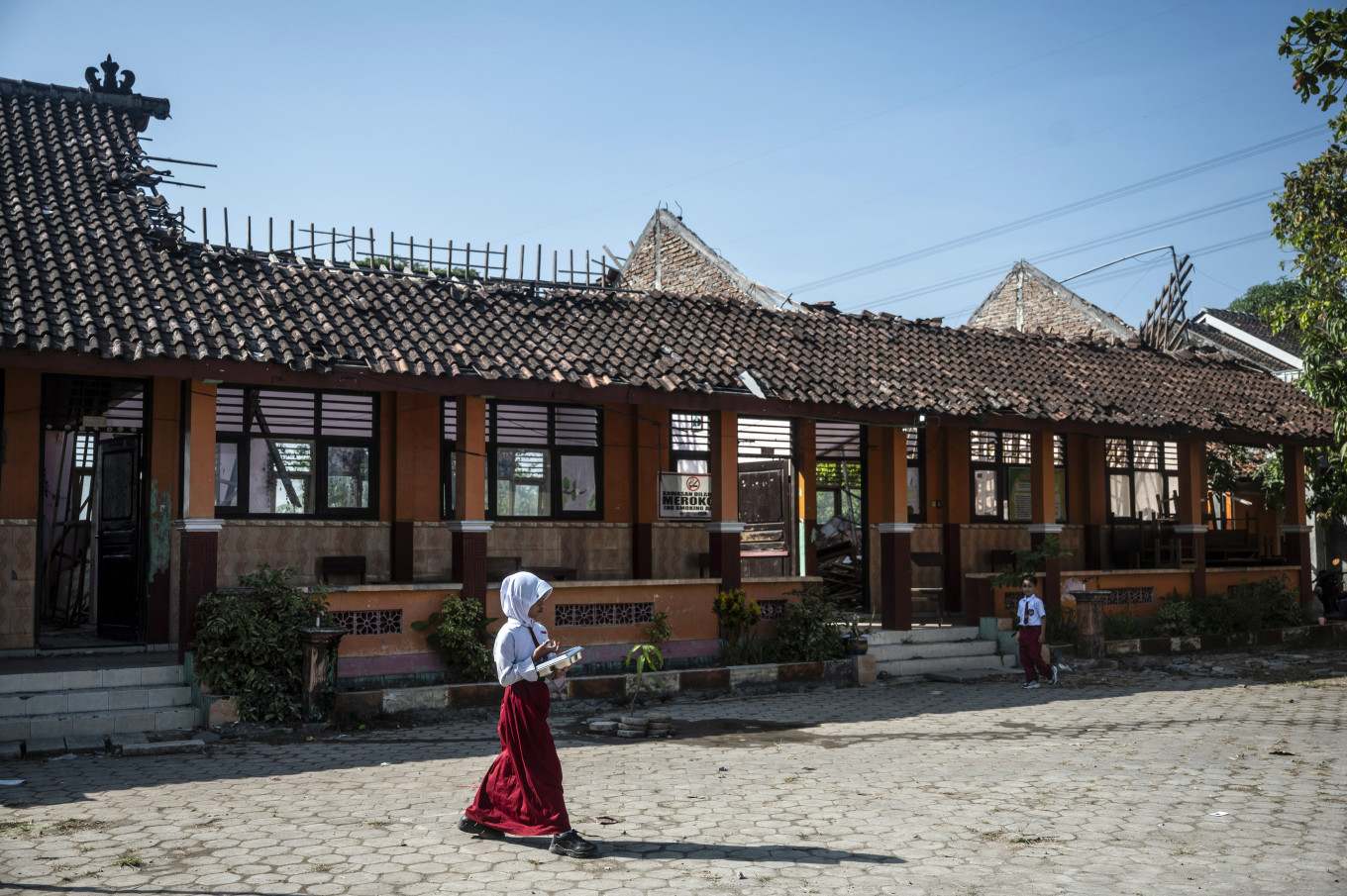
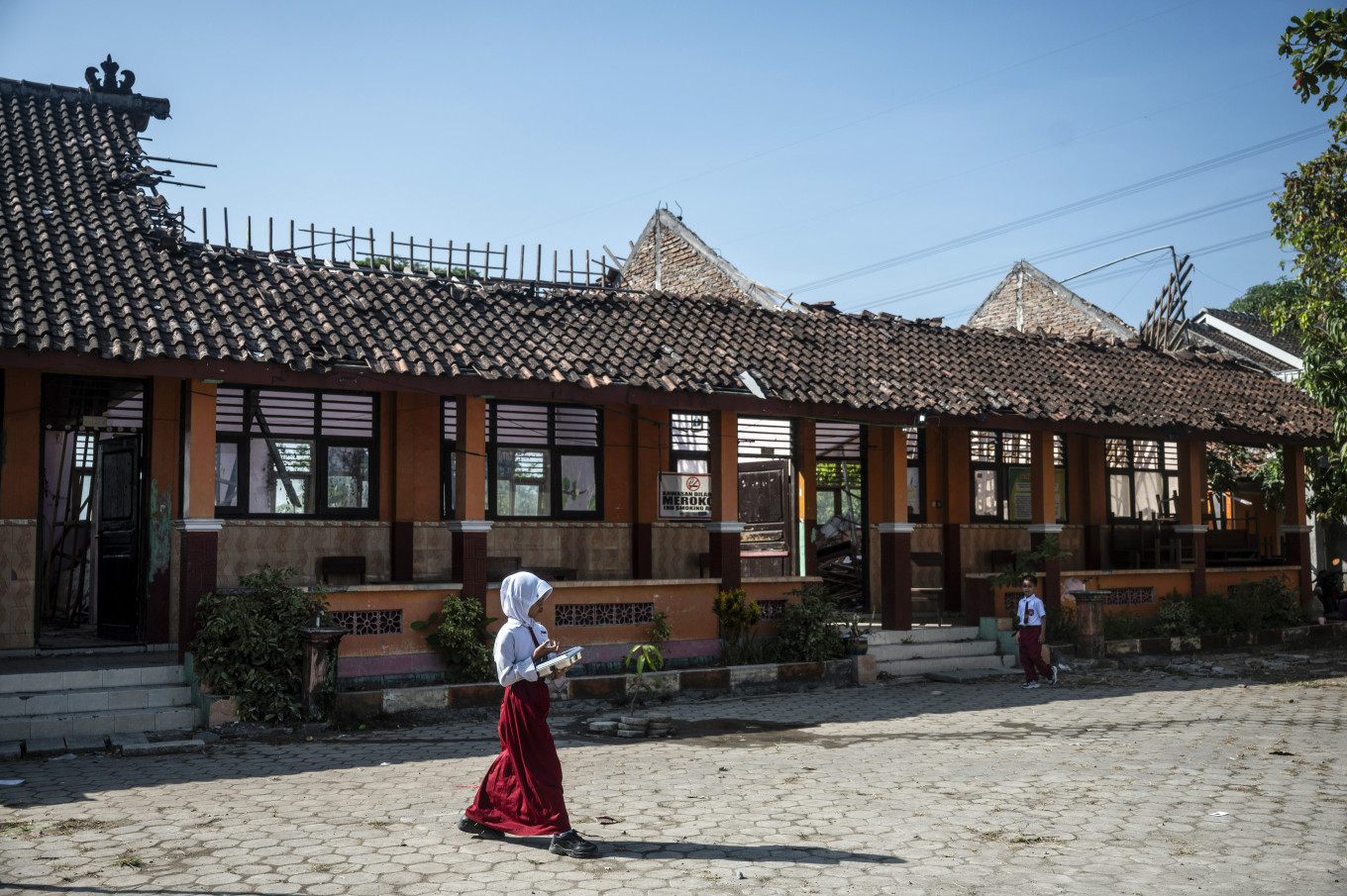
Pupils carry free nutritious meal packages past a classroom with a collapsed roof at SD Tanggirejo state elementary school in Tegowanu, Grobogan, Central Java, on July 21, 2026. According to the school, the classroom roof first collapsed in January and sustained further damage in April, forcing classes to rotate between the remaining usable classrooms, partitioned learning spaces and a mosque converted into a temporary classroom to ensure students' safety. (Antara/Aprillio Akbar)
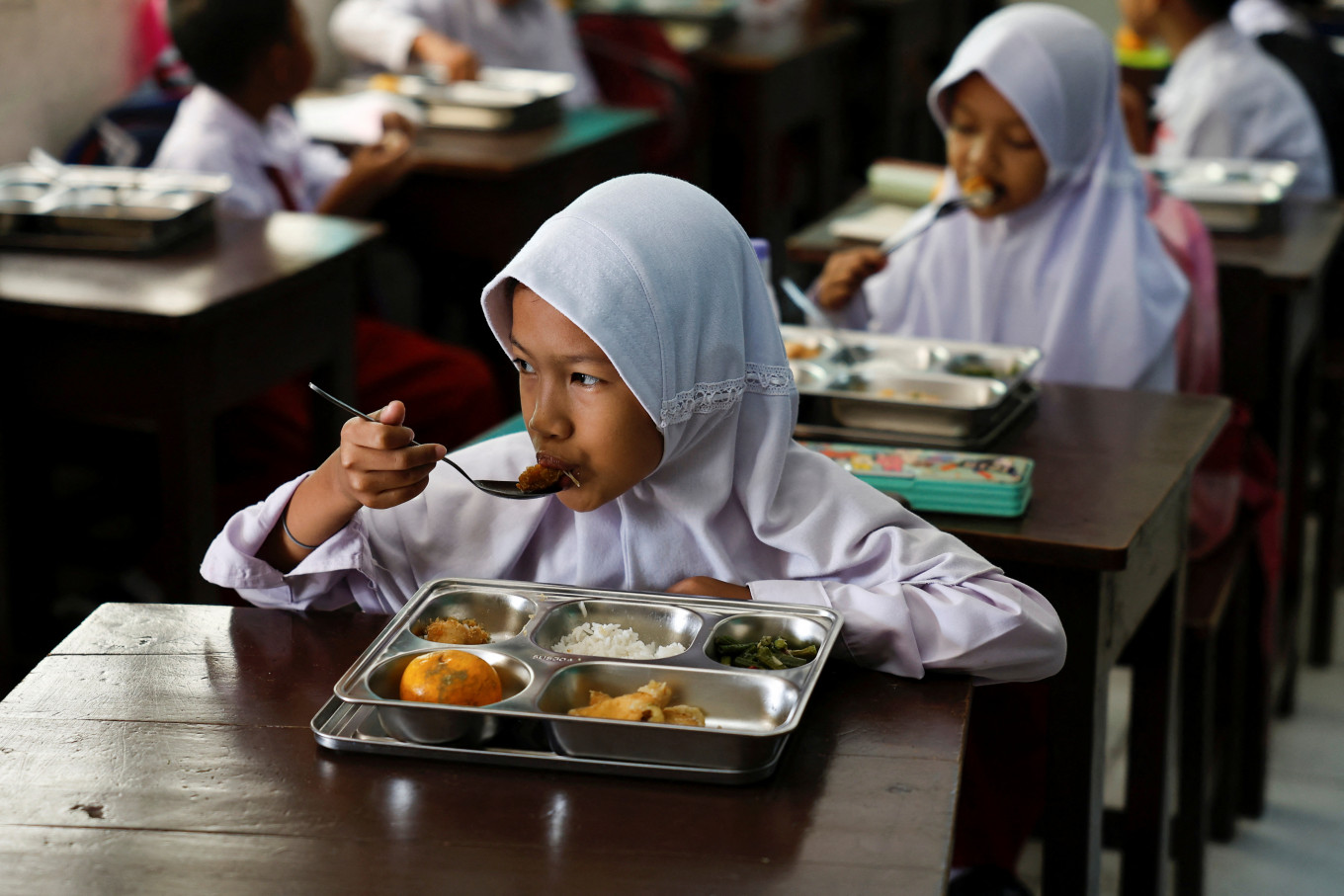
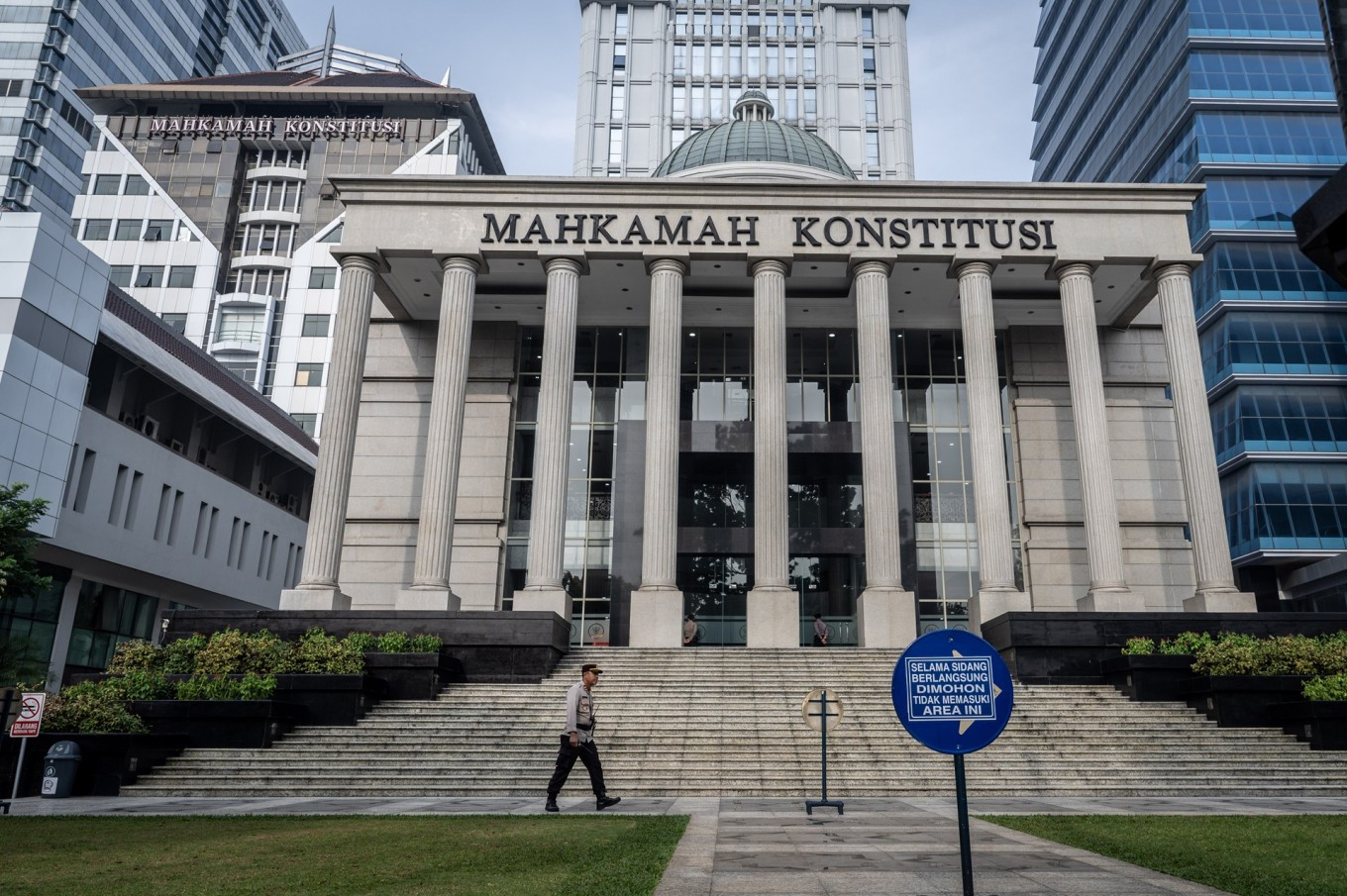
The Constitutional Court’s decision to exclude President Prabowo Subianto’s flagship free nutritious meal program from the state budget’s education allocation should be applauded.The government earmarked Rp 769 trillion (US$43.1 billion) for education in the 2026 fiscal year, with President Prabowo describing it as the biggest education allocation in the country’s history.
On paper, that sounds like an extraordinary commitment. But some Rp 223.5 trillion of the allocation, almost 30 percent, was earmarked for the rollout of the free meals program.