India's welfare politics is not collapsing - but its electoral magic may be fading.
Over the past decade, cash transfers, subsidised services and women-focused schemes have become the default grammar of state politics in India, with welfare increasingly used to soften the effects of a growth model that has struggled to generate enough jobs.
Across party lines, governments now promise a familiar basket of benefits: pensions, direct cash transfers, scholarships, free or subsidised electricity, cheap foodgrain, self-help group support for women and allowances for unemployed youth.
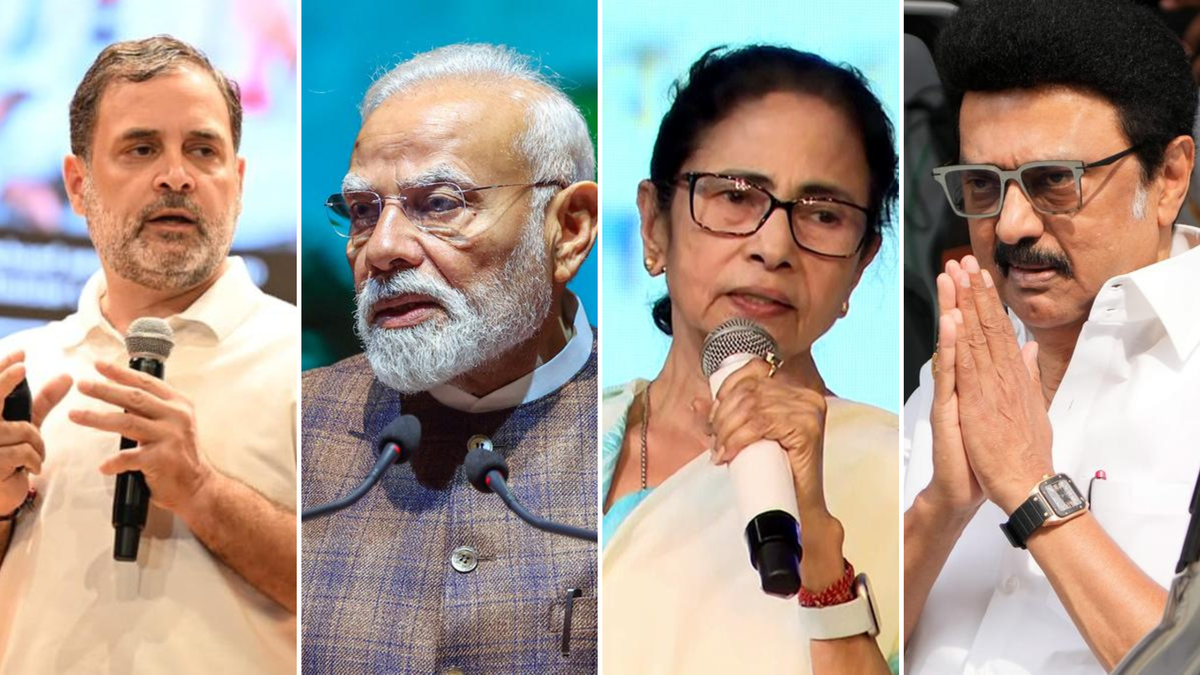
What began as a competitive advantage for a few regional parties has hardened into a bipartisan consensus: from the Dravida Munnetra Kazhagam (DMK) in Tamil Nadu to the Trinamool Congress (TMC) in West Bengal and the Bharatiya Janata Party (BJP) in Assam, parties now compete less over whether to offer welfare than over how much.
But recent state elections suggest that extensive welfare delivery alone is no longer enough to secure incumbency.