Academia
To unlock its economic potential on the road to 2045, Indonesia must move beyond simply chasing finance to closing its core development capital formation gap. Building an accountable, state-led architecture, not just a larger bureaucracy, is the true master key to turning strategic priorities into productive national wealth.
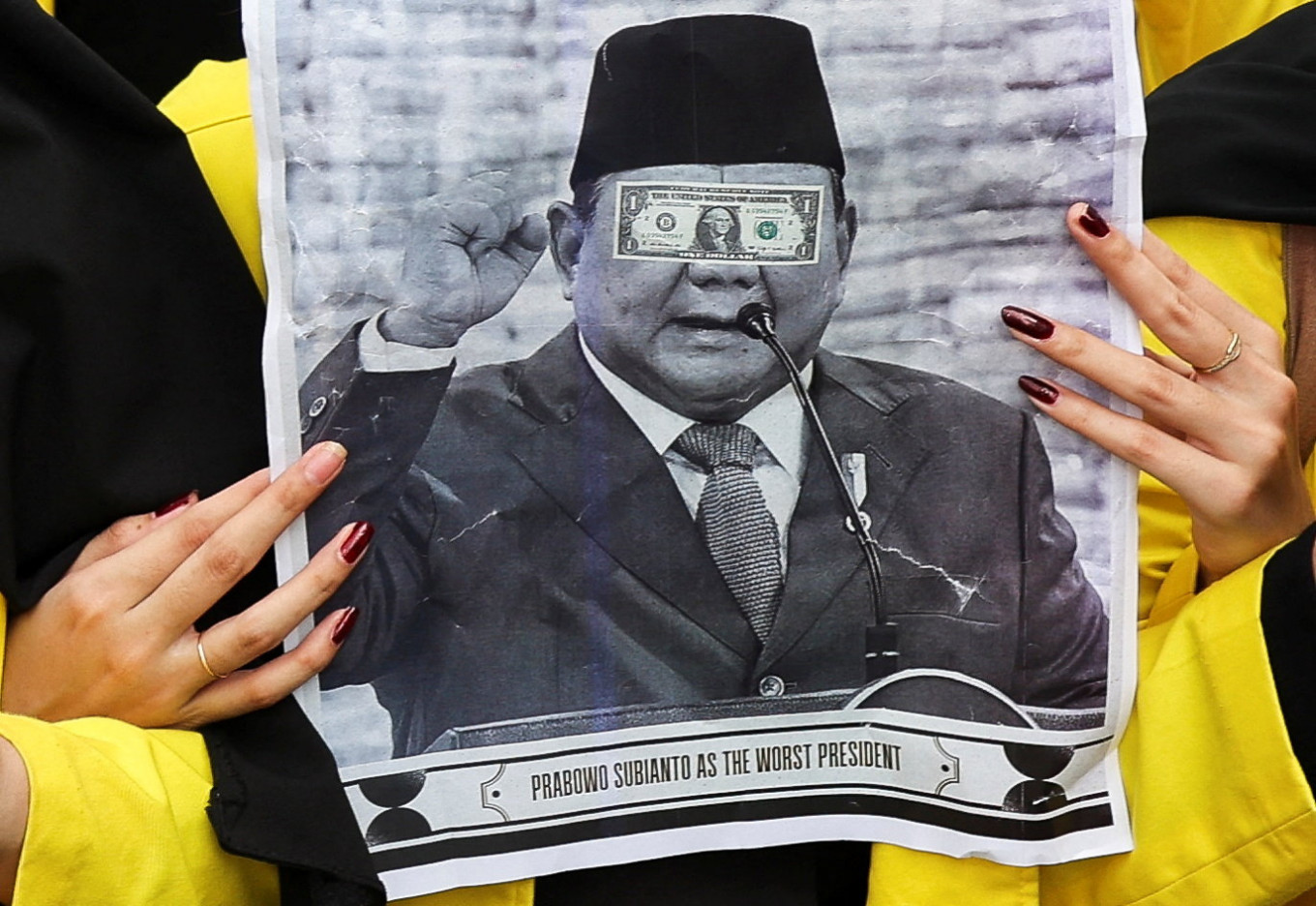
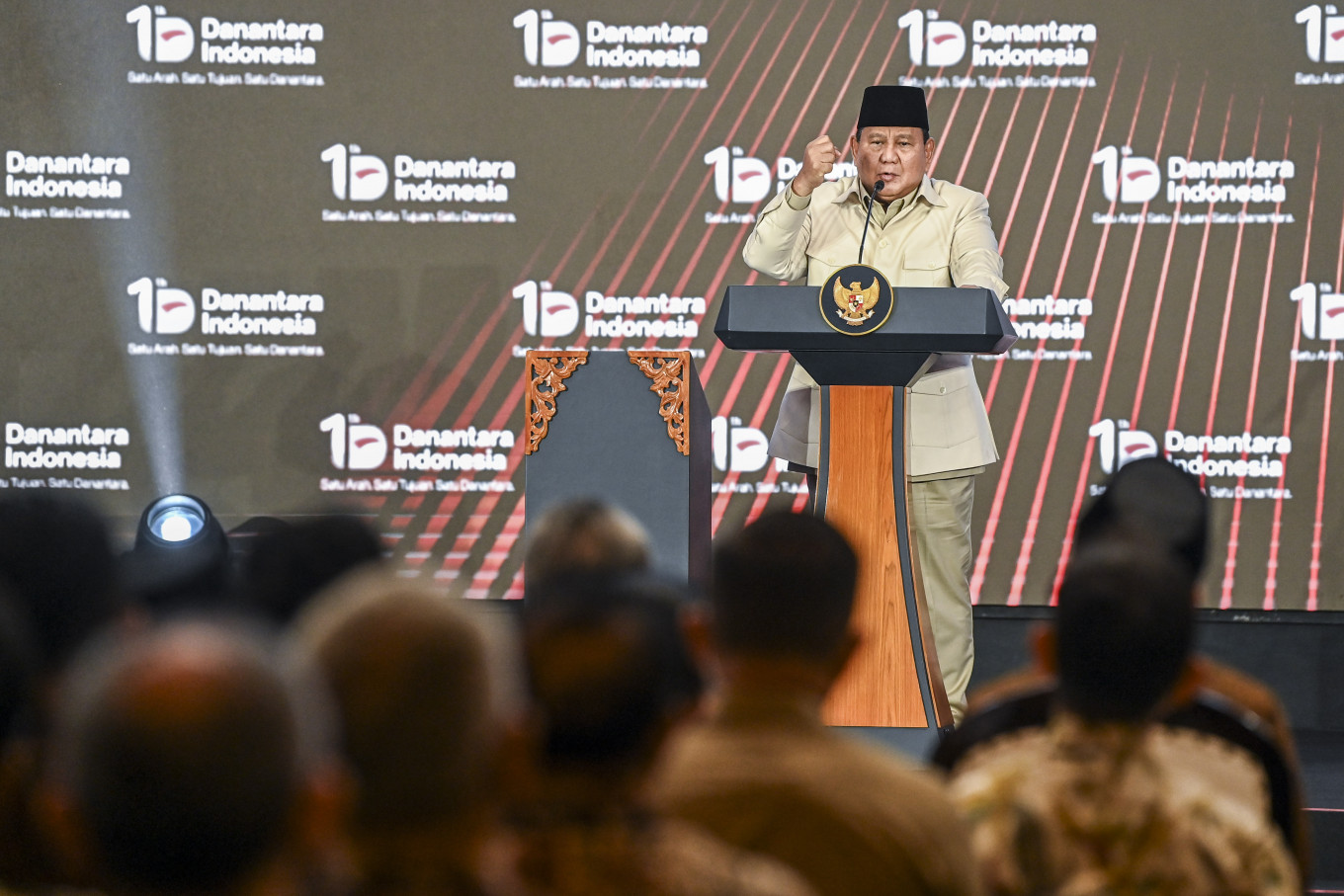
President Prabowo Subianto delivers his remarks during the first anniversary celebration of state asset fund Danantara at Wisma Danantara in Jakarta, on March 11, 2026. (Antara/Galih Pradipta)
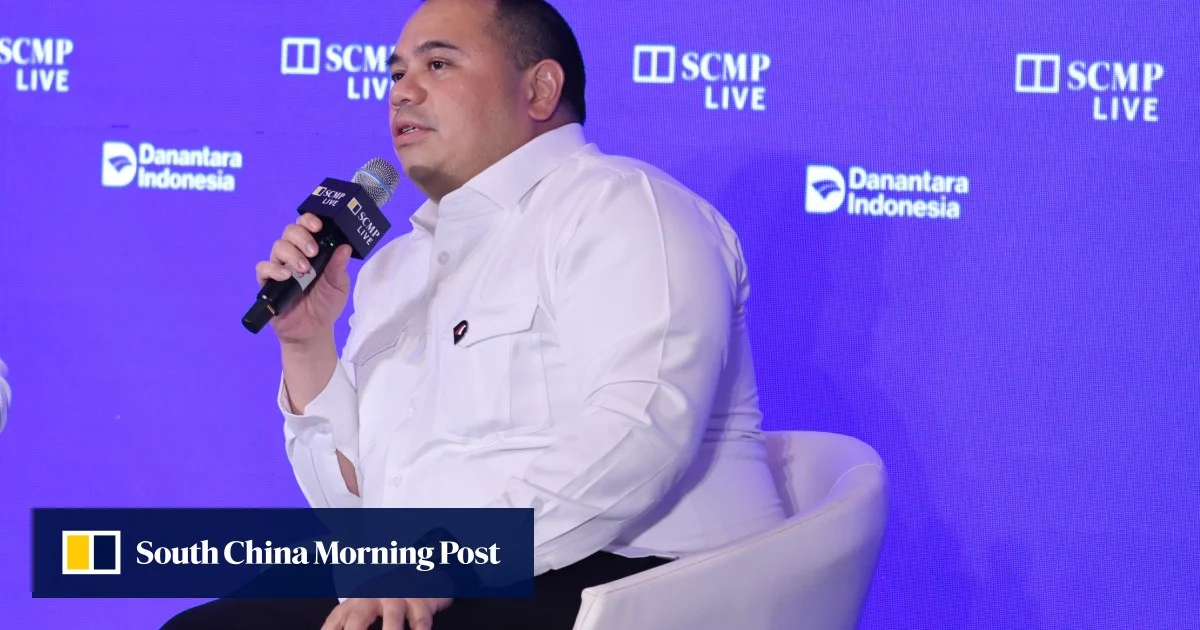
Indonesia is frequently said to face an infrastructure financing gap. The standard prescriptions are familiar: boost public spending, deepen capital markets, expand public-private partnerships (PPPs), court foreign investors and deploy state asset fund Danantara to mobilize long-term capital. Each approach has merit, but all share a fundamental flaw, they assume that finance is the primary constraint.That diagnosis is incomplete. Indonesia today boasts larger public budgets, extensive state-owned assets, an established PPP framework, a growing domestic financial system and a sovereign investment entity whose official mandate is to optimize government investments and state-owned enterprise assets for industrialization and sustainable growth. Indeed, Danantara positions itself as an institution that coordinates operational and investment holdings, measuring success not merely through financial returns, but through job creation, economic expansion and public benefit (About Danantara Indonesia, 2026).