Academia
President Prabowo’s visionary fiscal address signals a bold shift toward a state-driven, developmental state model aimed at unleashing Indonesia’s economic potential—but its ultimate success hinges entirely on dismantling the entrenched governance and bureaucratic failures of the past.
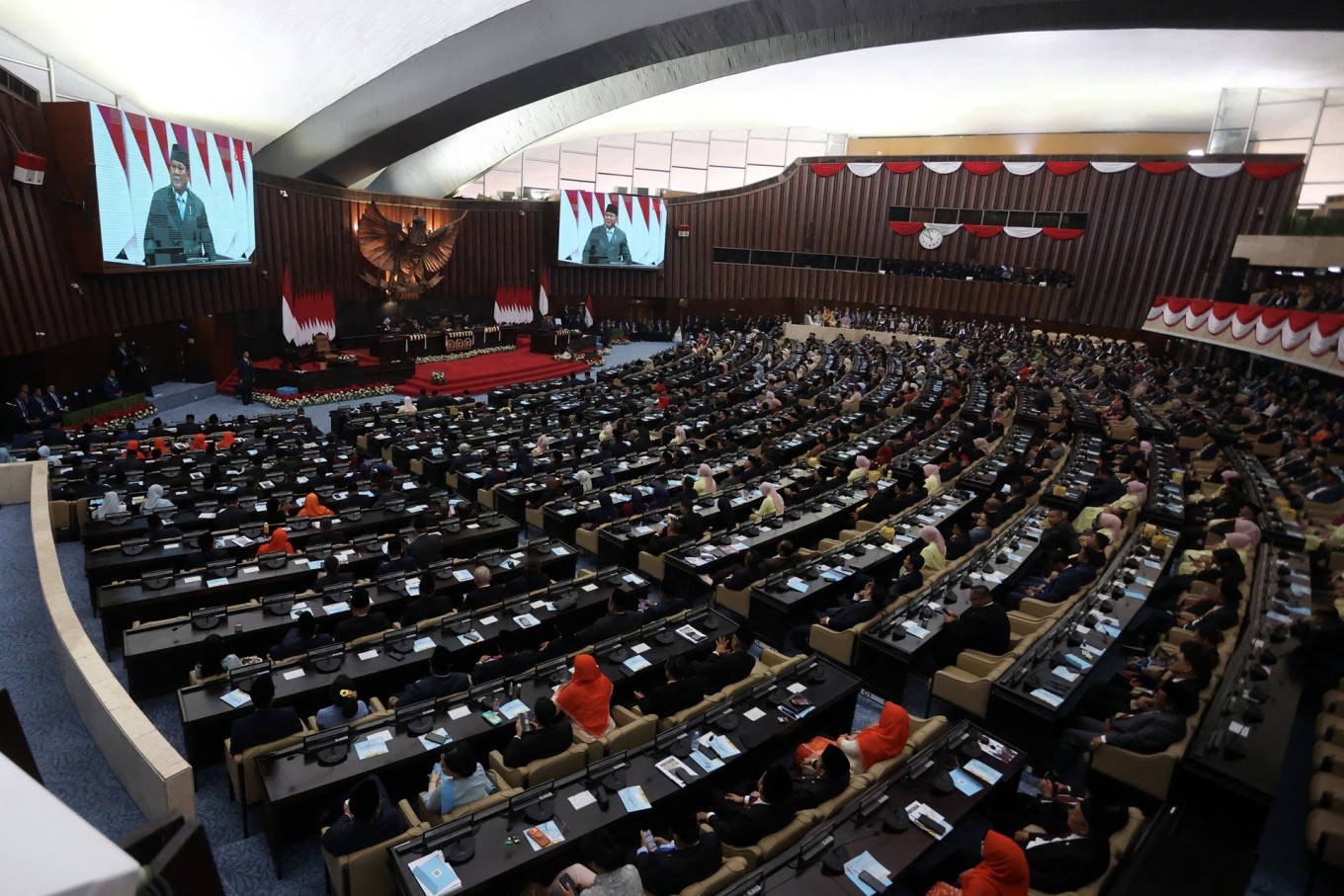
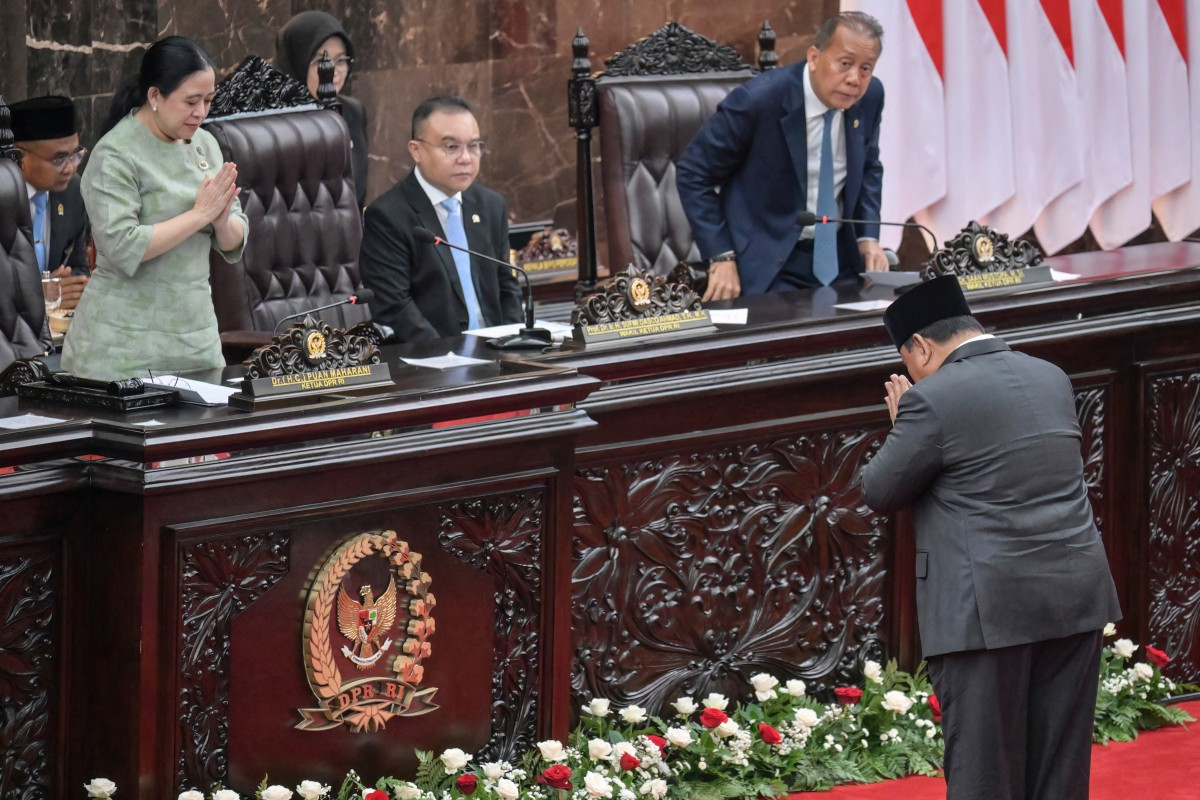
President Prabowo Subianto (right) greets House of Representatives Speaker Puan Maharani (left) before delivering a speech on the macroeconomic framework to lawmakers on May 20 at the Senayan legislative complex in Central Jakarta. (AFP/Bay Ismoyo)
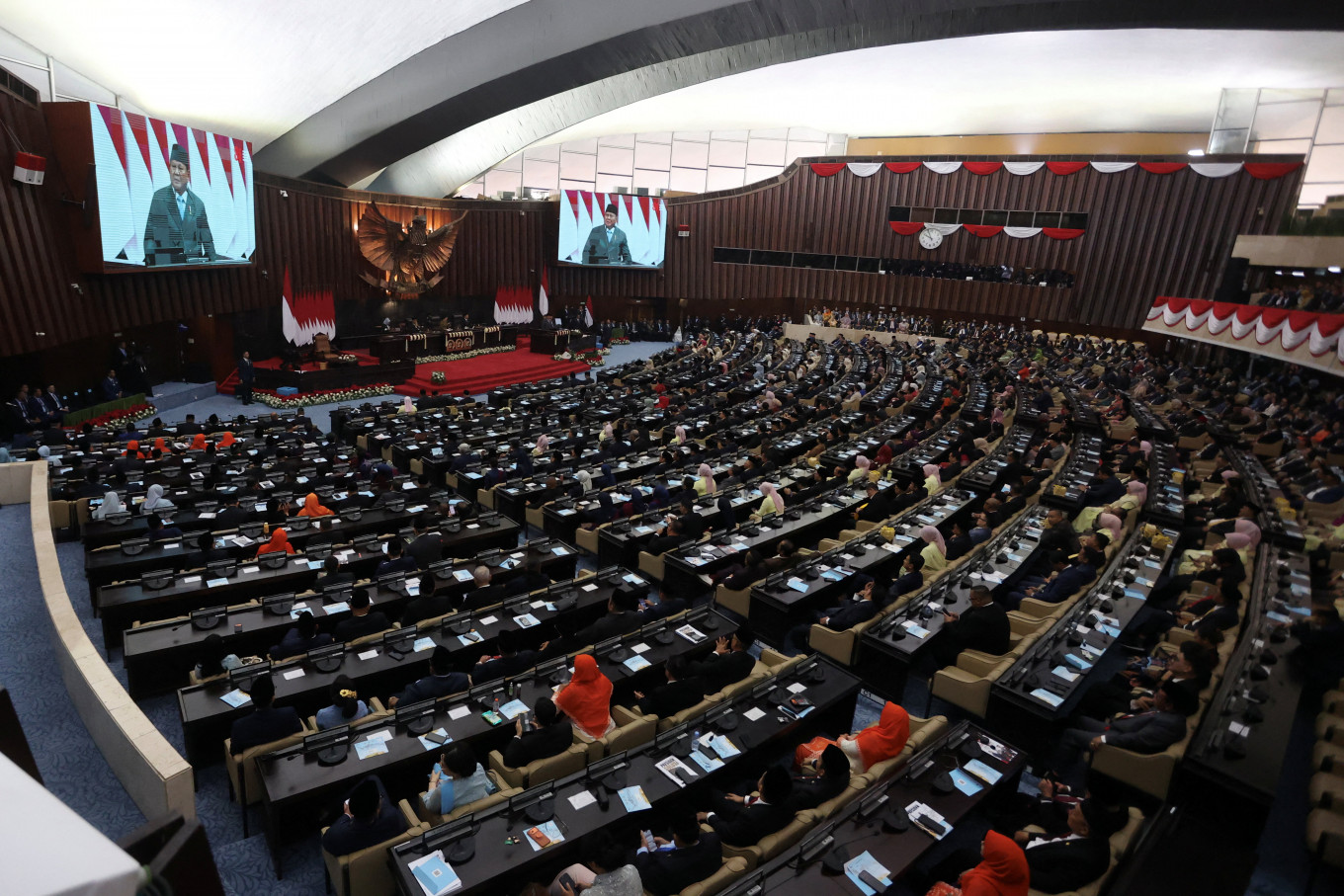
President Prabowo Subianto’s speech on the 2027 Macroeconomic Framework and Fiscal Policy Principles before the House of Representatives reflected not only strong optimism about Indonesia’s economic future, but also the government’s confidence in a more assertive, self-assured national development strategy. Unlike the typically technocratic and administrative tone of annual fiscal addresses, this speech carried a visionary character, emphasizing industrialization, state-led development and national economic self-reliance.One of the speech’s clearest messages was Prabowo’s determination to ensure Indonesia no longer serves merely as a market for other nations. His emphasis on downstream industrialization, control over natural resources and the development of domestic industries demonstrated policy continuity in pursuing long-term economic transformation. Amid an increasingly competitive and protectionist global environment, this direction has become highly relevant for developing countries seeking to climb the industrial value chain.