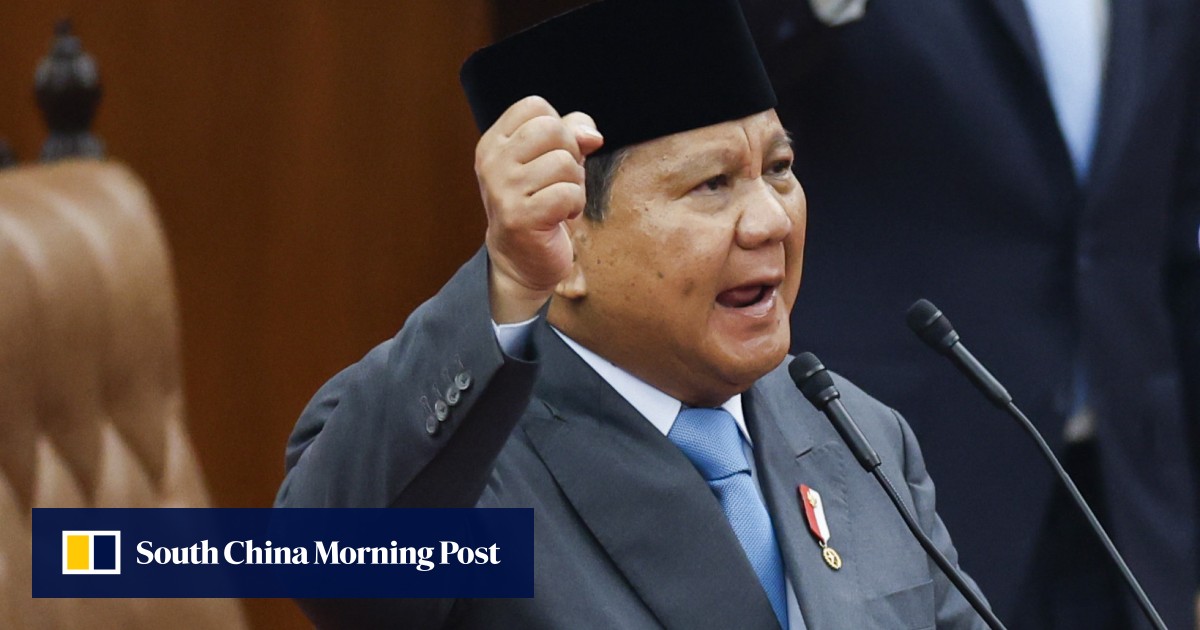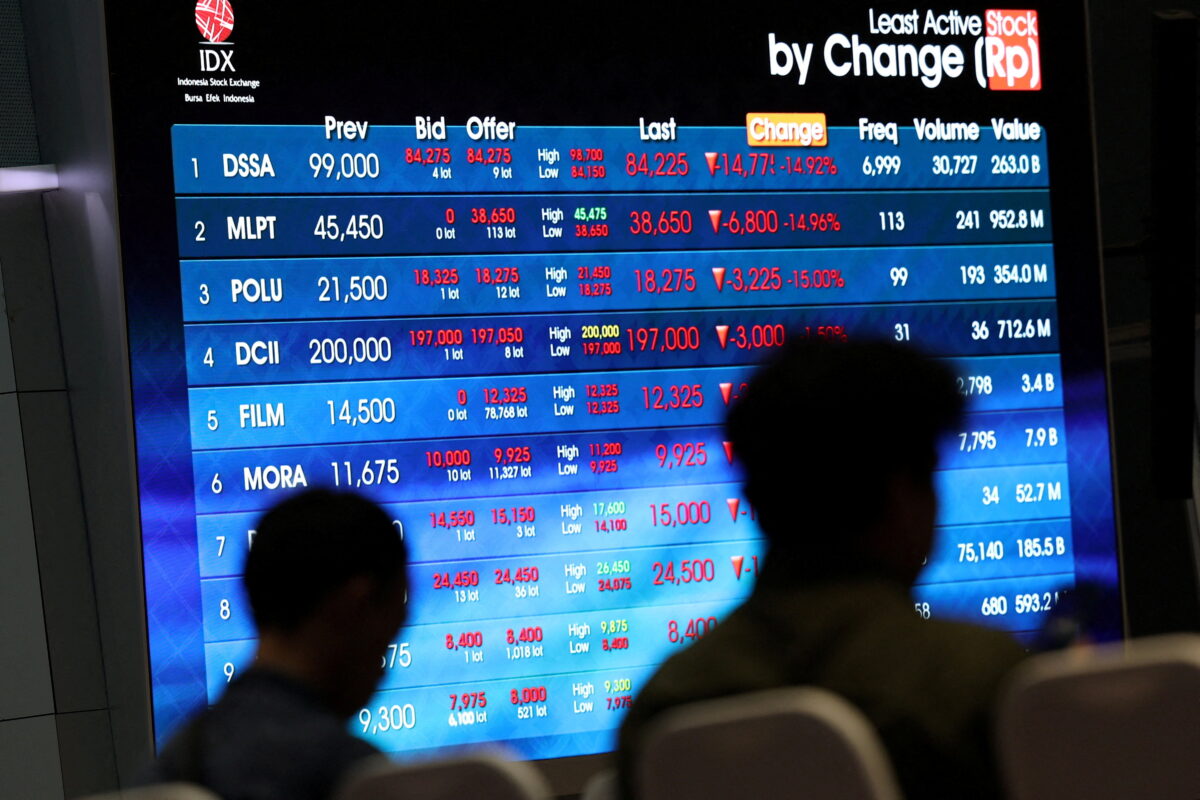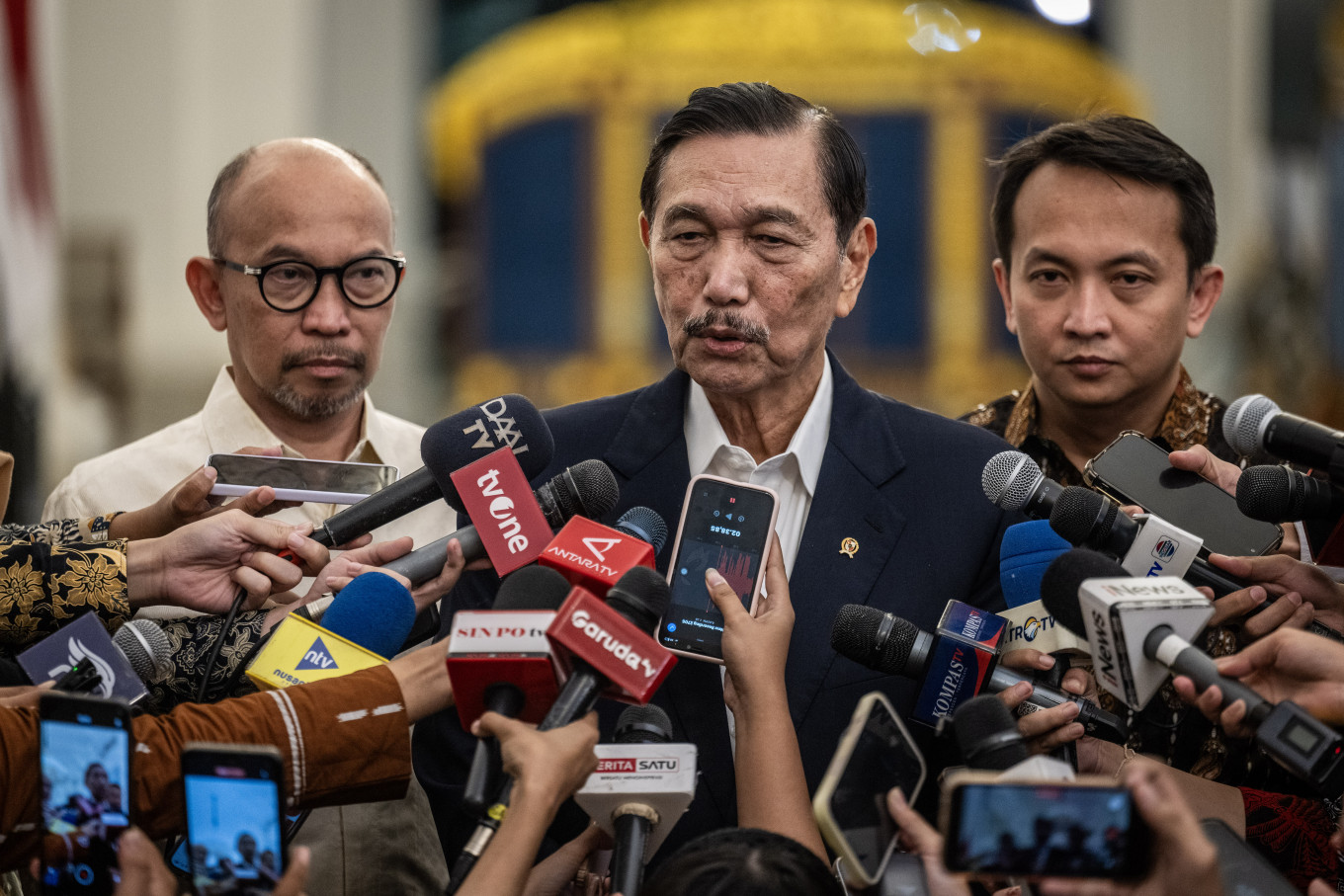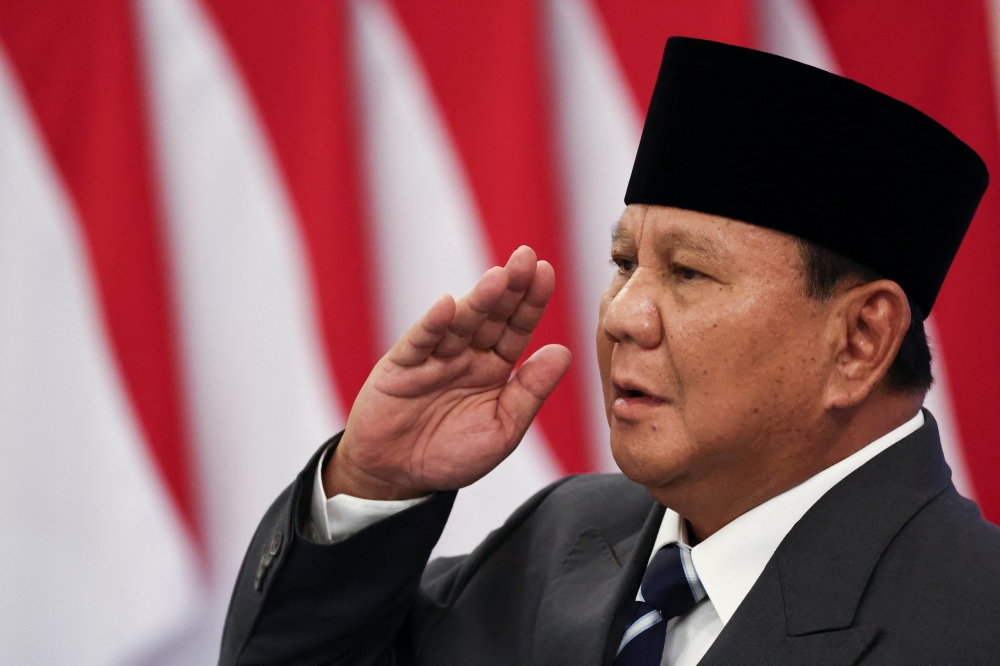
Prabowo Subianto’s presidency is shaping up as a test of Sadli’s law, an old adage of Indonesian political economy derived from economist Mohammad Sadli’s sardonic observation that ‘bad times may produce good economic policies and good times frequently the reverse’.
By the time Prabowo finally achieved his goal of becoming president in 2024, Indonesia was already at the end of a decade that had put Sadli’s law to the test. Under former presidents Susilo Bambang Yudhoyono and Joko Widodo, Indonesia’s ambitions to take a share of the growth of global value chains prompted efforts at liberalisation and deregulation in fits and starts. But efforts to entice foreign capital were all too frequently undercut by protectionist interventions, reflecting the exercise of vested interests as well as pockets of residual scepticism within the political and bureaucratic establishment about openness to imports and foreign ownership.
The arena where Indonesia took the most pronounced protectionist turn was in natural resources.
As Eve Warburton writes in this week’s lead article, under Yudhoyono and Widodo, Jakarta ‘compelled major foreign oil, gas and mining firms to divest, while also gradually enacting the bans on raw mineral exports that now underpin Indonesia’s “downstreaming” schemes’.