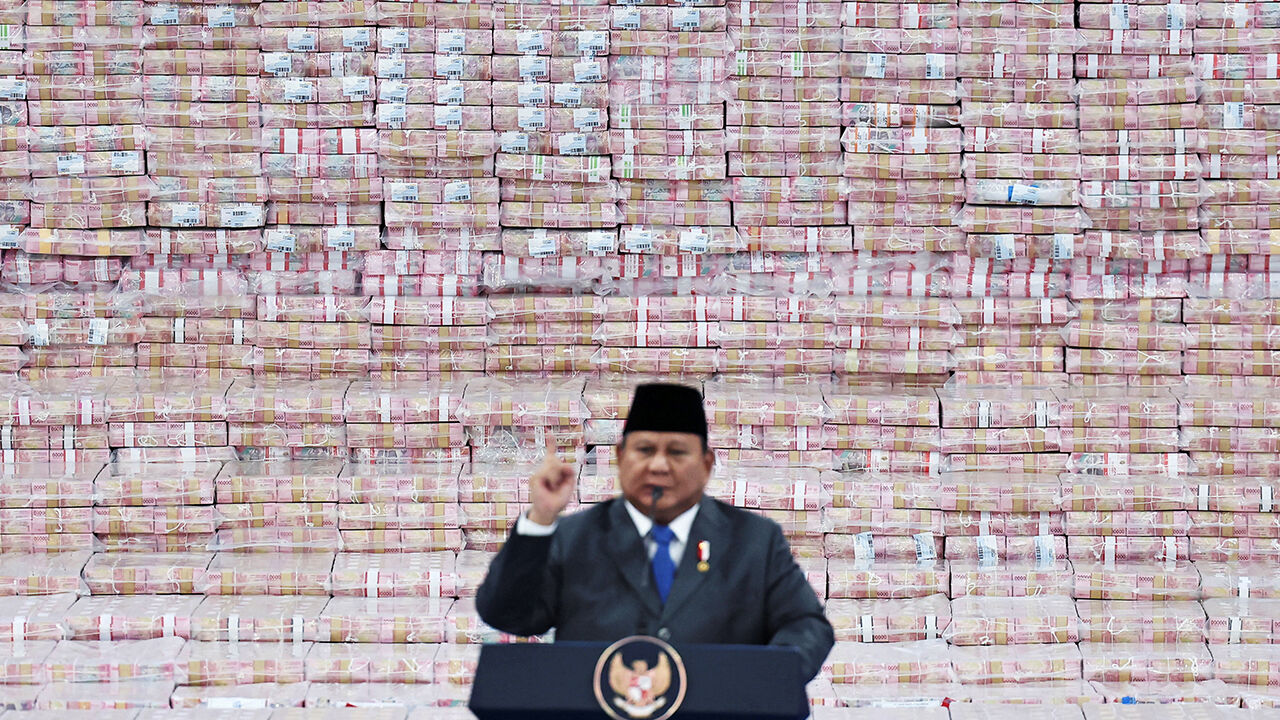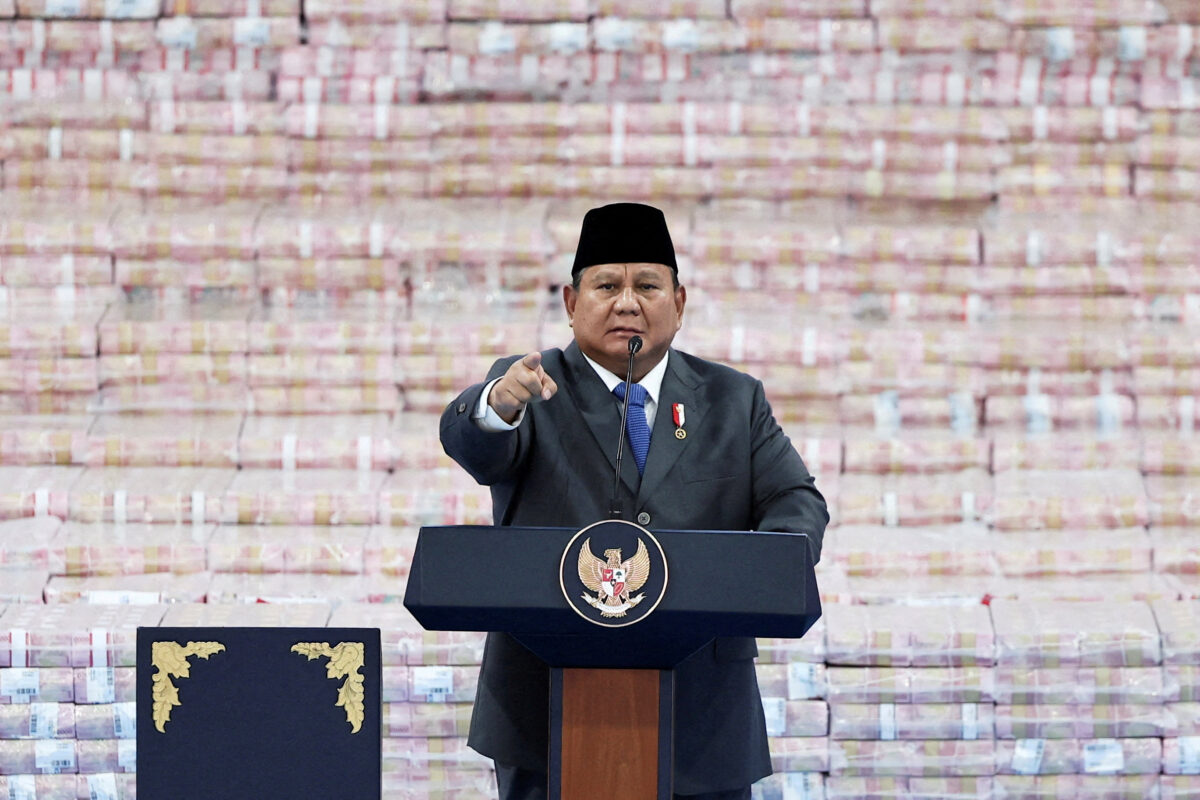
Indonesia’s president, Prabowo Subianto, has seen his country explode before. It was in 1998, during the Asian financial crisis. Then, an economic collapse led to mass protests and the toppling of Mr Prabowo’s father-in-law, Suharto, a notoriously corrupt dictator. It also cast Mr Prabowo, who had hoped to succeed Suharto, into the political wilderness. It took him a quarter of a century to claw his way back, finally winning the top job in 2024. So you might think he would be extremely wary of another fiscal crisis. You would be wrong.
The leader of the world’s biggest Muslim-majority country has centralised power and surrounded himself with a flock of flatterers. He dumped a respected finance minister and replaced her with Purbaya Yudhi Sadewa, who has called the IMF “stupid” and who told The Economist in April that the president need not worry about “developments in the global economy [or] in the global oil price”. Indonesian businessfolk are scared to speak out, perhaps because Mr Prabowo is a thin-skinned former general with a sketchy human-rights record, or perhaps because he has recently been bullying big business.
Dig deeper
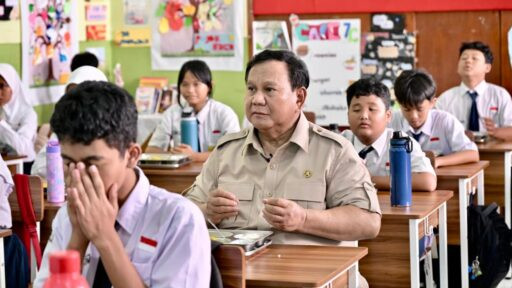
Mr Prabowo appears to be insulating himself from reality. So he may not listen to sober advice. Nonetheless, here is some. His pet projects are unaffordable. Before the Iran war, spending a projected 10% of the budget on just two of them—free school meals and a network of 80,000 village co-operatives—was merely wasteful. Now, the energy crunch has wiped out any room for error. Mr Prabowo must change course or risk a crisis.