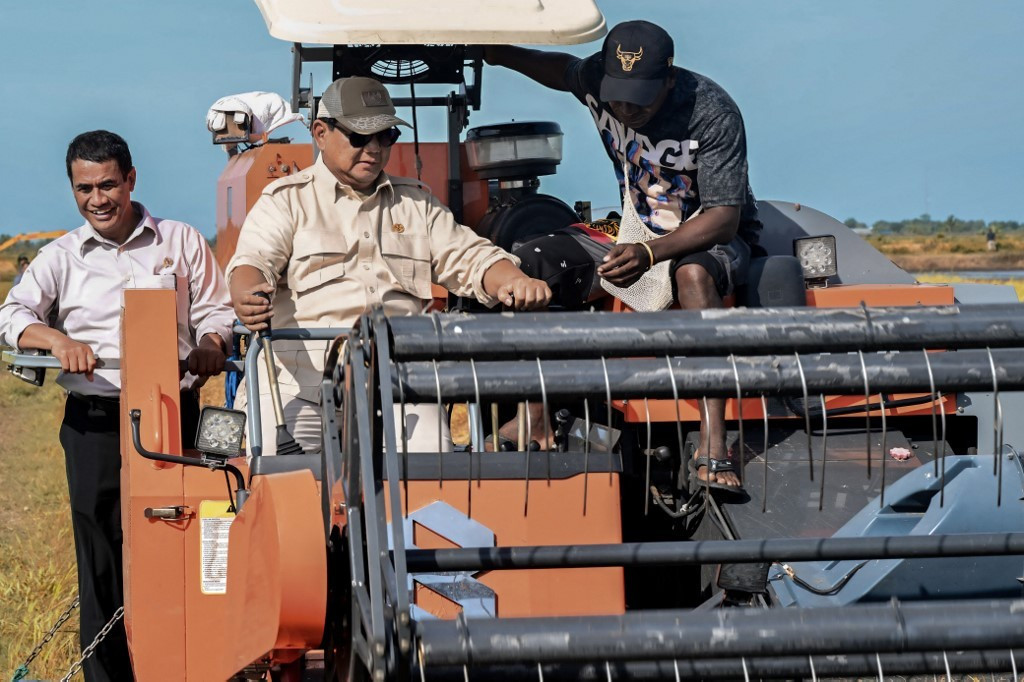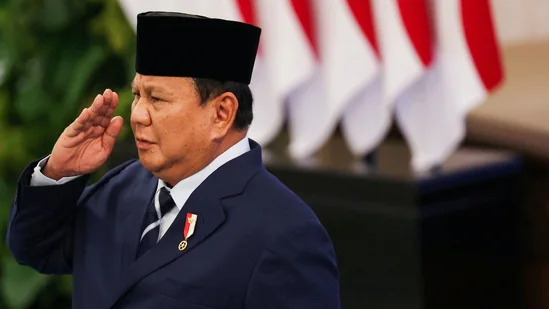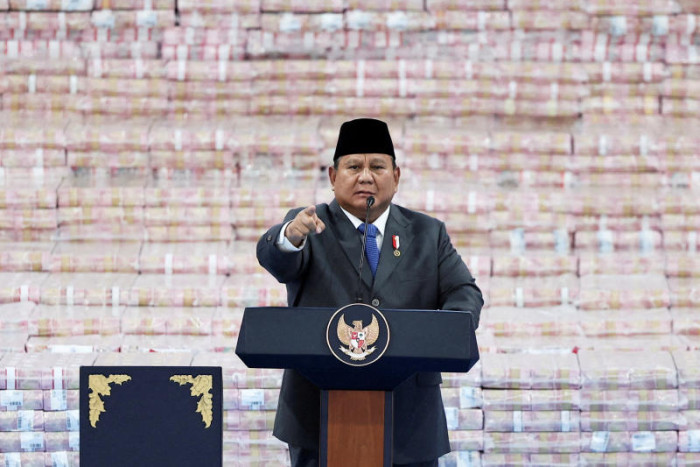
When Prabowo Subianto campaigned to become Indonesia's new president, he promised dynamic economic growth and major social change.
But his first year in office has not lived up to this populist platform. Rather, his ambitious pledges have been confronted by the realities of South East Asia's biggest economy.
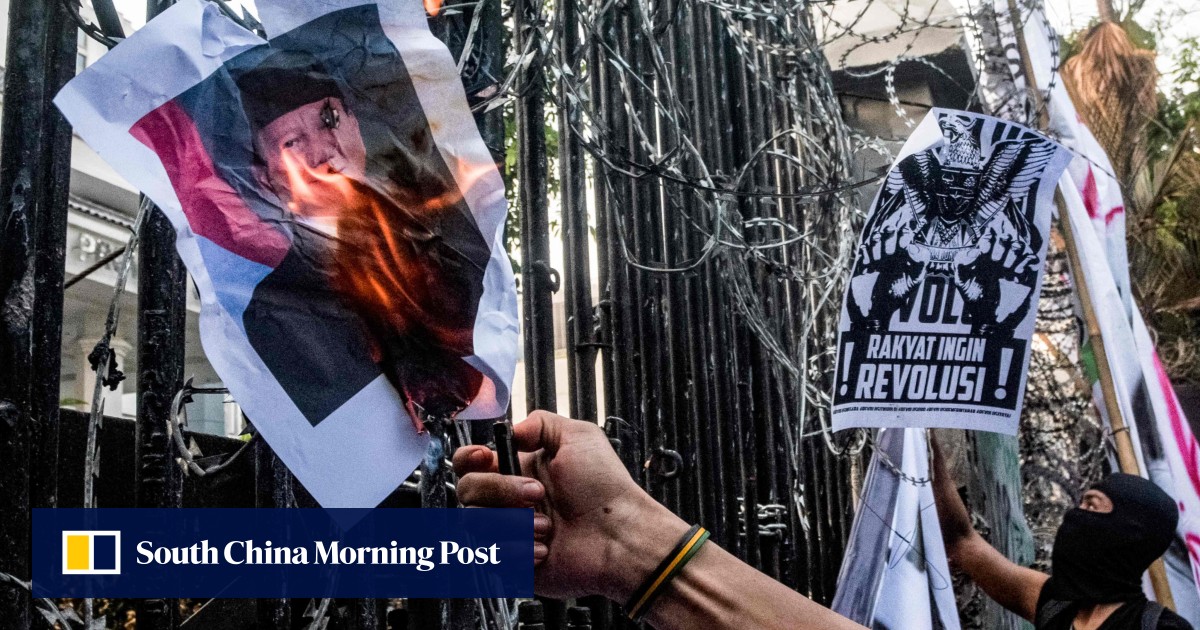
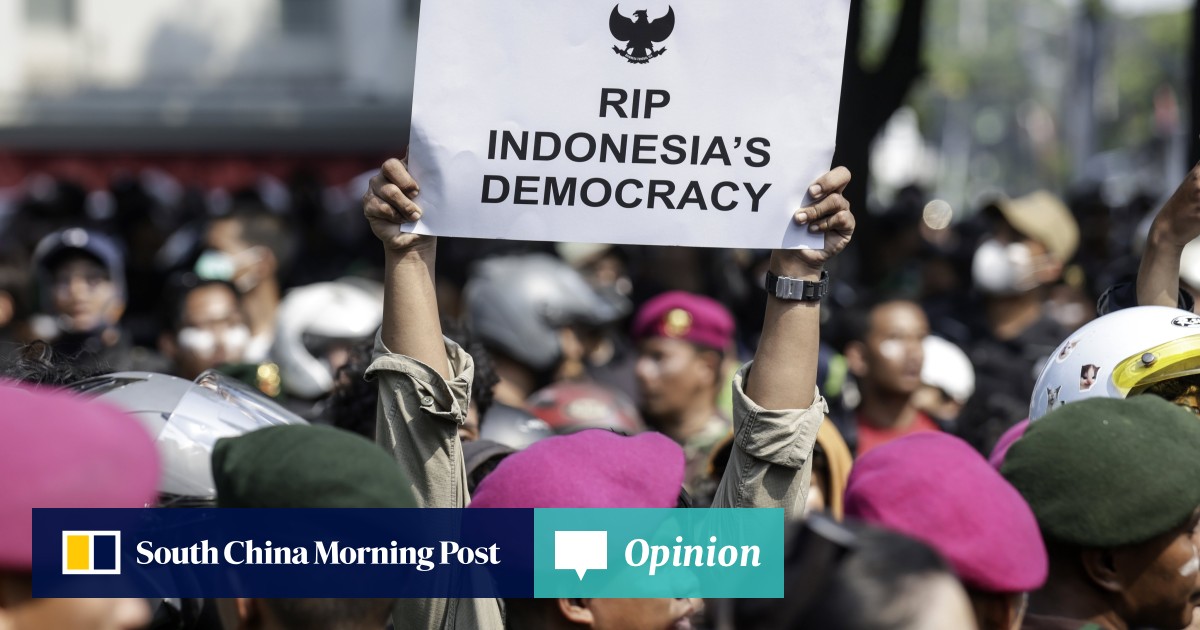
A frustrated youth, worried about jobs, took to the streets in late August to protest against the rising cost of living, corruption and inequality - the government was forced to roll back the perks for politicians that had triggered public fury. There had been huge protests earlier in the year too, against budget cuts that hit healthcare and education spending.
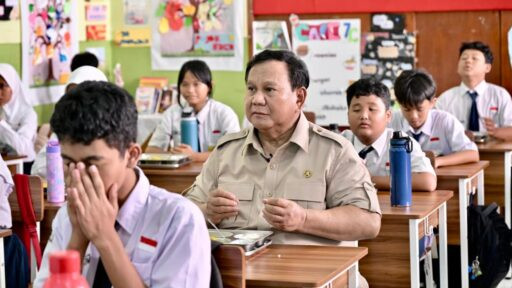
What didn't help was that this coincided with an expensive free school meals programme - at an annual cost of $28bn (£20.8bn). A centrepiece of Prabowo's agenda, it aims to tackle child malnutrition, improve education outcomes and stimulate the economy. Officials describe it as "an investment in Indonesia's future."
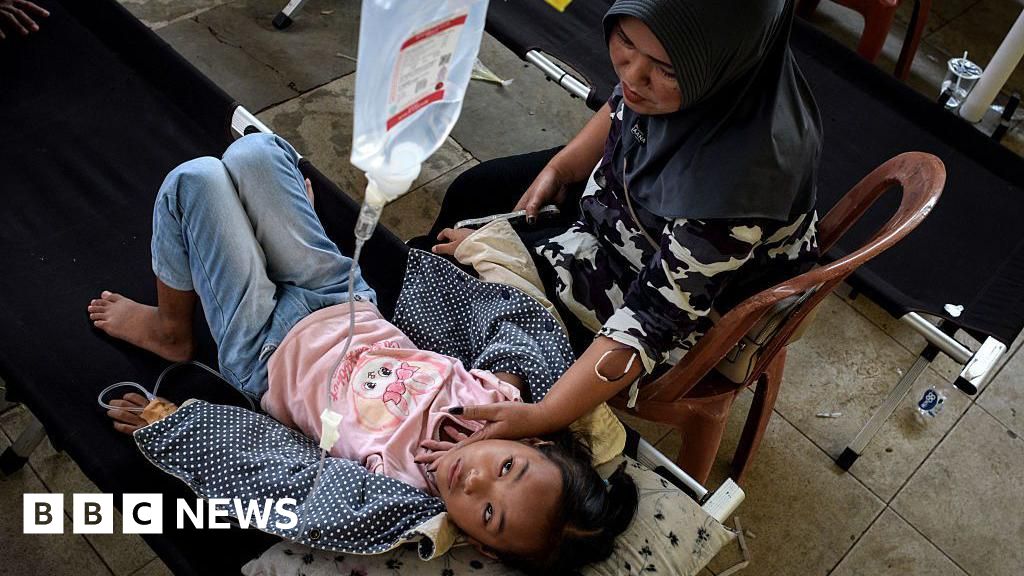
Except, in recent months images have emerged showing weak, dehydrated children - some as young as seven - hooked up to intravenous drips. They were suffering from food poisoning after eating the free lunches