Academia
In a fracturing global order ruled by tech giants and rising autocracies, Indonesia must abandon gradualism and execute a bold strategic breakout or else risk permanent economic subordination.
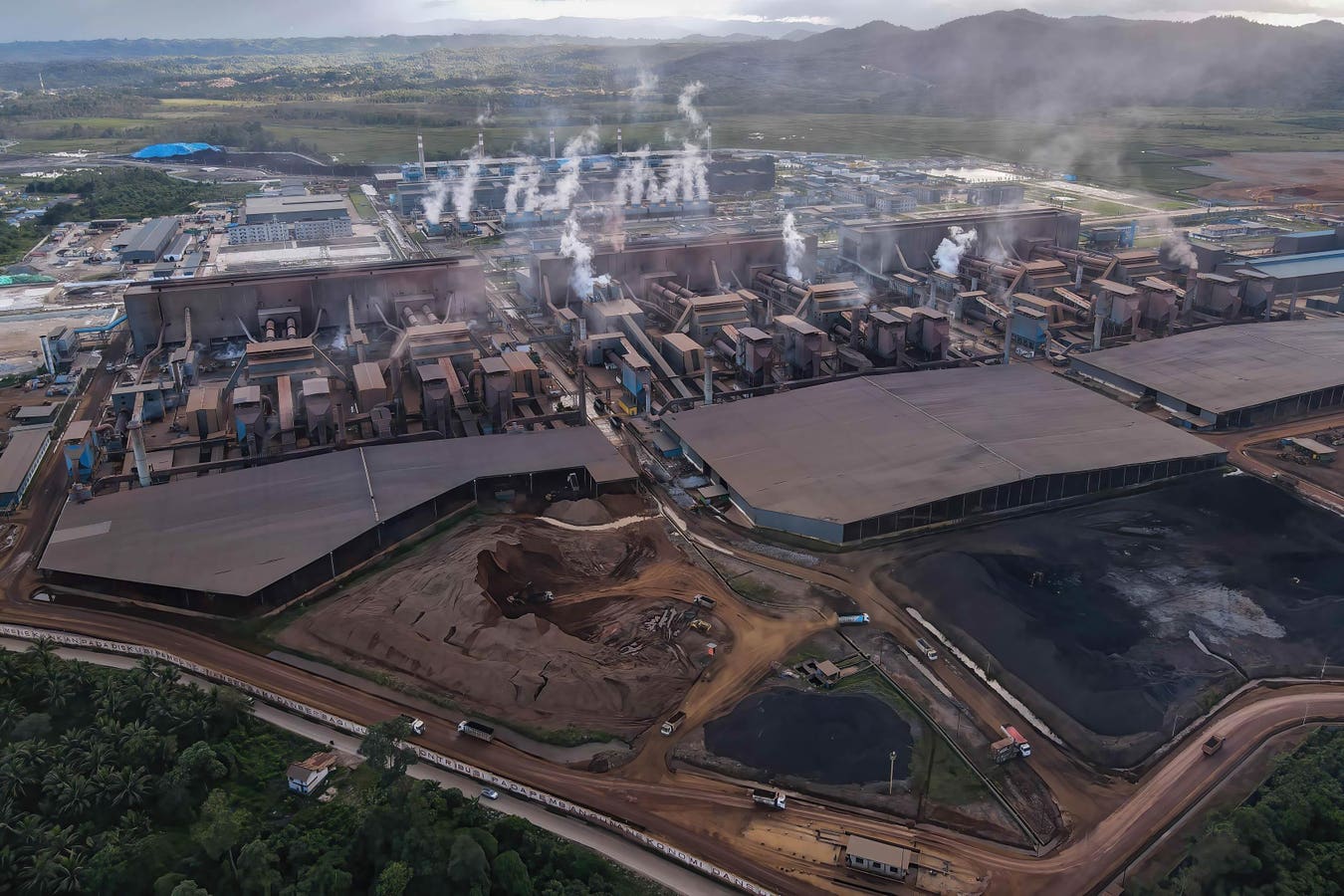
Chimneys belch emissions from a nickel smelter on July 7, 2024, at the Indonesia Weda Bay Industrial Park (IWIP) in Lelilef, North Maluku. (AFP/Azzam Risqullah)
For two generations, economic development followed a clear script: Open markets, abide by established rules and rely on the prevailing dominant power to underwrite global stability. History, it was widely assumed, moved inexorably toward democratic governance and deeper integration; developing nations simply had to find their niche and climb. That world no longer exists.Power today is increasingly concentrated in non-state hands. A single chipmaker, Nvidia, commands a market valuation exceeding US$5 trillion. The seven largest American technology firms collectively hold a valuation greater than $20 trillion, surpassing the gross domestic product of nearly every nation on Earth. These corporations operate largely beyond electoral oversight and national borders.
Concurrently, the democratic model is under severe strain. Autocracies govern nearly three-quarters of humanity, with dozens of countries sliding toward authoritarian governance; a trend now reaching established Western democracies. Meanwhile, the postwar international institutions designed to manage trade and mediate conflict are paralyzed or ignored, leaving major wars in Europe and the Middle East to burn unchecked.