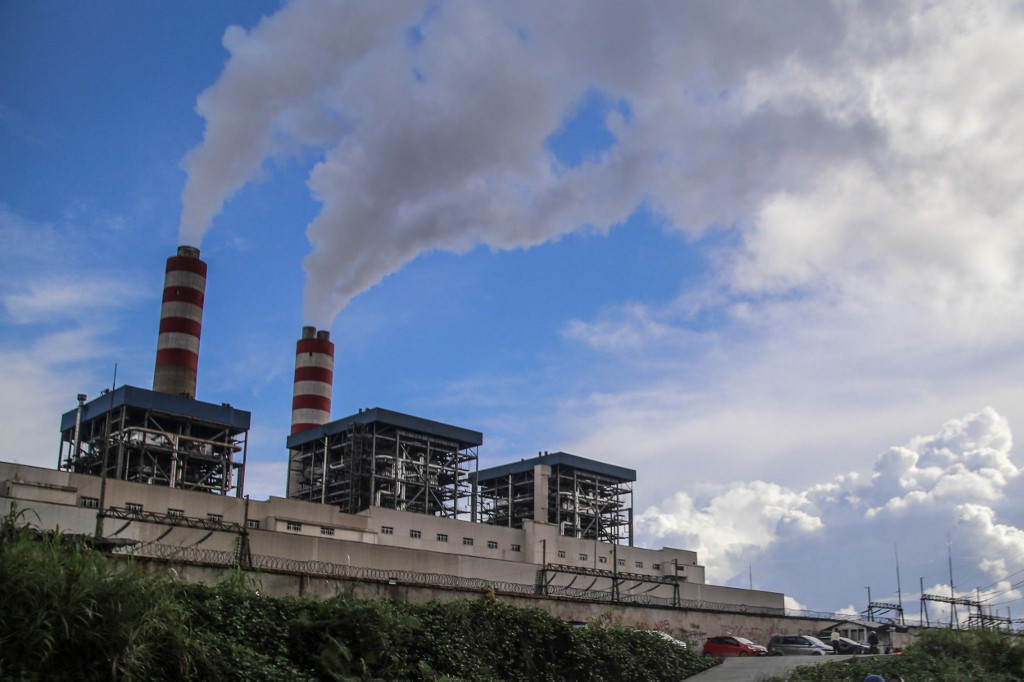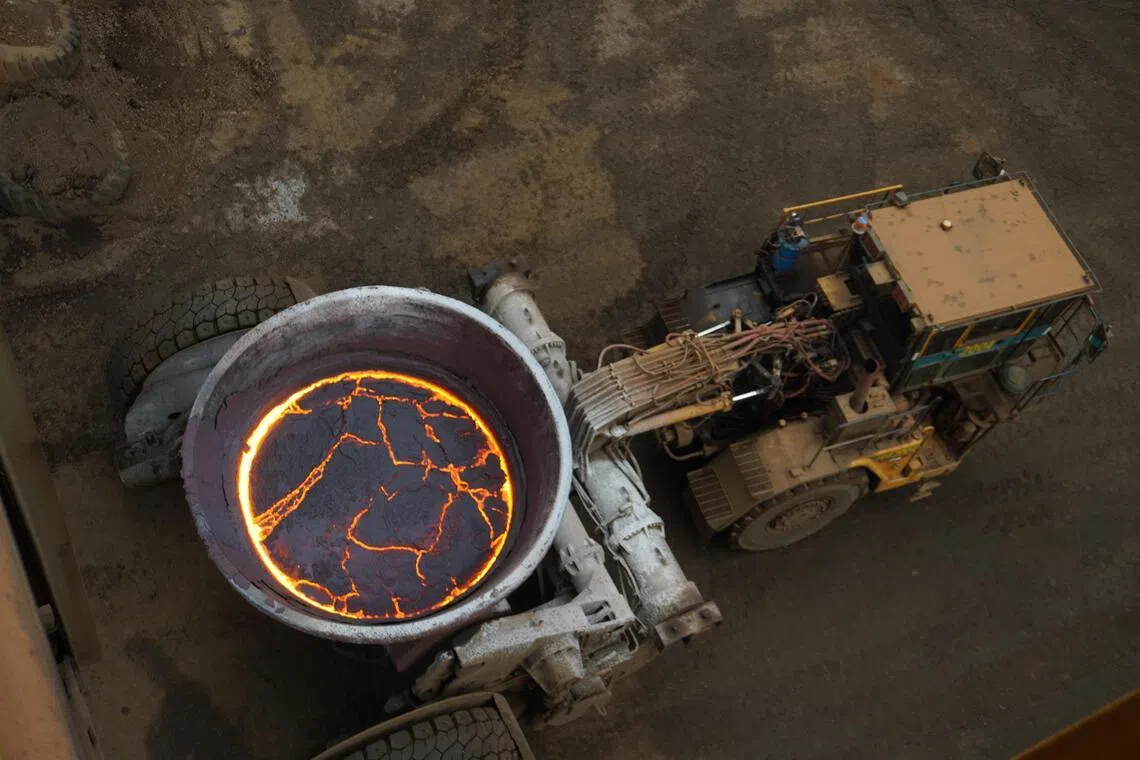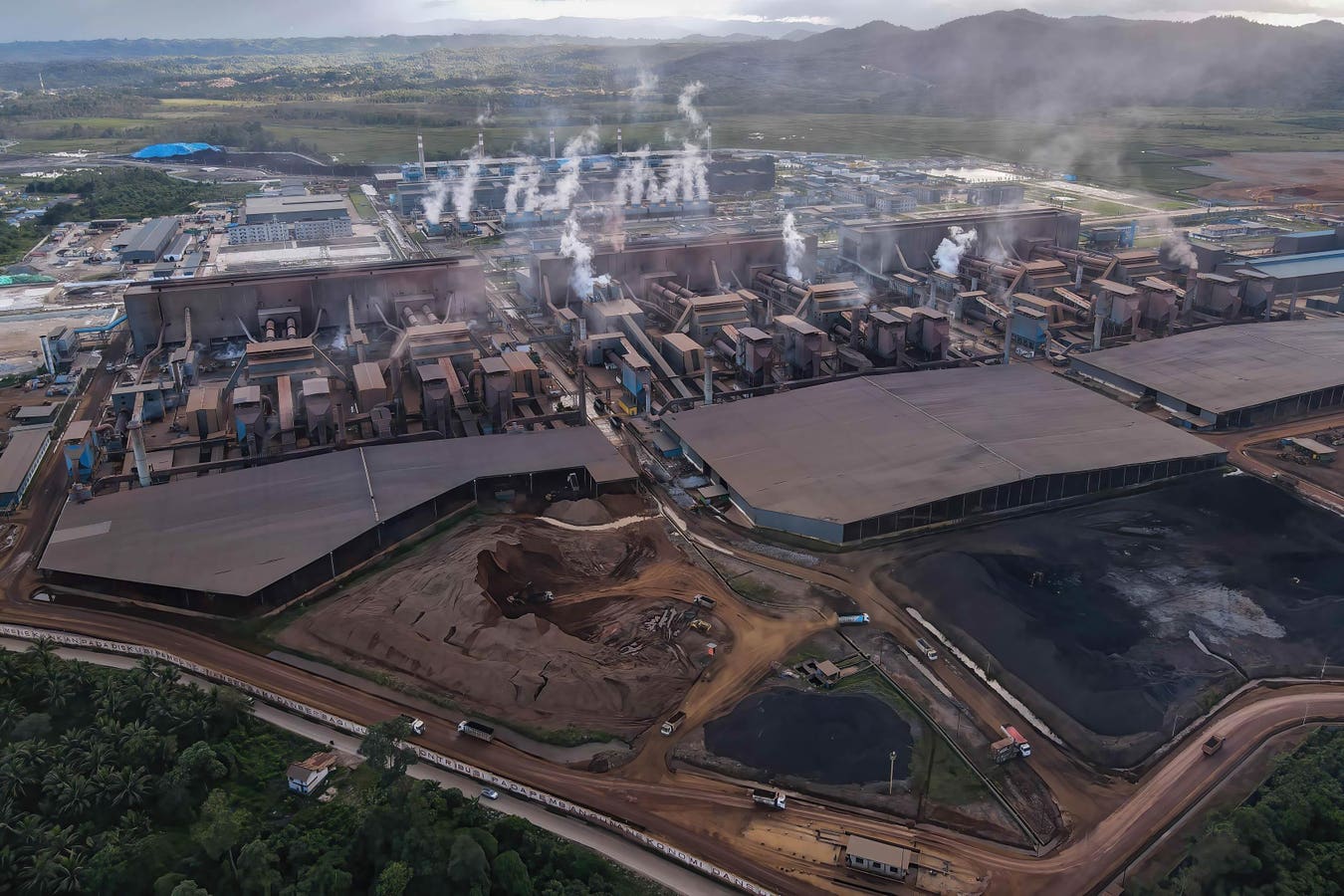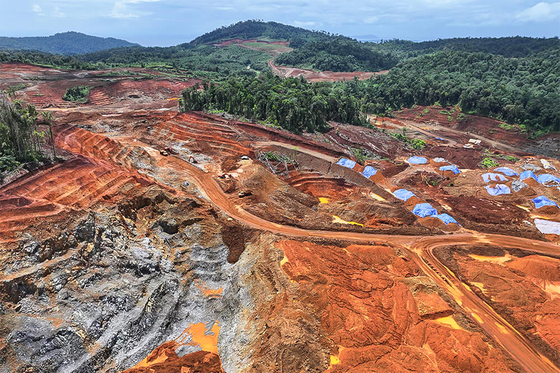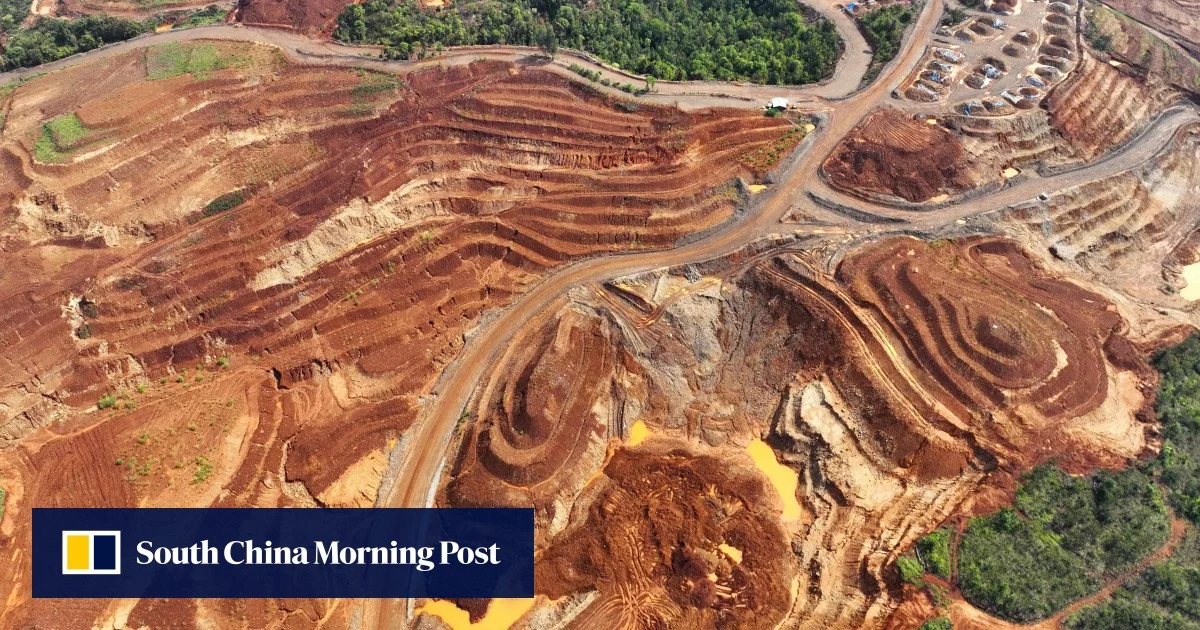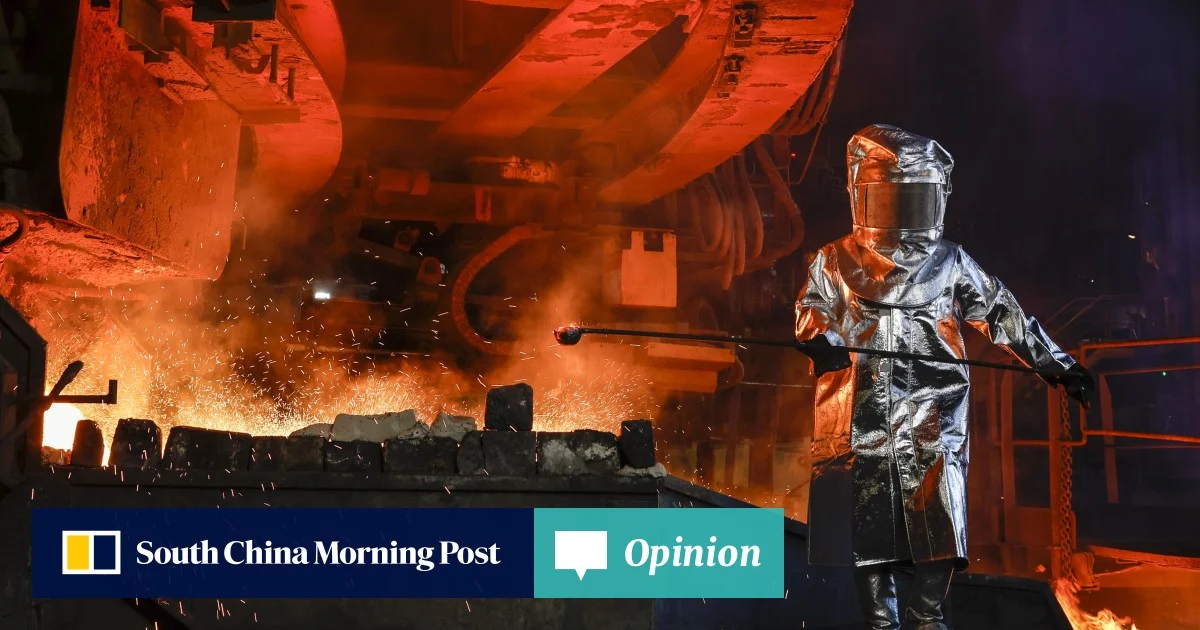
Back in 2009, when China’s economy was expanding at about twice today’s pace, a little-known private firm made a quiet bet on uncharted territory: Indonesia.The company was on a quest: to secure nickel, a vital industrial metal used in stainless steel production and, increasingly, to power advanced batteries.That bet proved lucrative. By leveraging Indonesia’s vast nickel reserves – the world’s largest – and securing greater control over upstream supplies, Tsingshan Group has grown into a leading global stainless steel producer. It joined the Forbes Global 500 in 2021, and in 2025 generated 432 billion yuan (US$63.8 billion) in revenue, with operations spanning from Zimbabwe to the United States.The company, founded in Wenzhou in eastern China’s Zhejiang province, is one of a growing number of Chinese enterprises helping to forge deeper trade and industrial ties between the world’s second-largest economy and Southeast Asia’s largest.What began as a push to secure raw minerals has evolved into a broader commercial relationship spanning resources, downstream metal processing, manufacturing and, most recently, financial services – though one increasingly shaped by Jakarta’s shifting domestic priorities.“Indonesia provides the resources, while China contributes capital, technology and manufacturing expertise, creating an increasingly integrated economic ecosystem,” said Zhao Xijun, a finance professor at Renmin University of China in Beijing.Chasing the battery boom
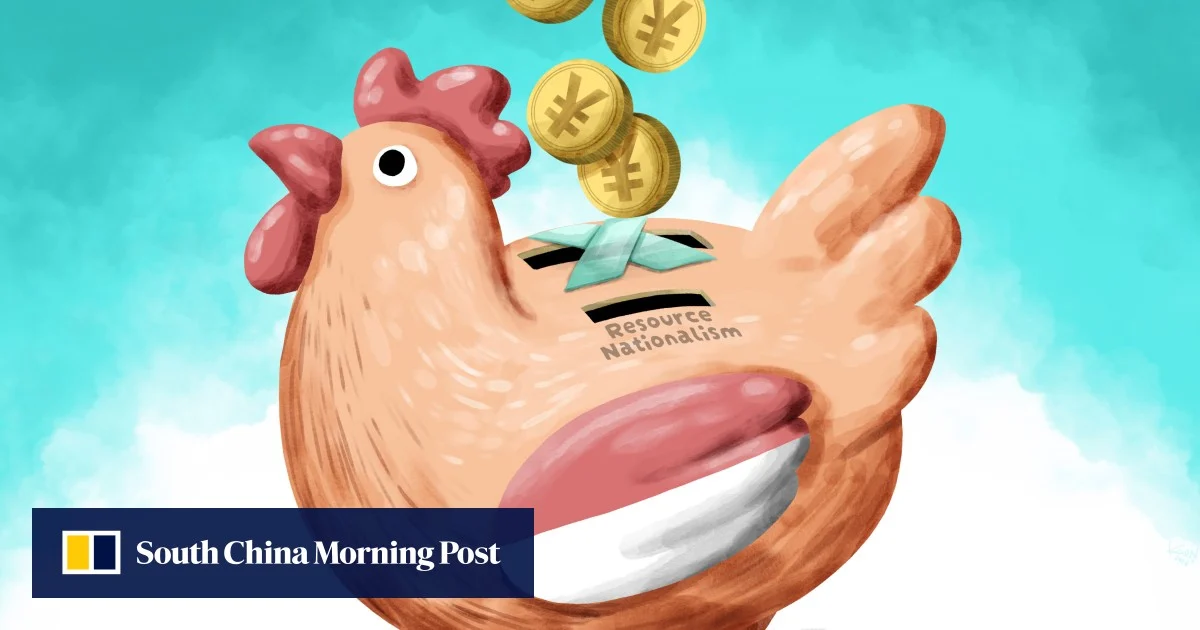
Indonesia wants to move beyond raw materials. Will its China ties suffer?
Beijing and Jakarta enjoy unprecedented economic interdependence – but shifting priorities in Indonesia threaten to strain the partnership.
212 words~1 min read